


UK ISA bans crypto ETNs, retail investors lose tax-free crypto investment channel starting April
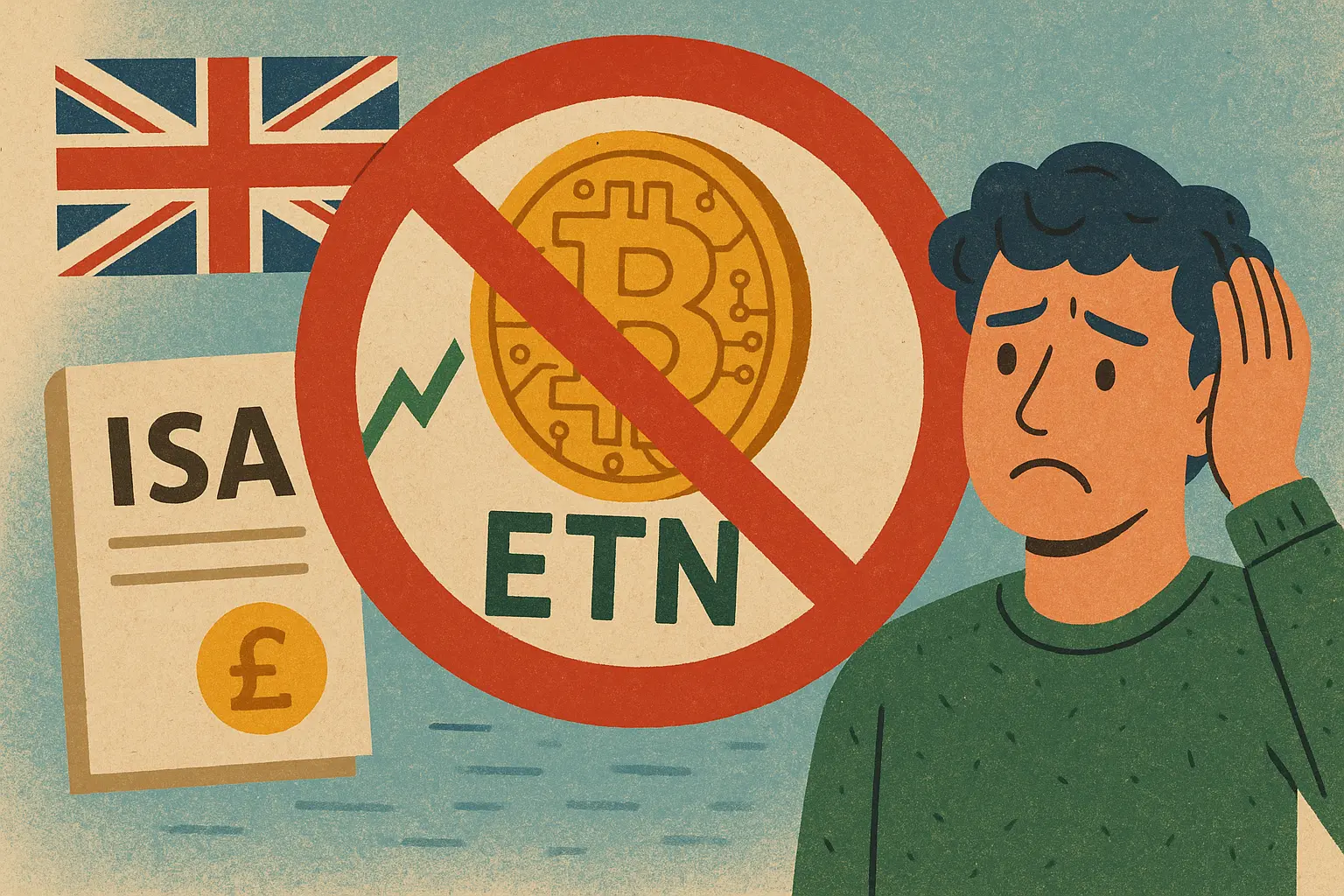
The UK Individual Savings Account (ISA) cryptocurrency investment channel will officially close in April 2026. HMRC’s regulatory policy adjustments have reclassified cryptocurrency exchange-traded notes (ETNs) as securities that do not qualify as ISA accounts, resulting in major investment platforms no longer legally offering such products within ISA accounts.
HMRC Reclassification: The Core Mechanism of Policy Shift
Individual Savings Accounts (ISAs) are the core tax-advantaged investment vehicles in the UK, allowing investors to exempt their capital gains and gains from taxation. For many years, eligible stocks, funds and certain exchange-traded products have been held within the ISA.
Crypto ETNs are exchange-traded notes that track the price of digital assets such as Bitcoin or Ethereum, and investors can buy them through traditional brokerage accounts without directly holding digital tokens, combining compliance convenience with crypto exposure. However, HMRC’s reclassification shattered the assumption that some investors expected ISA tax benefits for such products.
The key implications of this regulatory adjustment are as follows:
Disqualification: Crypto ETNs are classified as a category of securities that do not comply with the current ISA rules, and platforms cannot legally provide such services within the framework of the ISA
Tax implications: Investors who purchase crypto ETNs outside of ISAs are subject to tax declaration and tax at the standard rate
Alternative gap: There are currently no alternative packaging structures on the market that can restore crypto ETN ISA qualifications
Platform compliance obligations: Investment platforms that originally provided crypto ETNs in ISA accounts must stop such services by April
Real-World Implications for UK Retail Investors: From Financial Planning to Market Participation
For long-term investors, ISAs’ tax benefits have a compounding effect, and the tax-free framework can significantly enhance capital accumulation efficiency. The removal of crypto ETNs from ISAs changes the basis for risk-return assessment for investors who originally planned to deploy digital assets in a structured manner.
Of particular note is the young investor group. There is a growing interest in digital assets among younger generations in the UK, and many are turning to ISAs as their primary investment vehicle. This ban limits their path to incorporating crypto investments into long-term financial planning, which may indirectly prompt some investment activities to shift to overseas platforms or direct token purchases, thereby entering areas with more limited regulatory coverage.
Traditional assets (stocks, funds, bonds) remain eligible for ISA, allowing investors to adjust their existing asset allocation while closely monitoring policy directions.
Policy controversy: protecting retail investors or weakening competitiveness
The ban reflects the long-standing divergence in direction of UK regulators on digital asset policy.
Supporting HMRC’s reclassification argues that the cryptocurrency market remains volatile and regulated tax-exempt accounts should not provide tax subsidies for high-risk assets, a move that can reduce the systemic risk of retail investors over-allocating without adequate risk awareness.
Critics point out that crypto ETNs are regulated exchange-traded products, and their transparency and risk management standards are much higher than those of direct token purchases. Excluding such regulated products from ISAs may instead divert investment activity to less regulated channels, which is counterintuitive to protect investors.
The broader competitiveness concern lies in the UK’s crypto ETN ISA ban against the backdrop of the approval of spot Bitcoin ETFs in the United States and the continued opening of institutional crypto investment channels in several major markets, and the UK’s crypto ETN ISA ban is seen by some observers as a signal of regulatory conservatism that could weaken the attractiveness of the UK financial market in the global digital asset ecosystem.
Frequently Asked Questions
What options do UK investors still have for holding crypto ETNs after the ISA ban goes into effect in April?
Investors can still hold crypto ETNs through a standard taxable brokerage account, but they must report the corresponding gains in accordance with UK capital gains tax rules and maintain complete transaction records for tax filing. Some investors can also choose to hold Bitcoin or Ethereum directly on regulated exchanges, or wait for future adjustments to the regulatory framework.
What crypto-related investments for ISA accounts are still compliant?
Currently, crypto ETNs in ISAs are not eligible, but obtaining indirect crypto asset exposure by holding shares in relevant listed companies is still within the scope of permission from many ISA managers. Investors are advised to seek confirmation from their platform service providers or financial advisors on a specific basis.
Is it possible that this ban will be revoked or adjusted?
There is currently no official signal of revision of regulatory policies, but industry discussions on relevant policies continue. If the cryptocurrency regulatory environment becomes clearer globally and is accompanied by local political or market pressures, the possibility of future policy framework adjustments cannot be ruled out. Investors should pay close attention to relevant announcements from HMRC and the Financial Conduct Authority (FCA).
Related Articles
BTC short-term rises by 1.57%: Institutional capital inflow and technical breakout resonance driving the rebound
What signals did the US SEC send behind the new 2% discount regulation for stablecoins?
JPMorgan Sees CLARITY Act as Catalyst Amid Crypto Sell-Off
European Banking Union advances euro stablecoin plan, with giants like ING and UniCredit aiming for launch in 2026
Atsushi Mimura: The surge in stablecoins may strengthen the US dollar's position as the key currency
Rising oil prices suppress expectations of Federal Reserve rate cuts, strengthening the dollar