Explore crypto news and in-depth articles related to Geopolitics, covering market updates, data-driven analysis, trend insights, and key developments to help you fully grasp key information about Geopolitics in the crypto market.
The Strait of Hormuz is experiencing a gradual recovery in shipping traffic despite ongoing regional tensions, with current levels still below pre-conflict volumes.
International crude oil futures fell sharply, with WTI down 7.87% to $91.28 and Brent down 4.6% to $94.79 per barrel. Iran is contemplating suspending shipping through the Strait of Hormuz amid ongoing negotiations.
Israeli Defense Minister Katz announced that Israel's military actions, including the "12-Day War" against Iran in 2025, have dismantled Iran's nuclear program. The U.S. and Israel demand the removal of enriched uranium as a condition to cease regional military operations.
Gate News message, April 14, the International Monetary Fund (IMF) released its latest edition of the World Economic Outlook report, lowering its forecast for global economic growth in 2026 by 0.2 percentage points to 3.1%. The report notes that the fighting in the Middle East has significantly affected the current momentum of global economic growth. If the fighting and high oil prices continue for longer, this year global economic growth will fall to 2.5% or even lower.
Nauru appoints cryptocurrency entrepreneur Dadvan Yousuf as its Commissioner for International Trade to advance a digital asset strategy, attract global investment, strengthen cooperation with virtual service providers and technology companies, and help position Nauru as a virtual asset hub.
Gate News message, April 14, Reuters reported, citing sources, that U.S. and Iranian delegations will hold talks in Islamabad, the capital of Pakistan, later this week.
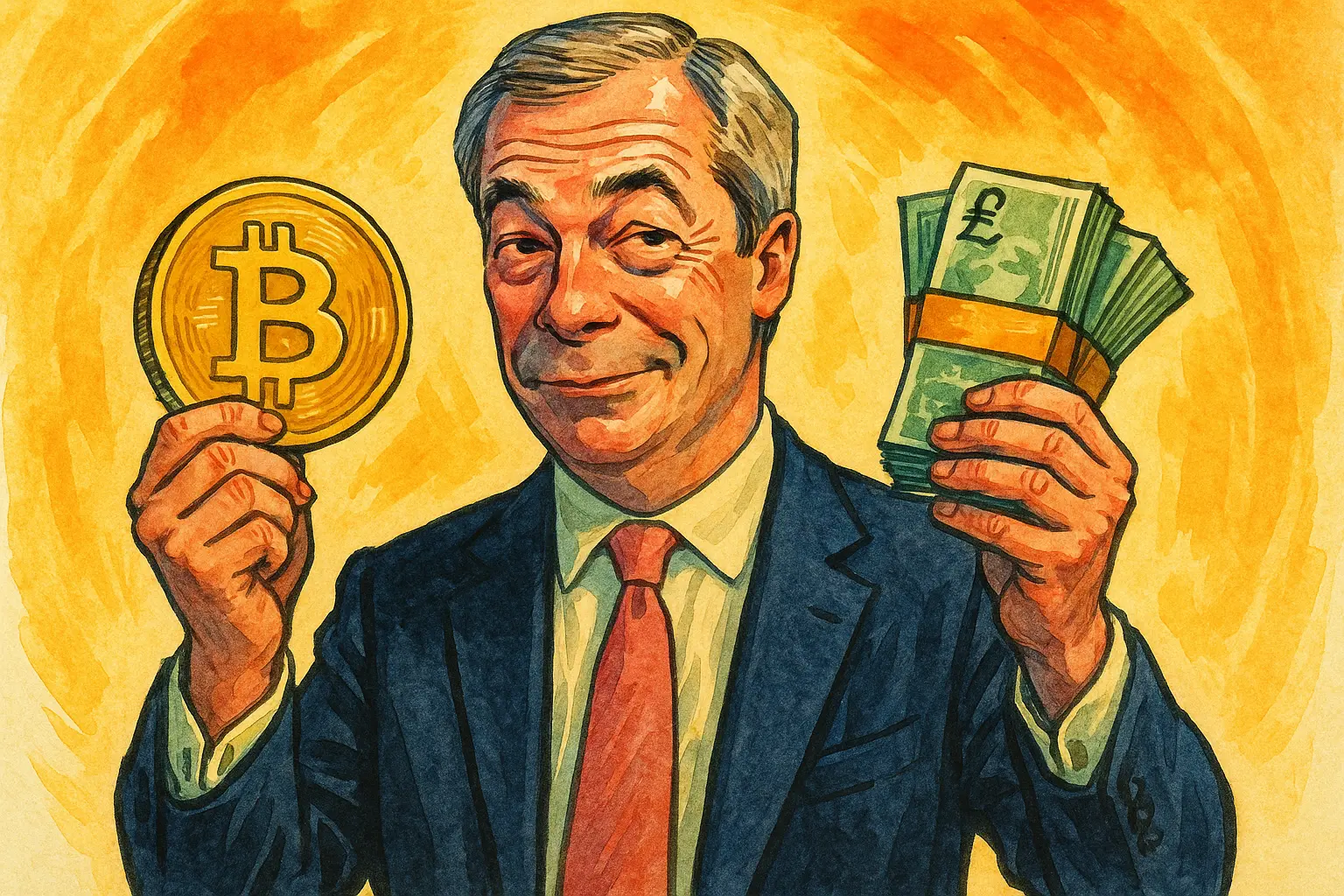
Reform UK leader Nigel Farage bought Bitcoin with roughly £2 million, becoming the first sitting member of Parliament to publicly disclose an investment of this size. The move highlights his party’s support for cryptoassets and could spark debate about the impact on the UK’s crypto policy and potential conflicts of interest. Farage invested via Stack BTC, strengthening his dual political and financial endorsement.
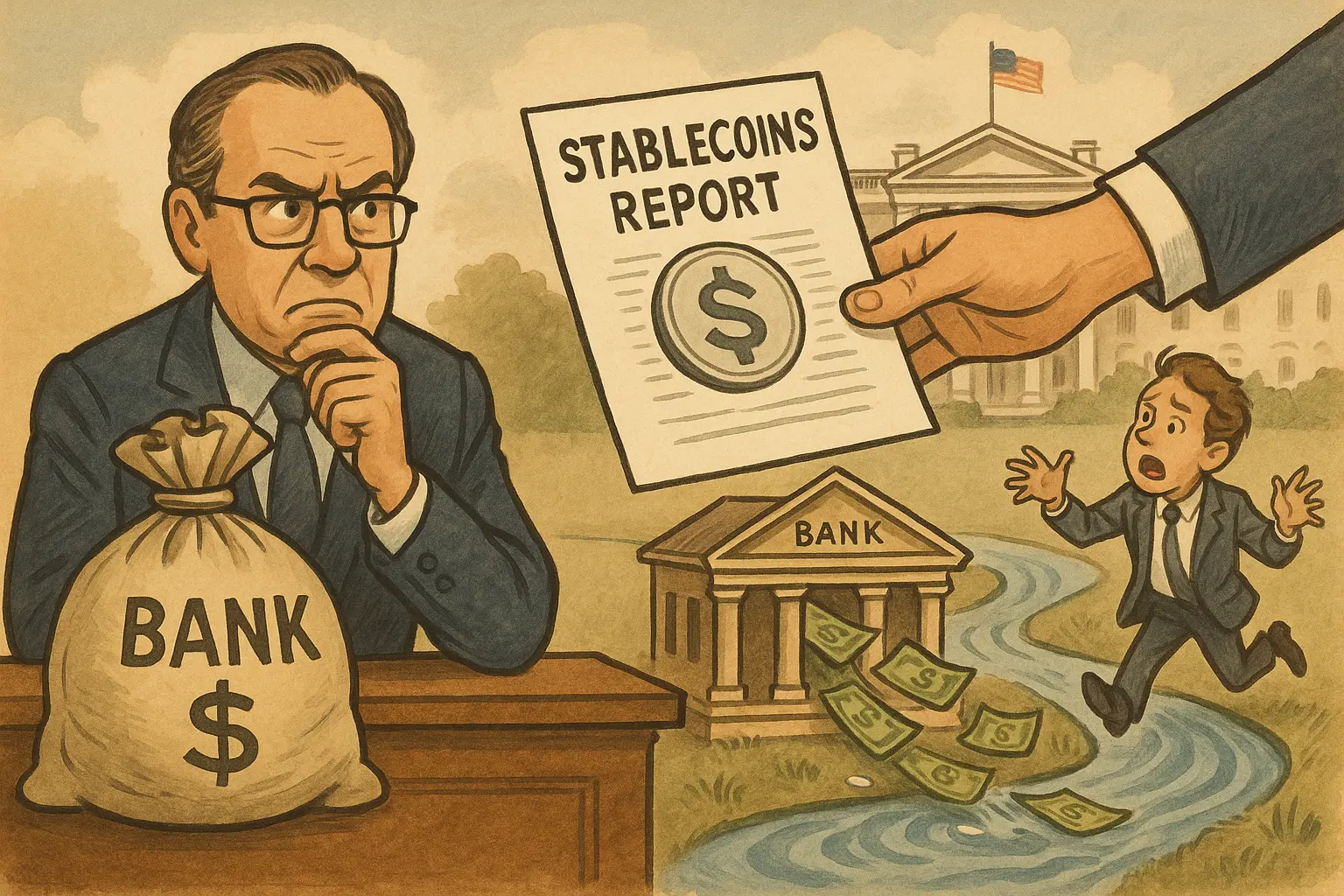
U.S. banks are questioning a White House stablecoin yield report, arguing that it overlooks the impact of stablecoins on deposit outflows, which could lead to higher financing costs and reduced local lending. The two sides are currently negotiating an agreement on the Senate bill, and a ban on paying stablecoin interest is the focus of the dispute.
The American Bankers Association criticizes the White House’s research framework in its stablecoin report, saying it overlooks the risk of deposit outflows that could be triggered by prohibiting stablecoin yield. The White House report says the ban will have only a minimal impact on bank lending, increasing it by just $2.1 billion, but the ABA believes this issue’s framework fails to reflect the risks that would actually harm community banks and support the local economy. This dispute is also tied to the current cryptocurrency regulatory legislative efforts, shaping the future development of stablecoins and the competitive landscape for banks.
Trump’s net worth is estimated at $6.3 billion, up about 60% before his return to the White House. This growth is mainly driven by his family’s expansion into overseas real estate deals and the cryptocurrency sector. Government ethics experts say they are concerned and believe there may be conflicts of interest. The White House and the Trump Organization deny such claims.
Gate News message, April 14, Citi Group’s strategists raised their rating for the U.S. stock market from "Neutral" to "Buy," aligning with the views of other analysts on Wall Street. Citi said that heightened uncertainty in the war situation has made investors more inclined to choose companies with higher quality and stronger defensiveness. Based on the principles of a "quality/defensive tilt," Citi adjusted its global asset allocation. Meanwhile, Citi downgraded its emerging market stock rating from "Buy" to "Neutral," saying these markets are more vulnerable to energy shocks, and that a stronger U.S. dollar puts additional pressure on them.
Iran’s ambassador to India, Fattahali, said that Indian tankers passing through the Strait of Hormuz did not pay the transit fee to Iran, and the Indian government also denied having paid any fee. Since the outbreak of the Iran war, Iran has blockaded that route, and there are still 15 Indian vessels stuck in the Persian Gulf.
JPMorgan Chase CEO Jamie Dimon warned in his annual shareholder letter that a war with Iran could trigger persistent oil and commodity price shocks, creating inflation pressure that is stickier than the market expects, and that the Federal Reserve may need to maintain high interest rates for longer. He noted that the war’s economic impact is widespread, including a global restructuring of supply chains and rising energy prices. In addition, Dimon still holds a positive view of the U.S. economy, but warned that the economic shocks from the war could weaken that resilience.
U.S. Vice President Vance disclosed the reason for the deadlock in the U.S.-Iran nuclear talks, saying that the U.S. side withdrew from the negotiations because Iran’s representative lacked authorization under the agreement. Vance emphasized that Trump is willing to normalize relations between the U.S. and Iran, but only on the condition that Iran does not pursue nuclear weapons and does not support terrorism. Any future progress in the talks would require approval from Iran’s leadership in Tehran.
Due to market expectations that the United States and Iran will reach an agreement, the S&P 500 index has rebounded to its highest level since the war, and Bitcoin has also surged to $74,900. Despite the failure of peace talks between the U.S. and Iran, the U.S. has imposed a maritime blockade to pressure Iran. MicroStrategy once again made a large-scale purchase of Bitcoin, indicating that investor confidence is picking up.
BlackRock strategists have again turned bullish on U.S. stocks, taking an overweight view. They believe the impact of the Middle East conflict on the global economy is manageable, and that corporate earnings forecasts are rising. The recent ceasefire and the resumption of shipping are seen as positive signals—especially with the technology sector performing strongly.
Gate News message. On April 13, U.S. President Donald Trump said that yesterday (April 12) 34 ships transited the Strait of Hormuz, the highest single-day passage record since the strait was shut down. In addition, Trump said he will submit an updated version of the lawsuit against The Wall Street Journal again on or before April 27 local time.
Trump said in his statement that the Strait of Hormuz blockade has begun, and that other countries will assist the U.S. He warned Iran that if it does not reach an agreement within two weeks, it will face an unfavorable situation, and he emphasized that the United States will maintain the status quo. The United States is preparing to take measures to respond to Iran.
U.S. President Trump announced a blockade of the Strait of Hormuz and will have it take effect on April 12; oil prices promptly surged. The U.S. military will intercept ships bound for Iran, but it will not affect shipping from other Persian Gulf countries. This move intensifies the global energy crisis, with oil prices breaking above $100, which could affect inflation and central bank policy. The market is also watching how geopolitical risk could impact risk assets.
U.S. President Trump threatens to impose an additional 50% tariff on China, claiming China is preparing to deliver air defense systems to Iran. This has heightened tensions between the U.S. and China. Trump’s threat is largely political pressure, and implementation would require legal procedures. China denies providing military aid and calls for restraint. The incident shakes the market, drives up oil prices, and affects the outlook for cryptocurrency.