


Citibank is laying out Bitcoin infrastructure! Aiming to launch institutional-grade custody and cross-asset collateral this year
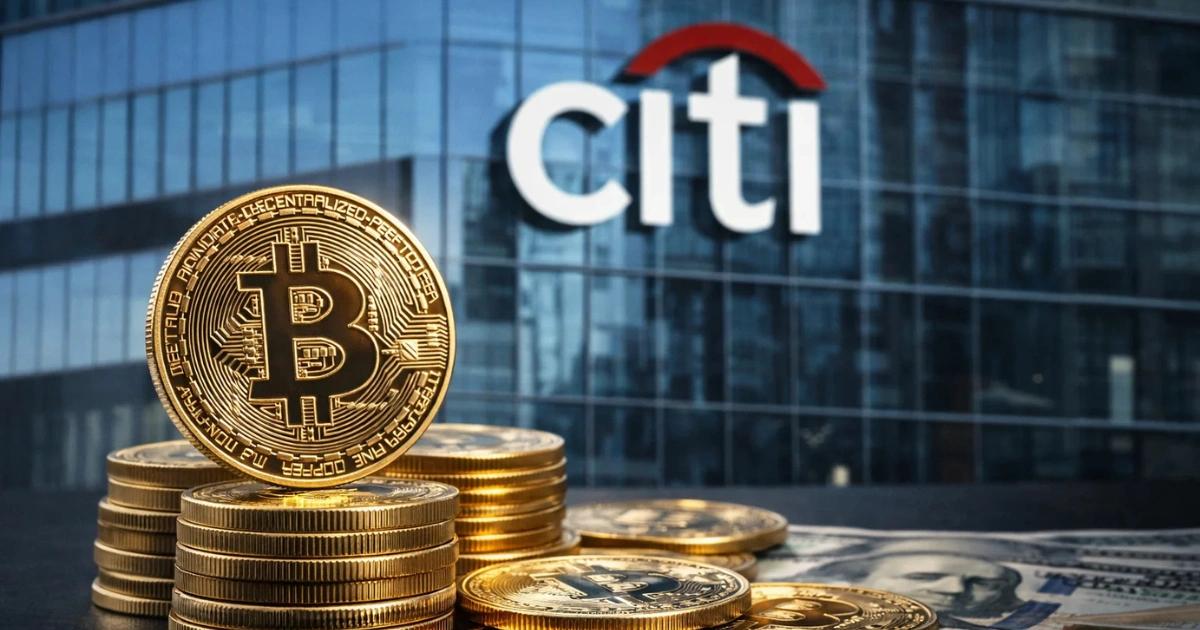
Citigroup pushes for Bitcoin banking, integrating $2.5 trillion in assets, planning to launch institutional-grade custody and cross-asset collateral services by 2026.
Traditional financial giants’ digital transformation: Citigroup promotes Bitcoin banking
Global financial services giant Citigroup is actively expanding its digital asset footprint, aiming to deeply integrate Bitcoin ($BTC) into its extensive traditional financial system. According to Nisha Surendran, head of digital asset custody development at Citigroup, revealed at the Strategy World event hosted by Bitcoin Treasury Services this week, Citigroup is working diligently to build the necessary infrastructure to make Bitcoin “bankable.”
This move is not impulsive; the banking industry leader managing approximately $2.5 trillion in assets has been quietly working behind the scenes for over three years. Biswarup Chatterjee, head of global partnerships and innovation for Citigroup’s services division, noted that development and testing of the related technical architecture have been underway since 2021, reflecting the bank’s cautious and long-term approach to entering the cryptocurrency market.
The new infrastructure is expected to be completed by the end of 2024, with 2026 set as the official launch year for institutional-grade crypto custody services. Citigroup’s strategy centers on leveraging its extensive global network of over 220 payment channels to connect traditional asset frameworks with blockchain technology.
Nisha Surendran emphasized that Citigroup’s primary goal is to provide core custody and security functions, including enterprise-grade key management systems and enhanced wallet infrastructure.
As demand for public blockchains increases, Citigroup is shifting from its previous focus on private chain applications to more open blockchain connectivity, aiming to carve out a dedicated green channel for Bitcoin within the traditional custody landscape, which manages around $30 trillion in assets.
Eliminating operational friction, seamlessly integrating digital assets into existing financial flows
For many large traditional institutions, the main barrier to entering the crypto industry is often the complexity of underlying technology. Citigroup’s solution is to route Bitcoin transactions through existing command channels such as SWIFT messages and API connections. This approach cleverly abstracts away the complexities of blockchain’s underlying details, allowing institutional clients to manage their digital assets as easily as traditional securities—without handling unspent transaction outputs (UTXOs) or managing addresses manually.
Nisha Surendran pointed out that this service aims to reduce operational friction for institutions, strengthen financial security through custody segregation, and enable crypto assets to coexist harmoniously under the same roof as traditional holdings.
In terms of compliance and reporting, Citigroup plans to directly integrate Bitcoin holdings into existing tax workflows and reporting channels. This means institutional investors can evaluate and manage digital holdings alongside stocks and bonds within a unified account structure. This “one-stop” account setup not only improves operational efficiency but also meets strict regulatory requirements for transparency and risk control.
The custody model Citigroup plans to adopt will combine proprietary technology with external partnerships to ensure its custody services meet the same risk standards as traditional securities. This approach of integrating “emerging assets” into “mature frameworks” is seen as a key step in attracting conservative institutional capital, making Bitcoin no longer an outsider to the financial system.
Cross-asset collateralization and 24/7 settlement: redefining institutional asset standards
Beyond storage and settlement, Citigroup is also focusing on how digital assets can enhance capital efficiency. Nisha Surendran highlighted the potential of “cross-margining,” which would allow clients to use Bitcoin held in a master custody account as collateral for government bonds or tokenized money market funds on Ethereum. This flexible asset management capability is highly attractive in today’s traditional finance environment, especially with the rise of Bitcoin spot ETFs, as institutional investors seek to incorporate digital assets into their overall portfolios.
Citigroup’s vision extends beyond Bitcoin custody. The bank is actively exploring applications for stablecoins and blockchain deposit tokens, viewing them as key drivers for modern cross-border payments and 24/7 liquidity flows. Surendran admitted that the next wave of digital asset adoption will not come from existing crypto-native users but from traditional financial institutions eager to access these assets but held back by technological novelty and uncertainty. By integrating Bitcoin into the existing banking infrastructure, Citigroup is not just offering a new product but laying down a standardized pathway for the global adoption of digital assets, making cryptocurrencies an integral part of institutional asset allocation.
This article is a compilation of information from various sources by Crypto Agent, reviewed and edited by Crypto City. It is still in training and may contain logical biases or inaccuracies. The content is for reference only and should not be considered investment advice.
Related Articles
ETH 15-minute increase of 0.95%: Macroeconomic safe-haven funds flow in and DeFi innovations drive fluctuations
The altcoin market is experiencing a structural decline, with 38% of tokens approaching historical lows, as funds continue to flow into Bitcoin and Ethereum.
Gate launches the new Gate Card, with cashback and level system fully upgraded
Lamborghini dealerships in the United States now accept Ethereum payments, with ETH expanding luxury car consumption scenarios
Ethereum validators queue reaches a record high, with large investors choosing to stake rather than sell
Middle East conflict impacts Asian stock markets, Bitcoin holds at $67,000, Ethereum and Solana come under pressure and retreat