


Iran airstrikes trigger Asian stock market turbulence, Bitcoin acts as a geopolitical pressure valve
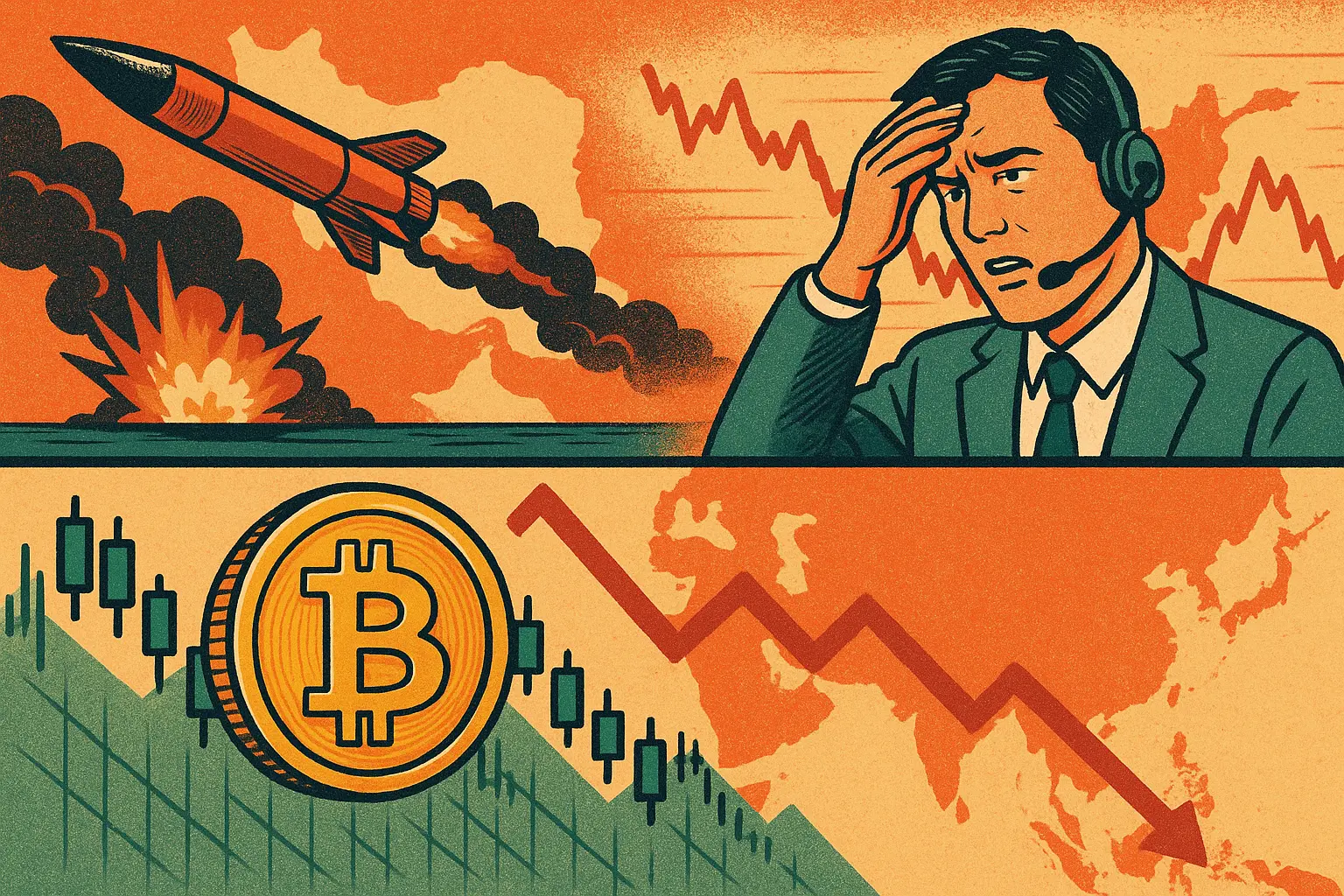
On Monday, Asian stock markets opened sharply lower due to the impact of U.S.-Israel joint airstrikes on Iran and the de facto closure of the Strait of Hormuz, with Brent crude oil soaring as much as 13%, and global markets entering a high-risk aversion mode. However, Bitcoin only declined 2.2% to approximately $66,543 after the weekend turmoil, significantly outperforming major Asian stock indices such as Japan’s Nikkei and Hong Kong’s Hang Seng Index, once again sparking heated discussions in the market.
Volatility in Asian Markets: Divergence in Equities, Oil, and Safe-Haven Assets
Iranian airstrikes and subsequent retaliatory missile and drone attacks by Iran have caused a broad impact on major Asian stock markets. Japan’s Nikkei index initially plunged 2.15%, over 1,260 points, narrowing to a 1.66% decline at midday, closing at 57,875 points; Hong Kong’s Hang Seng Index fell 2.54%; Singapore’s Straits Times Index declined 2.13%; the Shanghai stock market was relatively resilient, dropping only 0.45%. The aviation sector was hit hardest by the blockade of the Strait of Hormuz and the sharp increase in fuel costs, with major airlines such as Qantas, Singapore Airlines, and Japan Airlines generally falling more than 5%. Conversely, the energy sector bucked the trend, with PetroChina Shanghai opening up 7%, and the Shanghai and Shenzhen Energy indices rising about 5%.
Key Data on Major Markets After Iranian Airstrikes (March 2 Midday)
- Japan’s Nikkei Index: -1.66% (peak decline of -2.15% in early trading)
- Hong Kong Hang Seng Index: -2.54%
- Singapore Straits Times Index: -2.13%
- Shanghai Composite Index: -0.45%
- Brent Crude Oil: +13% in early trading, with gains narrowing significantly by midday
- WTI Crude Oil: +4.24%; Gold: +1.76%
- S&P 500 Futures: -0.67% (morning low over -1%)
- Bitcoin: -2.2%, around $66,543
OPEC+ announced on Sunday that starting in April, it would increase daily crude oil production by 206,000 barrels to help alleviate supply concerns. However, analysts warn that if the Strait of Hormuz remains closed, the effect of increased output will be limited, and oil prices could surge to $108 per barrel.
Bitcoin’s Pressure Valve Effect: A Double-Edged Sword for 24/7 Liquidity
During the weekend turmoil, Bitcoin played the role of an “emotional pressure release valve” during traditional market closures. After the airstrike news broke on Saturday, Bitcoin dropped below $64,000 within hours, causing the total crypto market capitalization to evaporate by approximately $128 billion. On Sunday, following confirmation of Supreme Leader Khamenei’s death, traders bet that the resulting power vacuum might accelerate de-escalation, pushing Bitcoin back above $68,000. However, with Iran’s retaliatory attack, Bitcoin retreated again below $66,000.
The Bitcoin futures funding rate fell to -6%, and the Crypto Fear & Greed Index by CMC dropped to 15, indicating “extreme fear.” Some analysts interpret this as a contrarian indicator. Over the three trading days last week, spot Bitcoin ETFs saw nearly $254 million in net inflows. The opening of U.S. markets on Monday will be a critical test for institutional investors’ ability to maintain their positions.
If the Strait of Hormuz remains closed, sustained high oil prices will directly raise inflation expectations, delay the Federal Reserve’s interest rate cuts, and exert structural pressure on risk assets like Bitcoin. The key upcoming catalysts are the March 11 CPI data and the March 18 Federal Reserve decision. The Iran situation will remain the largest source of uncertainty influencing all market interpretations.
Frequently Asked Questions
Q: What are the direct impacts of the Iranian airstrikes on Asian markets?
A: Japan’s Nikkei declined 1.66%, Hong Kong’s Hang Seng fell 2.54%, and the aviation sector generally dropped over 5%. Brent crude oil surged 13% in early trading, with gains narrowing sharply by midday. The actual closure of the Strait of Hormuz remains the biggest market risk; if it persists, oil prices could rise to $108 per barrel.
Q: Why did Bitcoin outperform Asian stocks after the Iranian airstrikes?
A: Bitcoin is a large asset that maintains round-the-clock liquidity even when traditional markets are closed over the weekend, absorbing risk aversion shocks. Analysts refer to this as the “pressure valve” effect. On Monday, Bitcoin only fell 2.2% at market open, outperforming many stock indices. Whether this resilience will continue after U.S. market open remains uncertain.
Q: What are the key technical levels for Bitcoin after the Iranian airstrikes?
A: The most critical support level is $60,000; a break below could open a path toward the mid-$50,000 range. The key resistance is at $70,000; a break above and hold could trigger a short squeeze, especially given the large short positions accumulated in derivatives markets.
Related Articles
Analysis: The bears are not enough to quickly "break 6 and see 5" for BTC. The $64,500 support will be reaffirmed after the US stock market opens.
Saudi Arabia Shuts Ras Tanura Refinery After Iran Drone Strike
The stock market soars, while crypto heats up slowly? Koreans' all-in bets have never cooled down