


SEC Chair Gensler: Missed the Opportunity for Effective Cryptocurrency Regulation, Now Working Hard to Fill the Gap
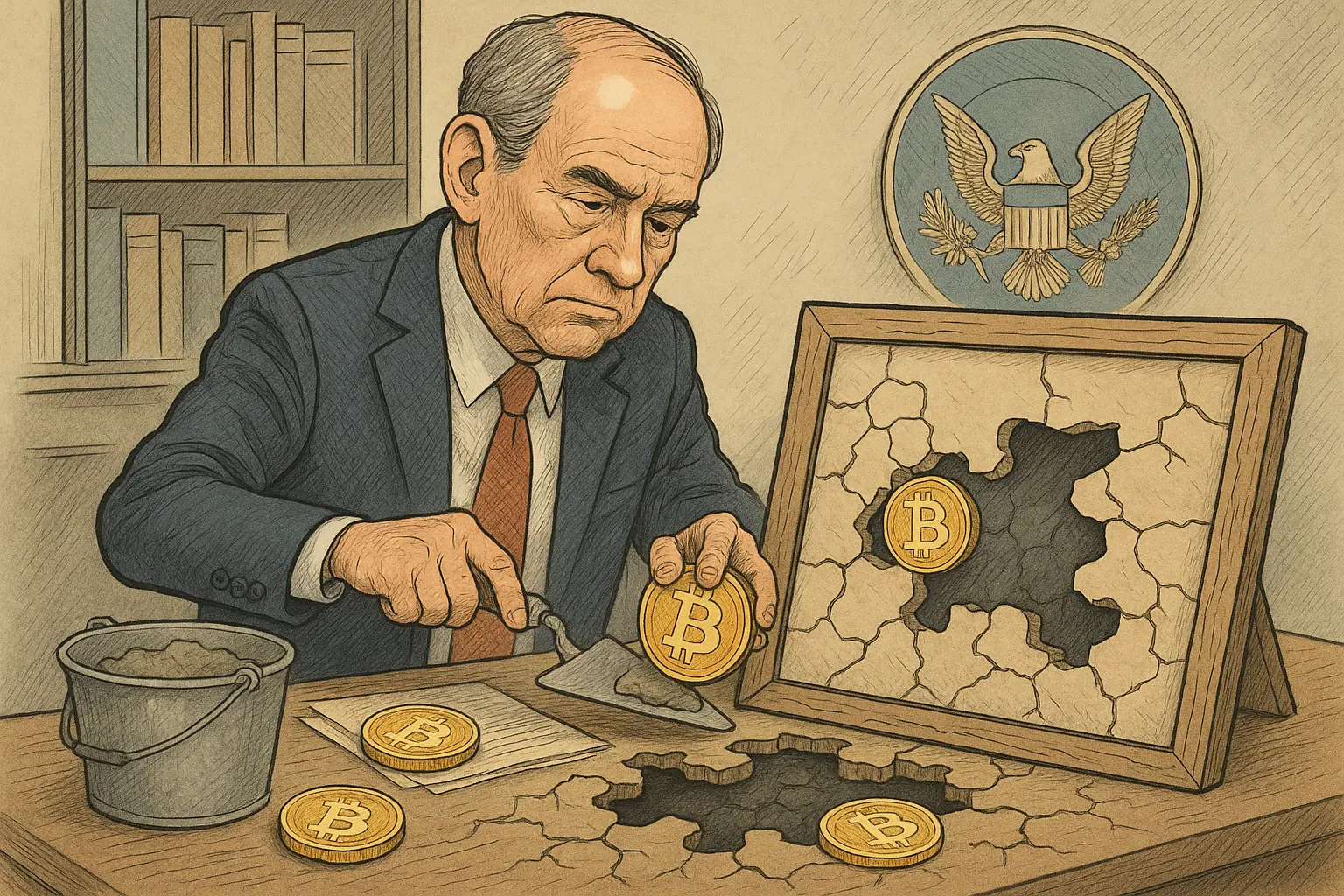
The U.S. Securities and Exchange Commission (SEC) Chairman Paul Atkins said on Friday during a fireside chat at the University of Texas that the SEC under former Chairman led the agency to “miss a significant opportunity” in cryptocurrency regulation because it failed to try to adapt to innovation and instead took aggressive enforcement actions to suppress industry development. He emphasized, “This is a huge missed opportunity for the United States, and we are working quickly to make up for this loss.”
Atkins Criticizes Gensler Era: The Cost of Enforcement Replacing Regulation
During Gensler’s tenure as SEC Chair, the commission adopted a highly cautious and enforcement-oriented stance, claiming that many digital assets are securities and filing numerous lawsuits against major industry players, mainly involving allegations of unregistered securities. Atkins believes this “enforcement-first” approach failed to understand the innovative potential of distributed ledger technology (DLT), leading the U.S. to lose its leadership position in global crypto regulation.
He particularly emphasized that the price fluctuations of individual cryptocurrencies are not the core issue; his real concern is the broad application potential of DLT in payment, clearing, and settlement systems. Upgrading these infrastructures could fundamentally reshape the efficiency of traditional finance.
Gensler vs. Atkins: A Fundamental Shift in SEC Crypto Regulation Approach
Gensler Era: Focused on enforcement actions, claiming many digital assets are unregistered securities, and filing lawsuits against Binance, Coinbase, Ripple, and others.
Atkins Era: Established a Cryptocurrency Working Group, launched “Project Crypto” to update regulatory rules, and rescinded multiple enforcement cases against major industry players.
Policy Shift: Moving from “enforcement replacing legislation” to “building a regulatory framework,” prioritizing regulatory certainty.
Core Technology Focus: Concentrating on the systemic application of DLT in payment, clearing, and settlement systems, rather than the investment attributes of individual tokens.
SEC’s New Direction in Crypto Policy: Implementing a Tokenized Asset Regulatory Framework
This week, the SEC approved WisdomTree’s tokenized U.S. Treasury Money Market Digital Fund’s 24/7 trading and real-time settlement exemption application. This is the first such regulatory exemption in the U.S. for a tokenized money market fund, marking a significant first step in the SEC’s development of a regulatory framework for tokenized assets.
Atkins further announced during the fireside chat, “We have approved a tokenized money market mutual fund, and next, we will approve tokenized bank deposits.” This statement clearly indicates the SEC’s roadmap for tokenized asset approval, extending from public offering money market funds to on-chain bank deposits, covering the two most core short-term asset categories in traditional finance.
Industry observers note that if the SEC’s “Project Crypto” framework can complete rule updates by 2026, it will provide long-missing regulatory certainty for the U.S. crypto asset market and could become a key catalyst for institutional investors worldwide to reallocate digital assets.
Frequently Asked Questions
Q: Why does Atkins criticize the Gensler-era SEC?
A: Atkins believes that during Gensler’s leadership, the SEC replaced rulemaking with enforcement actions, failing to adapt to the innovative potential of cryptocurrency technology, leading the U.S. to lose its dominance in global crypto regulation, which he calls a “major missed opportunity.”
Q: What is the significance of the SEC-approved WisdomTree tokenized fund exemption?
A: It is the first time a U.S. regulator has approved a tokenized money market fund for 24/7 trading and real-time settlement, seen as a formal step for the SEC to incorporate tokenized financial assets into its regulatory framework, setting a precedent for future approval of tokenized bank deposits.
Q: What are the SEC’s next steps in crypto regulation?
A: Atkins announced that after approving the tokenized money market fund, the next step will be to approve tokenized bank deposits; simultaneously, the SEC will revise crypto asset regulation rules through the “Project Crypto” framework, aiming to restore U.S. leadership in global crypto financial innovation.
Related Articles
The probability that the Federal Reserve will cut interest rates by 25 basis points in March is only 7.4%.
What signals did the US SEC send behind the new 2% discount regulation for stablecoins?
Weekly Preview | Gemini to Cease Operations in the UK; Federal Reserve Releases Economic Beige Book
Dialogue with Tether USAT CEO: Experiencing the acceleration of U.S. crypto policies, user experience is the biggest difference in the clear legislation.
The aftermath of the US-Iran conflict causes a crash in the New York stock market... Tensions in the Middle East escalate