


U.S. Congress pushes DeFi legislation, developer criminal liability exemptions or rewriting the crypto legislative landscape
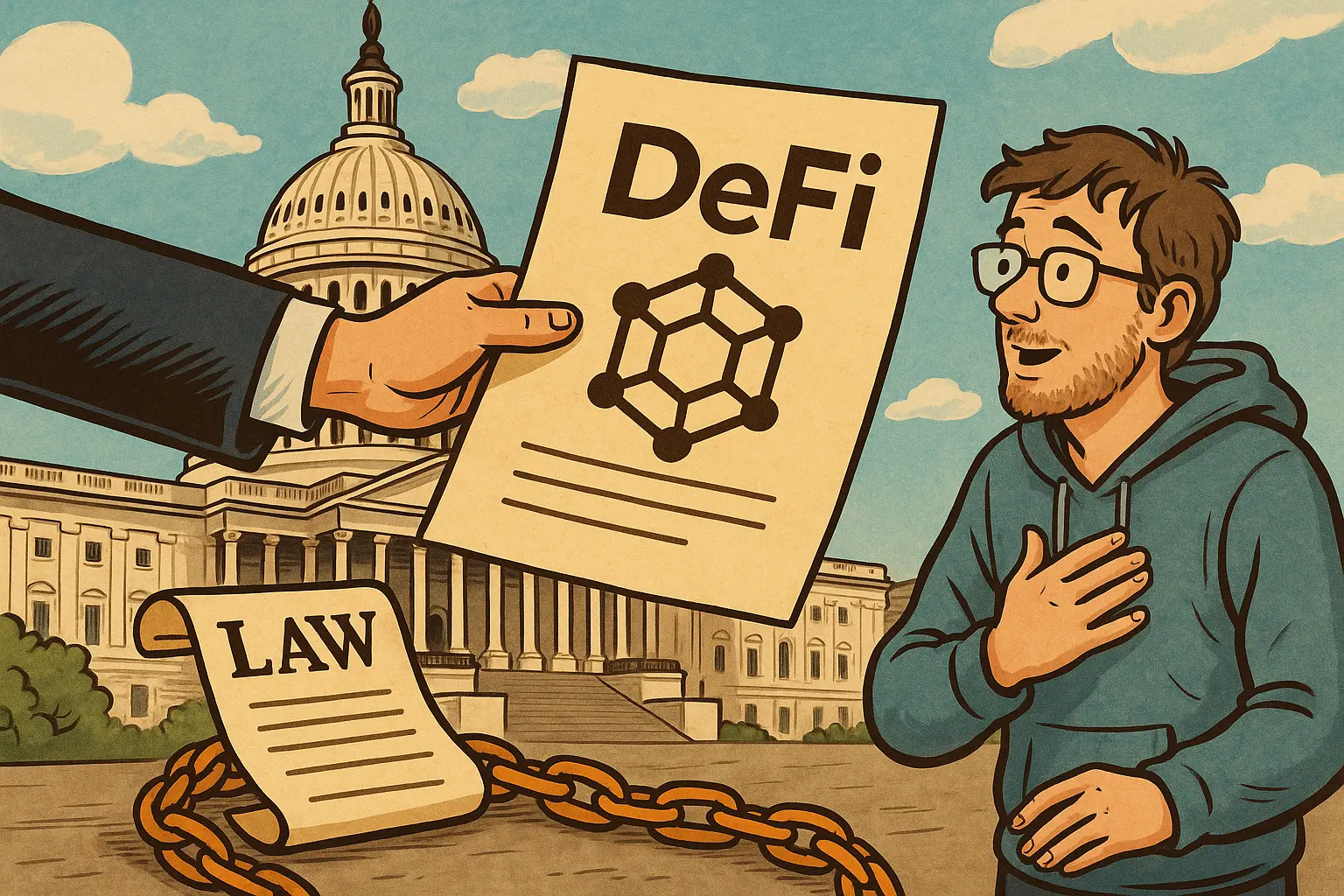
On Thursday, a bipartisan group composed of Representatives Scott Fitzgerald (Republican from Wisconsin), Ben Klein (Republican from Virginia), and Zoe Lofgren (Democrat from California) introduced the “Blockchain Development and Innovation Act” in the House. The bill aims to amend the language of Section 1960 of the U.S. Code to ensure it applies only to individuals who have actual control over others’ funds, thereby formally establishing criminal immunity boundaries for decentralized software developers. The introduction of this bill creates a complex legislative interaction with the currently stalled cryptocurrency market structure bill, and industry stakeholders are closely watching its potential impact on the overall DeFi legislative landscape.
Significance of the Core Provisions of the “Blockchain Development and Innovation Act”
Section 1960 of the U.S. Code defines illegal money remittance businesses and has historically been used to prosecute cryptocurrency software developers. Notable cases include: Roman Storm, the developer of Ethereum privacy tool Tornado Cash, who in 2025 was found guilty by a Manhattan jury of violating Section 1960, despite claiming that the software was decentralized and never held user funds; and two developers of Bitcoin privacy tool Samourai Wallet, who were pressured into guilty pleas by the Department of Justice under the same regulation and are currently serving federal prison sentences.
The proposed DeFi bill seeks to amend the language at its source, explicitly stating that developers who do not hold or control others’ funds should not be considered engaged in currency transfer activities as defined by Section 1960.
Industry advocacy group DeFi Education Fund publicly supports the bill, stating: “This clearly indicates that developers who do not hold or control others’ funds can develop neutral technology domestically without facing criminal prosecution as financial intermediaries.”
Legislative Relationship with the Cryptocurrency Market Structure Bill
A source familiar with the legislative background revealed to the media that this new DeFi bill surpasses the current market structure bill in terms of the strength of its language—though this does not mean that the protections for developers in the market structure bill are too weak, nor that the bill itself will necessarily fail because of this.
The cryptocurrency market structure bill is still expected to include relevant provisions related to Section 1960, but it will do so by adding regulations within the bill framework (e.g., “non-controlling developers should not be considered engaged in currency transfer activities”) rather than directly rewriting the original code. Currently, the main obstacles facing the market structure bill include:
-
Stablecoin Yield Dispute: The banking sector and crypto industry are at odds over whether idle stablecoin yields can be provided to holders, with the White House’s March 1 negotiation deadline approaching.
-
Conflict of Interest Clauses: Senate Democrats and the White House continue to clash over language concerning conflicts of interest related to President Trump’s multiple cryptocurrency investments.
-
DeFi Provisions: Although not finalized, sources suggest that this section is unlikely to be the key factor causing the bill’s ultimate stall.
Legislators have explicitly warned that if significant progress is not made on the market structure bill within the coming weeks, the entire bill could be shelved as Congress enters a legislative deadlock during the spring, triggered by the midterm elections in November.
Frequently Asked Questions
How does the “Blockchain Development and Innovation Act” define the boundaries of “control of funds”?
The bill aims to amend Section 1960 to ensure it only constrains individuals or entities with actual control over others’ funds. For decentralized protocol developers, if their software’s technical architecture does not hold user funds (e.g., purely open-source code tools), they should not be considered engaged in illegal remittance activities. The precise boundaries remain to be clarified in the final legislative text.
Does this DeFi bill affect the passage process of the market structure bill?
Current assessments suggest that protections for DeFi developers in this bill are unlikely to be the main reason for the failure of the market structure bill. The real legislative hurdles are the disagreements over stablecoin yield mechanisms and the conflict of interest language related to Trump’s crypto investments. These issues are far more politically sensitive than the technical protections for DeFi developers.
Will the verdict in the Tornado Cash case change due to this new bill?
The introduction of the bill does not automatically alter existing rulings. Its provisions will apply to future cases once enacted. The case of Tornado Cash developer Roman Storm will not be retroactively affected; however, if the bill ultimately passes, future developers of similar software will have clearer legal protections against criminal liability.
Related Articles
Bitcoin Derivatives Market Undergoes Panic Selling Amid Escalating Geopolitical Tensions
Breaking News》Iranian President Ebrahim Raisi appoints a three-person committee to take over power, potential successors' list revealed
Trump confirms Hamas leader killed, Crypto liquidation exceeds $600 million, Will Iran close the Strait of Hormuz?
Bloomberg: After Iran's Supreme Leader's death, Bitcoin rebounds above $68,000
Trump: Iran's Supreme Leader "Khamenei has died" - Tehran statement is thought-provoking; Bitcoin breaks $67,000, gold and silver rise
Iran's crypto "shadow economy" size reaches $7.78 billion, with the public turning to Bitcoin for risk hedging