


Will Trump go to war with Iran? How will this affect Bitcoin?
Current Situation
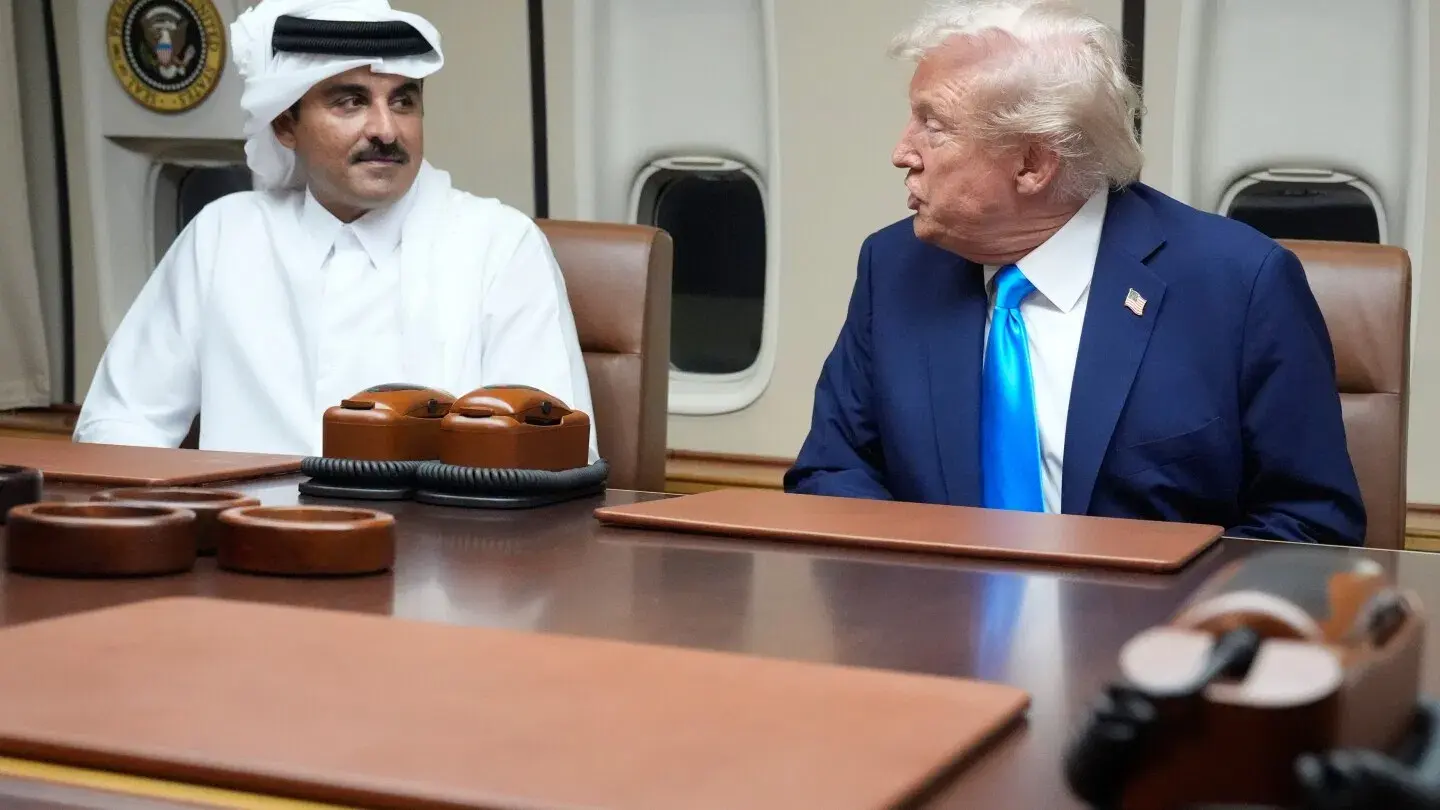
In mid-January 2026, the market is facing not a publicly announced war plan, but a rapid escalation coupled with an intentionally ambiguous official stance: the U.S. has begun withdrawing or advising the withdrawal of some personnel from key Middle Eastern regions, including Al Udeid Air Base in Qatar. According to the Financial Times, approximately 10,000 U.S. military personnel are stationed there; Reuters also pointed out that as regional tensions escalate and Iranian officials warn of retaliation if the U.S. launches strikes against neighboring countries hosting U.S. troops, the U.S. has taken preventive personnel withdrawal measures.
For investors, the most important signal is that these actions are not merely “verbal deterrence” or media operations—relocating personnel and assets incurs high costs in reality and is usually not done solely for show; however, at the same time, these measures do not constitute confirmation of imminent military action, meaning the market is pricing a “probability distribution” rather than a single certain outcome.
Why Such Changes Are Quickly Reflected in Asset Prices
When geopolitical risks rise from background noise to actionable tail risks, the first to react are often assets that directly price uncertainty. This week's market movements exemplify this: Reuters reported that on January 14, 2026, spot gold briefly hit a record high of $4,639.42 per ounce, and spot silver also broke through $90 per ounce for the first time. The rally was attributed to a combination of rate cut expectations and geopolitical uncertainty; the following day, as Trump signaled a “pause and observe” approach, gold retreated and profit-taking occurred.
This process is significant because it indicates that the current market is in a state where investors are willing to pay a premium for safe-haven assets when the situation is unresolved; but once official statements tilt toward de-escalation, panic sentiment can be quickly digested. 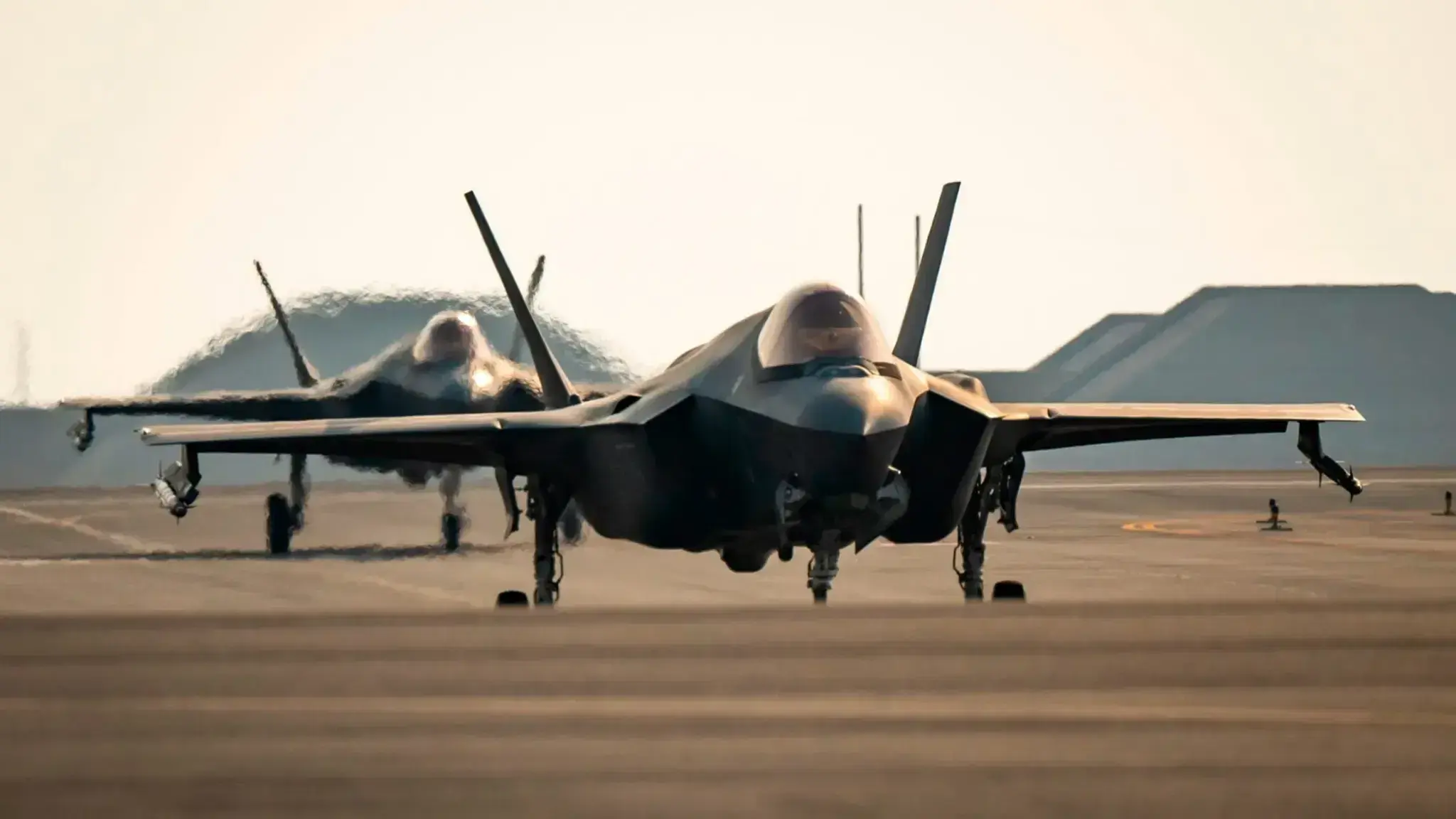
The Position of Bitcoin in This Macro Environment
Bitcoin's response is often simply categorized as “risk asset” or “safe-haven asset,” but a more accurate description is that it is a macro asset highly sensitive to liquidity. Its short-term movements depend on whether the dominant transmission pathway in the market is “panic” (which could strengthen the dollar and tighten financial conditions) or “hedging demand” (which drives funds toward non-sovereign stores of value).
In this round of events, Bitcoin clearly participated in the upward trend of “macro hedge assets.” Bloomberg reported that on January 14, 2026, Bitcoin surged to $97,694 during trading, with a single-day increase of up to 3.9%, reaching the highest level since mid-November; simultaneously, this rally liquidated over $500 million in short crypto options positions, indicating a significant release of market structural pressure.
The Core Issue Is Not “Whether to Use Force,” but “How to Escalate”
For the market, the more tradable question is not whether “Trump will launch strikes,” but rather the nature and scale of potential escalation, and its impact on oil prices, the dollar's trajectory, and global liquidity. Even within the “digital gold” narrative framework, these variables continue to dominate Bitcoin's short-term direction.
If the conflict remains limited in time and does not affect energy supplies, markets can often absorb the shock relatively quickly, especially in a context of accommodative monetary policy expectations; but if escalation involves regional energy disruptions or triggers broader retaliatory actions, risk assets—including highly leveraged positions in crypto markets—may face liquidity tightening pressures.
What to Focus on Next
The key to determining whether the market has moved from a “risk premium phase” into a “crisis mode” is not a single news item, but whether preventive actions evolve into sustained military posture adjustments, and whether official statements become more consistent across agencies. Isolated defensive measures may simply reflect caution, whereas coordinated actions across agencies and regions usually indicate a higher intent to act.
Current public reports show that Reuters emphasizes the preventive evacuations taken in response to Iran's warnings, while the Financial Times and AP focus more on the U.S. efforts to reduce potential retaliation risks. These pieces of information collectively depict a strategy of “preparing for volatility but not yet committing to action.”
Conclusion
From publicly available information, it is impossible to determine whether Trump will definitely take military action against Iran, but the market has already regarded this possibility as an unavoidable risk. This explains why traditional safe-haven assets like gold have hit new highs, and also why Bitcoin has risen to around $97,000 amid macro risk aversion.
The future direction of Bitcoin will likely depend not on a single breaking headline, but on whether the evolving situation increases the probability of energy shocks and dollar strength (which is usually adverse for liquidity-sensitive assets), or further reinforces the hedging demand amid political and monetary uncertainties— in the latter case, Bitcoin has historically benefited alongside gold multiple times.
Related Articles
Hamaney's assassination attempt shocks global markets, Bitcoin drops below $67,000, oil prices and gold surge simultaneously
BTC 15-minute decline of 0.76%: liquidity plummets and market maker strategy failure amplifies short-term selling pressure
The Smarter Web Company increases holdings by 3 Bitcoins, bringing the total to 2,692 Bitcoins
The US-Iran conflict escalation impacts global markets: oil prices surge, Asian stock markets decline, Bitcoin remains steady at $66,000