


Fed internal conflicts intensify! Atlanta Fed President: Zero interest rate cuts may occur by 2026
Atlanta Federal Reserve Chair Raphael Bostic stated that due to the potential upward pressure on inflation from the Republican tax bill, the Federal Reserve is very likely unable to cut interest rates in 2026. He did not include any rate cuts in his forecast for next year, as the Fed must maintain a tightening stance simply to defend the inflation front. This hawkish rhetoric stands in stark contrast to the Fed’s three consecutive rate cuts last week, a decision Bostic does not support.
Tax Reform Bill Becomes New Inflation Engine
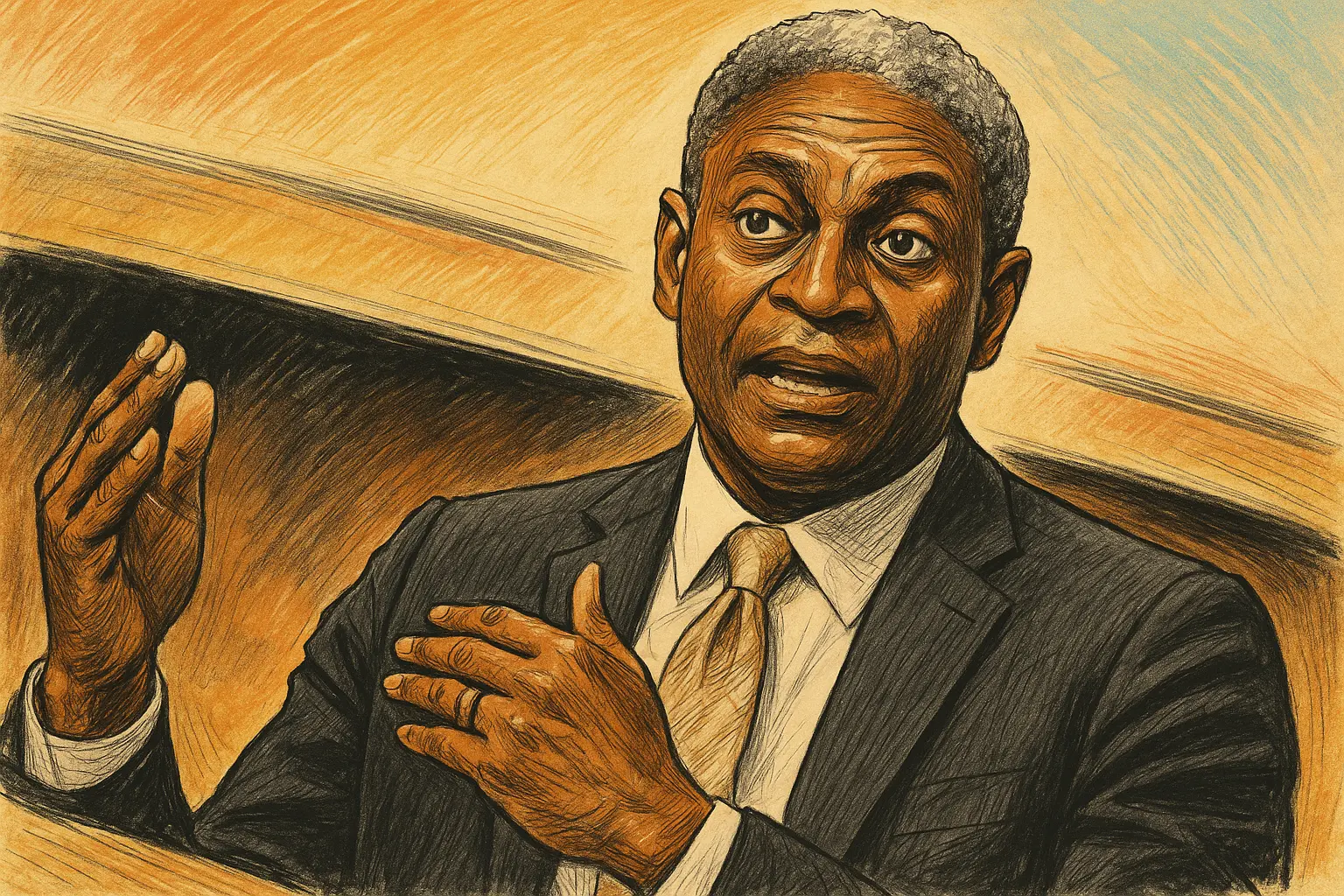
Bostic’s core argument focuses on the inflationary effects of the Republican tax bill. He pointed out that the economic rebound following the record-long government shutdown, along with some stimulative policies in the tax reform bill, should lead to stronger economic growth next year compared to this year. “Many of these factors are about to show effects, and I believe this will inject momentum into the economy and likely exert some upward pressure on inflation.”
This analysis is not unfounded. The Republican-led tax bill typically includes corporate tax cuts and personal income tax reductions, which in the short term stimulate consumption and investment demand. When economic capacity is already near saturation, additional demand stimulation can directly translate into upward price pressures. Bostic’s concern is that the anti-inflation gains painstakingly built over the past two years by the Federal Reserve could be eroded by the side effects of fiscal stimulus policies.
Even more concerning are signals from the corporate sector. Bostic pointed out that many companies have indicated plans to raise product prices in 2026 due to rising raw material costs. These price hikes are not limited to “tariff-focused companies” but are widespread across industries. This broad-based inflation expectation is precisely what monetary policymakers fear as a sign of inflation expectations unanchoring.
Bostic’s Three Pillars of No Rate Cuts Forecast
Stimulus from Tax Reform Boosts Demand: The stimulative effects of the Republican tax bill will be concentrated in 2026, injecting excessive liquidity into the economy
Widespread Corporate Price Hikes: Rising raw material costs are prompting industries to prepare for price increases, solidifying inflation expectations
Recession Risks Have Diminished: Labor market resilience exceeds expectations, with a significant rise in unemployment unlikely to trigger a recession
Inflation Beast Not Dead, Target Not Achieved Until 2028
Bostic used a vivid metaphor to describe the current inflation situation: “I am indeed worried that we may prematurely declare the inflation beast has been vanquished, rather than continuing to manage risks around price stability to ensure it does not spiral out of control again.” This sense of crisis in his wording far exceeds the standard language of the Federal Reserve’s official statements.
His timeline forecast is even more shocking to the market: inflation will not fall to the Fed’s 2% target until 2028. This means that from now on, a full three years of tightening or neutral policies are needed, far beyond the market’s mainstream expectations of rate cuts in 2025-2026. If this prediction proves true, it will fundamentally alter asset valuation logic.
This hawkish stance and divergence from the mainstream Fed view were reflected in last week’s rate decision. The Fed cut the benchmark interest rate for the third consecutive time, lowering the range to 3.5% to 3.75%. However, Bostic explicitly stated that he does not support this rate cut. He believes that the risk of persistent high inflation concerns him more than a softening labor market.
Such internal disagreement is not uncommon. The Federal Open Market Committee (FOMC) decisions are always a compromise of various viewpoints. But when a regional Fed president publicly expresses such strong dissent, it often signals rising uncertainty about future policy paths. Bostic is not a voting member of the FOMC this year, which gives him more freedom to speak, but also means his views currently do not directly influence policy decisions.
Diminished Recession Risks Shift Policy Trade-offs
Another key shift in Bostic’s discourse is his assessment of recession risks. He stated that the U.S. economy no longer faces a significant risk of a recession triggered by a sharp rise in unemployment. This judgment is extremely important because it changes the logic of monetary policy trade-offs.
Over the past year, the core dilemma for the Fed has been: continued tightening could crush the economy and trigger a recession, but easing too early could reignite inflation. When recession risks are high, policy tends to tilt toward preemptive rate cuts. But if recession risks have diminished, policy space can lean toward fighting inflation.
This shift is underpinned by the labor market’s unexpectedly strong resilience. Despite aggressive rate hikes, the U.S. unemployment rate remains at historic lows, job openings far exceed job seekers, and wage growth, while slowing, still exceeds inflation. This “soft landing” scenario allows the Fed to address inflation more calmly without fearing economic collapse.
Bostic is set to leave office when his term ends in February 2026. His departure is not without controversy: he is one of several officials who violated Fed securities trading rules. Although this episode affected his reputation, it did not diminish his market influence in terms of professional judgment. As an outgoing official, his remarks may be even more candid, unencumbered by political considerations.
Market should be alert that while Bostic’s views are currently minority, they may represent the true thoughts of hawkish factions within the FOMC. If inflation data falls short of expectations or the stimulative effects of tax reform become evident, this hawkish perspective could quickly move from fringe to mainstream. For assets relying on low interest rates, the risks of zero rate cuts or even resuming rate hikes are not just alarmist fears.
Related Articles
Non-farm payrolls may unexpectedly increase by only 70,000! White House: It's not an employment recession, but a productivity revolution
Kevin Wash's Federal Reserve New Policy! Using AI to tame inflation, refusing to be a big buyer of U.S. bonds
Charlie Munger: How do I respond when assets drop by 50%?
Wosh is about to succeed as Federal Reserve Chair! The probability of a rate cut in June skyrocketed to 46%, boosting risk assets.
Trump to Announce Federal Reserve Chair! Bitcoin-Friendly Kevin Wash's win rate soars to 95%
Gate Daily (January 30): Trump declares a national emergency and Cuban tariffs; The United States will announce a new chairman of the Federal Reserve next week