


Dalio: "There is only one kind of gold," Bitcoin is not a true safe haven tool for central banks
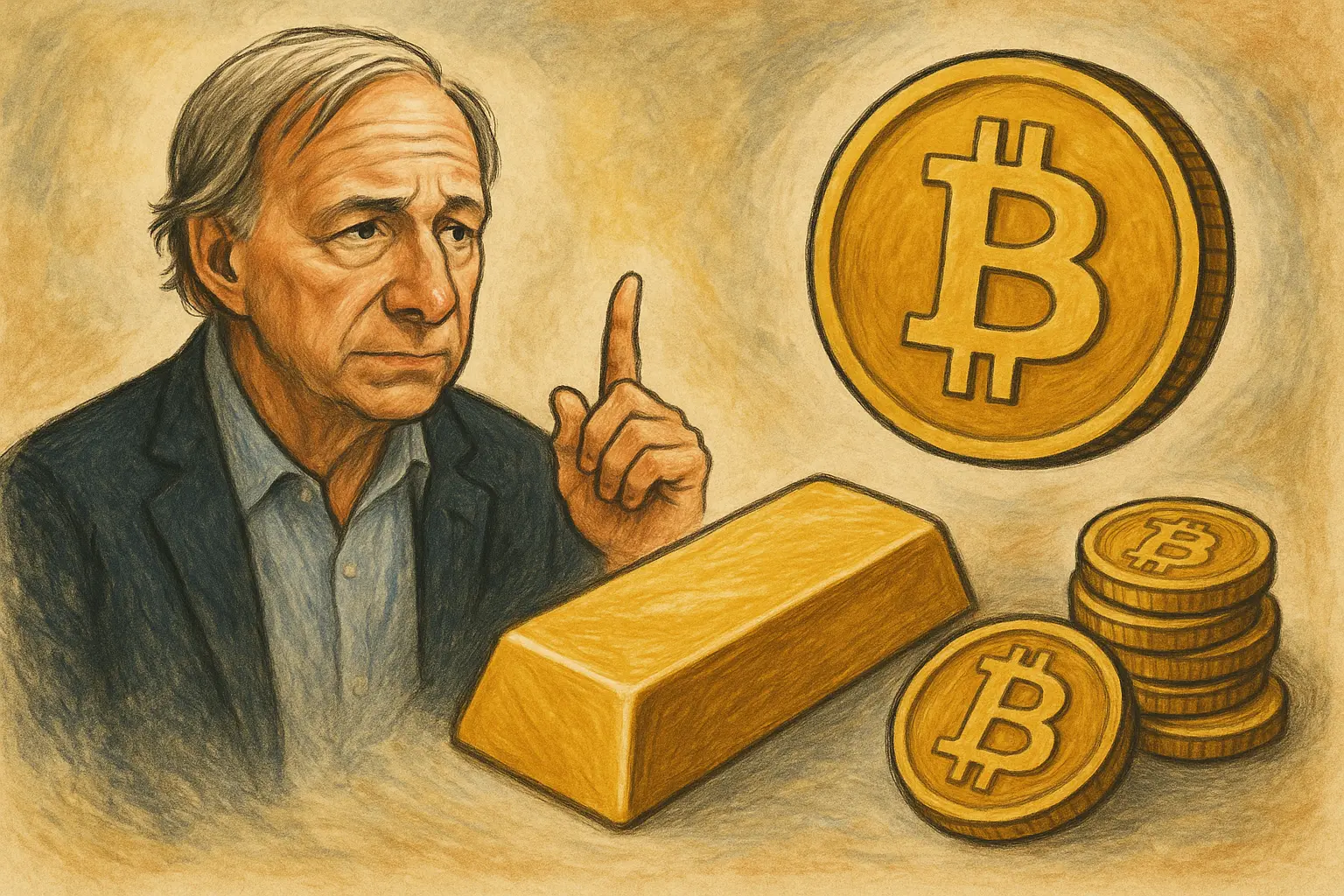
Bridgewater founder Ray Dalio clearly stated on the All-In podcast on Tuesday that he criticizes the idea of viewing Bitcoin as “digital gold.” He emphasized “there is only one gold” and pointed out that gold is the most mature currency and the second-largest reserve currency held by central banks worldwide. Dalio also raised three specific concerns about Bitcoin: lack of central bank support, lack of privacy protections, and potential threats from quantum computing.
Dalio’s Core Argument: The Fundamental Difference Between Gold and Bitcoin
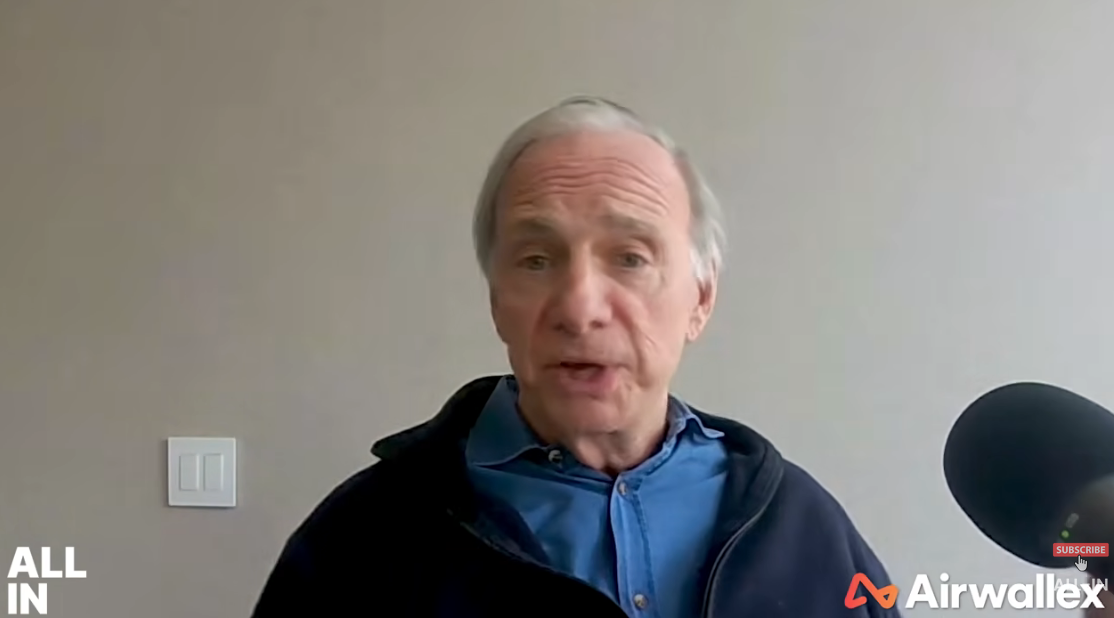
(Source: YouTube)
Dalio explicitly stated in the podcast that gold “is not a speculative precious metal,” but the most mature currency globally. Its status as a reserve asset is the result of a thousand years of accumulation, not market speculation. He said he doesn’t understand why central banks would want to buy and hold Bitcoin long-term.
Dalio raised three specific concerns about Bitcoin: lack of privacy—“any transaction can be monitored,” which is a major limitation for institutions seeking true wealth protection; the threat of quantum computing—future quantum calculations could fundamentally threaten Bitcoin network security; and a high beta coefficient—Bitcoin’s correlation with tech stocks remains high, so when tech stocks are under pressure, Bitcoin holders may be forced to sell simultaneously, breaking its “hedge” characteristic.
It’s worth noting that in July, Dalio suggested allocating 15% of a portfolio to Bitcoin or gold to address the severe debt issues in the U.S. His recent criticism is not a complete rejection of Bitcoin but questions whether it can serve as a true crisis hedge.
Dalio’s Three Major Concerns About Bitcoin
- Lack of Central Bank Support: He doesn’t understand why central banks would hold Bitcoin long-term; gold is the second-largest reserve currency globally.
- Privacy Limitations: Any transaction can be monitored, limiting its function as a true store of wealth.
- Quantum Computing Threat: Future quantum calculations could fundamentally threaten Bitcoin network security.
- High Beta Coefficient: Its high correlation with tech stocks makes it vulnerable to sell-offs during risk-averse market conditions.
Collapse of the World Order: The Decoupling of Gold and Bitcoin Speaks Volumes
Dalio’s warnings are not isolated but part of his broader macro perspective. Last month, he warned investors that the “world order” led by the U.S. for nearly a century has “collapsed,” and investors must rethink how to protect wealth amid geopolitical conflicts and economic chaos.
His macro views are being confirmed by market data. From July to early October, Bitcoin and gold moved up together; but after October, they began to diverge significantly: Bitcoin has fallen over 45% from its October high to around $68,420, while gold has risen over 30% during the same period, surpassing $5,120 per ounce. This decoupling directly supports Dalio’s core point that “there is only one gold”—in times of intense geopolitical conflict and systemic risk, gold demonstrates an independent safe-haven quality that Bitcoin lacks.
Frequently Asked Questions
Q: Why does Dalio believe gold is a better hedge asset?
Dalio believes gold is the most mature currency recognized by central banks worldwide, with a thousand-year reserve history and institutional backing. Bitcoin lacks central bank support, has transparency issues in transactions that limit its wealth protection function, and faces potential threats from quantum computing. These structural differences prevent Bitcoin from being true “digital gold.”
Q: Why did gold and Bitcoin decouple after October?
Dalio’s framework offers an explanation: Bitcoin’s high correlation with tech stocks makes it behave more like a high-risk asset during geopolitical conflicts and risk-off sentiment. Meanwhile, gold, as a reserve currency recognized by central banks, attracts institutional defensive allocations when systemic risks rise.
Q: Is Dalio completely negative on Bitcoin?
Not entirely. In July, he recommended allocating 15% of a portfolio to Bitcoin or gold. His main concern is whether Bitcoin can serve as a true crisis hedge and long-term store of value, rather than denying its role as a speculative or diversification asset.
Related Articles
QCP: Bitcoin remains resilient amid the Hormuz crisis, while AI and tech industries come under pressure
Bitmine buys the dip again! Tom Lee is optimistic about Ethereum with "three major bullish factors" supporting it
Dark Week for Asian Stocks! Korea locks out margin traders, Taiwan's many frogs are crying out, and Japan's NISA investors are feeling the pain of the stock market crash
BTC 15-minute increase of 0.83%: Short covering and on-chain large funds resonate to drive the move
ETF Frenzy for Capital Inflow, Strong Bearish Momentum in Futures: Bitcoin Surges Past $69,000, Can the Short-term Rebound Continue?
Goldman Sachs CEO Solomon Warns: US-Iran War Impact Could Trigger Several Weeks of Continuous Crypto Market Decline