


Banking giants turn to digital finance! Barclays Bank explores stablecoin payment infrastructure, with partners to be selected as early as April.
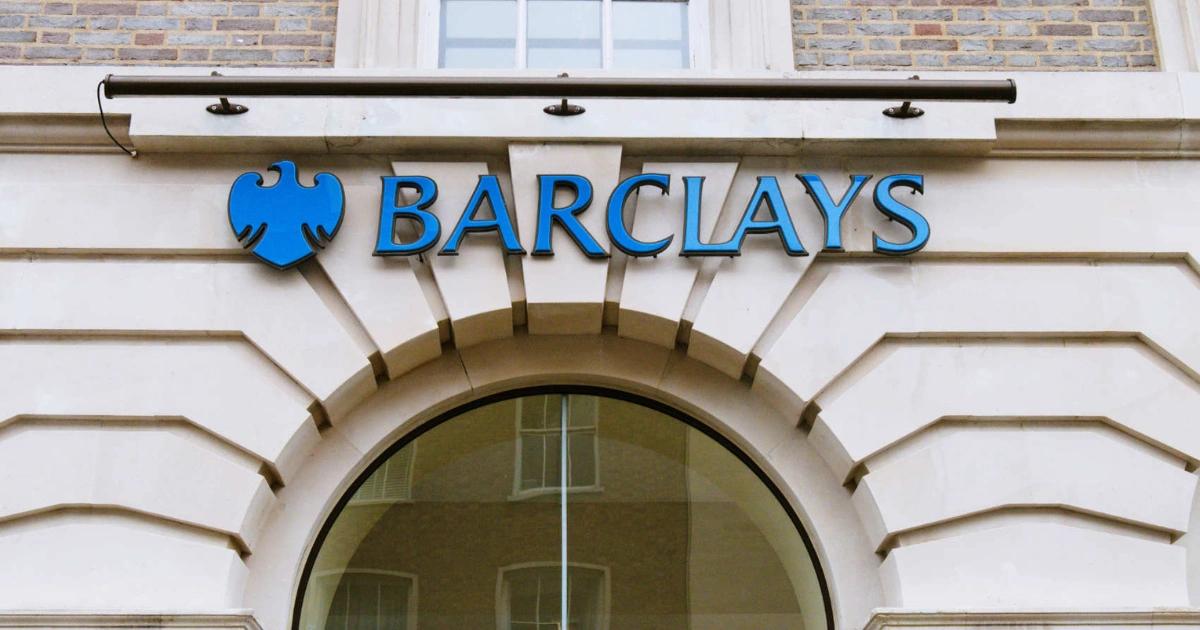
Barclays Launches Blockchain Infrastructure Development to Support Stablecoins and Tokenized Deposits, Aiming to Complete Technology Selection by 2026 to Lead Digital Financial Transformation.
Initiates Technology Vendor Selection, Accelerates Digital Asset Infrastructure Deployment
According to Bloomberg, UK multinational bank Barclays is actively exploring the development of a new blockchain-based platform to optimize existing payment and deposit management systems. The London-based financial institution has issued Requests for Information (RFIs) to multiple technology providers seeking infrastructure solutions capable of handling digital assets such as stablecoins and “tokenized deposits.”
Reports indicate that the bank expects to complete partner selection by April 2026 and officially choose its technology vendors. This move demonstrates Barclays’ efforts to integrate distributed ledger technology (DLT) into its core banking functions to meet the growing demand for digital assets.
The core goal of this initiative is to deeply integrate traditional financial systems with blockchain technology to enable 24/7 real-time settlement. By building its own blockchain infrastructure, Barclays aims to significantly reduce the costs of domestic and international fund transfers and modernize its overall infrastructure. The system under evaluation will support regulated stablecoins and handle tokenized deposits, meaning traditional bank account balances will be recorded on the blockchain network.
This model allows banks to maintain existing regulatory and compliance frameworks while leveraging blockchain features to improve transfer efficiency. The infrastructure aims to pave the way for future adoption of central bank digital currencies (CBDCs) and private stablecoins, reflecting Barclays’ strategic deployment for future financial infrastructure transformation.
From Cautious to Proactive: Catching Up in the Global Banking Blockchain Race
Barclays’ move signifies a major shift in its strategic approach. The bank has transitioned from early cautious observation to a more direct and proactive experimentation stance. This change is driven by the need to keep pace with global financial peers, such as JPMorgan Chase and HSBC, which have already deployed blockchain solutions in payments and settlement. JPMorgan launched its JPM Coin in 2019 for corporate settlement, recently expanding it across different blockchain networks to realize a connected digital currency ecosystem. Barclays is accelerating its investments in related infrastructure to stay competitive in financial technology transformation.
Looking back at Barclays’ digital asset progress, the bank joined a consortium of multiple banks in October 2025 to research and design reserve-backed digital currencies operable on public blockchains. The project focuses on assets pegged to G7 currencies, aiming to improve international settlement speed and reduce costs.
Global stablecoin transaction volumes continue to grow, and traditional banks recognize that digitalization is an irreversible trend. Without providing digital services, banks risk losing deposits to private stablecoin issuers. Therefore, Barclays is building its own blockchain platform to connect digital wallets with traditional accounts, ensuring its competitiveness in the digital finance industry.
Strategic Investment in Digital Settlement Platforms, Focusing on Tokenized Deposits and Interoperability
Barclays has a clear track record in digital asset deployment. In January, the bank announced a strategic investment in U.S.-based stablecoin settlement startup Ubyx, marking its first direct investment in a company focused on stablecoin technology. Ubyx offers a global clearing system for tokenized deposits and regulated stablecoins, with Barclays aiming to develop new digital currencies compliant with regulations.
Ryan Hayward, Head of Digital Assets and Strategic Investments at Barclays, stated that as the environment for tokens, blockchain, and wallets evolves, specialized technology will play a key role in providing connectivity and infrastructure, enabling regulated financial institutions to interact seamlessly.
Barclays believes that “interoperability” is essential for the large-scale adoption of digital assets. Tokenized deposits and stablecoins differ:
- Stablecoins are typically issued by private companies and backed by reserves;
- Tokenized deposits represent digital versions of traditional bank accounts on the blockchain.
The system Barclays is building will support both models, allowing customers to enjoy blockchain benefits while maintaining the security of traditional banking. This strategy aims to strengthen existing deposit systems by collaborating with technology providers like Ubyx, enabling digital wallets and traditional bank accounts to interconnect and unlock the potential of digital assets.
Further Reading
Barclays Invests in Ubyx! Partners with U.S. Startup to Explore Compliant Stablecoins and Tokenized Deposits
Regulatory Framework Matures, Expect Explosive Growth in Stablecoin Settlement Volumes
Another driver for Barclays’ blockchain initiatives is the evolving regulatory environment. The U.S. passed the GENIUS Act, establishing a legal framework for dollar-pegged tokens, prompting major global financial institutions to reassess their digital asset strategies. As regulatory uncertainties diminish, institutional confidence in blockchain technology has surged. Data shows that stablecoins like $USDT and $USDC are rapidly gaining prominence in global payments.
Bloomberg Intelligence analysts estimate that by the end of 2030, stablecoin payment volumes could exceed $50 trillion annually.
The total market cap of stablecoins is approaching $310 billion. Citibank’s baseline forecast suggests stablecoin issuance could reach $1.9 trillion by 2030, with optimistic scenarios approaching $4 trillion. Additionally, U.S. Treasury Secretary Scott Bessent has predicted stablecoin market cap could surpass $2 trillion by 2028.
This explosive growth outlook compels traditional financial giants like Barclays to establish infrastructure early to handle future large-scale fund transfers. This move is both a technological upgrade and a defensive strategy to protect core banking businesses from losing funds to digital dollar products outside the banking system.
Modernizing Financial Infrastructure: Challenges for Traditional Banks in Digital Transformation
Blockchain technology offers efficiency gains but also presents transformation pressures. Standard Chartered warns that if stablecoins gain wider adoption, up to $500 billion could shift from U.S. traditional bank deposits to tokenized alternatives. This liquidity shift threatens banks’ deposit bases and payment systems—two pillars of their business models. Barclays is leveraging DLT to optimize internal processes, making settlement systems more transparent and efficient than traditional wire transfers.
Existing financial processes involve many intermediaries, leading to slow settlement and high costs. Barclays is building its own blockchain infrastructure to eliminate unnecessary middlemen and automate financial transactions.
As regulators continue discussions on stablecoin incentives and market structures, the compliance advantage of traditional banks will become a competitive edge. This plan reflects the industry’s recognition of blockchain’s practical utility and suggests that the line between traditional finance and decentralized technology will become increasingly blurred.
Related Articles
Avalanche Gains Momentum as Progmat Launches Dedicated L1 for Japan’s $2B+ RWAs
Coming as early as Q2! Japan's SBI will launch the Japanese Yen stablecoin "JPYSC".
European multi-bank joint stablecoin issuer Qivalis expands to 12 members, negotiating with exchanges to launch in the second half of the year
European Banking Union advances euro stablecoin plan, with giants like ING and UniCredit aiming for launch in 2026