


U.S. Strategic Bitcoin Reserves May Shrink by 30%, Bitfinex Compensation Ruling Pending
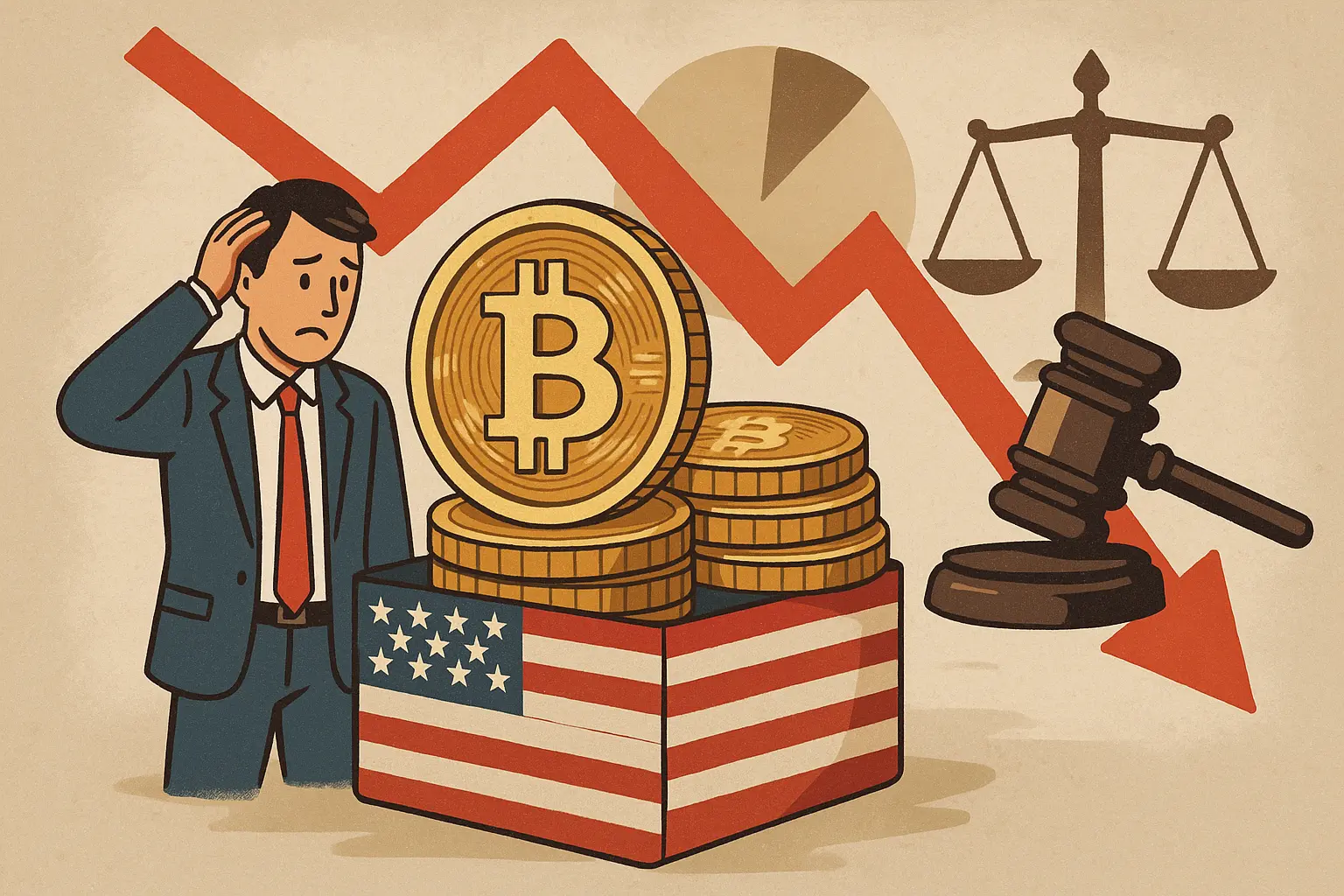
According to public data, the U.S. government currently controls approximately 328,372 Bitcoins (BTC). Based on the current market price of about $65,842, the total reserve value is roughly $21.6 billion. However, about 94,643 BTC (approximately 30% of the total holdings) originate from assets recovered in the 2016 Bitfinex hack, with their final ownership still pending a federal court ruling.
Legal Structure of the Reserve: The Uncertain Ownership of the 30% Holding
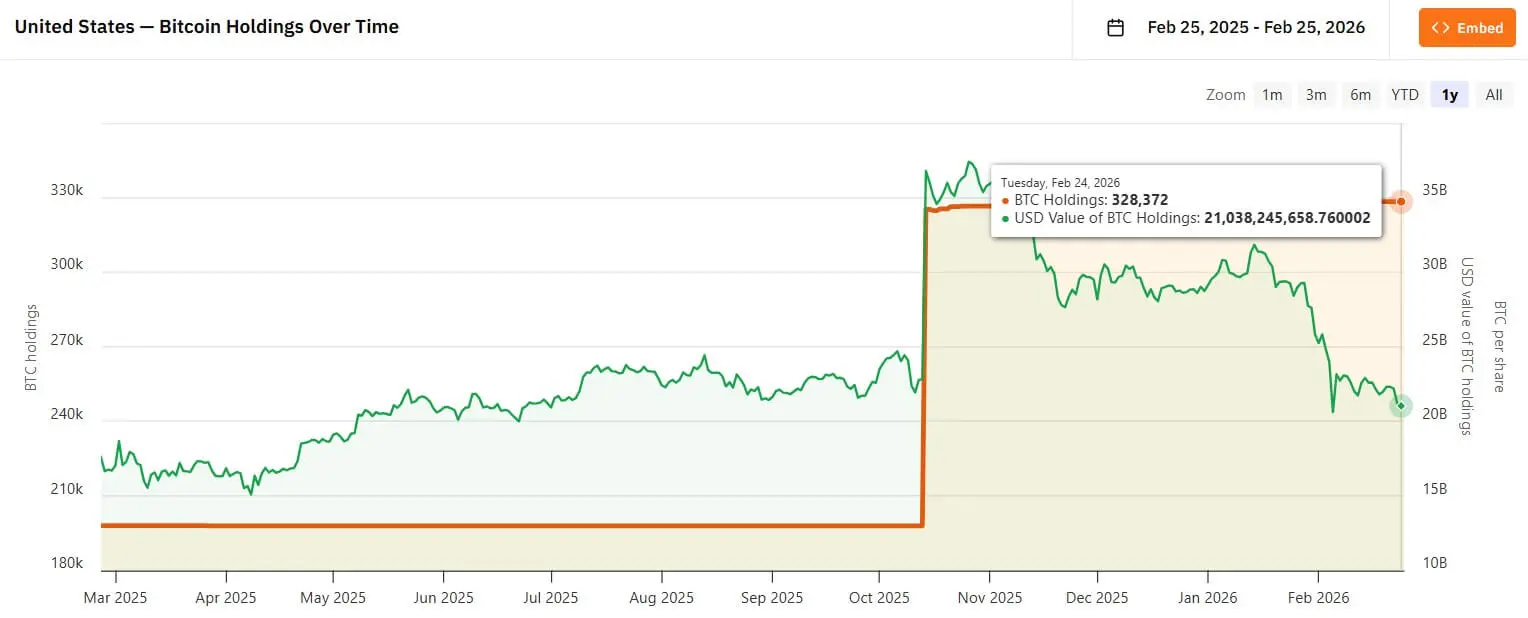 (Source: Bitcoin Treasuries)
Last year, President Trump signed an executive order establishing the U.S. Strategic Bitcoin Reserve, instructing the Treasury to consolidate the government-held BTC into a dedicated reserve account and promising that the U.S. would not proactively sell. However, the order also includes a key exception: assets can be returned to identifiable and verifiable crime victims if ordered by a court with jurisdiction.
This exception directly pertains to the 94,643 BTC recovered from the Bitfinex hack. If the court rules that physical restitution is appropriate, the reserve amount would automatically decrease to about 234,000 BTC. It’s important to note that this is not “the U.S. selling Bitcoin”—rather, it is a lawful process of returning assets to victims, essentially a judicial restitution rather than a sovereign asset liquidation.
Legal Uncertainty and Competing Claims in the Bitfinex Case
In August 2016, the cryptocurrency exchange Bitfinex was hacked, losing 119,754 BTC, making it one of the largest Bitcoin thefts in history. In February 2022, U.S. authorities recovered about 94,643 BTC related to the case. By January 2025, prosecutors officially applied to a federal court for the return via “physical restitution”—meaning directly returning BTC rather than selling for dollars.
The core dispute in this case concerns the recognition of the restitution recipients:
- Bitfinex’s position: The company absorbed the loss through internal mechanisms and compensated users, claiming that the ultimate economic loss was borne by the company and that it should receive the restitution.
- Individual users’ position: Some users believe the stolen assets belong to them personally and should be directly compensated.
- Legal procedural status: Third parties claiming rights can file claims in auxiliary proceedings, which remains a key point of contention.
Until the court issues a final ruling or the parties reach a settlement, the approximately 94,643 BTC are effectively frozen in legal limbo—neither part of a definitive strategic reserve nor fully transferred as restitution.
LEO Token: Market Pre-Pricing of Court Rulings
Bitfinex and its parent company iFinex’s platform token, UNUS SED LEO (LEO), currently acts as a “market proxy” for the court’s decision outcome. Bitfinex has publicly stated that once the recovered BTC are received, 80% of the net proceeds will be used for LEO buybacks and burns within 18 months.
Vetle Lunde, head of research at K33 Research, estimates that an 80% allocation corresponds to about 75,000 BTC, roughly valued at $5 billion at current prices. Additionally, the buyback mechanism from trading revenue supports a reasonable valuation of approximately $125 million.
However, LEO’s current market cap is about $8 billion, with only $7.1 million in 24-hour trading volume, indicating extremely low liquidity. Lunde points out that the trading price of LEO implies a premium of about 60% over its fair value, the highest since the case first came to light in 2022, with a highly concentrated ownership structure that could severely distort market pricing.
Even if the court rules in favor of Bitfinex and the 75,000 BTC are disposed of over 18 months, averaging about 139 BTC per day, the actual impact on the overall market supply would be relatively limited.
Frequently Asked Questions
Is the “30% reduction” of the U.S. Strategic Bitcoin Reserve a certainty?
Not yet. The court has not issued a final ruling on Bitfinex’s claim. The “30% reduction” describes a theoretical adjustment of the reserve’s digital assets contingent upon a court ruling that restitution should be made to Bitfinex or its users. The executive order explicitly permits such lawful restitution, but the final outcome depends on judicial proceedings.
What impact would executing the restitution of BTC via “physical return” have on the market?
If restitution is made directly in BTC (BTC-for-BTC), decision-making authority shifts to the recipient (Bitfinex or individual users), rather than through a government-led public auction. If Bitfinex receives BTC and follows its planned buyback and burn scheme, the related BTC would likely be disposed of gradually rather than in a large-scale dump, limiting immediate supply shocks. However, the narrative and psychological effects could be significant.
What risks does the market premium of LEO reflect?
The current 60% premium indicates the market is pre-pricing the “final recovery” outcome for Bitfinex, including expectations of future buybacks and burns. However, the very low daily trading volume makes LEO’s price susceptible to manipulation by a few large holders. If the court rules unfavorably for Bitfinex or the restitution amount falls short of expectations, the premium could quickly diminish.
Related Articles
Overview of popular cryptocurrencies on March 5, 2026, with the top three in popularity being: Bitcoin, Ethereum, XRP
LM Funding America: Sells 18.1 BTC and extends the $11 million Galaxy Digital loan to April 24
February Cryptocurrency Mining: Profits Drop to Historic Lows, Bitdeer Liquidates BTC but Dominates Hashrate
Strategy's STRC Preferred Stock Emerges as Yield Backbone for Stablecoin Ecosystem
Multiple major short whales are being liquidated one after another, with the largest single liquidation whale on the entire network reaching a total liquidation scale of $15.7 million.
Bitwise donates $233,000 to Bitcoin open-source developers, marking their second annual donation round.