


Rejects Meta's billion-dollar invitation, OpenClaw creators join OpenAI to ignite a talent war
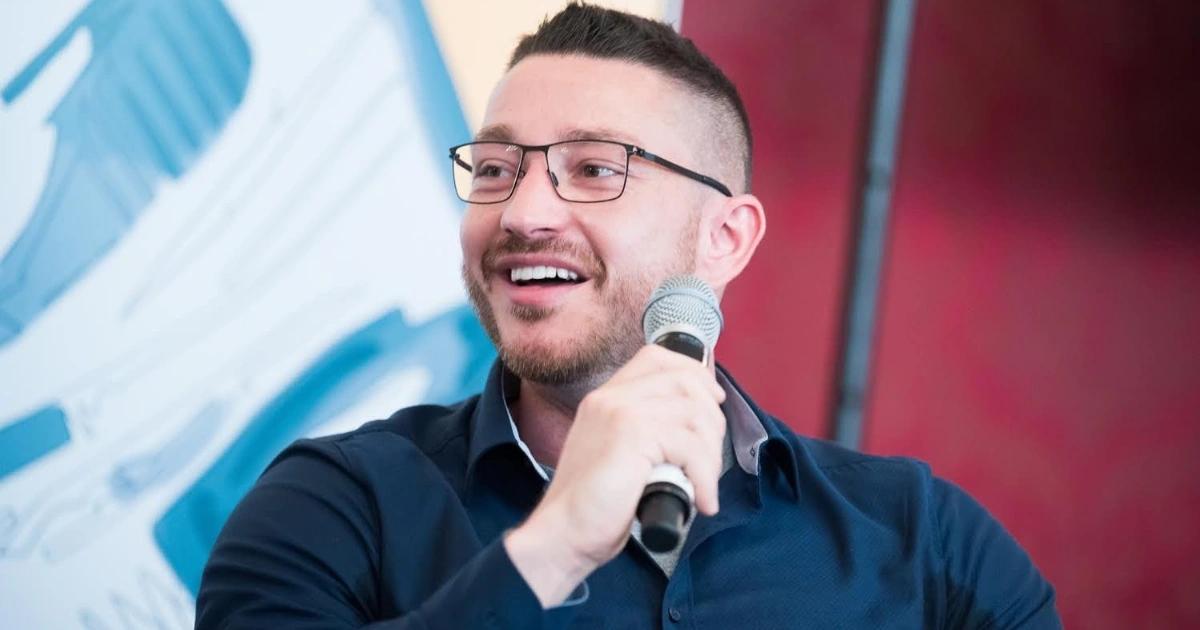
OpenAI has hired Peter Steinberger, founder of OpenClaw, to bet on open-source AI agents, setting off a new round of competition for talent and computing power in Silicon Valley.
Silicon Valley tech giants are in a war for talent
OpenAI CEO Sam Altman officially announced on the X platform on February 15, 2026, that Peter Steinberger, a senior software engineer from Austria, will join the OpenAI team to lead the research and development of the next generation of personal AI assistants. This technical genius who is well-known in the developer community is the creator of OpenClaw, an open-source AI agent project that has recently caused a stir.
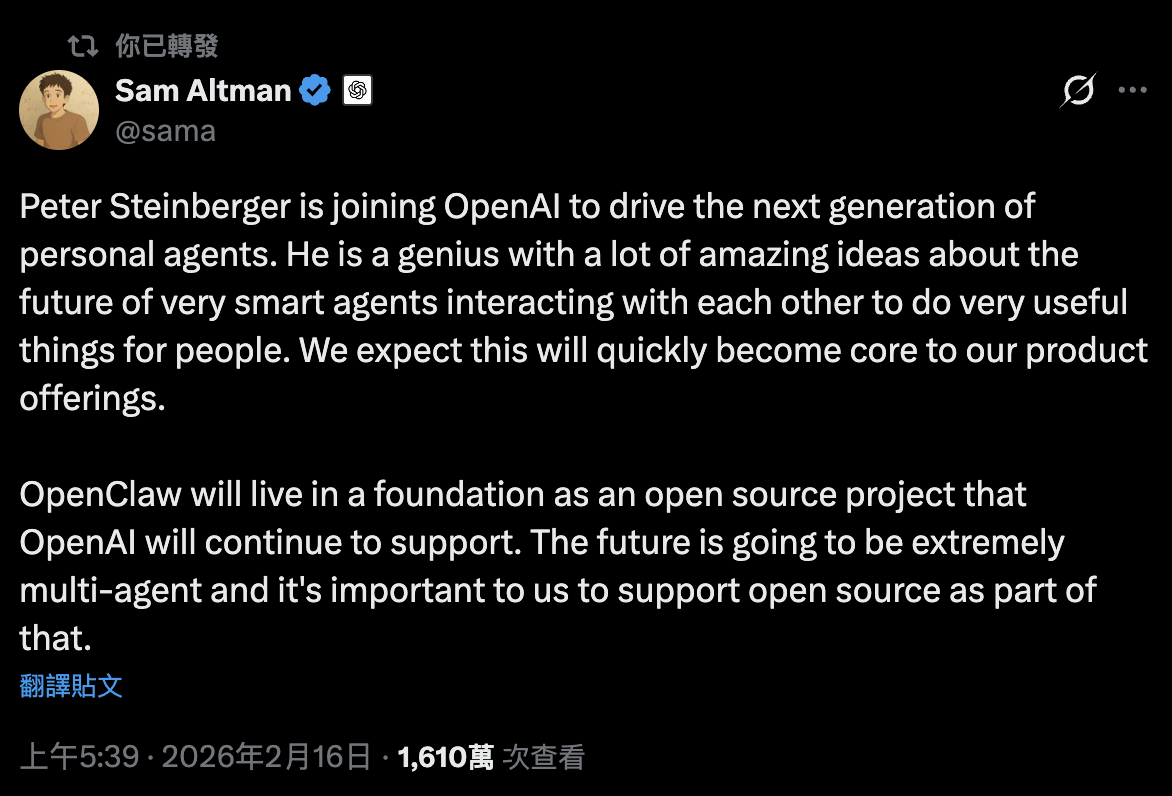
Source: X/@sama OpenAI CEO Sam Altman announced that Peter Steinberger, a senior software engineer from Austria, will join the OpenAI team
Altman pointed out that Steinberger has unique insights into how multiple intelligent agents work together to complete complex tasks, and its technical strength will accelerate the evolution of OpenAI’s product line. Prior to joining the AI industry, Steinberger founded and operated PSPDFKit, a document processing toolset that has been deployed on more than 1 billion devices for 13 years. After exiting his previous entrepreneurial journey at the end of 2025, he began developing a side project codenamed Clawdbot and promoted it to a global phenomenon in just a few months.
So far, OpenClaw has accumulated an astonishing 198,000 stars on GitHub and has surpassed 200 website visits, making it a core target for major Silicon Valley laboratories to recruit.
Further reading
Behind the popularity of Clawdbot: The project made by the founder after he became wealthy and freed only took 1 hour to create a prototype
Stick to the open source bottom line and reject Meta’s takeover offer
With the rapid rise of OpenClaw, both Meta and OpenAI have shown high acquisition interest in it. In an in-depth interview with Lex Fridman, Steinberger revealed that Meta CEO Mark Zuckerberg had personally contacted him via WhatsApp, and the two even engaged in a heated debate over the performance of Claude Opus and GPT Codex.
Despite Meta’s billions of preferential conditions, Steinberger still insists that the project must remain open source and proposes an operating model similar to Chrome and Chromium, believing that this technology is too important to human society and should not be monopolized by a single giant.**In the end, he chose to join OpenAI, mainly attracted by the substantive conditions proposed by Sam Altman, including providing powerful computing resources linked to the Cerebras transaction, which would significantly improve the performance of AI agents when handling real-world tasks.**Although the project is still losing around 10,000 to 20,000 per month, he chose to return all sponsorship funds to the underlying developers, demonstrating a deep commitment to the open source ecosystem.
Faced with the serious challenges of trademark disputes and crypto fraud
OpenClaw’s journey to fame was marked by hardships, as the project initially faced trademark lawsuits due to names too close to Anthropic’s product, Claude, forcing Steinberger to change its name frequently. During his second rebranding to MoltBot, he was subjected to extremely professional and brutal cryptocurrency scam attacks. The fraudulent bot quickly snatched relevant accounts and hijacked NPM software packages while he was operating account migration, and even spread malicious code on GitHub, turning his social media into a fraudulent propaganda tool.
The attack, which he described as the worst online harassment in his life, even made him consider deleting the project entirely. In order to successfully establish the current OpenClaw brand, he was forced to adopt high-level confidentiality measures like military operations, switching names and setting up multiple cover accounts on multiple platforms simultaneously before finally escaping the sniper of the fraud group. This experience made him feel more vulnerable to developers in the era of automated attacks, and also made him more convinced that advanced proxy technology must be used to combat these threats.
Redefine the application ecosystem and technology vision
**Steinberger is a staunch “Agentic Engineering” promoter who refuses to use the derogatory term “vibe coding” to describe his development model.**He set a record of 6,600 code updates submitted in January 2026 and relied heavily on AI conversations to write programs.believes that the core value of developers should lie in architectural thinking rather than simple typing.
In response to future technology trends, he proposed a shocking perspective, predicting that AI agents will wipe out 80% of applications in the market. He believes that existing apps are just slow interfaces, and proactive agents can handle complex transactions directly through APIs.
In the future, users will move away from the tedious process of manually operating MyFitnessPal or Uber Eats, and the AI assistant will automatically and proactively manage meal reservations and schedules based on the user’s sleep data, stress levels, and geographic location. With his official login to OpenAI, the battle for future AI agent dominance has entered a new stage of competition.