
Cơ bản
Giao ngay
Giao dịch tiền điện tử một cách tự do
Giao dịch ký quỹ
Tăng lợi nhuận của bạn với đòn bẩy
Chuyển đổi và Đầu tư định kỳ
0 Fees
Giao dịch bất kể khối lượng không mất phí không trượt giá
ETF
Sản phẩm ETF có thuộc tính đòn bẩy giao dịch giao ngay không cần vay không cháy tải khoản
Giao dịch trước giờ mở cửa
Giao dịch token mới trước niêm yết
Futures
Truy cập hàng trăm hợp đồng vĩnh cửu
CFD
Vàng
Một nền tảng cho tài sản truyền thống
Quyền chọn
Hot
Giao dịch với các quyền chọn kiểu Châu Âu
Tài khoản hợp nhất
Tối đa hóa hiệu quả sử dụng vốn của bạn
Giao dịch demo
Giới thiệu về Giao dịch hợp đồng tương lai
Nắm vững kỹ năng giao dịch hợp đồng từ đầu
Sự kiện tương lai
Tham gia sự kiện để nhận phần thưởng
Giao dịch demo
Sử dụng tiền ảo để trải nghiệm giao dịch không rủi ro
CFD
Phái sinh Hợp đồng Chênh lệch Cổ phiếu
Cổ phiếu Hoa Kỳ
Tiếp cận cổ phiếu và quỹ ETF thực của Hoa Kỳ
Cổ phiếu Hongkong
Giao dịch cổ phiếu chất lượng được niêm yết tại Hongkong
Cổ phiếu Hàn Quốc
SK Hynix
Giao dịch cổ phiếu Hàn Quốc thực và đầu tư vào các tài sản phổ biến
Futures cổ phiếu
Đòn bẩy cao, giao dịch 24/7
Cổ phiếu token hóa
Được hỗ trợ bởi tài sản cổ phiếu thực
IPO Access
Mở khóa quyền truy cập đầy đủ vào các IPO cổ phiếu toàn cầu
GUSD
3.8%
Đúc GUSD để nhận lợi suất từ RWA kho bạc
Hoạt động cổ phiếu
Giao dịch cổ phiếu phổ biến và nhận airdrop hấp dẫn
Launch
CandyDrop
Sưu tập kẹo để kiếm airdrop
Launchpool
Thế chấp nhanh, kiếm token mới tiềm năng
HODLer Airdrop
Nắm giữ GT và nhận được airdrop lớn miễn phí
IPO Access
Mở khóa quyền truy cập đầy đủ vào các IPO cổ phiếu toàn cầu
Điểm Alpha
Giao dịch trên chuỗi và nhận airdrop
Điểm Futures
Kiếm điểm futures và nhận phần thưởng airdrop
Đầu tư
Simple Earn
Kiếm lãi từ các token nhàn rỗi
Đầu tư tự động
Đầu tư tự động một cách thường xuyên.
Sản phẩm tiền kép
Kiếm lợi nhuận từ biến động thị trường
Soft Staking
Kiếm phần thưởng với staking linh hoạt
Vay Crypto
0 Fees
Thế chấp một loại tiền điện tử để vay một loại khác
Trung tâm cho vay
Trung tâm cho vay một cửa
Trung tâm tài sản VIP
4%
Lãi suất 4% APY cho USDT (Có thời hạn)
Gate Wealth
Nắm quyền kiểm soát tương lai tài chính của bạn
Quỹ định lượng
Chiến lược định lượng hàng đầu
Staking
Stake tiền điện tử để kiếm tiền từ các sản phẩm PoS
Đòn bẩy thông minh
Đòn bẩy không thanh lý
GUSD
3.8%
Nạp & đổi bất cứ lúc nào, miễn phí đổi


Khuyến mãi
AI
Gate AI
Trợ lý AI đa năng đồng hành cùng bạn
Gate AI Bot
Sử dụng Gate AI trực tiếp trong ứng dụng xã hội của bạn
GateClaw
Gate Tôm hùm xanh, mở hộp là dùng ngay
Gate for AI Agent
Hạ tầng AI, Gate MCP, Skills và CLI
Gate Skills Hub
Hơn 10.000 kỹ năng
Từ văn phòng đến giao dịch, thư viện kỹ năng một cửa giúp AI tiện lợi hơn


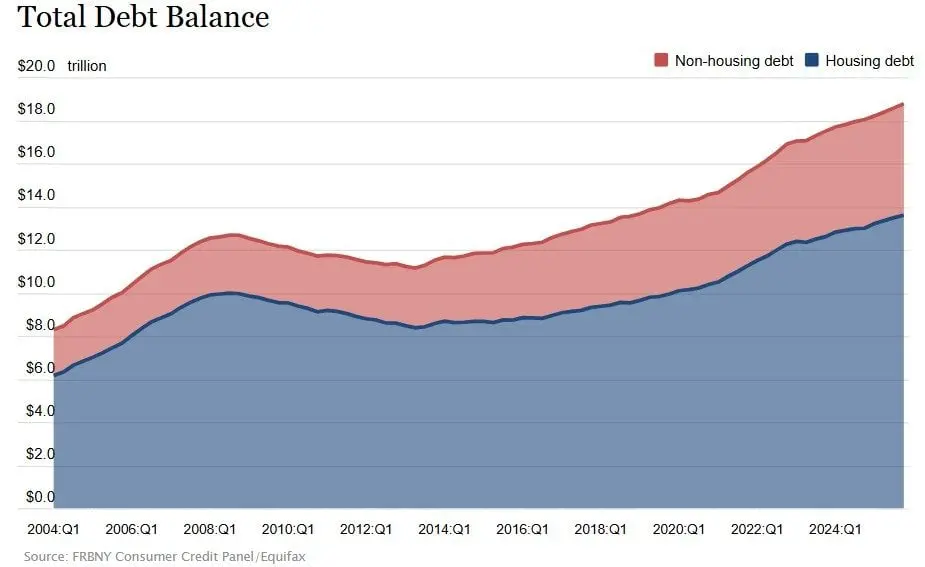 Trực quan hóa hai thập kỷ nợ tiêu dùng tăng ở Mỹ.
Con số tổng hợp phản ánh một nhóm người tiêu dùng đang vay để bù vào khoảng cách ngày càng nới rộng giữa thu nhập và chi tiêu. Tỷ lệ tiết kiệm cá nhân giảm xuống 4,0% trong quý đầu năm 2026, từ mức 6,2% ở đầu năm 2024, theo dữ liệu của Cục Phân tích Kinh tế Mỹ (Bureau of Economic Analysis).
Trực quan hóa hai thập kỷ nợ tiêu dùng tăng ở Mỹ.
Con số tổng hợp phản ánh một nhóm người tiêu dùng đang vay để bù vào khoảng cách ngày càng nới rộng giữa thu nhập và chi tiêu. Tỷ lệ tiết kiệm cá nhân giảm xuống 4,0% trong quý đầu năm 2026, từ mức 6,2% ở đầu năm 2024, theo dữ liệu của Cục Phân tích Kinh tế Mỹ (Bureau of Economic Analysis).