




#Gate13thAnniversary
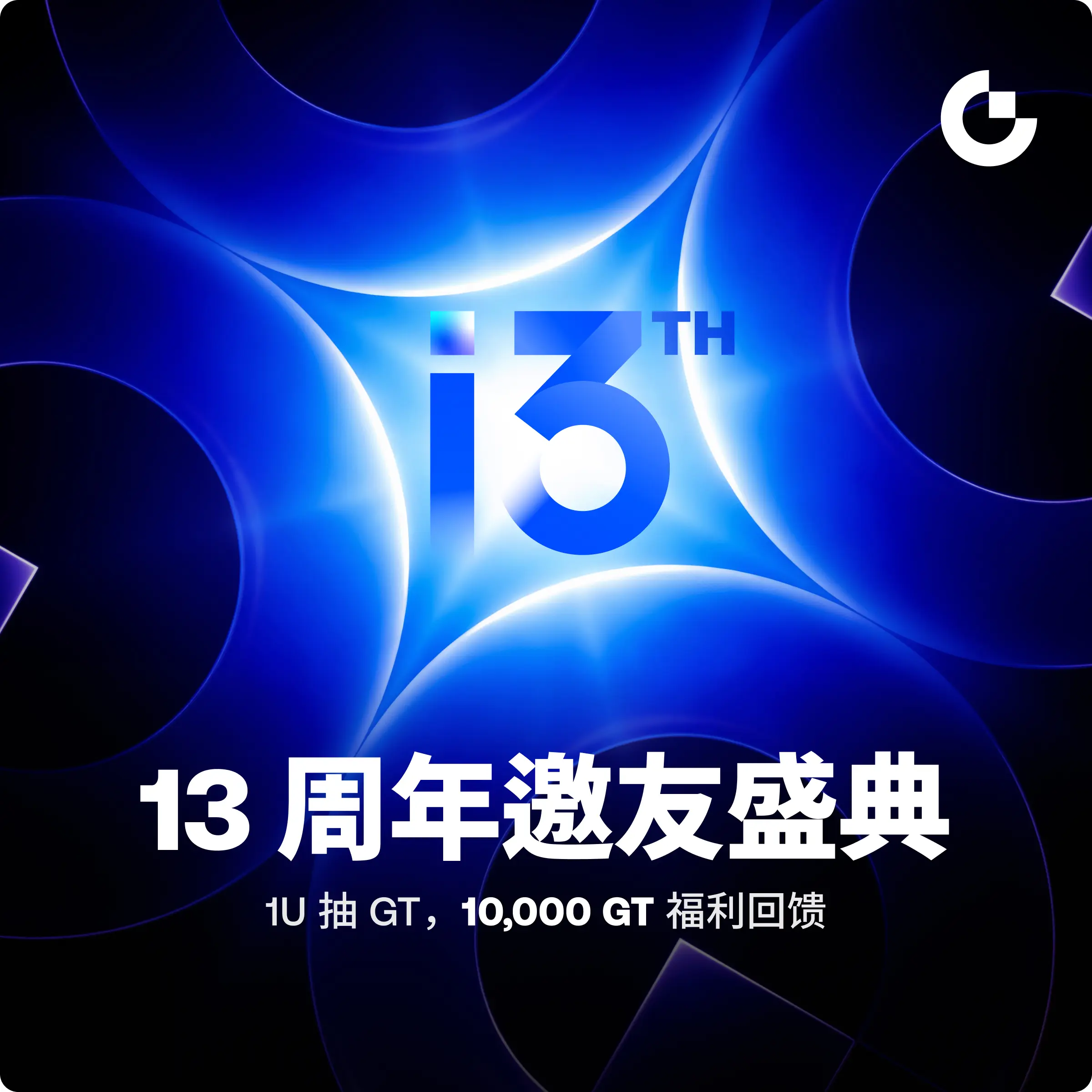
#Gate13thAnniversary | Celebrating 13 Years of Gate.io Excellence 🚀
Today marks a powerful milestone in the crypto industry as Gate.io completes 13 years of innovation, resilience, and global impact. From its early foundation in 2013 to becoming one of the world’s leading digital asset exchanges, Gate has consistently shaped the future of crypto trading with vision, technology, and trust.
Over the years, Gate has evolved beyond just an exchange — it has become a complete digital finance ecosystem. With deep liquidity, strong security architecture, a vast range of listed assets, and continuous product innovation, it has built a global community of millions of traders and investors.
📊 Market Impact & Growth Perspective Gate’s journey reflects the broader evolution of the crypto market itself — from early volatility phases to today’s more structured, institution-driven environment. Its ability to adapt through bull and bear cycles highlights strong operational resilience and long-term strategic planning.
🔐 Security & Trust In an industry where trust is everything, Gate has maintained a strong focus on asset protection, risk control systems, and transparent operations, which has helped it earn long-standing user confidence.
🌍 Global Expansion With a rapidly growing international presence, Gate continues to bridge traditional finance and decentralized ecosystems, offering access to thousands of tokens, futures markets, and innovative Web3 products.
🎉 Congratulations Message On this special occasion, we extend our heartfelt congratulations to the entire Gate.io team. Your dedication, innovation, and consistency over 13 years have made a lasting mark on the crypto world.
May the coming years bring even greater success, stronger adoption, and continued leadership in the global digital asset space.
Happy 13th Anniversary, Gate.io! 🚀
Here’s to the future of finance.
#Gate13thAnniversary | Celebrating 13 Years of Gate.io Excellence 🚀
Today marks a powerful milestone in the crypto industry as Gate.io completes 13 years of innovation, resilience, and global impact. From its early foundation in 2013 to becoming one of the world’s leading digital asset exchanges, Gate has consistently shaped the future of crypto trading with vision, technology, and trust.
Over the years, Gate has evolved beyond just an exchange — it has become a complete digital finance ecosystem. With deep liquidity, strong security architecture, a vast range of listed assets, and continuous product innovation, it has built a global community of millions of traders and investors.
📊 Market Impact & Growth Perspective Gate’s journey reflects the broader evolution of the crypto market itself — from early volatility phases to today’s more structured, institution-driven environment. Its ability to adapt through bull and bear cycles highlights strong operational resilience and long-term strategic planning.
🔐 Security & Trust In an industry where trust is everything, Gate has maintained a strong focus on asset protection, risk control systems, and transparent operations, which has helped it earn long-standing user confidence.
🌍 Global Expansion With a rapidly growing international presence, Gate continues to bridge traditional finance and decentralized ecosystems, offering access to thousands of tokens, futures markets, and innovative Web3 products.
🎉 Congratulations Message On this special occasion, we extend our heartfelt congratulations to the entire Gate.io team. Your dedication, innovation, and consistency over 13 years have made a lasting mark on the crypto world.
May the coming years bring even greater success, stronger adoption, and continued leadership in the global digital asset space.
Happy 13th Anniversary, Gate.io! 🚀
Here’s to the future of finance.