
On April 15, the U.S. tax filing day, Nicholas Anthony, a researcher at the Cato Institute, published an analysis report stating that the current U.S. capital gains tax rules require reporting the acquisition date, the expenditure (spending) date, the original cost, and the profit or loss for each individual bitcoin transaction. The report calculates using the example of making small purchases with bitcoin on a daily basis, and the total filing documents at year-end exceed 100 pages.
IRS Filing Rules and the Burden of Bitcoin Transaction Documentation
According to the analysis report published by Nicholas Anthony at the Cato Institute, under current U.S. tax law, each bitcoin transaction is subject to a capital gains tax filing obligation, requiring records of the following four data points: acquisition date, expenditure date, cost basis (Cost Basis), and the amount of profit or loss, and filing through IRS Form 8949 and Form 1040 Schedule D.
The report directly quotes Nicholas Anthony’s statement: “The purpose of setting capital gains tax rates is to encourage long-term holding. Given that the long-term holding policy suppresses conduct that is typically viewed as currency use, this policy distortion is especially evident in the realm of money.”
Three Policy Solutions: Including Threshold Adjustments in the “Virtual Currency Tax Fairness Act”
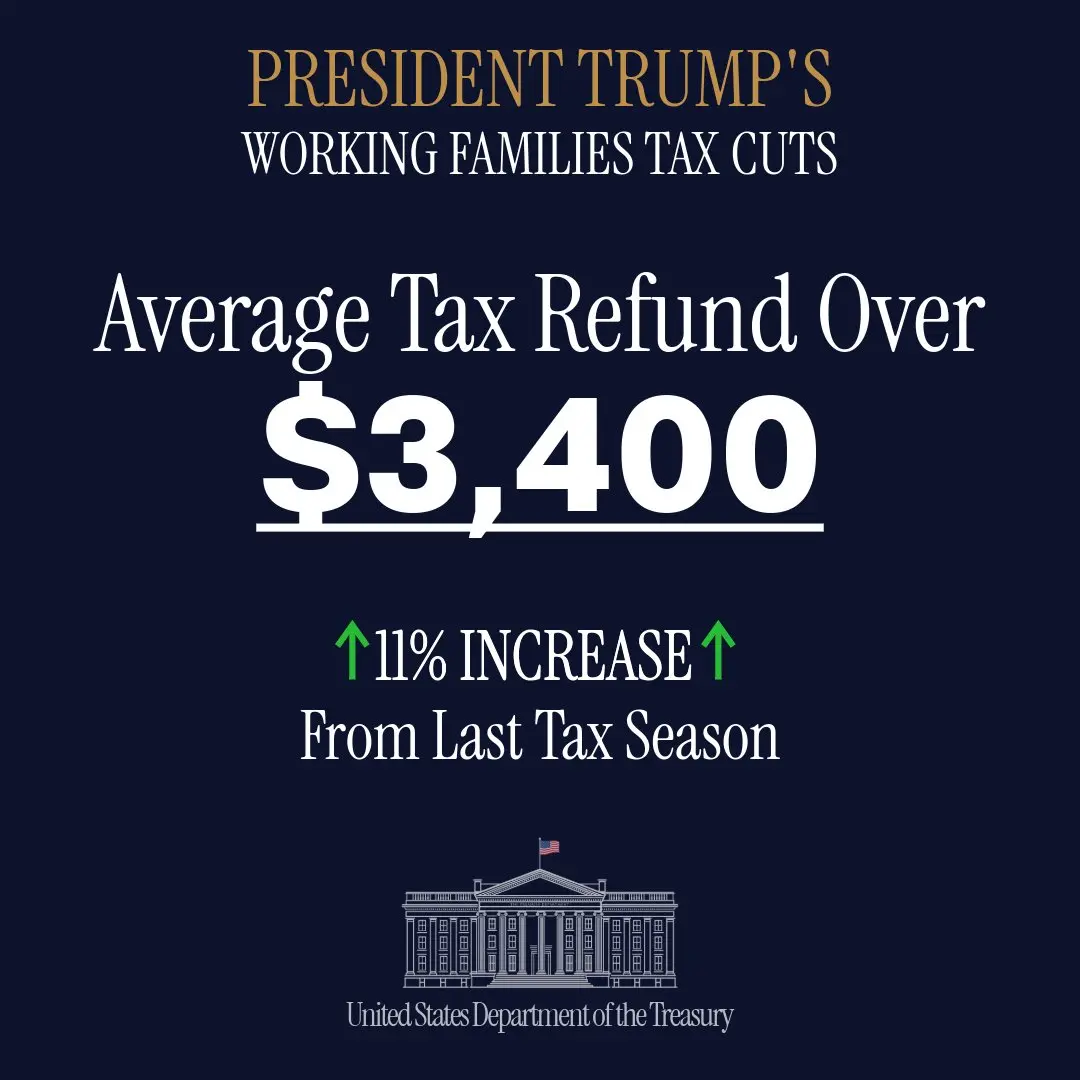 (Source: Scott Bessent)
According to Nicholas Anthony’s Cato Institute report, under the current tax system, the following policy options exist:
· Completely repeal the capital gains tax
· Establish a special exemption for capital gains from cryptocurrency and foreign currencies
· Advance the “Virtual Currency Tax Fairness Act”
The report notes that the “Virtual Currency Tax Fairness Act” currently intends to set a minimum exemption for收益(gains) below $200. In the report, Nicholas Anthony recommends raising this threshold to a level consistent with the average annual household spending in the United States (about $80k).
Current State of Bitcoin Payment Infrastructure
According to relevant reporting, Square has launched a no-fee bitcoin payment service at merchants’ point-of-sale terminals. Bull Bitcoin, Zeus, and Trezor have also rolled out self-hosted wallet products to optimize consumers’ bitcoin on-chain spending workflows.
Frequently Asked Questions
Which IRS tax forms must U.S. bitcoin users file?
According to Nicholas Anthony’s analysis report from the Cato Institute, each bitcoin transaction must be reported in IRS Form 8949 and Form 1040, Attachment D (Schedule D), including the acquisition date, expenditure date, cost basis, and profit or loss amount. The reporting requirements are the same as those for traditional capital assets such as stocks.
What is the current exemption threshold for the “Virtual Currency Tax Fairness Act,” and what does the Cato Institute recommend?
According to the report Nicholas Anthony published at the Cato Institute, the “Virtual Currency Tax Fairness Act” currently intends to set a minimum exemption for cryptocurrency transaction gains below $200. In the report, Nicholas Anthony recommends raising the threshold to about $80k to correspond to the average annual household spending level in the United States.
What areas does U.S. Treasury Secretary Scott Bessent’s statement on April 15, tax filing day cover?
According to relevant reporting, on April 15, Scott Bessent issued a statement regarding the “Working Families Tax Relief Act,” saying that tens of millions of U.S. working families have received more after-tax income. The statement does not address issues related to capital gains tax on bitcoin or cryptocurrency.
Disclaimer: The information on this page may come from third parties and does not represent the views or opinions of Gate. The content displayed on this page is for reference only and does not constitute any financial, investment, or legal advice. Gate does not guarantee the accuracy or completeness of the information and shall not be liable for any losses arising from the use of this information. Virtual asset investments carry high risks and are subject to significant price volatility. You may lose all of your invested principal. Please fully understand the relevant risks and make prudent decisions based on your own financial situation and risk tolerance. For details, please refer to
Disclaimer.
Related Articles
Galaxy Research Chief: U.S. OFAC Sanctions List Involves 518 Bitcoin Addresses
The U.S. Treasury's OFAC sanctions list includes 518 Bitcoin addresses that have significantly engaged in crypto transactions, currently holding about 9,306 BTC valued at $707 million, highlighting the relationship between cryptocurrency and financial regulation.
GateNews1h ago
SEC Crypto Shift Clarifies Rules Without Blanket Approval
The SEC has adopted a more lenient stance on crypto regulation, allowing some interfaces to operate without broker-dealer registration, but has not given blanket approval for the industry. Recent guidance clarifies how crypto assets are categorized, emphasizing that federal securities laws apply mainly to digital securities. Enforcement activity has decreased as the agency focuses on fraud and market integrity.
CryptoFrontier11h ago
Polish lawmakers want to overturn the president’s veto of the cryptocurrency bill but failed again in their latest attempt to push it through.
Poland’s parliament failed to override the president’s veto of the cryptocurrency regulatory bill, stalling the process of digital-asset legislation and making it one of the few countries in the EU that has not yet implemented the MiCA framework. Differences between the president and the government over the bill’s content led to a political stalemate, affecting market confidence and legal transparency.
ChainNewsAbmedia12h ago
Polish Parliament Fails to Override President's Veto on Crypto Law; PM Alleges Russian Interference
Polish lawmakers failed to override President Nawrocki's veto on a cryptocurrency regulation bill aimed at aligning with EU standards. Tensions rise as accusations emerge of Russian influence in a major crypto exchange amid liquidity issues and lack of regulation.
GateNews14h ago
White House Mediates Clarity Act Stablecoin Dispute, Witt Reveals Legislative Timeline
Patrick Witt announced at the Solana Policy Institute summit that the White House mediated a stablecoin dispute to advance the Clarity Act. The compromise allows banks and crypto firms to together address regulatory concerns, with future focus on crypto taxation and blockchain integration strategies among financial institutions.
GateNews21h ago
Hong Kong SFC Investment Committee Warns Prediction Market Trading May Constitute Illegal Gambling
The Hong Kong SFC warns that prediction markets are speculative and not investment products, lacking regulatory protection. They involve gambling elements, potentially making them illegal. The committee urges the public to differentiate between investment and gambling.
GateNews23h ago


