


Stripe negotiations to acquire PayPal fall through, sources deny the talks
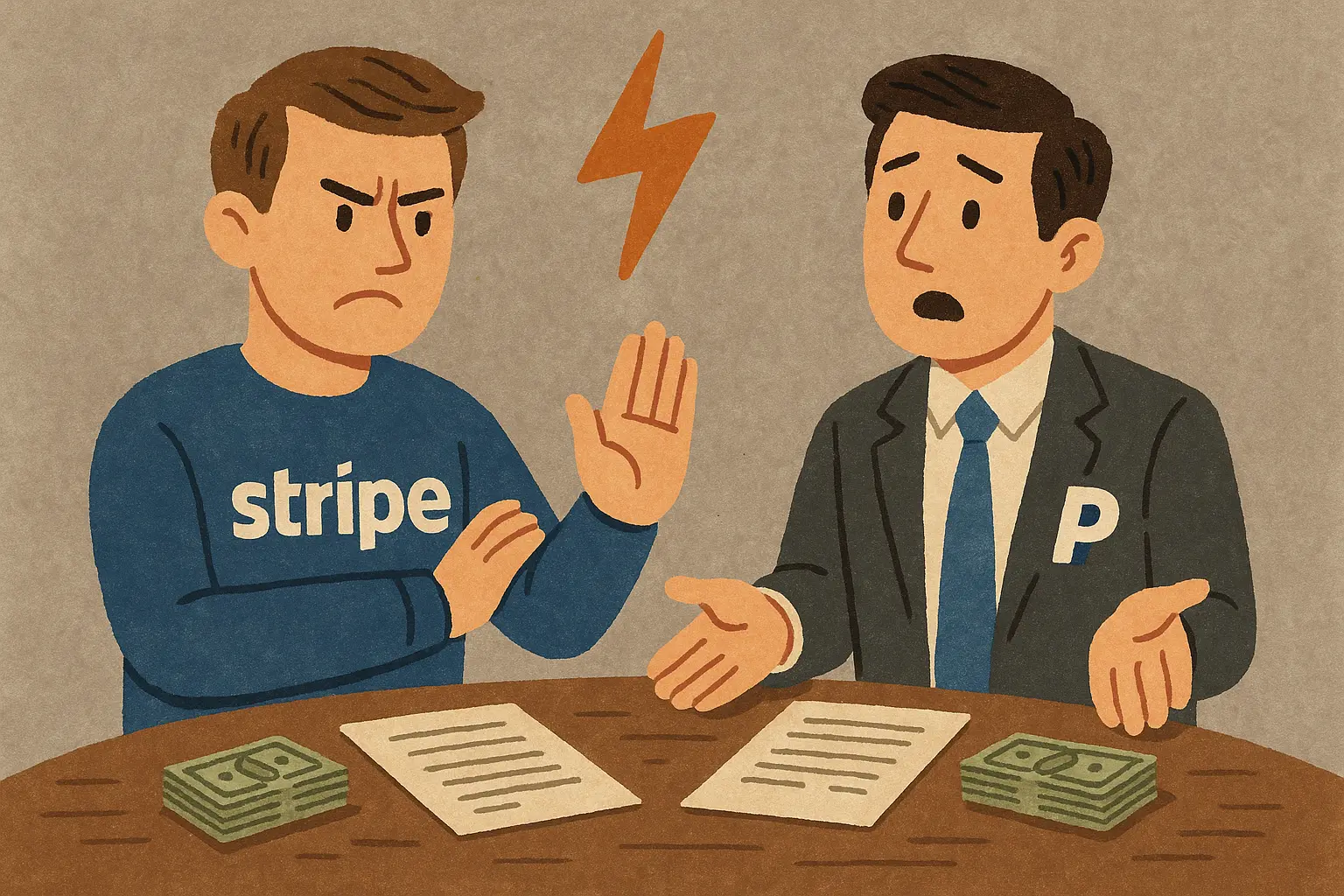
According to U.S. media outlet Semafor on February 27, PayPal is not currently in negotiations to sell to Stripe or any other company, nor does it have plans to sell itself. This statement directly contradicts earlier rumors from this week. Sources familiar with the matter reveal that PayPal has been working with bankers for several months to prepare defenses against potential aggressive investor actions or unwelcome acquisition offers, rather than actively seeking a sale.
Semafor Report: Insiders Deny Bloomberg Acquisition Rumors
Citing sources familiar with the matter, Semafor reports that PayPal’s cooperation with bankers began during former CEO Alex Chriss’s tenure. At that time, PayPal’s stock price had plummeted, and executives were concerned that this situation exposed the company to the risk of a passive takeover, prompting them to initiate defensive measures. Alex Chriss was replaced earlier this year, with new CEO Enrique Lores expected to officially take over next week. PayPal declined to comment on Semafor’s report, and Stripe has not issued any public statements regarding either Bloomberg’s or Semafor’s reports.
Key Discrepancies Between the Two Reports
Bloomberg (earlier this week): Stripe is considering acquiring all or part of PayPal’s business, and preliminary discussions have taken place.
Semafor (February 27): Insiders deny any negotiations, and PayPal currently has no plans to sell.
PayPal’s official stance: No comment; insiders emphasize that the hiring of bankers is for defensive purposes, not active sale preparations.
Stripe’s official stance: No public response to either report.
PayPal’s Defensive Strategy: Deeper Financial Structural Challenges
Analysts point out that even if Stripe is interested in acquiring PayPal, the lack of cooperation from PayPal makes such an acquisition highly challenging both technically and financially. As a private company, Stripe cannot pay with its own shares and would need to rely on large-scale debt financing; the absence of active cooperation from PayPal further complicates hostile takeover efforts.
Historically, such large acquisitions of publicly traded companies by private firms are rare and typically require complex financial arrangements. For example, Dell’s 2016 buyout of EMC involved tracking stock mechanisms, and the 2025 family-controlled Mars Inc.’s cash acquisition of Kellanova both required active cooperation from the target and substantial funding.
If Stripe is genuinely interested in PayPal’s extensive user base and payment channels, any formal negotiations would only begin after PayPal completes a management transition. Once Enrique Lores establishes a new strategic direction, external acquisition interests could be seriously evaluated.
Frequently Asked Questions
Q: Why is PayPal hiring bankers if it has no plans to sell?
Sources reveal that PayPal’s hiring of bankers is a defensive move, mainly to prepare for potential pressure from aggressive investors or unwelcome acquisition offers. This action was initiated during a period of significant stock price decline, aiming to establish a defensive framework rather than actively seeking buyers.
Q: What financial challenges does Stripe face in acquiring PayPal?
As a private company, Stripe cannot pay with its own shares and would need to rely on large debt financing. Coupled with PayPal’s lack of willingness to sell and the absence of active cooperation, such an acquisition faces high financial and legal hurdles. Similar large-scale acquisitions of public companies by private firms are extremely rare.
Q: How should we interpret the contradiction between Semafor and Bloomberg reports?
The two reports come from different insiders, possibly reflecting different levels of internal and external information: Bloomberg’s report may stem from initial signals of interest from Stripe, while Semafor’s denial comes from internal PayPal sources emphasizing that the company has never had active sale intentions. PayPal has declined to comment on both reports, and the final outcome remains to be seen.