


BlockFills suspends withdrawals after a $75 million loss; CEO resigns
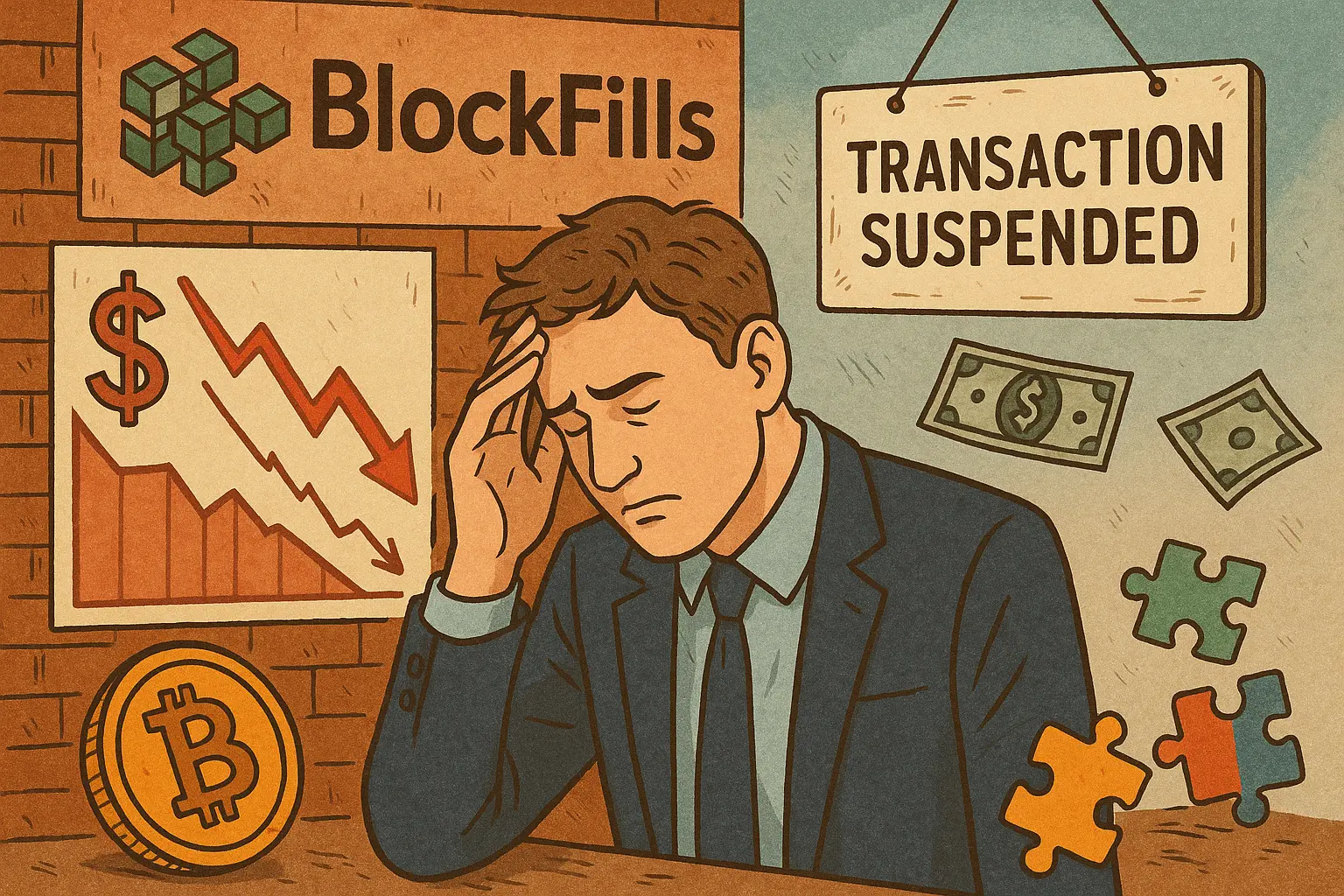
Chicago-based cryptocurrency liquidity provider and lending firm BlockFills has suspended all customer deposits and withdrawals starting February 11. Co-founder and CEO Nicholas Hammer subsequently resigned, with Joseph Perry appointed as interim CEO. The company reports approximately $75 million in losses from its crypto asset lending business, and withdrawal functions remain halted as it seeks buyers or strategic investors.
Timeline of Events: Causes of Loss, Freeze Decision, and Leadership Change
BlockFills primarily serves hedge funds, asset management firms, and high-net-worth institutional traders, focusing on liquidity provision and crypto asset collateralized lending. During a market downturn, the value of crypto collateral provided by borrowers continued to decline, causing loan coverage ratios to fall below minimum thresholds, ultimately resulting in an unrecoverable loss of about $75 million.
Notably, before the company officially announced the freeze, some clients received internal warnings advising them to withdraw assets before measures took effect, indicating management had some foresight of an impending liquidity crisis.
Key Facts of the BlockFills Incident
Loss Scale: Approximately $75 million from crypto lending operations
Freeze Effective Date: February 11, 2026, all customer deposits and withdrawals fully halted
Leadership Change: Nicholas Hammer resigned; Joseph Perry appointed as interim CEO
Early Warning: Some clients received warnings and completed withdrawals before the freeze
Next Steps: The company is actively initiating a sale process, seeking buyers or strategic investors
Systemic Vulnerability of Institutional Crypto Lending: BlockFills Is Not the First
The crisis at BlockFills highlights the structural weaknesses of institutional crypto lending during market volatility cycles. Its loss mechanism closely resembles that of several well-known lenders that collapsed in recent years: Celsius, Voyager, and Genesis all faced rapid declines in collateral value during market downturns, leading to unrecouped loans and operational halts.
The core issue with crypto assets as collateral is their volatility. During market rallies, coverage ratios are ample, but a swift correction can cause collateral values to fall below minimum liquidation thresholds in a short period. If lenders fail to liquidate or require additional collateral promptly, losses can accumulate rapidly. The case of BlockFills again demonstrates that even liquidity providers primarily serving institutional clients are structurally vulnerable to this systemic risk.
For institutional clients, the impact of the freeze is particularly direct: hedge funds and asset managers rely on liquidity providers for daily trading settlements. Funds frozen in assets will directly affect their overall liquidity management, creating chain reactions and counterparty risks.
Frequently Asked Questions
What is BlockFills, and why is this crisis noteworthy?
BlockFills is an institutional crypto liquidity provider and lender based in Chicago, mainly serving hedge funds, asset management firms, and high-net-worth institutional traders. Its client base’s institutional nature means that the withdrawal freeze has broad implications for counterparty risk and liquidity in the overall crypto market.
How did BlockFills incur a $75 million loss?
The loss stems from the company’s crypto asset collateralized lending business. During a market downturn, the value of collateral provided by borrowers sharply declined, leading to insufficient loan coverage and an unrecoverable loss of about $75 million. This is a typical risk scenario in institutional crypto lending during high volatility, similar to the collapses of Celsius and others previously.
What is the current status of client funds at BlockFills?
As of the end of February 2026, customer deposits and withdrawal functions remain suspended. The company is actively seeking buyers or strategic investors. Some clients who received early warnings have completed withdrawals, but whether remaining funds can be fully recovered depends on the outcome of the company’s sale or restructuring process.
Related Articles
Legalization of Cryptocurrency Perpetual Contracts? CFTC Chairman: Policy to be Announced Within a Month
Did Brazil Just Confirm XRP’s Biggest Adoption Signal?
XRP Ledger Developer Spotlights Biggest RLUSD Liquidity Pool Incentive - U.Today
Trump Brothers' American Bitcoin Boosts Mining Capacity Following Q4 Loss
UNI Rallies as Federal Court Ends Investor Case Against Uniswap Labs
Federal Ruling Raises Risk for Polymarket, Kalshi in Nevada