


CES 2026 Black Technology! Superheat Water Heater Mining Revenue Offsets Electricity Costs "Zero Cost Shower"
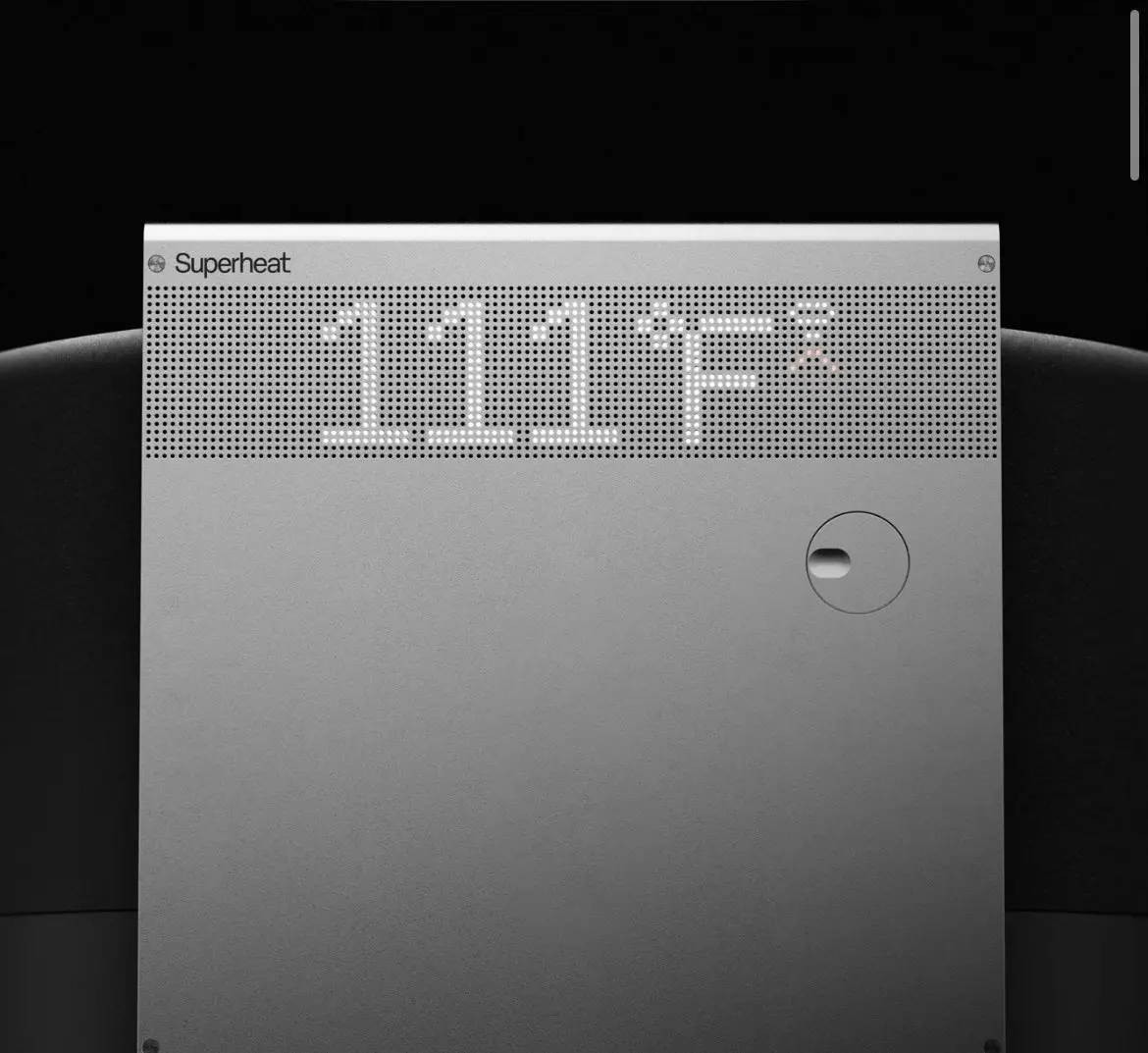
CES 2026 Exhibits Superheat H1 Mining Water Heater, ASIC Chip Waste Heat Used for Heating Shower Water. Power consumption is the same as conventional water heaters, with mining profits offsetting electricity costs. Operations manager Julie Xu states the ultimate goal is to rent out household computing power to tech giants for AI inference, replacing large data centers. Japan already has similar systems, but in 2021, mining consumed 1.6 trillion liters of water, which remains controversial.
CES 2026’s Most Disruptive Black Technology
At the recent CES 2026 Consumer Electronics Show, a mining electronic product that uses hot water to mine Bitcoin caught the attention of foreign media outlet CNET. This water heater model is the Superheat H1, from tech company Superheat. Its appearance resembles a standard 50-gallon water heater, but the top is equipped with a specialized application-specific integrated circuit (ASIC) for Bitcoin mining.
Superheat explains that the principle of hot water mining is to recover the large amount of waste heat generated during computation and use it to heat shower water, solving the heat dissipation problem caused by high-intensity calculations. This design is extremely clever: traditional mining machines require expensive cooling systems to expel waste heat, but the Superheat H1 channels this heat into the water tank, solving cooling issues while providing free hot water.
Although the Superheat H1 includes Bitcoin mining functionality, its power consumption is the same as that of a standard electric water heater, and it can earn a small amount of Bitcoin as a reward. The expected income is enough to offset the energy cost of heating water. This means users can effectively get “free” hot water because mining profits cover the electricity bill. For households that need daily showers, this model of turning necessary expenses into income is highly attractive.
From a cost analysis perspective, assuming the average monthly electricity cost for water heaters in the US is about $30-50, if the mining income from the Superheat H1 can reach this level, it could save $360-600 annually. Although a single device’s mining hash rate is limited and cannot generate substantial profits like professional mining farms, for ordinary households, recouping the electricity costs they pay is already a significant incentive.
Three Major Innovations of Superheat H1
Waste Heat Recovery: Uses ASIC mining heat to warm shower water, nearly 100% energy utilization
Income Offsets Costs: Bitcoin mined can expectedly offset water heater electricity costs, achieving “free showers”
Same Power Consumption: Same as conventional electric water heaters, without additional energy burden
Future Scalability: Hash power can be rented to tech giants for cloud computing and AI inference
Superheat operations manager Julie Xu states that the ultimate goal is to apply this distributed household computing power to cloud computing and AI inference. In the future, tech giants might pay for the use of household water heater computing power to replace energy-intensive large data centers. This vision is highly forward-looking: if 50 million households in the US install such water heaters, the accumulated computing power would be substantial.
Recycling Energy Mining in Tokyo, Japan
Using water resources for mining is not new. Last year, when Crypto City visited a Bitcoin facility in Shinjuku, Tokyo, they saw a renewable energy Bitcoin mining system designed by AGILE Energy X. It looked like a small aquarium connected to a miner. The concept is to utilize surplus renewable energy generated during government and corporate decarbonization efforts and channel it into decentralized computing services for mining.
Japan’s case is similar in logic but opposite in approach to Superheat. AGILE Energy X focuses on utilizing excess solar or wind energy—renewable energy that would otherwise be wasted—for mining. Superheat, on the other hand, uses waste heat from mining to turn water that would otherwise require additional energy to heat into a “free byproduct.” Both aim to maximize energy efficiency by transforming waste or surplus energy into value.
This trend reflects a profound transformation in the Bitcoin mining industry. Previously, mining was seen as purely energy-consuming, but as energy costs rise and environmental concerns grow, the industry is exploring innovative models: geothermal volcano energy (El Salvador), waste gases from natural gas wells (Texas), and now waste heat from household water heaters. The core logic of these innovations is to reuse “waste” or “surplus” energy rather than consume additional energy.
Mining Water Usage Controversy and Solutions
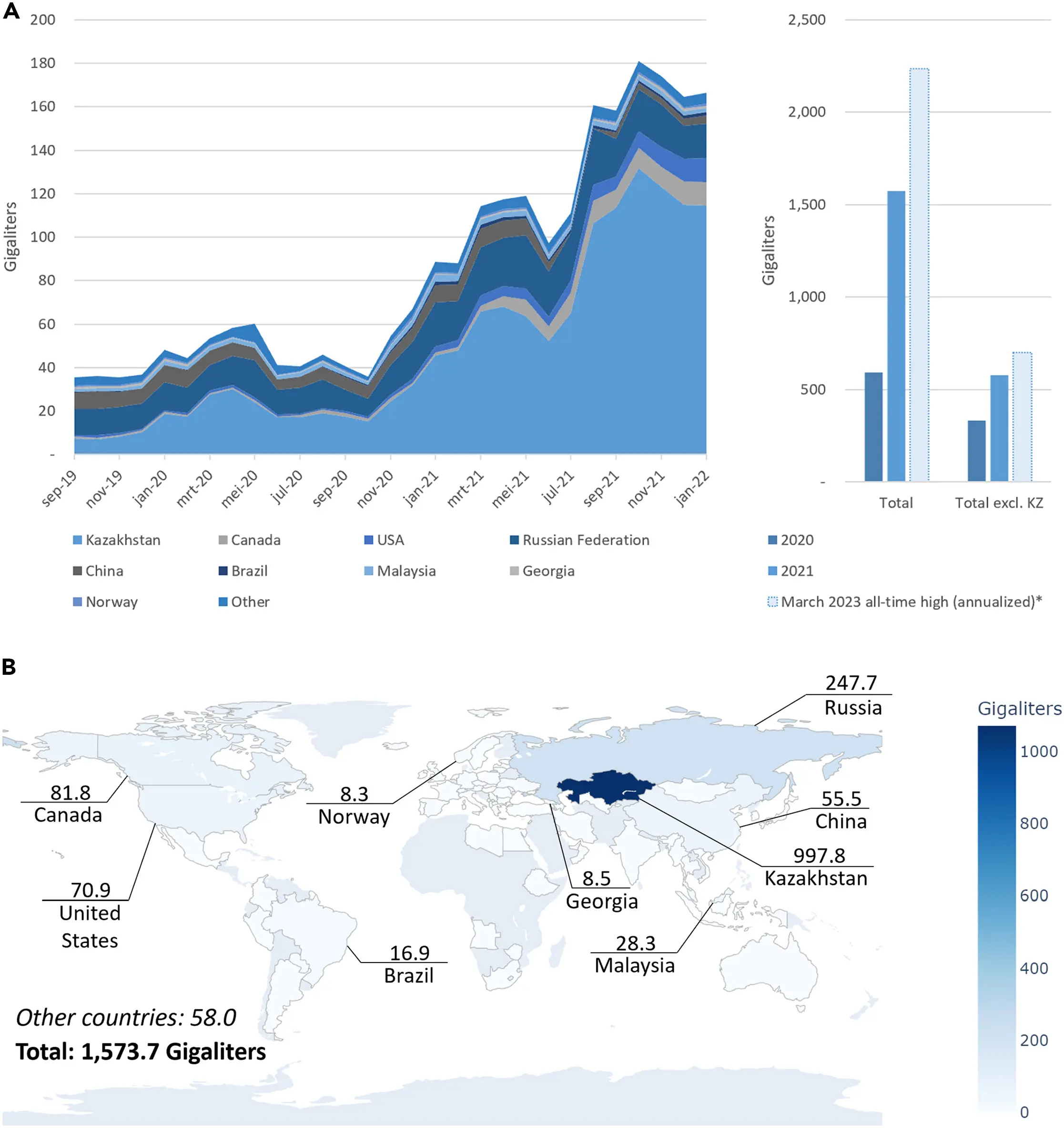
(Source: 《Cell Reports Sustainability》)
Amid the controversy over energy consumption in traditional mining, renewable energy has become a focus. In 2023, BBC reported that Dutch researcher Alex de Vries pointed out that each Bitcoin transaction consumes enough water to fill a backyard swimming pool. The study indicates that up to 3 billion people worldwide face water shortages, which are expected to worsen over the coming decades. A study published in 《Cell Reports Sustainability》 further shows that in 2021, Bitcoin mining consumed nearly 16 trillion liters of water.
Dr. Larisa Yarovaya, Associate Professor of Finance at the University of Southampton, expressed concern that large-scale water-consuming mining activities in water-scarce regions should attract regulatory and public attention. Compared to traditional mining’s one-way water consumption, products like Superheat attempt to recover and reuse the heat that would otherwise dissipate, offering a different perspective on energy use.
If Superheat’s model can be widely promoted, it could positively influence the narrative of energy consumption in Bitcoin mining. Critics have long accused Bitcoin mining of wasting energy, but if household water heaters are “mining” as a side effect without increasing additional energy consumption, such criticism would lose ground. Furthermore, if future tech giants pay to rent this distributed household computing power, the entire business model could evolve from “consumer use” to a “distributed computing market,” turning every household water heater into a micro data center.