


Solana Seeker Phone Users Set for SKR Airdrop: Saga Owners Excluded in 2026 Token Distribution
Solana Seeker phone holders and app developers are poised to receive the upcoming SKR token airdrop on January 20, 2026, while Solana Saga phone owners have been explicitly excluded from eligibility. This decision highlights Solana Mobile’s focus on incentivizing the latest generation device and its ecosystem builders.
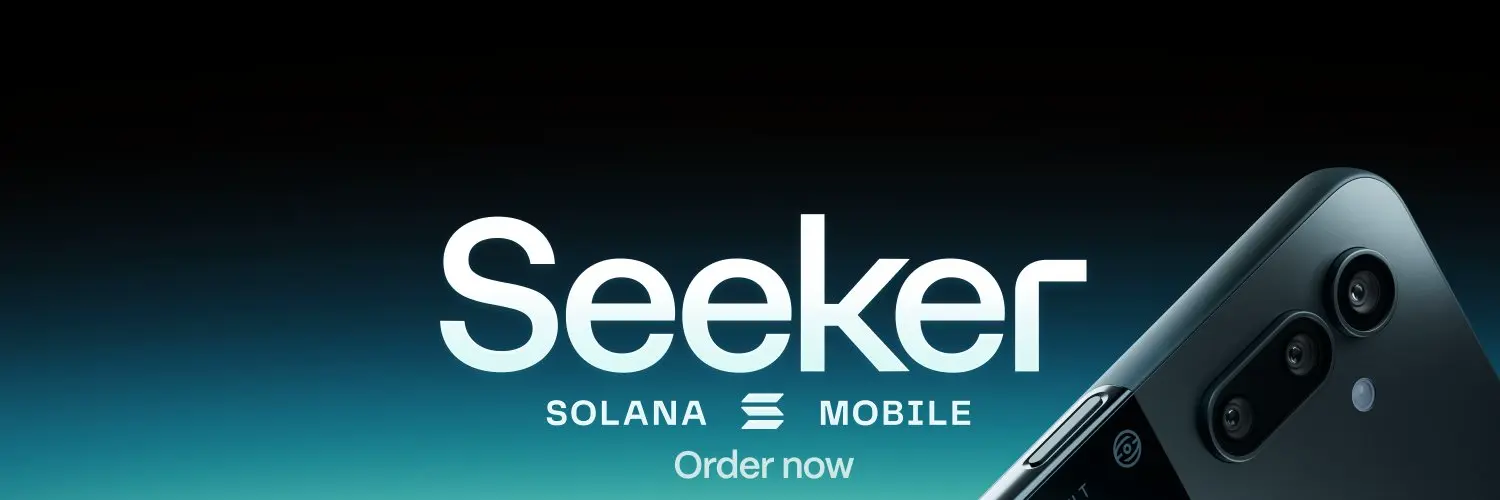
(Sources: X)
This analyst insight examines the Seeker phone SKR airdrop details, Solana Seeker airdrop eligibility criteria, comparisons between Solana Mobile Seeker vs Saga, and broader implications for the mobile crypto platform as of January 8, 2026.
Details of the Seeker Phone SKR Airdrop
Solana Mobile announced the Seeker phone SKR airdrop will distribute 20% of the total supply—2 billion unlocked tokens—to Solana Seeker phone users and developers. The claim window opens at 9pm ET on January 20 (January 21 UTC), following a pre-announcement snapshot of device activity.
An additional 2.7 billion SKR (27%) unlocks at the token generation event for liquidity, community treasury, and partnerships, with further linear releases planned.
- Airdrop Allocation: 2 billion SKR (20% supply).
- Eligibility Snapshot: Already taken based on Seeker activity.
- Claim Date: January 20, 2026 (9pm ET).
- Total Supply: 10 billion SKR.
Solana Seeker Airdrop Eligibility: Who Qualifies and Who Doesn’t
Solana Seeker airdrop eligibility is limited to owners of the second-generation Solana Seeker phone and developers building apps for the platform. A Solana Mobile representative confirmed Saga users excluded, despite the first-generation device’s role in pioneering mobile crypto adoption.
This exclusion underscores a strategic pivot toward rewarding current ecosystem participants and driving Solana Seeker phone engagement.
- Eligible Groups: Seeker device holders; active app developers.
- Excluded: Solana Saga phone owners.
- Rationale: Incentivize latest hardware and ongoing contributions.
- Activity Metrics: Over 9 million transactions and $2.6 billion volume in “Seeker Season 1.”
Solana Mobile Seeker vs Saga: Key Differences and Strategic Shift
The Solana Mobile Seeker vs Saga comparison reveals deliberate evolution:
- Pricing: Seeker launched at $500 ($450 pre-order) vs. Saga’s initial higher cost.
- Adoption Strategy: Seeker emphasizes global shipping and developer focus from day one.
- Incentives: Seeker phone SKR airdrop rewards new users; Saga owners received prior token drops but miss this one.
- Market Lessons: Saga’s slow start (later boosted by airdrops) informed Seeker’s more measured, ecosystem-first approach.
Saga users excluded from SKR reflects Solana Mobile’s intent to bootstrap the refreshed platform rather than retroactively reward early adopters indefinitely.
- Hardware Evolution: Seeker as refined, accessible successor.
- Tokenomics Focus: SKR tied to current device momentum.
- Season Structure: Ongoing “Seeker Seasons” for sustained engagement.
Broader Implications for Solana Mobile Ecosystem
The Seeker phone SKR airdrop positions SKR as a governance and incentive token to “influence the success of this platform,” per GM Emmett Hollyer. By excluding Solana Saga phone owners, Solana Mobile signals forward-looking allocation—potentially sparking debate among early supporters but aligning resources with active growth.
- Developer Boost: Direct rewards for app builders.
- User Acquisition: Airdrop as marketing for Seeker sales.
- Governance Vision: Community control over participation rules and economics.
In summary, the upcoming Seeker phone SKR airdrop exclusively for Solana Seeker phone holders and developers—while Saga users excluded—illustrates Solana Mobile’s strategic emphasis on the latest device and ecosystem vitality. With 2 billion tokens at stake and clear Solana Seeker airdrop eligibility, the distribution could accelerate adoption and developer activity. The Solana Mobile Seeker vs Saga divergence underscores a maturing approach: rewarding current momentum over legacy participation. As “Seeker Season 2” begins, monitor claim details and device metrics for ecosystem health—always reference official Solana Mobile channels for accurate updates on cryptocurrency projects.
Related Articles
Data: The US SOL spot ETF had a total net inflow of $17,409,000 on the day.
Bitcoin ETFs See Daily Outflow of $35.9M While Solana ETFs Continue Weekly Growth
SOL Slides 11% to $78 After $90 Rejection — Is $76 Support Next?