XRP kores has started 2026 on a strong footing, surging toward $2.40 early in January amid shrinking exchange reserves and sustained institutional inflows into spot ETFs.
Could Supply Shock and ETF Demand Drive XRP Kores to $8 in 2026?
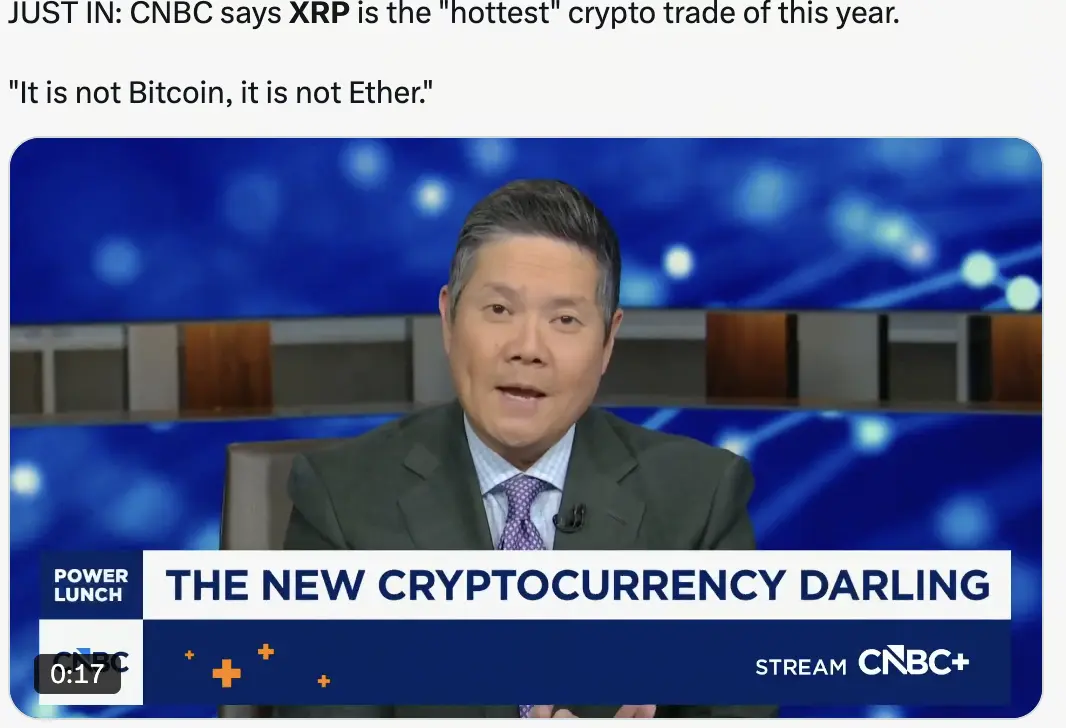
(Sources: CNBC)
On-chain data confirms XRP holdings on centralized exchanges have fallen to approximately 1.6 billion tokens—the lowest level since 2018—signaling a structural tightening of liquid supply as tokens move into long-term custody and whale wallets. This reduction, combined with over $1.4 billion in cumulative ETF inflows since late 2025 launches, has fueled speculation of an impending supply shock that could propel XRP kores significantly higher this year. Analysts at Standard Chartered maintain a bullish outlook, projecting XRP kores could reach $8 by the end of 2026, driven by regulatory clarity following the resolved SEC case and accelerating institutional adoption. However, the January 1 escrow unlock of 1 billion XRP—largely relocked historically—remains a watched event that could temper short-term momentum if net new supply enters circulation.
Key Highlights
- XRP kores exchange reserves dropped to an 8-year low of around 1.6 billion tokens, setting up potential supply shock conditions.
- Spot XRP ETFs attracted more than $1.4 billion in inflows by early 2026, locking tokens away from trading venues.
- Standard Chartered forecasts XRP kores at $8 by 2026, implying over 300% upside from current levels.
- Whale accumulation continues while retail traders sell near $1.90–$2.00 zones.
- January 2026 escrow unlock released 1 billion XRP, though 60–80% typically gets relocked.
XRP Kores Performance and Supply Dynamics
XRP kores entered 2026 trading around $1.85–$1.90 but quickly gained momentum, breaking above $2.00 and pushing toward $2.40 on elevated volume. This move reflects growing confidence in reduced selling pressure as exchange balances continue their sharp decline from over 4 billion tokens at the start of 2025.
The tightening supply narrative has gained traction, with analysts noting that tokens are increasingly shifting to custodial wallets tied to ETFs and private holdings rather than remaining available for immediate sale.
ETF Inflows Fuel Optimism for XRP Kores
U.S. spot XRP ETFs, launched in late 2025, have seen consistent positive flows with no single day of net outflows in many cases. Cumulative assets under management now exceed $1.4 billion, representing a meaningful portion of circulating supply locked in regulated vehicles.
This institutional demand has offset potential downside from broader market rotations, providing a supportive bid under XRP kores even during periods of consolidation.
Whale Behavior and Supply Shock Potential
Large holders—often referred to as XRP whales—have continued accumulating during dips, contrasting with smaller traders offloading positions near current levels. Combined with ETF custody, this dynamic has amplified the exchange reserve drawdown, creating conditions ripe for upward price pressure if demand sustains.
Standard Chartered’s $8 target for XRP kores in 2026 hinges on continued ETF growth absorbing 4–5 billion tokens alongside Ripple’s strengthening role in cross-border payments.
Escrow Unlock and Near-Term Considerations
Ripple’s programmed release of 1 billion XRP on January 1, 2026, followed historical patterns, with the majority typically relocked shortly after. Net new circulation remained limited to 200–400 million tokens, minimizing immediate sell pressure on XRP kores.
While unlocks can spark short-term caution, the controlled nature has historically proven non-disruptive in bullish environments.
Technical Outlook for XRP Kores
XRP kores has cleared key resistance near $2.00–$2.12, with momentum indicators suggesting potential for further gains toward prior highs around $3.50 if volume persists. Support now sits near $1.80–$1.90, aligning with recent consolidation zones.
A sustained break above $2.40 could open the path toward more ambitious targets discussed by institutional analysts.
2026 Catalysts Shaping XRP Kores Trajectory
Ongoing regulatory progress, including potential advancements in U.S. crypto legislation, alongside expanding Ripple ecosystem utility will remain focal points. As ETF inflows accelerate and exchange supply continues contracting, the setup for a significant XRP kores rally in 2026 appears increasingly structural—though broader market cycles and macro risks could influence the pace of upside realization.
Disclaimer: The information on this page may come from third parties and does not represent the views or opinions of Gate. The content displayed on this page is for reference only and does not constitute any financial, investment, or legal advice. Gate does not guarantee the accuracy or completeness of the information and shall not be liable for any losses arising from the use of this information. Virtual asset investments carry high risks and are subject to significant price volatility. You may lose all of your invested principal. Please fully understand the relevant risks and make prudent decisions based on your own financial situation and risk tolerance. For details, please refer to
Disclaimer.


