


Michael Burry's $1 Billion AI Short: Betting Against the 2026 Bubble?
Michael Burry, the investor immortalized in “The Big Short” for predicting the 2008 housing crash, has placed nearly $1 billion in put options against leading AI stocks—including Nvidia and Palantir—signaling deep skepticism about the sector’s valuations heading into 2026.
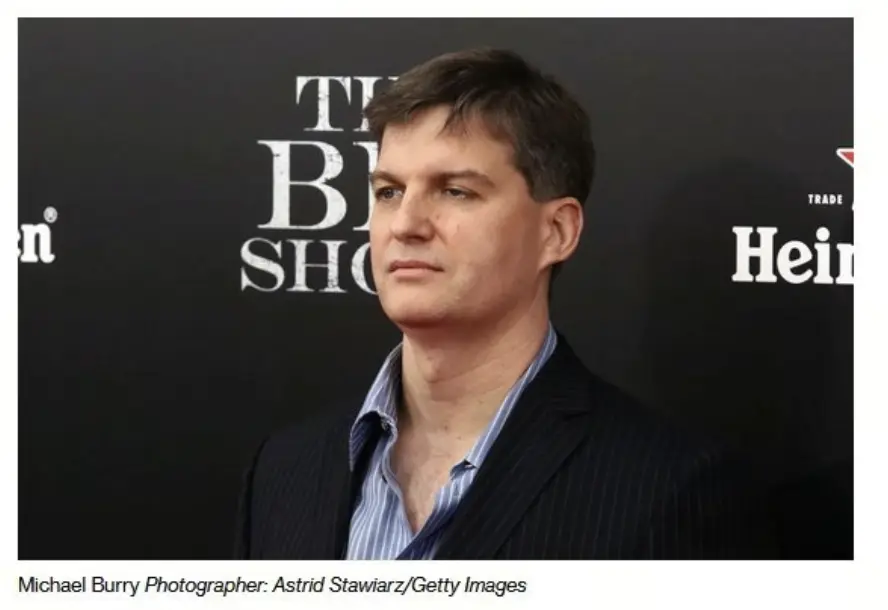
(Sources: X)
Burry’s Massive Bearish Bet on AI Leaders
Latest Q4 2025 13F filings (as of December 31) reveal Burry’s Scion Asset Management dramatically expanded its short position, with puts on Nvidia alone valued at over $600 million and additional exposure to Palantir and other AI infrastructure plays.
The total notional value approaches $1 billion—Burry’s largest concentrated bet since the subprime crisis.
This escalation follows earlier 2025 warnings where Burry deleted his X account after posting: “True end demand is ridiculously small. Almost all customers are funded by their dealers.”
Nvidia CEO Jensen Huang pushed back, citing record data center demand and multi-year revenue visibility, but Burry’s actions speak louder—positioning for a potential sharp correction.
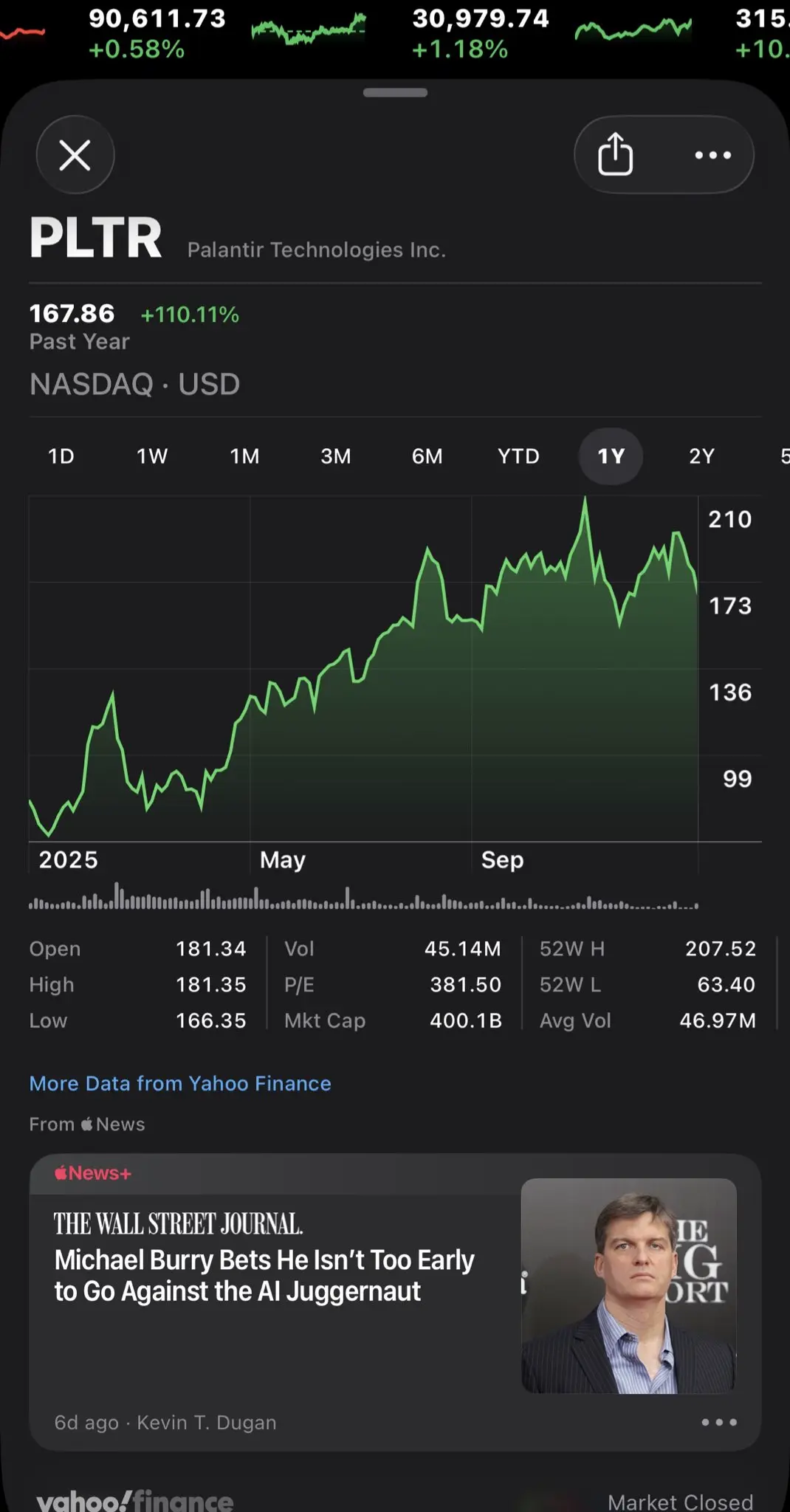
(Sources: X)
Echoes of Past Bubbles in Today’s AI Frenzy
Burry’s thesis draws explicit parallels to the dot-com era: massive capital deployment into infrastructure (then fiber optics, now GPUs/chips) far outpacing verifiable end-user demand.
He views current AI spending as largely circular—hyperscalers and enterprises buying hardware with financing tied to the same ecosystem—creating inflated valuations vulnerable to demand shocks.
Historical precedent supports caution: the 2000 peak saw similar “build it and they will come” logic collapse when utilization failed to materialize at scale.
Why 2026 Could Be the Breaking Point
Several factors align for potential AI sector stress in 2026:
- Capex Digestion: Multi-trillion infrastructure buildout enters utilization phase; weak ROI evidence could trigger spending pauses.
- Rate Environment: Persistent inflation or delayed cuts raise funding costs for growth-dependent firms.
- Regulatory Scrutiny: Rising antitrust focus on dominant AI players (e.g., Nvidia’s GPU monopoly share).
- Earnings Pressure: Consensus forecasts aggressive growth; any miss could catalyze derating.
Burry’s timing targets this convergence—positioning for asymmetry if even moderate disappointment emerges.
Market Reaction and Broader Implications
AI stocks dipped modestly on filing news but quickly recovered, reflecting divided sentiment: some view Burry’s bet as contrarian genius, others as premature.
Broader indices remain near records, but options pricing shows elevated put demand in AI names—suggesting growing hedge positioning.
Burry’s track record—profiting massively from 2008 while most dismissed warning signs—lends weight many ignore at peril.
Outlook: Bubble or Sustainable Growth?
2026 will test whether AI’s transformation justifies current multiples or repeats historical overinvestment cycles.
Burry’s $1 billion wager represents the bear case: infrastructure oversupply meeting demand reality.
Bulls counter with secular trends—enterprise AI adoption, autonomous systems, efficiency gains—arguing any pullback creates buying opportunities.
For now, Michael Burry stands as the most prominent voice questioning AI exceptionalism—reminding markets that even the strongest narratives face reckoning when capital deployment outpaces verifiable value creation.
FAQs
Why is Michael Burry shorting AI stocks? Burry sees circular demand—companies buying hardware largely funded within the same ecosystem—creating bubble-like conditions similar to dot-com infrastructure buildout.
How large is Burry’s current short position? Q4 2025 filings show ~$1 billion notional in puts, primarily Nvidia and Palantir—his biggest concentrated bet since 2008.
Has Burry been right about bubbles before? Yes—famously profited from subprime mortgage collapse while most dismissed risks.
What would trigger Burry’s thesis playing out? Weak utilization evidence, spending pauses, regulatory pressure, or earnings misses exposing overinvestment.
Are other investors following Burry’s lead? Options data shows rising put demand in AI names, though overall positioning remains long-biased.
Could 2026 be AI’s “dot-com moment”? Possibly—if infrastructure spending fails to translate into proportional economic value at scale.