How Much Does It Cost to Create an NFT? Complete Analysis
Today's NFT Market
Although non-fungible tokens have existed for several years, they gained explosive popularity in recent years. The entire NFT space grew from $340 million in an earlier period to $24.9 billion in a recent period, representing an astonishing value increase of approximately 7,200%.
You have probably heard about the most expensive NFT sold to date: a digital artwork called "The Merge" created by an artist named Pak, which sold for $91.8 million. This landmark sale demonstrates the immense potential value that NFTs can achieve in the digital art market.
As more celebrities and mainstream figures participate, NFTs continue to dominate headlines. Professional NFT artists have emerged, and investors have made millions of dollars by trading NFTs. The market has evolved from a niche technology experiment into a legitimate asset class attracting serious collectors and institutional investors.
What Is NFT Minting
If you are creating your first NFT, you need to understand NFT minting - the process of creating your NFT and registering it on the blockchain. This fundamental step transforms your digital creation into a verifiable, ownable asset.
Individual artworks and collectibles must first be minted on the blockchain to become unique NFTs. The artwork or collectible stored on the blockchain is encrypted using a unique code that allows for personalized ownership and authenticity verification.
The process of creating an NFT can be thought of as similar to uploading a profile picture to a social media website. However, unlike a simple upload, minting involves recording immutable ownership data on a distributed ledger, ensuring that your digital asset is permanently associated with your wallet address.
What Costs Are Involved in NFTs
An important fact when considering how much it costs to create an NFT is that costs can vary tremendously depending on which blockchain you choose for minting. Understanding these cost variations is crucial for planning your NFT project budget.
The main costs associated with NFTs include:
- Gas Fees: Every blockchain operation requires at least one transaction on the blockchain, which incurs gas fees. These fees compensate network validators for processing and securing your transaction.
- Account Fees: This varies depending on which marketplace you use for your NFT. Some platforms charge setup fees, while others offer free account creation.
- Listing Fees: Some platforms allow you to mint NFTs for free, but may charge fees when listing your NFT for sale. These fees help maintain the marketplace infrastructure and services.
Depending on the blockchain, the creation process differs and consequently the fees vary. Even on the same blockchain, NFT costs can differ from one another. Data size, project quality, transaction speed, minting time, and gas fees (transaction fees) can all impact costs.
Blockchain transaction fees respond to network supply and demand. This means that when demand is high, gas fees can skyrocket dramatically. During peak usage periods, fees can increase by several hundred percent.
NFT minting prices range from $1 to $500, and sometimes even higher. The wide range reflects the diversity of blockchain options and market conditions available to creators.
It is also important to consider the day and time for minting your NFT. NFT minting costs can be more expensive during weekdays because online activity is more active. Strategic timing of your minting can result in significant cost savings.
How Much Does It Cost to Create an NFT
Now let's explore the actual costs of creating NFTs in the market. There are two main options, and which option you choose depends on you and your project strategy. Understanding these options will help you make informed decisions about your NFT creation approach.
Anyone can create an NFT, and you can easily set up an account on all major platforms such as OpenSea, Rarible, and Mintable. These platforms have streamlined the process to make NFT creation accessible to creators of all technical skill levels.
NFT Minting Costs Vary by Chosen Blockchain
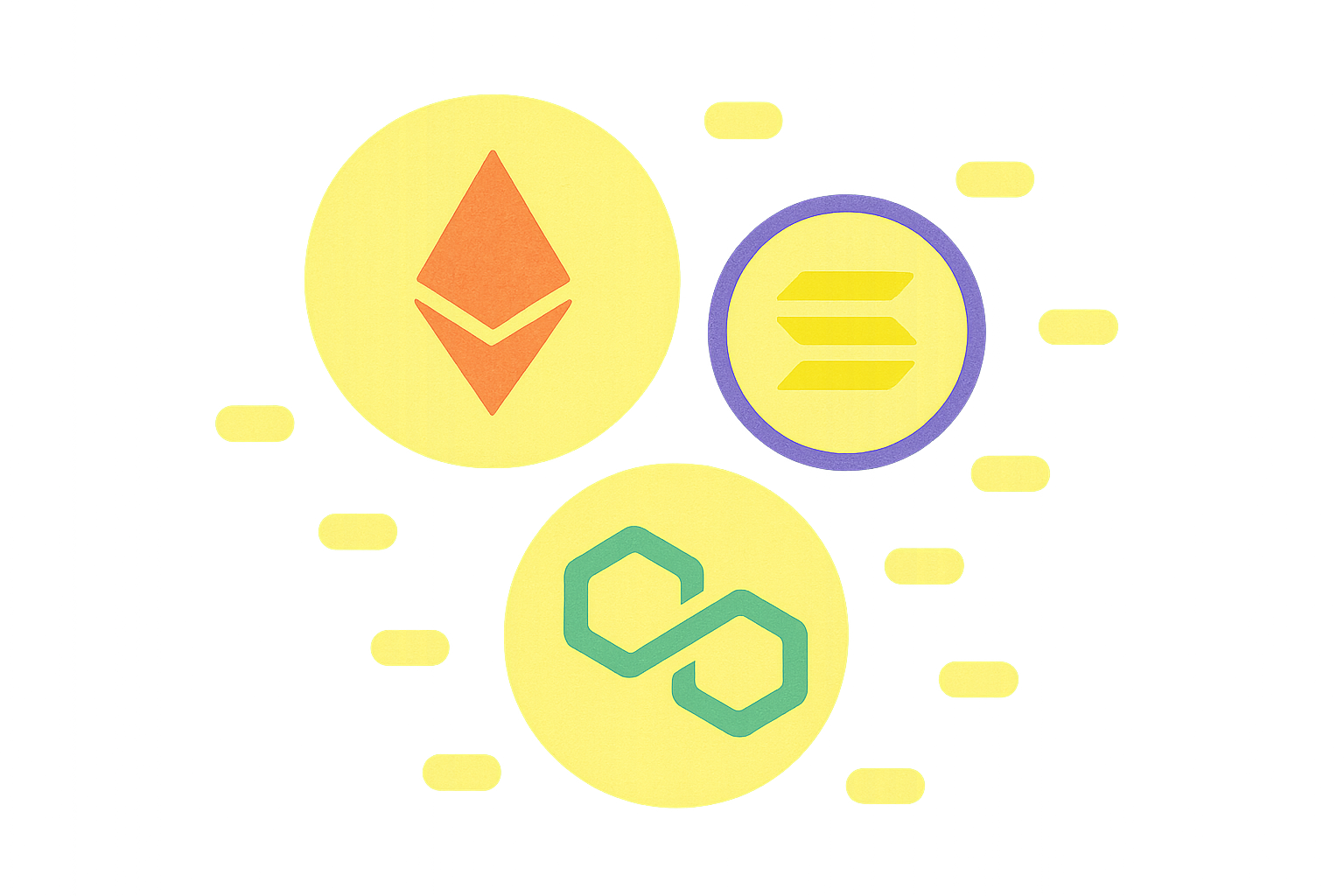
The most popular blockchain for NFTs is the Ethereum network, which was the first programmable blockchain and supports the registration of digital items. Its established ecosystem and widespread adoption make it the default choice for many creators. However, creators have more options available in recent years, including Polygon and Solana, which offer different advantages in terms of cost and speed.
Ethereum is undergoing a major upgrade that will change the network's consensus mechanism from a proof-of-work to a proof-of-stake model. When this upgrade is complete, transaction fees are expected to decrease and speed will also increase, potentially making Ethereum more competitive with alternative blockchains.
Minting NFTs on Polygon
Digital artists can mint NFTs on the Polygon blockchain using OpenSea, the most popular NFT marketplace. The platform's integration with Polygon has made it a preferred choice for cost-conscious creators.
The good news is that when you choose the Polygon network, you can mint and list your NFT completely free of charge. This zero-cost approach has democratized NFT creation, allowing artists without significant capital to participate in the market.
There are no upfront costs to mint NFTs on Polygon. This is because when you mint NFTs on Polygon, the platform automatically uses the lazy minting option, which defers blockchain registration until the moment of sale.
On the other hand, the platform charges a 2.5% service fee deducted from the NFT's sale price after the first sale. This fee structure ensures that creators only pay when they successfully sell their work.
Minting NFTs on Solana
With many projects launching daily in recent years, Solana has become the second most popular blockchain for NFTs after Ethereum. Given the high Ethereum gas fees, Solana is an affordable alternative for minting NFTs.
Minting NFTs on the Solana blockchain means using a wallet that supports the Solana network, such as Phantom. To mint NFTs, you can choose from popular Solana NFT marketplaces such as Solanart, Solana Art, or Magic Eden.
Minting an NFT on the Solana blockchain generates three blockchain transactions: two approval transactions and another transaction that sets the price when listing the NFT. The cost of each transaction is approximately 0.00045 SOL. Based on recent data with SOL priced at $95 per token, the minting cost for an NFT comes to approximately $0.12.
This minimal cost makes Solana an attractive option for creators planning to mint large collections or those who want to experiment without significant financial risk.
Minting NFTs on Ethereum
As mentioned earlier, Ethereum is the most popular network for minting NFTs. It was the first platform to support NFTs, though it is no longer the only NFT blockchain. Its first-mover advantage has created a robust ecosystem of tools, marketplaces, and collectors.
So how much does it cost to create an NFT on the Ethereum blockchain? This question depends on several factors including network congestion and the specific minting method you choose.
Experienced investors will remember times when a single NFT issuance resulted in transaction fees of $50 to $100 or more, depending on the time of day and ETH price. However, the situation has changed as popular NFT markets have found ways to avoid such fees through innovative solutions.
Creators can now mint NFTs on the Ethereum blockchain completely free of charge using lazy minting options.
Regular Minting
Minting NFTs on the Ethereum blockchain can be expensive using traditional methods. It also depends on Ethereum's current price, day of the week, and time. When attempting to mint NFTs on the Ethereum blockchain using OpenSea, Rarible, or Mintable, gas fees ranged from 0.0468 to 0.0616 ETH ($59 to $123) regardless of the NFT's listing price.
These costs can be prohibitive for individual artists or those creating lower-priced collections, making alternative approaches more attractive.
Lazy Minting
NFT artists and creators can create NFTs without upfront costs. When you choose lazy minting, the process of actually registering the NFT on the blockchain does not occur until the NFT is purchased.
At this point, the sale price of the NFT includes the minting cost, and the responsibility for minting lies with the buyer, not the NFT creator. This approach shifts the financial burden from creator to collector.
With lazy minting, NFTs are created later and only sold NFTs are minted, reducing the need for computational power. This solution is available on the most popular NFT marketplaces and allows all digital artists and NFT creators to increase their exposure without financial barriers.
NFT Creation Costs: Ethereum vs Polygon vs Solana
Comparing the most popular blockchains for creating NFTs is a matter of the project's purpose and goals as well as the artist's personal preferences. NFT creators should research which blockchain is best for creating new NFT collections, and artists also need to look at the blockchain's ecosystem and existing community.
However, in terms of cost alone, there is not much difference. The most popular NFT marketplaces offer lazy minting for both Ethereum and Polygon networks, which translates to creating NFTs completely free of charge.
Minting NFTs on Solana is not free. However, because it does not offer lazy minting, only a few network fees are incurred, totaling less than $1. This minimal cost still represents excellent value compared to traditional Ethereum minting.
Each blockchain offers unique advantages beyond just cost considerations, including community size, transaction speed, environmental impact, and long-term sustainability.
How Much Does It Cost to Create an NFT
The conclusion is that creating an NFT does not have to be expensive. In fact, if you choose popular platforms such as OpenSea, Rarible, or Mintable and check the lazy minting option, it can be completely free.
Minting NFTs on the most popular blockchains has never been as easy and affordable as it is in recent years. This accessibility has opened the door for creators worldwide to participate in the digital art revolution without significant financial barriers. Whether you are an established artist or a newcomer exploring the space, the low cost of entry makes NFT creation a viable option for expressing creativity and potentially generating income.
FAQ
How much does it cost to create an NFT?
Creating an NFT typically costs between $1,550 to $10,000, depending on collection size, blockchain choice, and marketing efforts. Gas fees and platform fees vary by network.
What are the cost differences for creating NFTs on different platforms such as OpenSea, Rarible, and Mintable?
Different platforms offer varying costs. OpenSea and Rarible typically charge gas fees on Ethereum, ranging from $50-$300. Mintable often provides lower fees. Some platforms offer free minting options through lazy minting technology, where fees transfer to the buyer.
What is gas fee in NFT creation process and why is it so expensive?
Gas fees are transaction costs on blockchain networks like Ethereum. They're expensive due to high network demand and congestion. Fees fluctuate based on transaction volume and network activity. Lower gas periods occur during off-peak hours, typically resulting in 20-50% savings compared to peak times.
Are there free or low-cost methods to create NFTs?
Yes, platforms like OpenSea on Polygon network and Mintable on Ethereum offer free or minimal-fee NFT minting options, significantly reducing creation costs compared to traditional blockchain networks.
Do I need to pay other fees after creating an NFT, such as listing fees or transaction fees?
After creating an NFT, you typically don't need additional fees. However, when your NFT sells successfully, the platform will charge transaction fees, usually a percentage of the transaction amount.
Which platform should beginners choose to create their first NFT, and how to minimize costs?
Beginners should choose OpenSea, a popular and user-friendly platform. To minimize costs, mint on Ethereum's test network for free transactions, or use Layer 2 solutions like Polygon for significantly lower gas fees compared to mainnet.
Share
Content
Trending Cryptocurrencies



Treasure NFT Marketplace: A 2025 Guide for Web3 Gamers and Investors
What are the new trends in the NFT market in 2025?

NFT Treasure Hunting: Top Strategies for Web3 Collectors in 2025

How to Create and Sell NFTs: A Step-by-Step Guide for Beginners
The technical principles and application scenarios of 2025 NFTs
How to Create an NFT in 2025: A Step-by-Step Guide

Gate Ventures Weekly Crypto Recap (March 2, 2026)
Gate Ventures Weekly Crypto Recap (February 23, 2026)

Gate Ventures Weekly Crypto Recap (February 9, 2026)

What is AIX9: A Comprehensive Guide to the Next Generation of Enterprise Computing Solutions

What is KLINK: A Comprehensive Guide to Understanding the Revolutionary Communication Platform