Laxi

vip
Age 0.6 Year
Peak Tier 5
No content yet
𝗛𝗼𝘄 𝟮𝟰/𝟱 𝗦𝘁𝗼𝗰𝗸 𝗧𝗿𝗮𝗱𝗶𝗻𝗴 𝗖𝗼𝘂𝗹𝗱 𝗥𝗲𝘀𝗵𝗮𝗽𝗲 𝗖𝗿𝘆𝗽𝘁𝗼 — 𝗔 𝗡𝗲𝘄 𝗘𝗿𝗮 𝗢𝗳 𝗖𝗼𝗻𝘁𝗶𝗻𝘂𝗼𝘂𝘀 𝗚𝗹𝗼𝗯𝗮𝗹 𝗠𝗮𝗿𝗸𝗲𝘁𝘀
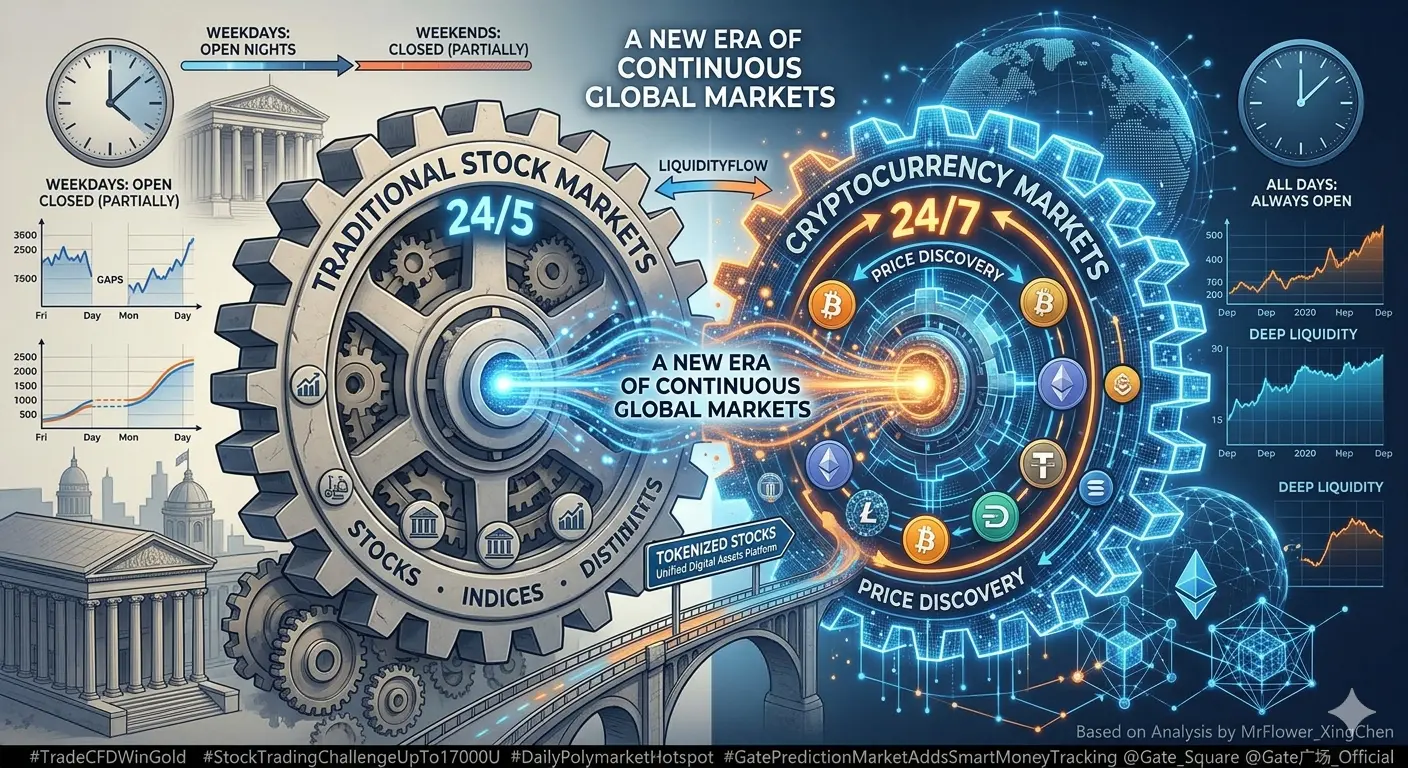
For years, one of crypto's greatest advantages was its 𝗔𝗹𝘄𝗮𝘆𝘀-𝗢𝗽𝗲𝗻 𝗠𝗮𝗿𝗸𝗲𝘁 𝗦𝘁𝗿𝘂𝗰𝘁𝘂𝗿𝗲. While stock exchanges closed overnight and remained inactive during weekends, cryptocurrency markets continued operating without interruption. This created unique opportunities for traders to react instantly to breaking news, macroeconomic developments, geopolitical events, and unexpected market shocks.
That advantage is now beginning
BTC-2.29%
MrFlower_XingChen
𝗛𝗼𝘄 𝟮𝟰/𝟱 𝗦𝘁𝗼𝗰𝗸 𝗧𝗿𝗮𝗱𝗶𝗻𝗴 𝗖𝗼𝘂𝗹𝗱 𝗥𝗲𝘀𝗵𝗮𝗽𝗲 𝗖𝗿𝘆𝗽𝘁𝗼 — 𝗔 𝗡𝗲𝘄 𝗘𝗿𝗮 𝗢𝗳 𝗖𝗼𝗻𝘁𝗶𝗻𝘂𝗼𝘂𝘀 𝗚𝗹𝗼𝗯𝗮𝗹 𝗠𝗮𝗿𝗸𝗲𝘁𝘀
For years, one of crypto's greatest advantages was its 𝗔𝗹𝘄𝗮𝘆𝘀-𝗢𝗽𝗲𝗻 𝗠𝗮𝗿𝗸𝗲𝘁 𝗦𝘁𝗿𝘂𝗰𝘁𝘂𝗿𝗲. While stock exchanges closed overnight and remained inactive during weekends, cryptocurrency markets continued operating without interruption. This created unique opportunities for traders to react instantly to breaking news, macroeconomic developments, geopolitical events, and unexpected market shocks.
That advantage is now beginning to evolve. The push toward 𝗧𝘄𝗲𝗻𝘁𝘆-𝗙𝗼𝘂𝗿 𝗛𝗼𝘂𝗿 𝗠𝗮𝗿𝗸𝗲𝘁 𝗔𝗰𝗰𝗲𝘀𝘀 by major financial institutions represents one of the biggest structural changes in modern finance. Traditional markets are increasingly adopting features that cryptocurrency traders have enjoyed for years.
Historically, traders often observed significant price gaps between Friday's market close and Monday's opening session. During those periods, crypto markets acted as the only major venue available for continuous price discovery. Investors frequently used Bitcoin and other digital assets as proxies for global risk sentiment while traditional markets remained closed.
As more stock exchanges extend trading hours, this 𝗪𝗲𝗲𝗸𝗲𝗻𝗱 𝗔𝗿𝗯𝗶𝘁𝗿𝗮𝗴𝗲 𝗔𝗱𝘃𝗮𝗻𝘁𝗮𝗴𝗲 begins narrowing. Investors can increasingly react to global developments through equities outside traditional market hours, reducing one of crypto's historical monopolies on continuous trading.
Another important consequence involves 𝗣𝗿𝗶𝗰𝗲 𝗗𝗶𝘀𝗰𝗼𝘃𝗲𝗿𝘆 𝗘𝗳𝗳𝗶𝗰𝗶𝗲𝗻𝗰𝘆. When stocks, futures, and cryptocurrencies trade across overlapping hours, markets process information more rapidly and consistently. Large overnight pricing discrepancies may become less common as multiple asset classes simultaneously react to the same news flow.
This shift may also reduce the significance of certain trading phenomena that previously existed because of market closures. Continuous trading environments generally create smoother information transmission across financial systems and reduce the need for dramatic catch-up moves after reopening periods.
Perhaps the most fascinating aspect of this evolution is that traditional finance is not leading the transformation—it is largely following a model pioneered by cryptocurrency markets. Crypto exchanges demonstrated years ago that global participants were willing to trade continuously, regardless of weekends, holidays, or time zones.
Today, 𝗖𝗿𝘆𝗽𝘁𝗼 𝗣𝗲𝗿𝗽𝗲𝘁𝘂𝗮𝗹 𝗠𝗮𝗿𝗸𝗲𝘁𝘀 already provide round-the-clock exposure to numerous assets through leveraged products, synthetic markets, and stablecoin-based settlement systems. These platforms have effectively operated as global financial infrastructure long before traditional exchanges began exploring extended trading schedules.
The rise of continuous stock trading also highlights changing investor behavior. Modern market participants increasingly expect immediate access, instant execution, and uninterrupted liquidity. A generation raised on digital platforms sees little reason why financial markets should pause simply because a calendar says it is nighttime.
Despite these developments, cryptocurrency still maintains a significant structural advantage. Even under most extended trading proposals, traditional markets continue shutting down during portions of the weekend. This means crypto remains the only major global marketplace operating through those periods.
Those weekend sessions have often produced some of the industry's most dramatic moves. Political announcements, geopolitical tensions, regulatory decisions, and macroeconomic surprises frequently emerge outside traditional business hours. During such events, crypto remains the primary venue for immediate risk transfer.
Another key difference involves 𝗟𝗶𝗾𝘂𝗶𝗱𝗶𝘁𝘆 𝗤𝘂𝗮𝗹𝗶𝘁𝘆. Simply extending trading hours does not automatically create deep markets. Many overnight stock sessions still experience lower participation, wider spreads, and reduced order-book depth compared to primary market hours.
Cryptocurrency markets, particularly major perpetual futures venues, often maintain substantial liquidity around the clock. This allows traders to execute large transactions more efficiently than might be possible during thin overnight equity sessions.
A potentially transformative development on the horizon is the rise of 𝗧𝗼𝗸𝗲𝗻𝗶𝘇𝗲𝗱 𝗦𝘁𝗼𝗰𝗸𝘀. By bringing equity exposure onto blockchain infrastructure, financial markets could eventually merge characteristics of both traditional and digital asset ecosystems.
Tokenized securities have the potential to create a world where stocks trade continuously on blockchain networks, settle instantly, and become accessible to global participants without traditional geographic limitations. Such a shift could fundamentally redefine how investors interact with financial markets.
The implications extend far beyond trading hours alone. Tokenization could affect settlement systems, custody models, collateral management, liquidity provision, and cross-border capital flows. Financial infrastructure that currently operates through separate systems may increasingly converge into unified digital networks.
𝗠𝗿𝗙𝗹𝗼𝘄𝗲𝗿_𝗫𝗶𝗻𝗴𝗖𝗵𝗲𝗻 believes the most important takeaway is that the boundary between traditional finance and cryptocurrency is becoming increasingly difficult to define. Rather than competing against one another, both industries appear to be adopting each other's most successful innovations.
In the long run, the biggest story may not be whether stocks trade 24/5 or crypto trades 24/7. The bigger story could be the emergence of a truly continuous global financial system where assets, liquidity, and capital move seamlessly across markets without the limitations that have historically defined traditional trading hours.
As this convergence accelerates, investors may witness one of the most significant structural transformations in financial history. The future increasingly points toward 𝗖𝗼𝗻𝘁𝗶𝗻𝘂𝗼𝘂𝘀 𝗠𝗮𝗿𝗸𝗲𝘁𝘀, 𝗗𝗶𝗴𝗶𝘁𝗮𝗹 𝗔𝘀𝘀𝗲𝘁 𝗜𝗻𝗳𝗿𝗮𝘀𝘁𝗿𝘂𝗰𝘁𝘂𝗿𝗲, and a financial ecosystem that never truly closes.
#TradeCFDWinGold #StockTradingChallengeUpTo17000U #DailyPolymarketHotspot #GatePredictionMarketAddsSmartMoneyTracking @Gate_Square @Gate广场_Official
repost-content-media
  • Reward
  • 2
  • Repost
  • Share
discovery:
To The Moon 🌕
View More
𝗟𝗔𝗕 𝗧𝗼𝗸𝗲𝗻’𝘀 𝗡𝗲𝘅𝘁 𝗕𝗶𝗴 𝗧𝗲𝘀𝘁 — 𝗖𝗮𝗻 𝗦𝗰𝗮𝗿𝗰𝗶𝘁𝘆, 𝗠𝗼𝗺𝗲𝗻𝘁𝘂𝗺, 𝗔𝗻𝗱 𝗠𝗮𝗿𝗸𝗲𝘁 𝗣𝘀𝘆𝗰𝗵𝗼𝗹𝗼𝗴𝘆 𝗣𝘂𝘀𝗵 𝗟𝗔𝗕 𝗜𝗻𝘁𝗼 𝗔 𝗡𝗲𝘄 𝗣𝗿𝗶𝗰𝗲 𝗘𝗿𝗮?
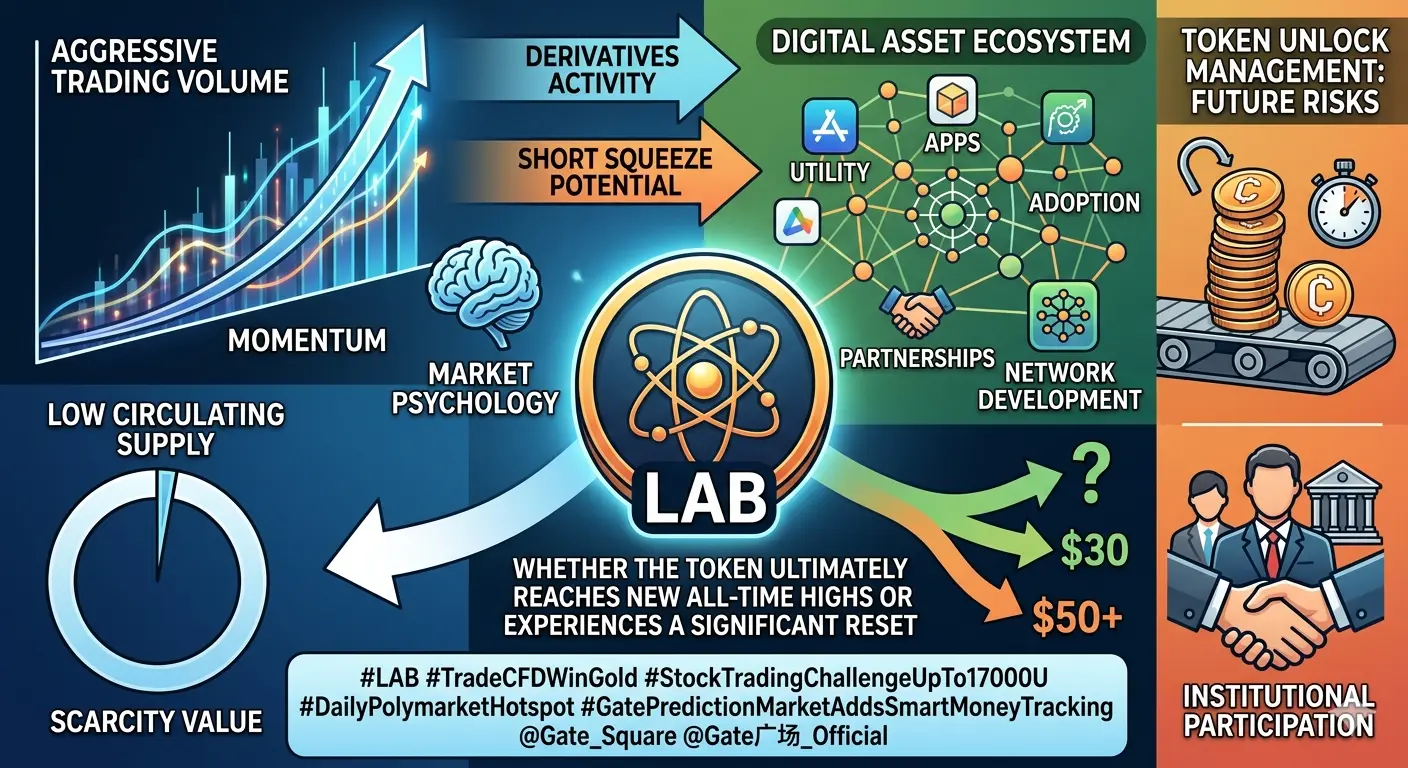
LAB has emerged as one of the most discussed digital assets of 2026, capturing trader attention through a combination of 𝗟𝗼𝘄 𝗖𝗶𝗿𝗰𝘂𝗹𝗮𝘁𝗶𝗻𝗴 𝗦𝘂𝗽𝗽𝗹𝘆, 𝗔𝗴𝗴𝗿𝗲𝘀𝘀𝗶𝘃𝗲 𝗧𝗿𝗮𝗱𝗶𝗻𝗴 𝗩𝗼𝗹𝘂𝗺𝗲, and rapidly expanding market visibility. What began as a relatively overlooked infrastructure token has transformed into one of the most closely watched speculative assets in the cryptocurrency secto
LAB-38.52%
BTC-2.29%
MrFlower_XingChen
𝗟𝗔𝗕 𝗧𝗼𝗸𝗲𝗻’𝘀 𝗡𝗲𝘅𝘁 𝗕𝗶𝗴 𝗧𝗲𝘀𝘁 — 𝗖𝗮𝗻 𝗦𝗰𝗮𝗿𝗰𝗶𝘁𝘆, 𝗠𝗼𝗺𝗲𝗻𝘁𝘂𝗺, 𝗔𝗻𝗱 𝗠𝗮𝗿𝗸𝗲𝘁 𝗣𝘀𝘆𝗰𝗵𝗼𝗹𝗼𝗴𝘆 𝗣𝘂𝘀𝗵 𝗟𝗔𝗕 𝗜𝗻𝘁𝗼 𝗔 𝗡𝗲𝘄 𝗣𝗿𝗶𝗰𝗲 𝗘𝗿𝗮?
LAB has emerged as one of the most discussed digital assets of 2026, capturing trader attention through a combination of 𝗟𝗼𝘄 𝗖𝗶𝗿𝗰𝘂𝗹𝗮𝘁𝗶𝗻𝗴 𝗦𝘂𝗽𝗽𝗹𝘆, 𝗔𝗴𝗴𝗿𝗲𝘀𝘀𝗶𝘃𝗲 𝗧𝗿𝗮𝗱𝗶𝗻𝗴 𝗩𝗼𝗹𝘂𝗺𝗲, and rapidly expanding market visibility. What began as a relatively overlooked infrastructure token has transformed into one of the most closely watched speculative assets in the cryptocurrency sector.
The most important factor driving LAB's rise is the growing perception of 𝗦𝗰𝗮𝗿𝗰𝗶𝘁𝘆 𝗩𝗮𝗹𝘂𝗲. Markets tend to react aggressively when demand increases faster than available supply, and LAB has benefited significantly from this dynamic. In environments where liquidity remains limited, even moderate capital inflows can generate substantial price expansion.
Unlike mature cryptocurrencies that require billions of dollars in fresh capital to produce meaningful price movement, LAB operates in a market structure where supply limitations can amplify every major buying wave. This creates an environment where momentum becomes self-reinforcing and attracts additional speculative participation.
Another important development is the rise of 𝗡𝗮𝗿𝗿𝗮𝘁𝗶𝘃𝗲-𝗗𝗿𝗶𝘃𝗲𝗻 𝗜𝗻𝘃𝗲𝘀𝘁𝗶𝗻𝗴. Modern crypto markets are increasingly influenced by attention, social engagement, community conviction, and trader psychology. Assets that successfully capture market imagination often experience valuation expansions that traditional financial models struggle to explain.
The derivatives market has also played a major role in LAB's performance. Large amounts of leveraged activity have increased volatility while simultaneously creating opportunities for powerful 𝗦𝗵𝗼𝗿𝘁 𝗦𝗾𝘂𝗲𝗲𝘇𝗲𝘀. When traders repeatedly bet against strong momentum, forced liquidations can create additional buying pressure and accelerate price appreciation.
One of the most interesting aspects of LAB's current market structure is the growing influence of 𝗢𝗽𝗲𝗻 𝗜𝗻𝘁𝗲𝗿𝗲𝘀𝘁. Rising open interest combined with increasing volatility often signals that traders are positioning for significant future moves. While this can fuel major rallies, it can also increase the probability of sharp corrections.
Many investors are now attempting to determine whether LAB can evolve from a speculative token into a larger 𝗗𝗶𝗴𝗶𝘁𝗮𝗹 𝗔𝘀𝘀𝗲𝘁 𝗘𝗰𝗼𝘀𝘆𝘀𝘁𝗲𝗺. Long-term success may depend less on price action and more on actual utility, adoption, partnerships, trading activity, and network development.
Institutional participation remains another key variable. While retail traders have largely driven recent momentum, broader adoption by professional investors could dramatically alter liquidity conditions and market perception. Institutional capital often arrives slowly but can sustain trends for significantly longer periods.
A major topic receiving increasing attention is 𝗧𝗼𝗸𝗲𝗻 𝗨𝗻𝗹𝗼𝗰𝗸 𝗠𝗮𝗻𝗮𝗴𝗲𝗺𝗲𝗻𝘁. Future unlock schedules represent one of the most important risks facing low-float assets. As additional supply enters circulation, the market must absorb new tokens without disrupting existing demand dynamics.
Historically, crypto markets have demonstrated that scarcity narratives remain powerful until supply expansion begins accelerating. This means future token releases could become one of the most important catalysts affecting LAB's medium-term direction.
Another emerging factor is 𝗠𝗮𝗿𝗸𝗲𝘁 𝗠𝗮𝘁𝘂𝗿𝗶𝘁𝘆. As LAB grows, valuation metrics become increasingly important. Investors begin asking more sophisticated questions regarding sustainability, ecosystem growth, transaction activity, revenue generation, and competitive positioning.
The broader cryptocurrency environment will also play a decisive role. If Bitcoin continues attracting capital and overall market liquidity expands, high-beta assets like LAB may benefit disproportionately. Historically, speculative assets often outperform during the later stages of strong bull cycles.
At the same time, traders should remember that volatility works in both directions. The same conditions capable of producing rapid gains can also generate sudden drawdowns. Crypto history is filled with examples where assets gained hundreds of percent before experiencing equally dramatic corrections.
One particularly important indicator will be 𝗟𝗶𝗾𝘂𝗶𝗱𝗶𝘁𝘆 𝗗𝗲𝗽𝘁𝗵. As liquidity improves, price discovery becomes more stable. Conversely, thin liquidity environments can magnify emotional trading and produce exaggerated market reactions.
𝗠𝗿𝗙𝗹𝗼𝘄𝗲𝗿_𝗫𝗶𝗻𝗴𝗖𝗵𝗲𝗻 believes the next phase of LAB's journey will be determined less by hype alone and more by whether the project can convert market attention into sustainable ecosystem expansion. He views long-term growth as dependent on utility, community strength, and continued demand rather than speculation alone.
Looking ahead, bullish participants continue monitoring major milestones such as $20, $30, and $50, while more aggressive traders discuss the possibility of higher targets during periods of extreme market enthusiasm. These scenarios depend heavily on continued scarcity, strong sentiment, and favorable macro conditions across the digital asset sector.
Meanwhile, risk-conscious investors remain focused on supply concentration, unlock schedules, and historical examples of low-float assets that experienced severe corrections after periods of explosive growth. These concerns highlight why LAB remains one of the highest-risk opportunities in the current market.
Ultimately, LAB represents a fascinating case study in how scarcity, momentum, derivatives activity, and investor psychology can combine to create extraordinary market behavior. Whether the token ultimately reaches new all-time highs or experiences a significant reset, its performance will remain one of the most closely watched stories in the cryptocurrency market throughout 2026.
#TradeCFDWinGold #StockTradingChallengeUpTo17000U #DailyPolymarketHotspot #GatePredictionMarketAddsSmartMoneyTracking @Gate_Square @Gate广场_Official
repost-content-media
  • Reward
  • 2
  • Repost
  • Share
discovery:
To The Moon 🌕
View More
𝗕𝗶𝘁𝗰𝗼𝗶𝗻 𝗔𝘁 𝗔 𝗠𝗮𝗷𝗼𝗿 𝗧𝗲𝘀𝘁 — 𝗪𝗶𝗹𝗹 $𝟳𝟬𝗞 𝗛𝗼𝗹𝗱 𝗢𝗿 𝗜𝘀 𝗔 𝗗𝗲𝗲𝗽𝗲𝗿 𝗖𝗼𝗿𝗿𝗲𝗰𝘁𝗶𝗼𝗻 𝗖𝗼𝗺𝗶𝗻𝗴?
Bitcoin enters the new trading week facing one of its most important technical tests of 2026. After reaching highs above $82,000, the market has experienced a sharp wave of selling pressure that pushed prices back toward the $70,000 Support Region. This decline has shifted short-term sentiment from optimism to caution as traders evaluate whether the recent move represents a healthy correction or the beginning of a larger retracement.
The most striking feature of t
BTC-2.29%
MrFlower_XingChen
𝗕𝗶𝘁𝗰𝗼𝗶𝗻 𝗔𝘁 𝗔 𝗠𝗮𝗷𝗼𝗿 𝗧𝗲𝘀𝘁 — 𝗪𝗶𝗹𝗹 $𝟳𝟬𝗞 𝗛𝗼𝗹𝗱 𝗢𝗿 𝗜𝘀 𝗔 𝗗𝗲𝗲𝗽𝗲𝗿 𝗖𝗼𝗿𝗿𝗲𝗰𝘁𝗶𝗼𝗻 𝗖𝗼𝗺𝗶𝗻𝗴?
Bitcoin enters the new trading week facing one of its most important technical tests of 2026. After reaching highs above $82,000, the market has experienced a sharp wave of selling pressure that pushed prices back toward the $70,000 Support Region. This decline has shifted short-term sentiment from optimism to caution as traders evaluate whether the recent move represents a healthy correction or the beginning of a larger retracement.
The most striking feature of the current market structure is the speed of the decline. Within a relatively short period, Bitcoin fell from the $82,000 Resistance Zone to nearly $70,000, wiping out a significant portion of recent gains. Such rapid moves often create emotional reactions among market participants and increase uncertainty regarding future direction.
One important technical development is the loss of the $74,000–$75,000 Support Area. This region had previously acted as a strong floor for buyers. Once support breaks, markets often transform former support levels into future resistance zones, making recovery more difficult.
Bitcoin is now trading near a critical decision point where bulls and bears are fighting for control. The $70,000 Psychological Level has become one of the most important areas on the chart because it represents both a technical support zone and a major sentiment threshold.
If buyers successfully defend this level, Bitcoin could enter a period of stabilization and consolidation. Markets often require time to absorb aggressive selling pressure before launching a meaningful recovery attempt.
The current technical indicators paint a picture of 𝗠𝗮𝗿𝗸𝗲𝘁 𝗜𝗻𝗱𝗲𝗰𝗶𝘀𝗶𝗼𝗻. Indicators such as 𝗥𝗦𝗜, 𝗠𝗔𝗖𝗗, 𝗠𝗼𝘃𝗶𝗻𝗴 𝗔𝘃𝗲𝗿𝗮𝗴𝗲𝘀, 𝗞𝗗𝗝, and 𝗕𝗼𝗹𝗹𝗶𝗻𝗴𝗲𝗿 𝗕𝗮𝗻𝗱𝘀 remain relatively balanced, suggesting that neither buyers nor sellers have achieved complete dominance.
However, there is a slight bearish bias visible across several indicators. While not strong enough to confirm a major downtrend, the data suggests that downside risks remain elevated until stronger buying momentum returns.
Another important factor is 𝗠𝗮𝗿𝗸𝗲𝘁 𝗦𝗲𝗻𝘁𝗶𝗺𝗲𝗻𝘁. Following the recent correction, many short-term traders have become increasingly defensive. Historically, fear-driven environments can create opportunities for both sharp rebounds and deeper liquidations depending on how support levels perform.
Volume behavior over the coming days may provide valuable clues. If selling volume begins decreasing while price stabilizes, it could indicate 𝗦𝗲𝗹𝗹𝗶𝗻𝗴 𝗘𝘅𝗵𝗮𝘂𝘀𝘁𝗶𝗼𝗻, a condition where sellers gradually lose momentum and buyers begin regaining confidence.
Institutional activity remains another critical variable. Bitcoin ETFs, corporate treasury strategies, hedge funds, and large asset managers continue playing a growing role in market direction. Any improvement in institutional demand could significantly strengthen market sentiment.
From a bullish perspective, Bitcoin needs to reclaim $74,000 as quickly as possible. Recovering this level would demonstrate renewed buyer strength and potentially open a path toward the $76,000–$78,000 Resistance Zone.
A stronger bullish breakout would require sustained movement above $78,000, which could shift momentum back toward the major $80,000–$82,000 Resistance Area. Successfully reclaiming those levels would significantly improve the long-term technical outlook.
On the bearish side, failure to hold $70,000 could trigger another wave of downside pressure. Markets often react strongly when major psychological support levels break, particularly after periods of elevated volatility.
If that scenario unfolds, traders may begin targeting the $68,000–$65,000 Support Region, where stronger long-term demand could potentially emerge. This area represents one of the most important defensive zones for the broader bull market structure.
Macroeconomic conditions will also influence Bitcoin's next move. Interest-rate expectations, liquidity conditions, institutional fund flows, and broader risk appetite remain major drivers of digital asset performance.
The coming week is particularly important because markets are entering a period filled with potential catalysts. Any positive surprise regarding liquidity, regulation, or institutional adoption could quickly improve sentiment after recent weakness.
𝗠𝗿𝗙𝗹𝗼𝘄𝗲𝗿_𝗫𝗶𝗻𝗴𝗖𝗵𝗲𝗻 believes Bitcoin is currently experiencing a classic correction within a larger market cycle. He views the $70,000 Zone as the key battleground that will likely determine whether the market enters a stabilization phase or extends its decline toward deeper support levels.
His view is that patience remains essential because the current environment is characterized by uncertainty rather than clear trend confirmation. Markets often produce misleading signals during major consolidation and correction phases.
Looking ahead, the most likely short-term scenario remains 𝗥𝗮𝗻𝗴𝗲-𝗕𝗼𝘂𝗻𝗱 𝗖𝗼𝗻𝘀𝗼𝗹𝗶𝗱𝗮𝘁𝗶𝗼𝗻 between $70,000 and $74,000 as traders digest recent volatility and wait for stronger catalysts.
Whether Bitcoin ultimately breaks higher toward $76,000–$78,000 or lower toward $65,000–$68,000, the next several trading sessions could play a decisive role in shaping market direction for the remainder of June. For now, risk management, discipline, and close monitoring of key support levels remain the most important tools available to traders navigating this uncertain environment.
#TradeCFDWinGold #StockTradingChallengeUpTo17000U #DailyPolymarketHotspot #GatePredictionMarketAddsSmartMoneyTracking @Gate_Square @Gate广场_Official

  • Reward
  • 2
  • Repost
  • Share
discovery:
To The Moon 🌕
View More
𝗖𝗼𝗶𝗻𝗯𝗮𝘀𝗲 (𝗖𝗢𝗜𝗡) 𝗘𝗻𝘁𝗲𝗿𝘀 𝗔 𝗖𝗿𝗶𝘁𝗶𝗰𝗮𝗹 𝗕𝗿𝗲𝗮𝗸𝗼𝘂𝘁 𝗭𝗼𝗻𝗲 𝗔𝘀 𝗖𝗿𝘆𝗽𝘁𝗼 𝗔𝗻𝗱 𝗦𝘁𝗼𝗰𝗸 𝗠𝗮𝗿𝗸𝗲𝘁𝘀 𝗖𝗼𝗻𝘃𝗲𝗿𝗴𝗲
The launch of stock trading on Gate arrives at a fascinating moment for financial markets. Traditional equities and digital assets are becoming increasingly interconnected, and few companies represent this transformation better than 𝗖𝗼𝗶𝗻𝗯𝗮𝘀𝗲 (𝗖𝗢𝗜𝗡). As one of the largest publicly traded crypto-related companies in the world, Coinbase sits at the intersection of 𝗪𝗮𝗹𝗹 𝗦𝘁𝗿𝗲𝗲𝘁 and 𝗕𝗹𝗼𝗰𝗸𝗰𝗵𝗮𝗶𝗻 𝗙𝗶𝗻𝗮𝗻𝗰𝗲, making
COIN0.15%
BTC-2.29%
ETH-4.47%
MrFlower_XingChen
𝗖𝗼𝗶𝗻𝗯𝗮𝘀𝗲 (𝗖𝗢𝗜𝗡) 𝗘𝗻𝘁𝗲𝗿𝘀 𝗔 𝗖𝗿𝗶𝘁𝗶𝗰𝗮𝗹 𝗕𝗿𝗲𝗮𝗸𝗼𝘂𝘁 𝗭𝗼𝗻𝗲 𝗔𝘀 𝗖𝗿𝘆𝗽𝘁𝗼 𝗔𝗻𝗱 𝗦𝘁𝗼𝗰𝗸 𝗠𝗮𝗿𝗸𝗲𝘁𝘀 𝗖𝗼𝗻𝘃𝗲𝗿𝗴𝗲
The launch of stock trading on Gate arrives at a fascinating moment for financial markets. Traditional equities and digital assets are becoming increasingly interconnected, and few companies represent this transformation better than 𝗖𝗼𝗶𝗻𝗯𝗮𝘀𝗲 (𝗖𝗢𝗜𝗡). As one of the largest publicly traded crypto-related companies in the world, Coinbase sits at the intersection of 𝗪𝗮𝗹𝗹 𝗦𝘁𝗿𝗲𝗲𝘁 and 𝗕𝗹𝗼𝗰𝗸𝗰𝗵𝗮𝗶𝗻 𝗙𝗶𝗻𝗮𝗻𝗰𝗲, making its stock performance an important indicator of broader market sentiment.
At current levels near $188, Coinbase is trading inside a highly contested range where both institutional investors and active traders are attempting to determine the next major direction. The stock has spent recent sessions building a consolidation structure rather than establishing a strong trend, suggesting that market participants are waiting for a catalyst before committing significant capital.
The most important area on the chart remains the $182–$186 𝗜𝗻𝘀𝘁𝗶𝘁𝘂𝘁𝗶𝗼𝗻𝗮𝗹 𝗦𝘂𝗽𝗽𝗼𝗿𝘁 𝗭𝗼𝗻𝗲. Multiple tests of this region have attracted buyers, indicating that larger market participants continue viewing these levels as attractive accumulation areas. Every successful defense strengthens the technical significance of this support range and increases its importance for future price action.
On the bullish side, the market is closely watching the $192 𝗥𝗲𝘀𝗶𝘀𝘁𝗮𝗻𝗰𝗲 𝗟𝗲𝘃𝗲𝗹. This zone has repeatedly capped upside momentum and currently represents the first major obstacle preventing a larger rally. A decisive breakout above this area could signal a shift in sentiment and potentially trigger fresh buying activity from momentum traders and institutional funds.
If Coinbase successfully clears resistance, the next upside objectives become $198, $205, and $210. These levels represent previous areas of heavy market activity where profit-taking and selling pressure emerged. A sustained move beyond those zones would suggest a significant improvement in market confidence.
Beyond short-term targets, longer-term investors continue monitoring the possibility of a broader expansion toward $220 and $240. Achieving such levels would likely require stronger cryptocurrency market performance, higher trading volumes, improved investor sentiment, and continued institutional participation across digital asset markets.
One reason Coinbase remains such an influential stock is its direct connection to the health of the crypto industry. Unlike traditional technology companies, Coinbase benefits directly from increased trading activity, rising asset prices, and expanding market participation. During bullish crypto cycles, exchange activity typically accelerates, creating stronger revenue opportunities for the company.
This relationship makes Coinbase a valuable proxy for broader digital asset sentiment. When investors become optimistic about Bitcoin, Ethereum, and emerging blockchain sectors, Coinbase often benefits from increased attention and capital flows. Conversely, periods of crypto weakness frequently create additional pressure on the stock.
Another major trend supporting investor interest is the ongoing 𝗧𝗿𝗮𝗱𝗙𝗶-𝗖𝗿𝘆𝗽𝘁𝗼 𝗖𝗼𝗻𝘃𝗲𝗿𝗴𝗲𝗻𝗰𝗲. As stock exchanges expand trading hours, tokenized assets gain momentum, and brokerage platforms integrate cryptocurrencies, companies like Coinbase are uniquely positioned to benefit from the merging of financial ecosystems.
The recent expansion of stock trading access across crypto-focused platforms reflects a broader industry transformation. Investors increasingly want exposure to stocks, cryptocurrencies, ETFs, and other assets within unified trading environments. This structural shift could significantly expand the addressable market for companies operating at the intersection of both industries.
Current technical indicators suggest that Coinbase is entering a 𝗩𝗼𝗹𝗮𝘁𝗶𝗹𝗶𝘁𝘆 𝗖𝗼𝗺𝗽𝗿𝗲𝘀𝘀𝗶𝗼𝗻 𝗣𝗵𝗮𝘀𝗲. Historically, periods of price compression often precede larger directional moves as market participants gradually build positions before a breakout or breakdown occurs.
Volume patterns support this interpretation. Buyers continue showing interest near support, while sellers remain active around resistance. This balance creates a tightening range that cannot continue indefinitely. Eventually, one side will gain control and force a more significant move.
However, risk management remains essential. A breakdown below $182 would weaken the current bullish structure and shift attention toward lower support levels at $175, $168, and $160. In a broader crypto market correction, deeper retracements cannot be completely ruled out.
𝗠𝗿𝗙𝗹𝗼𝘄𝗲𝗿_𝗫𝗶𝗻𝗴𝗖𝗵𝗲𝗻 believes Coinbase is becoming increasingly important as a bridge between traditional finance and the digital asset economy. He views the current consolidation not as weakness, but as a period where the market is deciding how to value one of the most strategically positioned companies in the evolving financial landscape.
Looking ahead, the stock remains one of the most closely watched names among traders seeking exposure to both crypto growth and public equity markets. Whether Coinbase ultimately breaks toward $205–$240 or revisits lower support zones will likely depend on broader crypto market performance, institutional capital flows, and the continued convergence of traditional and digital finance.
For now, Coinbase remains positioned at a critical technical crossroads where a major move appears increasingly likely. As volatility contracts and market attention grows, the coming weeks could determine whether COIN becomes one of the strongest performers in the sector or enters a deeper corrective phase before the next expansion cycle begins.
#TradeCFDWinGold #StockTradingChallengeUpTo17000U #DailyPolymarketHotspot #GatePredictionMarketAddsSmartMoneyTracking @Gate广场_Official
  • Reward
  • 2
  • Repost
  • Share
discovery:
To The Moon 🌕
View More
𝗕𝗶𝘁𝗰𝗼𝗶𝗻 𝗔𝘁 𝗔 𝗠𝗮𝗷𝗼𝗿 𝗧𝗲𝘀𝘁 — 𝗪𝗶𝗹𝗹 $𝟳𝟬𝗞 𝗛𝗼𝗹𝗱 𝗢𝗿 𝗜𝘀 𝗔 𝗗𝗲𝗲𝗽𝗲𝗿 𝗖𝗼𝗿𝗿𝗲𝗰𝘁𝗶𝗼𝗻 𝗖𝗼𝗺𝗶𝗻𝗴?
Bitcoin enters the new trading week facing one of its most important technical tests of 2026. After reaching highs above $82,000, the market has experienced a sharp wave of selling pressure that pushed prices back toward the $70,000 Support Region. This decline has shifted short-term sentiment from optimism to caution as traders evaluate whether the recent move represents a healthy correction or the beginning of a larger retracement.
The most striking feature of t
BTC-2.29%
MrFlower_XingChen
𝗕𝗶𝘁𝗰𝗼𝗶𝗻 𝗔𝘁 𝗔 𝗠𝗮𝗷𝗼𝗿 𝗧𝗲𝘀𝘁 — 𝗪𝗶𝗹𝗹 $𝟳𝟬𝗞 𝗛𝗼𝗹𝗱 𝗢𝗿 𝗜𝘀 𝗔 𝗗𝗲𝗲𝗽𝗲𝗿 𝗖𝗼𝗿𝗿𝗲𝗰𝘁𝗶𝗼𝗻 𝗖𝗼𝗺𝗶𝗻𝗴?
Bitcoin enters the new trading week facing one of its most important technical tests of 2026. After reaching highs above $82,000, the market has experienced a sharp wave of selling pressure that pushed prices back toward the $70,000 Support Region. This decline has shifted short-term sentiment from optimism to caution as traders evaluate whether the recent move represents a healthy correction or the beginning of a larger retracement.
The most striking feature of the current market structure is the speed of the decline. Within a relatively short period, Bitcoin fell from the $82,000 Resistance Zone to nearly $70,000, wiping out a significant portion of recent gains. Such rapid moves often create emotional reactions among market participants and increase uncertainty regarding future direction.
One important technical development is the loss of the $74,000–$75,000 Support Area. This region had previously acted as a strong floor for buyers. Once support breaks, markets often transform former support levels into future resistance zones, making recovery more difficult.
Bitcoin is now trading near a critical decision point where bulls and bears are fighting for control. The $70,000 Psychological Level has become one of the most important areas on the chart because it represents both a technical support zone and a major sentiment threshold.
If buyers successfully defend this level, Bitcoin could enter a period of stabilization and consolidation. Markets often require time to absorb aggressive selling pressure before launching a meaningful recovery attempt.
The current technical indicators paint a picture of 𝗠𝗮𝗿𝗸𝗲𝘁 𝗜𝗻𝗱𝗲𝗰𝗶𝘀𝗶𝗼𝗻. Indicators such as 𝗥𝗦𝗜, 𝗠𝗔𝗖𝗗, 𝗠𝗼𝘃𝗶𝗻𝗴 𝗔𝘃𝗲𝗿𝗮𝗴𝗲𝘀, 𝗞𝗗𝗝, and 𝗕𝗼𝗹𝗹𝗶𝗻𝗴𝗲𝗿 𝗕𝗮𝗻𝗱𝘀 remain relatively balanced, suggesting that neither buyers nor sellers have achieved complete dominance.
However, there is a slight bearish bias visible across several indicators. While not strong enough to confirm a major downtrend, the data suggests that downside risks remain elevated until stronger buying momentum returns.
Another important factor is 𝗠𝗮𝗿𝗸𝗲𝘁 𝗦𝗲𝗻𝘁𝗶𝗺𝗲𝗻𝘁. Following the recent correction, many short-term traders have become increasingly defensive. Historically, fear-driven environments can create opportunities for both sharp rebounds and deeper liquidations depending on how support levels perform.
Volume behavior over the coming days may provide valuable clues. If selling volume begins decreasing while price stabilizes, it could indicate 𝗦𝗲𝗹𝗹𝗶𝗻𝗴 𝗘𝘅𝗵𝗮𝘂𝘀𝘁𝗶𝗼𝗻, a condition where sellers gradually lose momentum and buyers begin regaining confidence.
Institutional activity remains another critical variable. Bitcoin ETFs, corporate treasury strategies, hedge funds, and large asset managers continue playing a growing role in market direction. Any improvement in institutional demand could significantly strengthen market sentiment.
From a bullish perspective, Bitcoin needs to reclaim $74,000 as quickly as possible. Recovering this level would demonstrate renewed buyer strength and potentially open a path toward the $76,000–$78,000 Resistance Zone.
A stronger bullish breakout would require sustained movement above $78,000, which could shift momentum back toward the major $80,000–$82,000 Resistance Area. Successfully reclaiming those levels would significantly improve the long-term technical outlook.
On the bearish side, failure to hold $70,000 could trigger another wave of downside pressure. Markets often react strongly when major psychological support levels break, particularly after periods of elevated volatility.
If that scenario unfolds, traders may begin targeting the $68,000–$65,000 Support Region, where stronger long-term demand could potentially emerge. This area represents one of the most important defensive zones for the broader bull market structure.
Macroeconomic conditions will also influence Bitcoin's next move. Interest-rate expectations, liquidity conditions, institutional fund flows, and broader risk appetite remain major drivers of digital asset performance.
The coming week is particularly important because markets are entering a period filled with potential catalysts. Any positive surprise regarding liquidity, regulation, or institutional adoption could quickly improve sentiment after recent weakness.
𝗠𝗿𝗙𝗹𝗼𝘄𝗲𝗿_𝗫𝗶𝗻𝗴𝗖𝗵𝗲𝗻 believes Bitcoin is currently experiencing a classic correction within a larger market cycle. He views the $70,000 Zone as the key battleground that will likely determine whether the market enters a stabilization phase or extends its decline toward deeper support levels.
His view is that patience remains essential because the current environment is characterized by uncertainty rather than clear trend confirmation. Markets often produce misleading signals during major consolidation and correction phases.
Looking ahead, the most likely short-term scenario remains 𝗥𝗮𝗻𝗴𝗲-𝗕𝗼𝘂𝗻𝗱 𝗖𝗼𝗻𝘀𝗼𝗹𝗶𝗱𝗮𝘁𝗶𝗼𝗻 between $70,000 and $74,000 as traders digest recent volatility and wait for stronger catalysts.
Whether Bitcoin ultimately breaks higher toward $76,000–$78,000 or lower toward $65,000–$68,000, the next several trading sessions could play a decisive role in shaping market direction for the remainder of June. For now, risk management, discipline, and close monitoring of key support levels remain the most important tools available to traders navigating this uncertain environment.
#TradeCFDWinGold #StockTradingChallengeUpTo17000U #DailyPolymarketHotspot #GatePredictionMarketAddsSmartMoneyTracking @Gate_Square @Gate广场_Official

  • Reward
  • Comment
  • Repost
  • Share
𝗔𝗿𝘁𝗵𝘂𝗿 𝗛𝗮𝘆𝗲𝘀 𝗕𝗲𝘁𝘀 𝗢𝗻 𝗛𝗬𝗣𝗘 — 𝗖𝗼𝘂𝗹𝗱 𝗜𝘁 𝗥𝗲𝗮𝗹𝗹𝘆 𝗢𝘃𝗲𝗿𝘁𝗮𝗸𝗲 𝗦𝗼𝗹𝗮𝗻𝗮 𝗜𝗻 𝗧𝗵𝗲 𝗡𝗲𝘅𝘁 𝗖𝗿𝘆𝗽𝘁𝗼 𝗘𝘅𝗽𝗮𝗻𝘀𝗶𝗼𝗻?
The cryptocurrency market is built on narratives, capital flows, and shifting investor attention. Every major cycle produces a new group of winners that capture liquidity and outperform expectations. In 2026, one of the most discussed debates revolves around whether 𝗛𝗬𝗣𝗘 can eventually challenge or even surpass 𝗦𝗼𝗹𝗮𝗻𝗮 in terms of market influence, trading activity, and investor interest. The discussion intensified after Arth
HYPE-16.53%
SOL-5.7%
BTC-2.29%
MrFlower_XingChen
𝗔𝗿𝘁𝗵𝘂𝗿 𝗛𝗮𝘆𝗲𝘀 𝗕𝗲𝘁𝘀 𝗢𝗻 𝗛𝗬𝗣𝗘 — 𝗖𝗼𝘂𝗹𝗱 𝗜𝘁 𝗥𝗲𝗮𝗹𝗹𝘆 𝗢𝘃𝗲𝗿𝘁𝗮𝗸𝗲 𝗦𝗼𝗹𝗮𝗻𝗮 𝗜𝗻 𝗧𝗵𝗲 𝗡𝗲𝘅𝘁 𝗖𝗿𝘆𝗽𝘁𝗼 𝗘𝘅𝗽𝗮𝗻𝘀𝗶𝗼𝗻?
The cryptocurrency market is built on narratives, capital flows, and shifting investor attention. Every major cycle produces a new group of winners that capture liquidity and outperform expectations. In 2026, one of the most discussed debates revolves around whether 𝗛𝗬𝗣𝗘 can eventually challenge or even surpass 𝗦𝗼𝗹𝗮𝗻𝗮 in terms of market influence, trading activity, and investor interest. The discussion intensified after Arthur Hayes suggested that HYPE may have a path toward overtaking SOL under the right market conditions.
For years, Solana has been one of the strongest performers in the digital asset sector. Its combination of 𝗛𝗶𝗴𝗵 𝗧𝗵𝗿𝗼𝘂𝗴𝗵𝗽𝘂𝘁, 𝗟𝗼𝘄 𝗧𝗿𝗮𝗻𝘀𝗮𝗰𝘁𝗶𝗼𝗻 𝗖𝗼𝘀𝘁𝘀, and a rapidly growing ecosystem helped it establish itself as one of the dominant blockchain networks in the industry. Solana successfully attracted developers, traders, NFT communities, meme coin activity, and decentralized finance applications, creating a powerful network effect that continues today.
However, crypto markets rarely remain static. New protocols continuously emerge with innovative models that challenge established leaders. HYPE has rapidly become one of the most talked-about assets because it represents more than just another token. Many investors view it as direct exposure to one of the fastest-growing sectors in crypto: 𝗢𝗻-𝗖𝗵𝗮𝗶𝗻 𝗣𝗲𝗿𝗽𝗲𝘁𝘂𝗮𝗹 𝗙𝘂𝘁𝘂𝗿𝗲𝘀 𝗧𝗿𝗮𝗱𝗶𝗻𝗴.
The rise of decentralized derivatives has become one of the defining trends of the current market cycle. Traders increasingly seek platforms that offer deep liquidity, efficient execution, transparent settlement, and full on-chain accessibility. As traditional exchanges face growing competition from decentralized alternatives, protocols connected to this transformation have attracted substantial investor attention.
One reason HYPE has generated so much excitement is its strong connection to 𝗥𝗲𝘃𝗲𝗻𝘂𝗲-𝗚𝗲𝗻𝗲𝗿𝗮𝘁𝗶𝗻𝗴 𝗔𝗰𝘁𝗶𝘃𝗶𝘁𝘆. Unlike many crypto projects that rely heavily on future promises, trading-focused ecosystems often generate measurable economic activity from day one. This creates a narrative that resonates strongly with investors searching for assets linked directly to user growth and platform adoption.
Another factor driving the bullish thesis is the growing popularity of 𝗗𝗲𝗰𝗲𝗻𝘁𝗿𝗮𝗹𝗶𝘇𝗲𝗱 𝗙𝗶𝗻𝗮𝗻𝗰𝗲 𝟮.𝟬. The current generation of traders increasingly values products that combine the speed and sophistication of centralized exchanges with the transparency and accessibility of blockchain infrastructure. HYPE has become closely associated with this evolution.
Market participants are also paying attention to capital rotation patterns. During strong bull markets, liquidity often migrates toward sectors showing the fastest growth. If decentralized trading platforms continue expanding faster than broader blockchain ecosystems, HYPE could benefit from sustained investor demand.
The comparison between HYPE and Solana is particularly interesting because they represent different investment narratives. Solana is often viewed as a broad ecosystem play encompassing decentralized applications, stablecoins, NFTs, payments, gaming, and infrastructure. HYPE, by contrast, is viewed more as a focused bet on the future growth of decentralized trading and on-chain financial markets.
Supporters of the bullish HYPE thesis argue that focused business models sometimes outperform broader ecosystems during specific phases of market cycles. If trading volumes continue growing rapidly and decentralized derivatives capture a larger share of global activity, the valuation gap between HYPE and larger networks could narrow significantly.
At the same time, overtaking Solana remains an extremely ambitious target. Solana possesses one of the strongest communities in crypto, extensive developer adoption, deep liquidity, major institutional awareness, and years of ecosystem development. Displacing an established leader requires more than strong price performance—it requires sustained adoption and long-term execution.
Another important consideration is 𝗡𝗲𝘁𝘄𝗼𝗿𝗸 𝗘𝗳𝗳𝗲𝗰𝘁𝘀. Large ecosystems benefit from self-reinforcing growth. More users attract more developers, more developers create more applications, and more applications attract even more users. This creates barriers that emerging competitors must overcome.
The broader macro environment will also influence the outcome. If Bitcoin remains strong and institutional capital continues flowing into digital assets, higher-risk growth narratives may outperform. Such conditions often favor rapidly expanding projects capable of delivering exceptional growth metrics.
On the other hand, periods of market uncertainty typically benefit established networks with proven track records. In such environments, investors often prioritize stability, liquidity, and ecosystem depth over speculative upside potential.
One of the strongest arguments in favor of HYPE is its connection to a sector that many analysts believe remains underappreciated. Global derivatives markets are significantly larger than spot markets, and even a modest migration of activity toward decentralized platforms could create enormous growth opportunities.
𝗠𝗿𝗙𝗹𝗼𝘄𝗲𝗿_𝗫𝗶𝗻𝗴𝗖𝗵𝗲𝗻 believes the debate should not be viewed solely through the lens of market capitalization. In his view, the more important question is whether decentralized trading infrastructure becomes one of the dominant investment themes of this cycle. If that trend continues accelerating, HYPE may capture a disproportionate share of investor attention regardless of whether it immediately surpasses Solana.
The coming months will likely provide greater clarity. Metrics such as active users, trading volume, revenue generation, ecosystem expansion, and institutional participation will ultimately determine whether HYPE's growth story can evolve from an exciting narrative into a lasting market reality.
For now, the possibility of HYPE overtaking Solana remains one of the most fascinating discussions in crypto. It highlights a broader truth about digital asset markets: leadership is never guaranteed, innovation constantly reshapes competitive dynamics, and today's emerging challenger can become tomorrow's dominant force if execution, adoption, and market timing align.
#TradeCFDWinGold #StockTradingChallengeUpTo17000U #DailyPolymarketHotspot #GatePredictionMarketAddsSmartMoneyTracking @Gate_Square @Gate广场_Official

  • Reward
  • Comment
  • Repost
  • Share
𝗧𝗵𝗲 𝗨𝗦–𝗜𝗿𝗮𝗻 𝗡𝗲𝗴𝗼𝘁𝗶𝗮𝘁𝗶𝗼𝗻 𝗚𝗮𝗺𝗲 — 𝗧𝗵𝗲 𝗚𝗲𝗼𝗽𝗼𝗹𝗶𝘁𝗶𝗰𝗮𝗹 𝗙𝗼𝗿𝗰𝗲 𝗥𝗲𝘀𝗵𝗮𝗽𝗶𝗻𝗴 𝗢𝗶𝗹, 𝗚𝗼𝗹𝗱, 𝗕𝗶𝘁𝗰𝗼𝗶𝗻, 𝗔𝗻𝗱 𝗚𝗹𝗼𝗯𝗮𝗹 𝗖𝗮𝗽𝗶𝘁𝗮𝗹 𝗙𝗹𝗼𝘄𝘀
The global financial system has entered an era where geopolitics often exerts as much influence over markets as economic data, corporate earnings, or central bank decisions. At the center of this transformation stands the ongoing 𝗨𝗦–𝗜𝗿𝗮𝗻 𝗡𝗲𝗴𝗼𝘁𝗶𝗮𝘁𝗶𝗼𝗻 𝗚𝗮𝗺𝗲, a complex strategic contest that has evolved far beyond traditional diplomacy. Today, every headline related to sanctions, nuc
MrFlower_XingChen
𝗧𝗵𝗲 𝗨𝗦–𝗜𝗿𝗮𝗻 𝗡𝗲𝗴𝗼𝘁𝗶𝗮𝘁𝗶𝗼𝗻 𝗚𝗮𝗺𝗲 — 𝗧𝗵𝗲 𝗚𝗲𝗼𝗽𝗼𝗹𝗶𝘁𝗶𝗰𝗮𝗹 𝗙𝗼𝗿𝗰𝗲 𝗥𝗲𝘀𝗵𝗮𝗽𝗶𝗻𝗴 𝗢𝗶𝗹, 𝗚𝗼𝗹𝗱, 𝗕𝗶𝘁𝗰𝗼𝗶𝗻, 𝗔𝗻𝗱 𝗚𝗹𝗼𝗯𝗮𝗹 𝗖𝗮𝗽𝗶𝘁𝗮𝗹 𝗙𝗹𝗼𝘄𝘀
The global financial system has entered an era where geopolitics often exerts as much influence over markets as economic data, corporate earnings, or central bank decisions. At the center of this transformation stands the ongoing 𝗨𝗦–𝗜𝗿𝗮𝗻 𝗡𝗲𝗴𝗼𝘁𝗶𝗮𝘁𝗶𝗼𝗻 𝗚𝗮𝗺𝗲, a complex strategic contest that has evolved far beyond traditional diplomacy. Today, every headline related to sanctions, nuclear discussions, military activity, energy infrastructure, or regional security has the potential to trigger immediate reactions across commodities, equities, bonds, currencies, and digital assets.
Modern markets are increasingly operating under what can be described as a 𝗚𝗲𝗼𝗽𝗼𝗹𝗶𝘁𝗶𝗰𝗮𝗹 𝗩𝗼𝗹𝗮𝘁𝗶𝗹𝗶𝘁𝘆 𝗥𝗲𝗴𝗶𝗺𝗲. In this environment, investors are no longer evaluating assets solely through traditional metrics such as earnings growth or interest rates. Instead, risk assessment now includes military developments, diplomatic negotiations, trade restrictions, and energy security considerations that can rapidly alter global capital flows.
The strategic confrontation between the United States and Iran remains one of the most influential geopolitical dynamics in the world because it directly affects the Middle East, a region that continues to play a critical role in global energy supply. The interaction between economic sanctions, regional influence, energy exports, and security concerns creates a constantly evolving landscape where uncertainty itself becomes a major market driver.
One of the most important aspects of this situation is the role of the 𝗦𝘁𝗿𝗮𝗶𝘁 𝗼𝗳 𝗛𝗼𝗿𝗺𝘂𝘇. This narrow maritime corridor remains among the most strategically important energy routes on the planet. A significant portion of global oil and liquefied natural gas shipments transit through this region, making it a focal point for traders, governments, and multinational corporations.
Financial markets closely monitor developments around Hormuz because even the perception of disruption can influence energy pricing. Investors often incorporate a geopolitical risk premium into commodity markets whenever uncertainty surrounding energy transportation increases. As a result, oil prices frequently respond not only to actual supply conditions but also to changing expectations regarding future stability.
The modern oil market has therefore become more than a simple balance between production and consumption. It now functions as a real-time geopolitical barometer where diplomatic progress, regional tensions, and strategic signaling can influence price discovery just as strongly as traditional supply-demand fundamentals.
This environment has elevated the importance of 𝗘𝗻𝗲𝗿𝗴𝘆 𝗦𝗲𝗰𝘂𝗿𝗶𝘁𝘆 as a macroeconomic theme. Governments, corporations, and investors increasingly recognize that reliable access to energy remains essential for economic stability. Consequently, developments involving major producers, transportation corridors, and regional security arrangements receive extraordinary market attention.
The impact extends far beyond crude oil. Elevated energy costs influence transportation networks, manufacturing operations, logistics systems, agricultural production, and consumer spending patterns. This creates a chain reaction that can affect inflation expectations across the global economy.
Because energy sits at the foundation of modern economic activity, sustained increases in oil prices often influence 𝗖𝗲𝗻𝘁𝗿𝗮𝗹 𝗕𝗮𝗻𝗸 𝗣𝗼𝗹𝗶𝗰𝘆. Higher energy costs can contribute to inflationary pressure, forcing policymakers to carefully evaluate interest-rate strategies and liquidity conditions. This linkage helps explain why geopolitical developments increasingly affect bond markets, currencies, and equity valuations simultaneously.
Gold continues to play a central role within this framework. Throughout history, periods of geopolitical uncertainty have often strengthened demand for assets perceived as stores of value. In today's environment, gold remains one of the primary beneficiaries of heightened risk perception, inflation concerns, and central-bank diversification strategies.
The appeal of gold stems from its unique ability to function as both an inflation hedge and a geopolitical hedge. When uncertainty rises, investors frequently seek assets that are less dependent on corporate profitability, government policy, or financial-system stability.
Bitcoin has emerged as another asset attracting attention during periods of macro uncertainty. Unlike traditional safe-haven assets, Bitcoin often behaves as a 𝗟𝗶𝗾𝘂𝗶𝗱𝗶𝘁𝘆-𝗦𝗲𝗻𝘀𝗶𝘁𝗶𝘃𝗲 𝗠𝗮𝗰𝗿𝗼 𝗔𝘀𝘀𝗲𝘁, responding to changes in risk appetite, institutional participation, and capital availability. This dual nature creates fascinating market dynamics during geopolitical events.
At times, investors view Bitcoin as an alternative asset capable of benefiting from uncertainty surrounding traditional financial systems. At other times, tightening liquidity conditions and risk-off sentiment can generate selling pressure. This complexity explains why Bitcoin often experiences significant volatility during major geopolitical developments.
Ethereum, Solana, XRP, and other major digital assets generally amplify these broader market trends. Their higher volatility profiles make them particularly sensitive to shifts in investor sentiment, liquidity conditions, and risk perception. As a result, geopolitical developments increasingly influence the entire cryptocurrency ecosystem rather than Bitcoin alone.
Another important trend emerging from the current environment is the growing interconnectedness of global markets. Rising energy prices can affect inflation expectations. Inflation expectations can influence monetary policy. Monetary policy can impact equity valuations and liquidity conditions. Liquidity conditions can influence cryptocurrency performance. What begins as a geopolitical event can therefore ripple through nearly every asset class.
This interconnected structure means that markets are becoming increasingly synchronized. Investors can no longer analyze commodities, equities, bonds, currencies, or digital assets in isolation. Instead, each market now forms part of a broader macroeconomic network influenced by shared risk factors.
Supply chains represent another critical area affected by geopolitical uncertainty. Businesses operating across international markets must navigate shipping costs, transportation risks, insurance premiums, and logistical adjustments. These pressures can gradually influence pricing structures throughout the global economy, contributing to persistent inflationary effects that may not be immediately visible in headline economic reports.
The result is a world where geopolitical developments shape not only financial markets but also the real economy. Production decisions, investment strategies, corporate planning, and consumer behavior increasingly reflect expectations regarding global stability and energy security.
𝗠𝗿𝗙𝗹𝗼𝘄𝗲𝗿_𝗫𝗶𝗻𝗴𝗖𝗵𝗲𝗻 believes the most important lesson from the current environment is that markets have entered a period where 𝗚𝗲𝗼𝗽𝗼𝗹𝗶𝘁𝗶𝗰𝗮𝗹 𝗥𝗶𝘀𝗸 has become a primary pricing mechanism rather than a secondary consideration. In his view, investors who focus exclusively on technical indicators or economic data risk overlooking one of the most powerful forces influencing modern financial markets.
Looking ahead, the global outlook remains heavily influenced by the balance between escalation and diplomacy. Periods of negotiation can improve sentiment and support risk assets, while renewed tensions often trigger defensive positioning across global portfolios. This cycle of fear and relief has become a defining characteristic of the current market landscape.
Ultimately, the US–Iran Negotiation Game represents far more than a regional diplomatic challenge. It has evolved into a powerful macroeconomic force influencing energy markets, inflation expectations, safe-haven demand, cryptocurrency sentiment, and global capital allocation. Until greater stability emerges, investors should expect markets to remain highly sensitive to geopolitical developments, with every major headline carrying the potential to reshape financial flows across the world within hours.
#TradeCFDWinGold #StockTradingChallengeUpTo17000U #DailyPolymarketHotspot #GatePredictionMarketAddsSmartMoneyTracking @Gate_Square @Gate广场_Official

  • Reward
  • Comment
  • Repost
  • Share
#SaylorHintsAtMoreBTC
𝗠𝗶𝗰𝗵𝗮𝗲𝗹 𝗦𝗮𝘆𝗹𝗼𝗿 𝗛𝗶𝗻𝘁𝘀 𝗔𝘁 𝗔𝗻𝗼𝘁𝗵𝗲𝗿 𝗕𝗶𝘁𝗰𝗼𝗶𝗻 𝗣𝘂𝗿𝗰𝗵𝗮𝘀𝗲 — 𝗜𝘀 𝗜𝗻𝘀𝘁𝗶𝘁𝘂𝘁𝗶𝗼𝗻𝗮𝗹 𝗔𝗰𝗰𝘂𝗺𝘂𝗹𝗮𝘁𝗶𝗼𝗻 𝗥𝗲𝗮𝗱𝘆 𝗧𝗼 𝗥𝗲𝘀𝘁𝗮𝗿𝘁?
Few individuals have become as closely associated with Bitcoin as 𝗠𝗶𝗰𝗵𝗮𝗲𝗹 𝗦𝗮𝘆𝗹𝗼𝗿. Over the past several years, his unwavering commitment to the digital asset has transformed corporate treasury management discussions across global financial markets. Whenever Saylor hints at another Bitcoin acquisition, investors pay attention because history has repeatedly shown that his comments
BTC-2.29%
MrFlower_XingChen
#SaylorHintsAtMoreBTC
𝗠𝗶𝗰𝗵𝗮𝗲𝗹 𝗦𝗮𝘆𝗹𝗼𝗿 𝗛𝗶𝗻𝘁𝘀 𝗔𝘁 𝗔𝗻𝗼𝘁𝗵𝗲𝗿 𝗕𝗶𝘁𝗰𝗼𝗶𝗻 𝗣𝘂𝗿𝗰𝗵𝗮𝘀𝗲 — 𝗜𝘀 𝗜𝗻𝘀𝘁𝗶𝘁𝘂𝘁𝗶𝗼𝗻𝗮𝗹 𝗔𝗰𝗰𝘂𝗺𝘂𝗹𝗮𝘁𝗶𝗼𝗻 𝗥𝗲𝗮𝗱𝘆 𝗧𝗼 𝗥𝗲𝘀𝘁𝗮𝗿𝘁?
Few individuals have become as closely associated with Bitcoin as 𝗠𝗶𝗰𝗵𝗮𝗲𝗹 𝗦𝗮𝘆𝗹𝗼𝗿. Over the past several years, his unwavering commitment to the digital asset has transformed corporate treasury management discussions across global financial markets. Whenever Saylor hints at another Bitcoin acquisition, investors pay attention because history has repeatedly shown that his comments often precede significant corporate accumulation activity.
The latest speculation emerged after another series of social media signals and market observations led traders to believe that a new Bitcoin purchase may be approaching. While no official confirmation has been released, the market has become increasingly accustomed to Saylor using subtle messages and Bitcoin tracking charts before announcing additional acquisitions.
This pattern has become part of Bitcoin market culture. Traders now carefully monitor every public statement, chart post, and strategic comment because previous purchases have frequently been preceded by similar signals. As a result, even indirect hints can influence short-term sentiment across both retail and institutional markets.
The significance extends far beyond a single purchase. Every additional Bitcoin acquisition reinforces the broader narrative of 𝗜𝗻𝘀𝘁𝗶𝘁𝘂𝘁𝗶𝗼𝗻𝗮𝗹 𝗔𝗰𝗰𝘂𝗺𝘂𝗹𝗮𝘁𝗶𝗼𝗻, one of the most important long-term themes in the cryptocurrency industry. Unlike speculative trading activity, treasury accumulation typically reflects multi-year strategic thinking rather than short-term price expectations.
Corporate Bitcoin adoption has evolved considerably since the first major treasury purchases. What was once viewed as an experimental strategy is increasingly discussed as a potential hedge against currency debasement, long-term monetary expansion, and declining purchasing power. This shift has encouraged more executives and investors to evaluate Bitcoin through a broader macroeconomic lens.
One reason Saylor's actions continue attracting attention is the scale of capital involved. Large corporate purchases reduce available market supply while simultaneously sending a powerful signal regarding confidence in Bitcoin's long-term value proposition. This combination often creates a psychological impact that extends beyond the direct effect of the purchase itself.
Bitcoin's current market environment makes the discussion even more interesting. Recent weeks have been characterized by volatility, ETF flow fluctuations, macroeconomic uncertainty, and changing investor sentiment. During such periods, major institutional purchases can serve as confidence-building events that reinforce bullish narratives.
Another important factor is the relationship between 𝗦𝗽𝗼𝘁 𝗕𝗶𝘁𝗰𝗼𝗶𝗻 𝗘𝗧𝗙𝘀 and corporate treasury adoption. Together, these two channels represent some of the most significant sources of institutional demand in Bitcoin's history. While ETFs provide easy exposure for traditional investors, treasury acquisitions represent direct ownership by operating businesses.
This dual demand structure has fundamentally changed Bitcoin's market dynamics. Previous cycles were often dominated by retail speculation, whereas today's market increasingly includes pension funds, asset managers, hedge funds, corporations, and sovereign entities evaluating digital assets as part of broader portfolio strategies.
The supply side of Bitcoin remains equally important. With a fixed maximum supply and predictable issuance schedule, Bitcoin's scarcity continues attracting investors who believe long-term demand growth will eventually collide with limited availability. Every significant acquisition strengthens this scarcity narrative.
Market participants are particularly focused on the possibility that additional institutional buying could occur during periods of weakness. Historically, some of the most successful long-term accumulators have used corrections and consolidations as opportunities to increase exposure rather than reduce it.
If another major purchase is announced, traders will likely analyze not only the size of the acquisition but also the average purchase price. Such information can provide insight into how large institutions view current market valuations and long-term opportunity.
Beyond immediate price action, the broader implication involves market confidence. High-profile buyers help reinforce the perception that Bitcoin is gradually transitioning from a speculative asset into a recognized component of global capital markets.
The importance of perception cannot be underestimated. Financial markets are influenced not only by actual transactions but also by the narratives that shape investor expectations. A well-known institutional advocate continuing to accumulate Bitcoin contributes to the belief that long-term adoption remains intact.
At the same time, investors should remember that no single purchase determines Bitcoin's future direction. Market performance ultimately depends on a combination of factors including liquidity conditions, macroeconomic trends, regulatory developments, technological progress, and global adoption rates.
Nevertheless, symbolic events often matter. Major acquisitions generate headlines, attract new participants, and remind investors that some of the largest market players continue viewing Bitcoin as a strategic asset rather than a short-term trade.
𝗠𝗿𝗙𝗹𝗼𝘄𝗲𝗿_𝗫𝗶𝗻𝗴𝗖𝗵𝗲𝗻 believes the most important aspect of Saylor's continued Bitcoin commitment is the message it sends to the broader investment community. In his view, each additional purchase strengthens the perception that institutional conviction remains strong despite periodic volatility and market uncertainty.
As Bitcoin matures, the role of long-term holders may become increasingly important. Institutions that accumulate with multi-year horizons help create a foundation of demand that differs significantly from speculative capital seeking quick profits.
Looking ahead, traders will continue watching for official confirmation of any new purchase activity. Whether the next acquisition is modest or substantial, the market's reaction will provide valuable insight into current sentiment and institutional appetite.
For now, one thing remains clear: whenever Michael Saylor hints at buying more Bitcoin, the entire crypto industry pays attention. His actions have become more than individual investment decisions—they have become indicators of broader institutional confidence in the future of digital assets and the continuing evolution of Bitcoin as a global store of value.
#TradeCFDWinGold #StockTradingChallengeUpTo17000U #DailyPolymarketHotspot #GatePredictionMarketAddsSmartMoneyTracking @Gate_Square @Gate广场_Official

  • Reward
  • Comment
  • Repost
  • Share
Good event
Peacefulheart
𝐏𝐨𝐥𝐲𝐦𝐚𝐫𝐤𝐞𝐭 $𝟏𝟎𝟎 Trading Champion 𝐂𝐡𝐚𝐥𝐥𝐞𝐧𝐠𝐞 Is Now Live _ Turn Your Judgment Into Real Profit
𝐓𝐡𝐞 𝐏𝐨𝐥𝐲𝐦𝐚𝐫𝐤𝐞𝐭 $𝟏𝟎𝟎 𝐖𝐚𝐫 𝐆𝐨𝐝 𝐂𝐡𝐚𝐥𝐥𝐞𝐧𝐠𝐞 highlights how 𝐩𝐫𝐞𝐝𝐢𝐜𝐭𝐢𝐨𝐧 𝐦𝐚𝐫𝐤𝐞𝐭𝐬 are transforming modern trading by combining macro analysis, probability, and real-time market sentiment. With rising volatility across crypto, inflation, AI, and global politics, traders who understand 𝐫𝐢𝐬𝐤 𝐦𝐚𝐧𝐚𝐠𝐞𝐦𝐞𝐧𝐭, institutional flows, and market psychology may gain major advantages. The challenge rewards both profitable trading and high-quality analytical co
repost-content-media
  • Reward
  • 5
  • Repost
  • Share
ShainingMoon:
To The Moon 🌕
View More
#GateSquareMayTradingShare
🚨 𝐁𝐢𝐭𝐜𝐨𝐢𝐧 𝐈𝐬 𝐀𝐩𝐩𝐫𝐨𝐚𝐜𝐡𝐢𝐧𝐠 𝐀 𝐌𝐚𝐣𝐨𝐫 𝐌𝐚𝐫𝐤𝐞𝐭 𝐃𝐞𝐜𝐢𝐬𝐢𝐨𝐧 🚨
Bitcoin is currently trading near one of the most critical zones of the entire market cycle as price continues fluctuating around the major $79,000 to $80,000 region. This level has become a massive battlefield between institutional buyers, leveraged traders, market makers, and emotional retail participants because the next confirmed move could shape the direction of the market for the coming weeks.
The current environment suggests that Bitcoin is entering a volatility expan
BTC-2.29%
MrFlower_XingChen
#GateSquareMayTradingShare
🚨 𝐁𝐢𝐭𝐜𝐨𝐢𝐧 𝐈𝐬 𝐀𝐩𝐩𝐫𝐨𝐚𝐜𝐡𝐢𝐧𝐠 𝐀 𝐌𝐚𝐣𝐨𝐫 𝐌𝐚𝐫𝐤𝐞𝐭 𝐃𝐞𝐜𝐢𝐬𝐢𝐨𝐧 🚨
Bitcoin is currently trading near one of the most critical zones of the entire market cycle as price continues fluctuating around the major $79,000 to $80,000 region. This level has become a massive battlefield between institutional buyers, leveraged traders, market makers, and emotional retail participants because the next confirmed move could shape the direction of the market for the coming weeks.
The current environment suggests that Bitcoin is entering a volatility expansion phase after a long period of compression. Historically, when BTC spends extended time moving sideways near major support and resistance levels, it usually signals that large capital is quietly positioning before a powerful breakout or breakdown occurs.
𝐂𝐮𝐫𝐫𝐞𝐧𝐭 𝐌𝐚𝐫𝐤𝐞𝐭 𝐒𝐭𝐫𝐮𝐜𝐭𝐮𝐫𝐞
Bitcoin continues struggling below the psychological $80,000 barrier while buyers repeatedly defend lower support zones. Sellers are aggressively protecting resistance levels near recent highs, but despite that pressure, bears have still failed to trigger a complete market breakdown.
This creates a highly compressed environment where both sides are building positions while waiting for confirmation. Markets often become most dangerous during these quiet phases because once momentum finally returns, volatility can expand extremely fast.
Right now, the market appears trapped between bullish long-term momentum and bearish short-term macro pressure.
𝐓𝐞𝐜𝐡𝐧𝐢𝐜𝐚𝐥 𝐀𝐧𝐚𝐥𝐲𝐬𝐢𝐬 — 𝐕𝐨𝐥𝐚𝐭𝐢𝐥𝐢𝐭𝐲 𝐈𝐬 𝐂𝐨𝐦𝐩𝐫𝐞𝐬𝐬𝐢𝐧𝐠
Short-term indicators currently show weakening momentum as lower timeframe moving averages remain above price action, giving sellers temporary control. However, the higher timeframe trend structure still remains broadly bullish, meaning the larger cycle has not yet been invalidated.
The Relative Strength Index is slowly approaching oversold conditions, which often creates emotional fear among retail traders while institutional participants quietly begin accumulating positions. At the same time, Bollinger Bands are tightening significantly, signaling that Bitcoin may soon enter a strong expansion phase.
Volume behavior also supports this scenario because spot participation has cooled while derivatives traders continue waiting for confirmation before deploying larger leverage positions.
Historically, this combination often appears before explosive market moves.
𝐅𝐮𝐭𝐮𝐫𝐞𝐬 𝐌𝐚𝐫𝐤𝐞𝐭 𝐀𝐧𝐝 𝐋𝐞𝐯𝐞𝐫𝐚𝐠𝐞 𝐏𝐨𝐬𝐢𝐭𝐢𝐨𝐧𝐢𝐧𝐠
The derivatives market currently reveals that professional traders are becoming increasingly cautious. Open interest has declined compared to previous rallies, suggesting that the market is experiencing controlled deleveraging instead of panic liquidation.
Funding rates remain relatively balanced, meaning neither longs nor shorts currently dominate the market completely. This neutral environment is important because once a breakout or breakdown becomes confirmed, leveraged capital can quickly accelerate momentum in that direction.
Professional traders are not blindly bullish or bearish right now. Instead, they are protecting capital, reducing unnecessary exposure, and waiting for high-probability setups before increasing position sizes.
𝐌𝐚𝐜𝐫𝐨𝐞𝐜𝐨𝐧𝐨𝐦𝐢𝐜 𝐏𝐫𝐞𝐬𝐬𝐮𝐫𝐞 𝐂𝐨𝐧𝐭𝐢𝐧𝐮𝐞𝐬 𝐓𝐨 𝐃𝐨𝐦𝐢𝐧𝐚𝐭𝐞
The biggest force controlling Bitcoin at the moment is macroeconomic uncertainty. Rising inflation concerns, stronger dollar conditions, bond market volatility, energy price increases, and geopolitical tensions are all impacting institutional risk appetite across financial markets.
When macro pressure rises, institutions often reduce exposure to high-volatility assets temporarily, and this creates additional short-term uncertainty for crypto markets.
However, long-term adoption narratives surrounding Bitcoin remain extremely strong, which is why the market continues attracting buyers during periods of weakness.
The market is currently trapped between short-term fear and long-term bullish conviction.
𝐖𝐡𝐚𝐥𝐞 𝐀𝐜𝐭𝐢𝐯𝐢𝐭𝐲 𝐀𝐧𝐝 𝐒𝐦𝐚𝐫𝐭 𝐌𝐨𝐧𝐞𝐲 𝐁𝐞𝐡𝐚𝐯𝐢𝐨𝐫
Current price behavior suggests that whales and institutional participants are not aggressively distributing holdings. Instead, they appear to be patiently absorbing liquidity around major support zones while waiting for clearer macro direction.
If whales were exiting heavily, the market would likely show far more aggressive downside momentum and liquidation pressure. Instead, current behavior suggests controlled positioning rather than panic selling.
Smart money often enters when retail traders become uncertain, emotional, and impatient.
That is exactly the type of environment the market is creating right now.
𝐊𝐞𝐲 𝐋𝐞𝐯𝐞𝐥𝐬 𝐓𝐫𝐚𝐝𝐞𝐫𝐬 𝐀𝐫𝐞 𝐖𝐚𝐭𝐜𝐡𝐢𝐧𝐠
For bullish continuation, Bitcoin needs a confirmed breakout above $82,500 supported by strong spot volume and expanding momentum. If buyers successfully reclaim this zone, BTC could rapidly target $84,000, $87,000, and potentially even $90,000.
For bearish continuation, a confirmed breakdown below the major $79,000 support zone could trigger liquidations and push price toward $78,000, $75,000, and possibly $73,000 before stronger demand returns.
This is why confirmation remains more important than prediction in the current environment.
𝐅𝐢𝐧𝐚𝐥 𝐎𝐮𝐭𝐥𝐨𝐨𝐤
Bitcoin now appears to be approaching one of the most important decision points of the current cycle. The market is not showing signs of complete collapse, but it is also not yet displaying confirmed breakout strength.
This means patience remains the highest-value strategy.
Experienced traders are not chasing emotional candles or reacting to social media noise. They are waiting for confirmation, protecting capital carefully, and preparing for the moment when the market finally reveals its next major direction.
The next breakout or breakdown could define the entire short-term trend for Bitcoin.
repost-content-media
  • Reward
  • 4
  • Repost
  • Share
ShainingMoon:
To The Moon 🌕
View More
#DailyPolymarketHotspot
🚨 𝐄𝐭𝐡𝐞𝐫𝐞𝐮𝐦 (ETH) 𝐈𝐬 𝐄𝐧𝐭𝐞𝐫𝐢𝐧𝐠 𝐀 𝐇𝐢𝐠𝐡-𝐕𝐨𝐥𝐚𝐭𝐢𝐥𝐢𝐭𝐲 𝐃𝐞𝐜𝐢𝐬𝐢𝐨𝐧 𝐙𝐨𝐧𝐞 🚨
Ethereum is currently trading near one of the most important technical regions of the month as price continues fluctuating around the $2,250–$2,320 range while volatility compresses across multiple timeframes. The current market structure suggests that ETH is approaching a major directional move because both bulls and bears are aggressively defending key liquidity zones while macroeconomic pressure continues influencing overall crypto sentiment. Recent market d
ETH-4.47%
MAJOR-4.32%
MOVE-6.06%
MrFlower_XingChen
#DailyPolymarketHotspot
🚨 𝐄𝐭𝐡𝐞𝐫𝐞𝐮𝐦 (ETH) 𝐈𝐬 𝐄𝐧𝐭𝐞𝐫𝐢𝐧𝐠 𝐀 𝐇𝐢𝐠𝐡-𝐕𝐨𝐥𝐚𝐭𝐢𝐥𝐢𝐭𝐲 𝐃𝐞𝐜𝐢𝐬𝐢𝐨𝐧 𝐙𝐨𝐧𝐞 🚨
Ethereum is currently trading near one of the most important technical regions of the month as price continues fluctuating around the $2,250–$2,320 range while volatility compresses across multiple timeframes. The current market structure suggests that ETH is approaching a major directional move because both bulls and bears are aggressively defending key liquidity zones while macroeconomic pressure continues influencing overall crypto sentiment. Recent market data shows Ethereum struggling below major resistance levels while still maintaining enough buyer activity to avoid a complete bearish breakdown.
𝐂𝐮𝐫𝐫𝐞𝐧𝐭 𝐌𝐚𝐫𝐤𝐞𝐭 𝐒𝐭𝐫𝐮𝐜𝐭𝐮𝐫𝐞
Ethereum continues facing strong resistance near the $2,340–$2,400 region, and every recovery attempt has recently been met with aggressive selling pressure. However, buyers are also defending lower support zones around $2,200–$2,250, creating a compression environment where neither side has fully gained control. This type of structure often appears before explosive market expansion phases because liquidity continues building while traders wait for confirmation.
The 4H structure currently remains cautious as ETH trades below important moving averages, but the broader higher timeframe trend has not completely collapsed. This means Ethereum is still technically inside a larger recovery structure despite short-term weakness.
𝐓𝐞𝐜𝐡𝐧𝐢𝐜𝐚𝐥 𝐀𝐧𝐚𝐥𝐲𝐬𝐢𝐬 — 𝐖𝐡𝐚𝐭 𝐓𝐡𝐞 𝐂𝐡𝐚𝐫𝐭𝐬 𝐀𝐫𝐞 𝐒𝐡𝐨𝐰𝐢𝐧𝐠
Technical indicators currently show mixed momentum conditions. The Relative Strength Index has moved toward oversold territory, signaling weakening momentum but also increasing the probability of temporary relief bounces if buyers regain confidence. At the same time, ETH remains trapped below major resistance clusters formed around the 50-day and 200-day moving averages near the $2,360–$2,370 region.
Bollinger Bands are tightening across lower timeframes, which historically signals that volatility expansion may be approaching rapidly. Volume behavior also supports this thesis because traders appear hesitant to aggressively commit before confirmation arrives.
If Ethereum successfully breaks above resistance with strong spot volume, momentum could accelerate quickly toward higher liquidity zones. However, failure to hold current support could expose ETH to another sharp downside sweep.
𝐖𝐡𝐚𝐥𝐞 𝐀𝐜𝐭𝐢𝐯𝐢𝐭𝐲 𝐀𝐧𝐝 𝐈𝐧𝐬𝐭𝐢𝐭𝐮𝐭𝐢𝐨𝐧𝐚𝐥 𝐁𝐞𝐡𝐚𝐯𝐢𝐨𝐫
Recent on-chain and market reports suggest that whale accumulation has started increasing again despite short-term uncertainty. Multiple reports indicate that large wallets accumulated more than 140,000 ETH within a short period while roughly 30% of Ethereum supply remains staked, reducing immediate sell-side liquidity.
This is important because institutional participants rarely accumulate aggressively during euphoric conditions. Instead, they usually position during periods of fear, uncertainty, and weak retail confidence.
Current market behavior suggests that large participants are positioning carefully rather than exiting the market entirely.
𝐌𝐚𝐜𝐫𝐨 𝐏𝐫𝐞𝐬𝐬𝐮𝐫𝐞 𝐑𝐞𝐦𝐚𝐢𝐧𝐬 𝐀 𝐌𝐚𝐣𝐨𝐫 𝐑𝐢𝐬𝐤
Ethereum is still highly sensitive to broader macroeconomic conditions including inflation concerns, interest rate uncertainty, bond market volatility, and overall risk appetite across financial markets. Whenever macro uncertainty rises, institutions tend to reduce exposure to volatile assets temporarily, and crypto markets usually experience increased instability.
At the same time, long-term Ethereum fundamentals remain strong due to staking growth, ETF inflows, Layer-2 ecosystem expansion, and continued institutional interest in blockchain infrastructure.
This creates a market environment where long-term optimism exists alongside short-term volatility risk.
𝐊𝐞𝐲 𝐋𝐞𝐯𝐞𝐥𝐬 𝐓𝐫𝐚𝐝𝐞𝐫𝐬 𝐀𝐫𝐞 𝐖𝐚𝐭𝐜𝐡𝐢𝐧𝐠
• Major resistance zone: $2,340 – $2,420
• Immediate support zone: $2,200 – $2,250
• Bullish breakout target: $2,500 – $2,650
• Bearish breakdown risk: $2,100 – $1,950
If ETH successfully reclaims the $2,400 zone with strong volume confirmation, momentum traders could aggressively push price higher toward major liquidity targets. However, if support breaks under heavy selling pressure, Ethereum may revisit deeper support regions before stronger buyers return.
𝐅𝐢𝐧𝐚𝐥 𝐎𝐮𝐭𝐥𝐨𝐨𝐤
Ethereum currently appears trapped inside a high-pressure consolidation structure where the next breakout or breakdown could define short-term market direction. The market is not showing signs of complete collapse, but it is also not yet displaying confirmed bullish continuation strength.
This means patience, confirmation, and disciplined risk management remain more important than emotional trading decisions.
Right now, experienced traders are not blindly chasing green candles or panic selling red candles. They are watching liquidity, volume confirmation, whale behavior, and macroeconomic signals carefully while preparing for the next major move.
#GateSquareMayTradingShare
repost-content-media
  • Reward
  • 1
  • Repost
  • Share
discovery:
2026 GOGOGO 👊
#JaneStreetReducesBitcoinETFHoldings
🚨 𝐉𝐚𝐧𝐞 𝐒𝐭𝐫𝐞𝐞𝐭’𝐬 $7 𝐁𝐢𝐥𝐥𝐢𝐨𝐧 𝐀𝐈 𝐁𝐞𝐭 𝐂𝐨𝐮𝐥𝐝 𝐂𝐡𝐚𝐧𝐠𝐞 𝐂𝐫𝐲𝐩𝐭𝐨 𝐅𝐨𝐫𝐞𝐯𝐞𝐫 🚨
One of the most important institutional moves of 2026 just happened, and most retail traders still do not fully understand what it means for Bitcoin, Ethereum, mining companies, AI tokens, and the future of crypto trading itself.
Jane Street — one of the most powerful quantitative trading firms in the world — has reportedly committed nearly $7 billion toward CoreWeave, a company that originally started in crypto mining before transforming into o
NOT-7.67%
BTC-2.29%
ETH-4.47%
IN-16.92%
MrFlower_XingChen
#JaneStreetReducesBitcoinETFHoldings
🚨 𝐉𝐚𝐧𝐞 𝐒𝐭𝐫𝐞𝐞𝐭’𝐬 $7 𝐁𝐢𝐥𝐥𝐢𝐨𝐧 𝐀𝐈 𝐁𝐞𝐭 𝐂𝐨𝐮𝐥𝐝 𝐂𝐡𝐚𝐧𝐠𝐞 𝐂𝐫𝐲𝐩𝐭𝐨 𝐅𝐨𝐫𝐞𝐯𝐞𝐫 🚨
One of the most important institutional moves of 2026 just happened, and most retail traders still do not fully understand what it means for Bitcoin, Ethereum, mining companies, AI tokens, and the future of crypto trading itself.
Jane Street — one of the most powerful quantitative trading firms in the world — has reportedly committed nearly $7 billion toward CoreWeave, a company that originally started in crypto mining before transforming into one of the largest AI cloud infrastructure providers in the market.
This is not simply another corporate investment.
This is a direct signal that institutional capital is aggressively moving toward AI infrastructure, high-performance computing, and data-driven trading systems that may eventually dominate global financial markets including crypto.
𝐖𝐡𝐚𝐭 𝐄𝐱𝐚𝐜𝐭𝐥𝐲 𝐇𝐚𝐩𝐩𝐞𝐧𝐞𝐝?
The reported deal includes two massive components:
• A multi-year AI cloud infrastructure agreement worth roughly $6 billion
• A $1 billion equity investment into CoreWeave shares
Together, this creates one of the largest AI-focused institutional commitments connected to financial trading infrastructure in recent years.
Jane Street now reportedly controls over $1.4 billion worth of CoreWeave exposure, making it one of the company’s largest shareholders.
This matters because Jane Street is not known for emotional speculation or hype investing. Their entire business model depends on advanced mathematics, machine learning systems, ultra-fast execution, statistical arbitrage, and institutional-level risk management.
When a firm like this commits billions toward AI compute infrastructure, the market should pay attention.
𝐖𝐡𝐲 𝐂𝐫𝐲𝐩𝐭𝐨 𝐓𝐫𝐚𝐝𝐞𝐫𝐬 𝐒𝐡𝐨𝐮𝐥𝐝 𝐂𝐚𝐫𝐞
CoreWeave originally built its infrastructure using GPU-based crypto mining operations before pivoting aggressively into AI cloud computing.
That transition alone tells an important story.
The market is showing that AI infrastructure currently offers stronger long-term profitability than traditional crypto mining under current conditions.
After Bitcoin’s halving and rising energy costs, many mining operations are facing serious profitability pressure. Older mining hardware is becoming increasingly inefficient while institutional capital searches for higher-margin opportunities.
This creates a major shift inside the crypto ecosystem itself:
𝐂𝐚𝐩𝐢𝐭𝐚𝐥 𝐈𝐬 𝐌𝐨𝐯𝐢𝐧𝐠 𝐅𝐫𝐨𝐦 𝐓𝐫𝐚𝐝𝐢𝐭𝐢𝐨𝐧𝐚𝐥 𝐌𝐢𝐧𝐢𝐧𝐠 𝐓𝐨𝐰𝐚𝐫𝐝 𝐀𝐈 𝐈𝐧𝐟𝐫𝐚𝐬𝐭𝐫𝐮𝐜𝐭𝐮𝐫𝐞.
This could force many public mining companies to evolve into AI hosting providers, decentralized compute operators, or hybrid infrastructure businesses if they want to survive long term.
𝐖𝐡𝐚𝐭 𝐓𝐡𝐢𝐬 𝐒𝐚𝐲𝐬 𝐀𝐛𝐨𝐮𝐭 𝐓𝐡𝐞 𝐅𝐮𝐭𝐮𝐫𝐞 𝐎𝐟 𝐓𝐫𝐚𝐝𝐢𝐧𝐠
Jane Street’s investment suggests that the next generation of market dominance may belong to firms with the strongest AI systems, fastest execution speeds, and largest compute power advantages.
The future trading battlefield is no longer just about charts.
It is becoming a competition between algorithms, machine learning models, predictive data systems, and ultra-fast infrastructure capable of processing massive amounts of market information in real time.
This means AI will likely become even more deeply integrated into:
• High-frequency trading
• Market making
• Risk management
• Liquidity modeling
• Arbitrage systems
• Crypto derivatives trading
• Order flow prediction
As more institutions adopt AI-driven infrastructure, crypto markets could become even faster, more efficient, and more aggressive during volatility events.
𝐌𝐚𝐫𝐤𝐞𝐭 𝐈𝐦𝐩𝐚𝐜𝐭 𝐎𝐧 𝐁𝐢𝐭𝐜𝐨𝐢𝐧 𝐀𝐧𝐝 𝐄𝐭𝐡𝐞𝐫𝐞𝐮𝐦
Bitcoin and Ethereum may both experience indirect effects from this institutional AI expansion.
Bitcoin mining economics remain under pressure after the halving, and inefficient miners may continue struggling unless BTC prices recover significantly. At the same time, Ethereum’s ecosystem may benefit from rising AI integration because many AI-related decentralized infrastructure projects continue building on Ethereum-based networks.
The broader market could also see:
• More AI-related crypto narratives
• Increased institutional participation
• Faster liquidity rotation
• More algorithm-driven volatility
• Stronger focus on infrastructure plays
• Higher demand for decentralized compute networks
This environment may favor projects connected to AI, cloud computing, decentralized GPU networks, and blockchain infrastructure rather than purely speculative meme-driven sectors.
𝐒𝐦𝐚𝐫𝐭 𝐓𝐫𝐚𝐝𝐢𝐧𝐠 𝐒𝐭𝐫𝐚𝐭𝐞𝐠𝐢𝐞𝐬 𝐈𝐧 𝐓𝐡𝐢𝐬 𝐍𝐞𝐰 𝐄𝐫𝐚
Retail traders now face a much more advanced market environment where institutional AI systems can react to news, liquidity, and volatility within milliseconds.
That means emotional trading becomes even more dangerous.
Current conditions reward traders who focus on:
• Risk management
• Liquidity analysis
• On-chain data
• Market structure confirmation
• Funding rate behavior
• Order flow monitoring
• Volatility setups
• Institutional positioning
Simple emotional chart trading alone may no longer be enough in markets increasingly dominated by machine-driven execution systems.
𝐓𝐡𝐞 𝐁𝐢𝐠𝐠𝐞𝐫 𝐏𝐢𝐜𝐭𝐮𝐫𝐞
The Jane Street–CoreWeave deal represents something much larger than a single investment.
It represents the convergence of:
• Artificial Intelligence
• Institutional Quant Trading
• Crypto Infrastructure
• High-Performance Computing
• Blockchain Ecosystems
• Financial Automation
This may become one of the defining themes of the next market cycle.
The future of trading will likely belong to participants who combine data, technology, speed, discipline, and adaptability.
Crypto is no longer just a retail playground.
It is becoming a battlefield for some of the most advanced financial systems ever created.
#GateSquareMayTradingShare
repost-content-media
  • Reward
  • 1
  • Repost
  • Share
discovery:
2026 GOGOGO 👊
#TrumpVisitsChinaMay13
🚨 𝐓𝐫𝐮𝐦𝐩–𝐂𝐡𝐢𝐧𝐚 𝐒𝐮𝐦𝐦𝐢𝐭 𝐂𝐨𝐮𝐥𝐝 𝐓𝐫𝐢𝐠𝐠𝐞𝐫 𝐀 𝐌𝐚𝐬𝐬𝐢𝐯𝐞 𝐌𝐚𝐫𝐤𝐞𝐭 𝐌𝐨𝐯𝐞 🚨
The May 13–15, 2026 meeting between Donald Trump and Chinese leadership is quickly becoming one of the most important geopolitical and macroeconomic events of the year. Financial markets across crypto, equities, commodities, and forex are already operating under extreme pressure from rising oil prices, inflation concerns, geopolitical instability, and tightening global liquidity conditions.
This summit arrives at a moment when global markets are highly sensitive, m
MAY-3.27%
TRUMP-7.15%
AT4.86%
MrFlower_XingChen
#TrumpVisitsChinaMay13
🚨 𝐓𝐫𝐮𝐦𝐩–𝐂𝐡𝐢𝐧𝐚 𝐒𝐮𝐦𝐦𝐢𝐭 𝐂𝐨𝐮𝐥𝐝 𝐓𝐫𝐢𝐠𝐠𝐞𝐫 𝐀 𝐌𝐚𝐬𝐬𝐢𝐯𝐞 𝐌𝐚𝐫𝐤𝐞𝐭 𝐌𝐨𝐯𝐞 🚨
The May 13–15, 2026 meeting between Donald Trump and Chinese leadership is quickly becoming one of the most important geopolitical and macroeconomic events of the year. Financial markets across crypto, equities, commodities, and forex are already operating under extreme pressure from rising oil prices, inflation concerns, geopolitical instability, and tightening global liquidity conditions.
This summit arrives at a moment when global markets are highly sensitive, meaning even small developments regarding tariffs, trade policy, diplomatic tone, or economic cooperation could trigger aggressive volatility across nearly every major asset class.
Right now, Bitcoin is trading near the critical $81,000 region, oil prices remain above major inflationary levels, and gold continues pushing toward record highs as investors prepare for possible macroeconomic shockwaves.
𝐁𝐢𝐭𝐜𝐨𝐢𝐧 𝐈𝐬 𝐓𝐫𝐚𝐝𝐢𝐧𝐠 𝐀𝐭 𝐀 𝐂𝐫𝐢𝐭𝐢𝐜𝐚𝐥 𝐃𝐞𝐜𝐢𝐬𝐢𝐨𝐧 𝐙𝐨𝐧𝐞
Bitcoin currently remains one of the most important assets to watch during this geopolitical event because crypto markets are now deeply connected to global macro sentiment.
BTC is trading around the $81,000 region while maintaining a broader bullish recovery structure after rebounding more than 30% from previous lows near $62,000. Despite short-term consolidation, institutional demand continues supporting long-term sentiment.
𝐊𝐞𝐲 𝐁𝐢𝐭𝐜𝐨𝐢𝐧 𝐋𝐞𝐯𝐞𝐥𝐬:
• Current price: ~$81,150
• Major resistance: $81,900 – $82,500
• Bullish breakout target: $85,000 – $88,000
• Major support: $76,600
• Critical breakdown zone: $75,000
Bitcoin is currently compressing inside a tight trading range while derivatives leverage remains elevated. Open interest across futures markets continues rising, increasing the probability of sharp volatility during the summit window.
The current market structure suggests that traders are waiting for geopolitical confirmation before aggressively choosing direction.
𝐎𝐢𝐥 𝐏𝐫𝐢𝐜𝐞𝐬 𝐀𝐫𝐞 𝐂𝐫𝐞𝐚𝐭𝐢𝐧𝐠 𝐌𝐚𝐬𝐬𝐢𝐯𝐞 𝐈𝐧𝐟𝐥𝐚𝐭𝐢𝐨𝐧 𝐏𝐫𝐞𝐬𝐬𝐮𝐫𝐞
One of the biggest macro risks right now is the ongoing geopolitical tension affecting global energy markets.
Brent crude oil has surged above $105 while WTI remains near $100, creating growing concerns about inflation persistence across global economies.
𝐂𝐮𝐫𝐫𝐞𝐧𝐭 𝐎𝐢𝐥 𝐌𝐚𝐫𝐤𝐞𝐭 𝐂𝐨𝐧𝐝𝐢𝐭𝐢𝐨𝐧𝐬:
• Brent Crude: ~$105.54
• WTI Crude: ~$99.80
• Supply concerns remain elevated
• Inflation risks continue rising globally
If geopolitical tensions worsen further, analysts fear oil could potentially spike toward the $120–$150 range, creating even stronger inflationary pressure on central banks and financial systems.
Higher oil prices directly increase transportation, logistics, manufacturing, aviation, and food production costs globally, which keeps inflation elevated and limits central bank flexibility.
This macro pressure heavily impacts crypto markets because tighter monetary conditions usually reduce speculative risk appetite temporarily.
𝐆𝐨𝐥𝐝 𝐀𝐧𝐝 𝐁𝐢𝐭𝐜𝐨𝐢𝐧 𝐀𝐫𝐞 𝐁𝐞𝐜𝐨𝐦𝐢𝐧𝐠 𝐌𝐚𝐜𝐫𝐨 𝐇𝐞𝐝𝐠𝐞𝐬
Gold has surged above major psychological levels as investors aggressively seek protection from geopolitical instability and inflation uncertainty.
This reflects a broader macro trend where capital increasingly rotates toward safe-haven assets whenever global uncertainty rises.
Interestingly, Bitcoin is slowly strengthening its position as a digital macro hedge alongside gold.
Many institutional participants now view Bitcoin as:
• A long-term inflation hedge
• A geopolitical uncertainty hedge
• A scarce macro asset
• A digital alternative to traditional safe havens
This narrative continues attracting institutional capital into crypto markets despite short-term volatility.
𝐖𝐡𝐲 𝐓𝐡𝐞 𝐓𝐫𝐮𝐦𝐩–𝐂𝐡𝐢𝐧𝐚 𝐒𝐮𝐦𝐦𝐢𝐭 𝐌𝐚𝐭𝐭𝐞𝐫𝐬 𝐅𝐨𝐫 𝐂𝐫𝐲𝐩𝐭𝐨
This summit has massive implications for the crypto industry beyond simple headlines.
𝐓𝐫𝐚𝐝𝐞 𝐀𝐧𝐝 𝐓𝐚𝐫𝐢𝐟𝐟 𝐏𝐨𝐥𝐢𝐜𝐲
Bitcoin mining hardware still depends heavily on Chinese manufacturing giants. Any changes in tariffs or trade restrictions could directly impact mining costs, supply chains, and infrastructure expansion.
𝐌𝐢𝐧𝐢𝐧𝐠 𝐒𝐞𝐜𝐭𝐨𝐫 𝐈𝐦𝐩𝐚𝐜𝐭
Positive diplomatic developments could improve mining profitability by lowering equipment costs and stabilizing global supply chains. Public mining companies may react strongly if trade conditions improve.
𝐀𝐈 𝐀𝐧𝐝 𝐓𝐞𝐜𝐡 𝐈𝐧𝐟𝐫𝐚𝐬𝐭𝐫𝐮𝐜𝐭𝐮𝐫𝐞
Discussions involving semiconductors, AI systems, and cloud infrastructure are extremely important because crypto mining, AI computing, and blockchain infrastructure are increasingly interconnected industries.
𝐂𝐡𝐢𝐧𝐚 𝐂𝐫𝐲𝐩𝐭𝐨 𝐒𝐞𝐧𝐭𝐢𝐦𝐞𝐧𝐭
Although mainland China still maintains strong crypto restrictions, even small improvements in regional regulatory tone could dramatically improve broader Asian institutional sentiment toward digital assets.
𝐌𝐚𝐫𝐤𝐞𝐭 𝐒𝐜𝐞𝐧𝐚𝐫𝐢𝐨𝐬 𝐓𝐫𝐚𝐝𝐞𝐫𝐬 𝐀𝐫𝐞 𝐖𝐚𝐭𝐜𝐡𝐢𝐧𝐠
𝐁𝐮𝐥𝐥𝐢𝐬𝐡 𝐒𝐜𝐞𝐧𝐚𝐫𝐢𝐨:
If negotiations show diplomatic progress:
• Bitcoin could break above $82,500
• Momentum may accelerate toward $85,000–$88,000
• Equities and tech sectors could rally strongly
• Risk appetite would likely improve globally
𝐁𝐞𝐚𝐫𝐢𝐬𝐡 𝐒𝐜𝐞𝐧𝐚𝐫𝐢𝐨:
If tensions escalate or talks fail:
• Risk-off sentiment may dominate markets
• Bitcoin could fall toward $76,000 support
• Liquidation pressure may increase below $75,000
• Oil prices could spike even higher
• Global volatility would likely intensify rapidly
𝐅𝐢𝐧𝐚𝐥 𝐌𝐚𝐫𝐤𝐞𝐭 𝐎𝐮𝐭𝐥𝐨𝐨𝐤
The Trump–China summit may become one of the defining macroeconomic events of 2026 because it sits directly at the intersection of global trade, inflation, geopolitical stability, energy markets, technology infrastructure, and institutional capital flows.
Markets are currently balanced between optimism and fear.
Bitcoin’s structure remains broadly bullish, but short-term direction will likely depend heavily on the outcome of these geopolitical discussions.
The coming days could deliver massive volatility across crypto, oil, equities, gold, and forex markets simultaneously.
Right now, experienced traders are not blindly chasing hype or reacting emotionally.
They are watching liquidity, macro headlines, institutional positioning, oil markets, and volatility signals carefully while preparing for whichever direction the market chooses next.
#GateSquareMayTradingShare
repost-content-media
  • Reward
  • 2
  • Repost
  • Share
discovery:
To The Moon 🌕
View More
#WCTCTradingKingPK
🔥 𝐖𝐂𝐓𝐂 𝐒𝟖 𝐈𝐬 𝐋𝐚𝐮𝐧𝐜𝐡𝐢𝐧𝐠 𝐀 𝐅𝐮𝐥𝐥-𝐒𝐜𝐚𝐥𝐞 𝐌𝐞𝐦𝐞 𝐁𝐚𝐭𝐭𝐥𝐞! 🔥
The meme war has officially begun on Gate Square, and this time the rewards are bigger than ever. WCTC S8 is bringing one of the most exciting community events for crypto traders, meme creators, and engagement hunters who want to turn creativity into real rewards.
If you think your memes can dominate attention, attract massive interactions, and go viral across the community, now is the perfect moment to participate.
🎁 𝐑𝐞𝐰𝐚𝐫𝐝 𝐏𝐨𝐨𝐥:
🏆 𝐏𝐨𝐩𝐮𝐥𝐚𝐫𝐢𝐭𝐲 𝐊𝐢𝐧𝐠
Top 2 users
MEME5.71%
ON0.75%
EVER-2.1%
  • Reward
  • 2
  • Repost
  • Share
discovery:
To The Moon 🌕
View More
#SpotSilverUp10PercentForTheWeek
🔥 𝐒𝐩𝐨𝐭 𝐒𝐢𝐥𝐯𝐞𝐫 𝐒𝐮𝐫𝐠𝐞𝐬 𝟏𝟎% — 𝐈𝐧𝐟𝐥𝐚𝐭𝐢𝐨𝐧 𝐅𝐞𝐚𝐫𝐬 𝐀𝐫𝐞 𝐃𝐫𝐢𝐯𝐢𝐧𝐠 𝐀 𝐌𝐚𝐬𝐬𝐢𝐯𝐞 𝐌𝐞𝐭𝐚𝐥 𝐑𝐚𝐥𝐥𝐲 🪙📈
Spot silver has exploded nearly 10% higher over the past week, climbing back above the major $89 level as investors react aggressively to rising inflation pressure, macroeconomic uncertainty, and changing Federal Reserve expectations.
The recent rally is becoming one of the strongest precious metals moves of the month, and traders across commodities, forex, equities, and crypto markets are now closely watching silver as
XAGUSD-1.44%
MAJOR-4.32%
REACT3.24%
MrFlower_XingChen
#SpotSilverUp10PercentForTheWeek
🔥 𝐒𝐩𝐨𝐭 𝐒𝐢𝐥𝐯𝐞𝐫 𝐒𝐮𝐫𝐠𝐞𝐬 𝟏𝟎% — 𝐈𝐧𝐟𝐥𝐚𝐭𝐢𝐨𝐧 𝐅𝐞𝐚𝐫𝐬 𝐀𝐫𝐞 𝐃𝐫𝐢𝐯𝐢𝐧𝐠 𝐀 𝐌𝐚𝐬𝐬𝐢𝐯𝐞 𝐌𝐞𝐭𝐚𝐥 𝐑𝐚𝐥𝐥𝐲 🪙📈
Spot silver has exploded nearly 10% higher over the past week, climbing back above the major $89 level as investors react aggressively to rising inflation pressure, macroeconomic uncertainty, and changing Federal Reserve expectations.
The recent rally is becoming one of the strongest precious metals moves of the month, and traders across commodities, forex, equities, and crypto markets are now closely watching silver as a major macroeconomic signal.
After multiple hotter-than-expected CPI and PPI reports, markets are increasingly realizing that inflation may remain elevated for much longer than previously expected.
𝐖𝐡𝐲 𝐒𝐢𝐥𝐯𝐞𝐫 𝐈𝐬 𝐎𝐮𝐭𝐩𝐞𝐫𝐟𝐨𝐫𝐦𝐢𝐧𝐠 𝐑𝐢𝐠𝐡𝐭 𝐍𝐨𝐰
Unlike gold, which has recently faced periods of consolidation and selling pressure, silver is benefiting from a powerful combination of both safe-haven demand and industrial demand.
This dual-demand structure gives silver a unique advantage during periods of inflation uncertainty and economic transition.
𝐒𝐢𝐥𝐯𝐞𝐫 𝐈𝐬 𝐁𝐞𝐧𝐞𝐟𝐢𝐭𝐢𝐧𝐠 𝐅𝐫𝐨𝐦:
🪙 Inflation hedge demand from investors seeking protection
⚡ Strong industrial demand from solar, electronics, and green energy sectors
📈 Commodity momentum flows from institutional traders
🌍 Global uncertainty driving capital toward hard assets
As inflation continues staying elevated, investors are increasingly rotating capital toward assets capable of preserving value during currency weakness and economic instability.
𝐈𝐧𝐟𝐥𝐚𝐭𝐢𝐨𝐧 𝐈𝐬 𝐎𝐧𝐜𝐞 𝐀𝐠𝐚𝐢𝐧 𝐃𝐨𝐦𝐢𝐧𝐚𝐭𝐢𝐧𝐠 𝐌𝐚𝐫𝐤𝐞𝐭𝐬
Recent CPI and PPI data shocked markets by coming in above expectations once again, forcing traders to reconsider earlier assumptions that inflation was cooling smoothly.
This has rapidly changed market positioning.
Traders are now increasingly pricing in:
• Higher-for-longer interest rates
• Delayed Federal Reserve rate cuts
• Persistent inflation pressure
• Slower monetary easing expectations
As inflation expectations rise, real assets like silver often become increasingly attractive compared to cash and traditional fixed-income products.
𝐌𝐚𝐫𝐤𝐞𝐭 𝐑𝐨𝐭𝐚𝐭𝐢𝐨𝐧 𝐈𝐬 𝐀𝐥𝐫𝐞𝐚𝐝𝐲 𝐇𝐚𝐩𝐩𝐞𝐧𝐢𝐧𝐠
Silver’s rally reflects a much larger shift happening across global financial markets.
𝐂𝐮𝐫𝐫𝐞𝐧𝐭 𝐌𝐚𝐫𝐤𝐞𝐭 𝐓𝐫𝐞𝐧𝐝𝐬:
📉 Bonds remain under pressure
📉 Rate-sensitive assets are weakening
📉 Risk assets continue facing volatility
📈 Commodities are attracting stronger flows
📈 Hard assets are regaining institutional attention
This shift suggests that investors are becoming increasingly uncertain about whether central banks can control inflation without causing broader economic instability.
𝐀𝐥𝐥 𝐄𝐲𝐞𝐬 𝐀𝐫𝐞 𝐍𝐨𝐰 𝐎𝐧 𝐓𝐡𝐞 𝐅𝐞𝐝
Markets are now closely watching future signals from Federal Reserve leadership regarding inflation management, interest rates, liquidity conditions, and balance sheet policy.
The next policy direction could heavily influence commodities, precious metals, equities, and crypto markets simultaneously.
𝐈𝐟 𝐏𝐨𝐥𝐢𝐜𝐲 𝐑𝐞𝐦𝐚𝐢𝐧𝐬 𝐓𝐢𝐠𝐡𝐭:
⚠️ Commodities may stay elevated
⚠️ Volatility may increase further
⚠️ Risk assets could remain unstable
𝐈𝐟 𝐏𝐨𝐥𝐢𝐜𝐲 𝐓𝐮𝐫𝐧𝐬 𝐌𝐨𝐫𝐞 𝐃𝐨𝐯𝐢𝐬𝐡:
📈 Precious metals could accelerate higher
📉 Dollar strength may weaken
📊 Broader market sentiment may improve
𝐖𝐡𝐚𝐭 𝐓𝐡𝐢𝐬 𝐌𝐞𝐚𝐧𝐬 𝐅𝐨𝐫 𝐓𝐫𝐚𝐝𝐞𝐫𝐬
Silver’s breakout is not just a short-term technical rally.
It represents growing macroeconomic tension between:
• Inflation pressure
• Interest rate uncertainty
• Slowing global growth
• Currency purchasing power concerns
• Institutional defensive positioning
In environments like this, volatility often spreads across commodities, forex, crypto, and equity markets simultaneously.
That means traders should closely monitor:
📊 Inflation data
🏦 Central bank policy
⚡ Commodity momentum
💵 Dollar strength
📈 Institutional capital rotation
𝐅𝐢𝐧𝐚𝐥 𝐎𝐮𝐭𝐥𝐨𝐨𝐤
Silver is quietly becoming one of the strongest macro performers in the current market environment.
As long as inflation remains persistent and uncertainty around Federal Reserve policy continues, precious metals could remain one of the most important sectors to watch.
The current rally may only be the beginning if inflation pressures continue intensifying globally.
#GateSquareMayTradingShare
#Gate广场五月交易分享
repost-content-media
  • Reward
  • 2
  • Repost
  • Share
discovery:
To The Moon 🌕
View More
#AprilCPIComesInHotterAt3.8%
🚨 𝐔𝐒 𝐈𝐧𝐟𝐥𝐚𝐭𝐢𝐨𝐧 𝐈𝐬 𝐇𝐞𝐚𝐭𝐢𝐧𝐠 𝐔𝐩 𝐀𝐠𝐚𝐢𝐧 — 𝐌𝐚𝐫𝐤𝐞𝐭𝐬 𝐀𝐫𝐞 𝐑𝐚𝐩𝐢𝐝𝐥𝐲 𝐑𝐞𝐩𝐫𝐢𝐜𝐢𝐧𝐠 𝐓𝐡𝐞 𝐅𝐞𝐝’𝐬 𝐍𝐞𝐱𝐭 𝐌𝐨𝐯𝐞 📉🔥
The latest US inflation report delivered another major shock to financial markets as April CPI once again came in hotter than expected, reinforcing fears that inflation remains deeply embedded inside the economy despite aggressive monetary tightening from the Federal Reserve.
This report is now forcing traders, institutions, and global investors to completely reconsider expectations for future interest rat
BTC-2.29%
ETH-4.47%
MrFlower_XingChen
#AprilCPIComesInHotterAt3.8%
🚨 𝐔𝐒 𝐈𝐧𝐟𝐥𝐚𝐭𝐢𝐨𝐧 𝐈𝐬 𝐇𝐞𝐚𝐭𝐢𝐧𝐠 𝐔𝐩 𝐀𝐠𝐚𝐢𝐧 — 𝐌𝐚𝐫𝐤𝐞𝐭𝐬 𝐀𝐫𝐞 𝐑𝐚𝐩𝐢𝐝𝐥𝐲 𝐑𝐞𝐩𝐫𝐢𝐜𝐢𝐧𝐠 𝐓𝐡𝐞 𝐅𝐞𝐝’𝐬 𝐍𝐞𝐱𝐭 𝐌𝐨𝐯𝐞 📉🔥
The latest US inflation report delivered another major shock to financial markets as April CPI once again came in hotter than expected, reinforcing fears that inflation remains deeply embedded inside the economy despite aggressive monetary tightening from the Federal Reserve.
This report is now forcing traders, institutions, and global investors to completely reconsider expectations for future interest rate cuts, liquidity conditions, and overall market direction for the remainder of 2026.
𝐊𝐞𝐲 𝐈𝐧𝐟𝐥𝐚𝐭𝐢𝐨𝐧 𝐍𝐮𝐦𝐛𝐞𝐫𝐬:
📊 Headline CPI: 3.8% YoY (vs 3.7% expected)
📊 Core CPI: 2.8% YoY
⛽ Gasoline Prices: +28.4% YoY
📈 Treasury yields surged immediately after release
The data confirms that inflation is no longer limited to temporary supply chain disruptions. Instead, price pressures continue spreading across energy, services, transportation, housing, and consumer sectors despite already restrictive monetary policy conditions.
𝐓𝐡𝐞 “𝐇𝐢𝐠𝐡𝐞𝐫 𝐅𝐨𝐫 𝐋𝐨𝐧𝐠𝐞𝐫” 𝐍𝐚𝐫𝐫𝐚𝐭𝐢𝐯𝐞 𝐈𝐬 𝐍𝐨𝐰 𝐃𝐨𝐦𝐢𝐧𝐚𝐭𝐢𝐧𝐠
One of the biggest market shifts happening right now is the rapid collapse of expectations for aggressive Federal Reserve rate cuts.
Only months ago, many investors believed multiple rate cuts could arrive quickly if inflation continued cooling.
Now that narrative is breaking down.
Markets are increasingly realizing that the Federal Reserve may be forced to maintain elevated interest rates far longer than previously expected in order to prevent inflation from accelerating again.
This shift is creating massive pressure across:
📉 Technology stocks
📉 AI infrastructure companies
📉 Growth equities
📉 Crypto liquidity flows
📉 Emerging market assets
Meanwhile, defensive sectors, commodities, precious metals, and energy-linked assets continue attracting stronger capital rotation.
𝐖𝐡𝐲 𝐂𝐫𝐲𝐩𝐭𝐨 𝐌𝐚𝐫𝐤𝐞𝐭𝐬 𝐀𝐫𝐞 𝐅𝐞𝐞𝐥𝐢𝐧𝐠 𝐏𝐫𝐞𝐬𝐬𝐮𝐫𝐞
Persistent inflation directly impacts crypto markets because it strengthens the US dollar, pushes bond yields higher, and tightens overall financial conditions.
When liquidity becomes more expensive, speculative sectors usually suffer first.
This is why Bitcoin, Ethereum, and broader crypto markets are now entering a phase where macroeconomic conditions may matter more than short-term hype narratives, ETF optimism, or social media momentum.
Even though many long-term investors still view Bitcoin as a hedge against monetary instability, tighter liquidity environments historically slow institutional inflows into risk-heavy sectors.
𝐓𝐡𝐞 𝐅𝐞𝐝 𝐈𝐬 𝐍𝐨𝐰 𝐅𝐚𝐜𝐢𝐧𝐠 𝐀 𝐃𝐚𝐧𝐠𝐞𝐫𝐨𝐮𝐬 𝐃𝐢𝐥𝐞𝐦𝐦𝐚
The Federal Reserve is becoming trapped between two major economic risks:
If rates are cut too early:
➡️ Inflation could surge even higher again.
If rates stay elevated for too long:
➡️ Economic slowdown and recession risks increase significantly.
Because of this, financial markets are increasingly discussing the possibility of a stagflation-style environment where inflation remains stubbornly high while economic growth weakens simultaneously.
This type of environment historically creates instability across equities, bonds, crypto, commodities, and global currencies.
𝐖𝐡𝐚𝐭 𝐌𝐚𝐫𝐤𝐞𝐭𝐬 𝐀𝐫𝐞 𝐖𝐚𝐭𝐜𝐡𝐢𝐧𝐠 𝐍𝐞𝐱𝐭
Investors are now hyper-focused on several major macro indicators that could determine the Federal Reserve’s next policy direction:
👀 Wage growth trends
👀 Labor market weakness
👀 Oil price momentum
👀 Future CPI and PPI reports
👀 Federal Reserve commentary
👀 Bond market volatility
👀 Consumer spending behavior
Every major inflation report now has the potential to trigger sharp moves across stocks, crypto, forex, commodities, and bond markets simultaneously.
𝐖𝐡𝐚𝐭 𝐓𝐡𝐢𝐬 𝐌𝐞𝐚𝐧𝐬 𝐅𝐨𝐫 𝐓𝐫𝐚𝐝𝐞𝐫𝐬
The current market environment is becoming increasingly macro-driven rather than purely technical.
That means traders should now pay closer attention to:
📊 Inflation data
🏦 Central bank policy
💵 Treasury yields
⚡ Energy markets
📈 Institutional positioning
🌍 Geopolitical developments
Markets are transitioning into a phase where volatility can expand rapidly whenever economic expectations suddenly shift.
𝐅𝐢𝐧𝐚𝐥 𝐎𝐮𝐭𝐥𝐨𝐨𝐤
The April CPI report may become one of the most important macroeconomic turning points of 2026 because it strongly challenges the idea that inflation is fully under control.
Right now, the path toward lower interest rates appears far longer, slower, and more volatile than markets previously expected.
As inflation pressures continue building, financial markets may face a difficult period of tighter liquidity, elevated volatility, and rapidly shifting investor sentiment.
For now, one thing is becoming increasingly clear:
🔥 𝐓𝐡𝐞 𝐄𝐫𝐚 𝐎𝐟 𝐄𝐚𝐬𝐲 𝐌𝐨𝐧𝐞𝐲 𝐄𝐱𝐩𝐞𝐜𝐭𝐚𝐭𝐢𝐨𝐧𝐬 𝐈𝐬 𝐅𝐚𝐝𝐢𝐧𝐠 𝐅𝐚𝐬𝐭.
#GateSquareMayTradingShare
repost-content-media
  • Reward
  • Comment
  • Repost
  • Share
🚨 𝐊𝐞𝐯𝐢𝐧 𝐖𝐚𝐫𝐬𝐡 𝐌𝐨𝐯𝐞𝐬 𝐂𝐥𝐨𝐬𝐞𝐫 𝐓𝐨 𝐋𝐞𝐚𝐝𝐢𝐧𝐠 𝐓𝐡𝐞 𝐅𝐞𝐝 — 𝐌𝐚𝐫𝐤𝐞𝐭𝐬 𝐀𝐫𝐞 𝐏𝐫𝐞𝐩𝐚𝐫𝐢𝐧𝐠 𝐅𝐨𝐫 𝐀 𝐍𝐞𝐰 𝐄𝐫𝐚 𝐎𝐟 𝐌𝐨𝐧𝐞𝐭𝐚𝐫𝐲 𝐏𝐨𝐥𝐢𝐜𝐲 📉🏦
Global financial markets are now closely watching one of the most important leadership transitions in modern Federal Reserve history after the US Senate voted 51–45 to confirm Kevin Warsh to the Federal Reserve Board.
This vote moves Warsh significantly closer to becoming the next Federal Reserve chairman following the expected end of Jerome Powell’s term on May 15.
Although another Senate vote regarding th
IN-16.92%
US-6.2%
ON0.75%
MrFlower_XingChen
🚨 𝐊𝐞𝐯𝐢𝐧 𝐖𝐚𝐫𝐬𝐡 𝐌𝐨𝐯𝐞𝐬 𝐂𝐥𝐨𝐬𝐞𝐫 𝐓𝐨 𝐋𝐞𝐚𝐝𝐢𝐧𝐠 𝐓𝐡𝐞 𝐅𝐞𝐝 — 𝐌𝐚𝐫𝐤𝐞𝐭𝐬 𝐀𝐫𝐞 𝐏𝐫𝐞𝐩𝐚𝐫𝐢𝐧𝐠 𝐅𝐨𝐫 𝐀 𝐍𝐞𝐰 𝐄𝐫𝐚 𝐎𝐟 𝐌𝐨𝐧𝐞𝐭𝐚𝐫𝐲 𝐏𝐨𝐥𝐢𝐜𝐲 📉🏦
Global financial markets are now closely watching one of the most important leadership transitions in modern Federal Reserve history after the US Senate voted 51–45 to confirm Kevin Warsh to the Federal Reserve Board.
This vote moves Warsh significantly closer to becoming the next Federal Reserve chairman following the expected end of Jerome Powell’s term on May 15.
Although another Senate vote regarding the official chairmanship is still expected, markets are already rapidly adjusting expectations for what could become a major shift in US monetary policy, liquidity conditions, and financial market behavior over the coming years.
𝐖𝐡𝐨 𝐈𝐬 𝐊𝐞𝐯𝐢𝐧 𝐖𝐚𝐫𝐬𝐡?
Kevin Warsh is not new to the Federal Reserve system.
He previously served as a Fed governor between 2006 and 2011 during the global financial crisis, giving him direct experience during one of the most volatile periods in modern economic history.
However, unlike many policymakers associated with the post-2008 monetary era, Warsh has consistently criticized prolonged quantitative easing, aggressive balance sheet expansion, and excessive central bank intervention.
His economic philosophy is widely viewed as:
📉 More restrictive toward excessive liquidity
🏦 More focused on institutional discipline
💵 Less supportive of aggressive monetary stimulus
⚖️ More concerned about long-term inflation risks
📊 More skeptical of market dependence on central bank support
This is one of the main reasons investors are reacting so carefully to the possibility of his leadership.
𝐌𝐚𝐫𝐤𝐞𝐭𝐬 𝐀𝐫𝐞 𝐍𝐨𝐰 𝐏𝐫𝐢𝐜𝐢𝐧𝐠 𝐈𝐧 𝐀 𝐏𝐨𝐭𝐞𝐧𝐭𝐢𝐚𝐥 𝐏𝐨𝐥𝐢𝐜𝐲 𝐒𝐡𝐢𝐟𝐭
For more than a decade, financial markets operated under an environment dominated by:
• Ultra-low interest rates
• Quantitative easing programs
• Massive liquidity injections
• Central bank market stabilization
• Aggressive balance sheet expansion
Under Powell and previous Federal Reserve leadership, markets became heavily dependent on central bank liquidity during periods of stress.
Warsh is widely expected to represent a different approach.
He has repeatedly suggested that the Federal Reserve may have expanded too far beyond its traditional role and that excessive intervention risks weakening long-term economic discipline while inflating asset bubbles across stocks, real estate, and speculative markets.
𝐖𝐡𝐚𝐭 𝐂𝐨𝐮𝐥𝐝 𝐂𝐡𝐚𝐧𝐠𝐞 𝐔𝐧𝐝𝐞𝐫 𝐖𝐚𝐫𝐬𝐡?
Markets are now focused on several major policy questions:
🏦 Will the Fed accelerate balance sheet reduction?
📈 Will interest rates stay higher for longer?
💵 Will liquidity conditions tighten further?
⚡ Will forward guidance become less predictable?
📉 Will speculative markets lose central bank support?
If Warsh pursues a more restrictive policy framework, the effects could spread across global markets very quickly.
𝐖𝐡𝐚𝐭 𝐓𝐡𝐢𝐬 𝐌𝐞𝐚𝐧𝐬 𝐅𝐨𝐫 𝐒𝐭𝐨𝐜𝐤𝐬, 𝐁𝐨𝐧𝐝𝐬, 𝐀𝐧𝐝 𝐂𝐫𝐲𝐩𝐭𝐨
Technology and growth stocks may become increasingly vulnerable if investors believe the Federal Reserve will maintain tighter conditions for longer periods.
At the same time:
📉 Treasury yields could remain elevated
📉 Liquidity-sensitive assets may struggle
📉 Crypto markets could face macro pressure
📉 Real estate financing may tighten further
📈 Defensive and value-oriented sectors may outperform
The bond market is especially sensitive right now because aggressive balance sheet reduction could remove additional liquidity from the financial system while keeping borrowing costs elevated.
This would directly impact:
• Global capital flows
• Emerging markets
• Corporate financing conditions
• Risk appetite across speculative sectors
𝐂𝐫𝐲𝐩𝐭𝐨 𝐌𝐚𝐫𝐤𝐞𝐭𝐬 𝐀𝐫𝐞 𝐖𝐚𝐭𝐜𝐡𝐢𝐧𝐠 𝐂𝐥𝐨𝐬𝐞𝐥𝐲
Bitcoin and digital assets have become increasingly macro-sensitive over recent years.
Under tighter monetary conditions:
⚠️ Liquidity entering crypto may slow
⚠️ Risk appetite may weaken
⚠️ Volatility could increase significantly
However, some long-term investors still view Bitcoin as protection against monetary instability and long-term currency debasement.
This creates a highly complex environment where crypto markets may experience both short-term pressure and long-term institutional interest simultaneously.
𝐖𝐚𝐫𝐬𝐡’𝐬 𝐂𝐨𝐦𝐦𝐮𝐧𝐢𝐜𝐚𝐭𝐢𝐨𝐧 𝐒𝐭𝐲𝐥𝐞 𝐂𝐨𝐮𝐥𝐝 𝐂𝐡𝐚𝐧𝐠𝐞 𝐌𝐚𝐫𝐤𝐞𝐭 𝐁𝐞𝐡𝐚𝐯𝐢𝐨𝐫
Another important issue is transparency and forward guidance.
The Federal Reserve under Powell relied heavily on communication strategy to shape market expectations before policy decisions were implemented.
Warsh has previously criticized excessive dependence on forward signaling and suggested the Fed should rely more on direct policy actions instead of continuously managing market psychology.
If this approach changes:
📊 Markets may become less predictable
⚡ Short-term volatility could increase
📉 Traders may react more aggressively to data releases
📈 Policy surprises could become more impactful
𝐓𝐡𝐞 𝐅𝐞𝐝 𝐈𝐬 𝐄𝐧𝐭𝐞𝐫𝐢𝐧𝐠 𝐀 𝐕𝐞𝐫𝐲 𝐃𝐢𝐟𝐟𝐢𝐜𝐮𝐥𝐭 𝐏𝐡𝐚𝐬𝐞
The timing of this leadership transition is extremely important because the Federal Reserve is now trapped between several competing economic pressures:
🔥 Inflation remains above target
📉 Growth concerns are increasing
💵 Government debt levels remain elevated
⚠️ Liquidity conditions are tightening globally
🌍 Geopolitical uncertainty continues rising
This means the next Federal Reserve chairman may ultimately define the next era of monetary policy for the entire global financial system.
𝐅𝐢𝐧𝐚𝐥 𝐎𝐮𝐭𝐥𝐨𝐨𝐤
Kevin Warsh’s rise toward Federal Reserve leadership signals that markets may soon enter a very different policy environment compared to the ultra-liquidity era that dominated the post-2008 financial system.
Investors are now preparing for a future potentially defined by:
📉 Tighter monetary discipline
🏦 Smaller Federal Reserve balance sheets
⚡ Less aggressive intervention
📊 Higher long-term volatility
💵 More restrictive liquidity conditions
Whether this transition strengthens long-term economic stability or creates additional market stress will likely become one of the defining financial stories of the next decade.
#WalshConfirmedAsFedChair
#GateSquareMayTradingShare
repost-content-media
  • Reward
  • Comment
  • Repost
  • Share
#CryptoInvestmentProductsSeeSixStraightWeeksOfInflows
🚨 𝐈𝐧𝐬𝐭𝐢𝐭𝐮𝐭𝐢𝐨𝐧𝐚𝐥 𝐂𝐚𝐩𝐢𝐭𝐚𝐥 𝐈𝐬 𝐅𝐥𝐨𝐰𝐢𝐧𝐠 𝐁𝐚𝐜𝐤 𝐈𝐧𝐭𝐨 𝐂𝐫𝐲𝐩𝐭𝐨 — 𝐒𝐢𝐱 𝐂𝐨𝐧𝐬𝐞𝐜𝐮𝐭𝐢𝐯𝐞 𝐖𝐞𝐞𝐤𝐬 𝐎𝐟 𝐈𝐧𝐟𝐥𝐨𝐰𝐬 𝐒𝐢𝐠𝐧𝐚𝐥 𝐀 𝐌𝐚𝐣𝐨𝐫 𝐌𝐚𝐫𝐤𝐞𝐭 𝐒𝐡𝐢𝐟𝐭 📈💰
The digital asset market is showing one of the clearest signs yet that institutional confidence is rapidly returning as crypto investment products have now recorded six consecutive weeks of positive capital inflows.
According to the latest CoinShares data, crypto investment products attracted approximately $858 million in fresh
NOW-6.96%
SIX-3.99%
IN-16.92%
BE0.35%
MrFlower_XingChen
#CryptoInvestmentProductsSeeSixStraightWeeksOfInflows
🚨 𝐈𝐧𝐬𝐭𝐢𝐭𝐮𝐭𝐢𝐨𝐧𝐚𝐥 𝐂𝐚𝐩𝐢𝐭𝐚𝐥 𝐈𝐬 𝐅𝐥𝐨𝐰𝐢𝐧𝐠 𝐁𝐚𝐜𝐤 𝐈𝐧𝐭𝐨 𝐂𝐫𝐲𝐩𝐭𝐨 — 𝐒𝐢𝐱 𝐂𝐨𝐧𝐬𝐞𝐜𝐮𝐭𝐢𝐯𝐞 𝐖𝐞𝐞𝐤𝐬 𝐎𝐟 𝐈𝐧𝐟𝐥𝐨𝐰𝐬 𝐒𝐢𝐠𝐧𝐚𝐥 𝐀 𝐌𝐚𝐣𝐨𝐫 𝐌𝐚𝐫𝐤𝐞𝐭 𝐒𝐡𝐢𝐟𝐭 📈💰
The digital asset market is showing one of the clearest signs yet that institutional confidence is rapidly returning as crypto investment products have now recorded six consecutive weeks of positive capital inflows.
According to the latest CoinShares data, crypto investment products attracted approximately $858 million in fresh inflows during the most recent week alone, highlighting growing institutional conviction despite ongoing macroeconomic uncertainty and short-term market volatility.
This is becoming increasingly important because the consistency of these inflows suggests that institutional investors are no longer treating crypto as a temporary speculative trade.
Instead, large-scale capital appears to be gradually repositioning toward long-term exposure across regulated crypto investment products.
𝐁𝐢𝐭𝐜𝐨𝐢𝐧 𝐑𝐞𝐦𝐚𝐢𝐧𝐬 𝐓𝐡𝐞 𝐃𝐨𝐦𝐢𝐧𝐚𝐧𝐭 𝐈𝐧𝐬𝐭𝐢𝐭𝐮𝐭𝐢𝐨𝐧𝐚𝐥 𝐀𝐬𝐬𝐞𝐭
Bitcoin once again captured the majority of institutional flows, attracting approximately $706 million in weekly inflows.
This reinforces Bitcoin’s role as the primary gateway asset for institutional participation in the crypto market.
Large investors continue viewing BTC as:
💵 A macro hedge asset
🏦 A long-term store of value
📈 The most institutionally trusted cryptocurrency
⚡ The core foundation of digital asset portfolios
The scale and consistency of Bitcoin inflows suggest that institutions remain focused on BTC as the safest and most established entry point into crypto exposure.
𝐄𝐭𝐡𝐞𝐫𝐞𝐮𝐦 𝐀𝐧𝐝 𝐒𝐨𝐥𝐚𝐧𝐚 𝐀𝐫𝐞 𝐀𝐥𝐬𝐨 𝐀𝐭𝐭𝐫𝐚𝐜𝐭𝐢𝐧𝐠 𝐂𝐚𝐩𝐢𝐭𝐚𝐥
While Bitcoin remains dominant, institutions are increasingly diversifying toward broader blockchain infrastructure assets.
Ethereum recorded approximately $80 million in inflows, showing continued institutional interest in smart contract ecosystems, tokenization infrastructure, and decentralized finance development.
Meanwhile, Solana attracted roughly $33 million in inflows, highlighting growing confidence in high-performance blockchain networks focused on scalability, transaction speed, and ecosystem expansion.
This trend is important because mature crypto market cycles often begin with Bitcoin accumulation before institutional capital gradually expands into major altcoins and infrastructure ecosystems.
𝐁𝐞𝐚𝐫𝐢𝐬𝐡 𝐏𝐨𝐬𝐢𝐭𝐢𝐨𝐧𝐢𝐧𝐠 𝐈𝐬 𝐂𝐨𝐥𝐥𝐚𝐩𝐬𝐢𝐧𝐠
One of the most important developments in the latest data is the sharp outflow from short Bitcoin products.
Short BTC investment products recorded approximately $144 million in outflows — the largest weekly short outflow of the year so far.
This strongly suggests that institutional traders are actively unwinding bearish positioning as market sentiment improves.
The combination of:
📈 Strong inflows into long crypto products
📉 Large outflows from short Bitcoin products
creates a powerful signal that institutional positioning is shifting increasingly toward a risk-on environment.
𝐑𝐞𝐠𝐮𝐥𝐚𝐭𝐨𝐫𝐲 𝐂𝐥𝐚𝐫𝐢𝐭𝐲 𝐈𝐬 𝐁𝐞𝐜𝐨𝐦𝐢𝐧𝐠 𝐀 𝐌𝐚𝐣𝐨𝐫 𝐂𝐚𝐭𝐚𝐥𝐲𝐬𝐭
Another major factor driving institutional confidence appears to be improving regulatory visibility.
As governments and regulators move toward clearer frameworks regarding crypto custody, compliance, ETFs, and market structure, institutional investors gain greater confidence allocating capital into digital assets.
For large financial institutions, regulatory clarity is critical because it reduces:
⚖️ Compliance uncertainty
🏦 Custody concerns
📊 Operational risk
💵 Long-term allocation hesitation
This is why regulatory developments are increasingly influencing capital flows across the crypto market.
𝐖𝐡𝐚𝐭 𝐓𝐡𝐢𝐬 𝐌𝐞𝐚𝐧𝐬 𝐅𝐨𝐫 𝐌𝐚𝐫𝐤𝐞𝐭 𝐒𝐭𝐫𝐮𝐜𝐭𝐮𝐫𝐞
Institutional inflows behave very differently from retail speculation.
Retail traders often react emotionally to short-term volatility, while institutional positioning usually develops gradually over extended periods.
This creates stronger structural effects on market behavior.
Continuous inflows into Bitcoin and major altcoins can gradually reduce available exchange supply while increasing long-term holding behavior across regulated investment products.
Over time, this can create:
📉 Lower liquid supply availability
📈 Stronger price support zones
⚡ Higher breakout potential during demand surges
💰 Increased institutional influence over market cycles
𝐓𝐡𝐞 𝐂𝐫𝐲𝐩𝐭𝐨 𝐌𝐚𝐫𝐤𝐞𝐭 𝐈𝐬 𝐄𝐧𝐭𝐞𝐫𝐢𝐧𝐠 𝐀 𝐍𝐞𝐰 𝐏𝐡𝐚𝐬𝐞
The latest data suggests the market may now be transitioning from survival mode back toward strategic accumulation and expansion.
Several major trends are now developing simultaneously:
📈 Institutional inflows continue rising
📉 Bearish positioning is declining
⚡ Regulatory clarity is improving
🏦 Long-term allocation interest is strengthening
🌍 Broader adoption narratives remain active
This combination creates a much stronger structural foundation compared to purely retail-driven rallies.
𝐅𝐢𝐧𝐚𝐥 𝐎𝐮𝐭𝐥𝐨𝐨𝐤
Six consecutive weeks of positive inflows represent one of the strongest signs yet that institutional capital is steadily returning to crypto markets.
The current environment suggests that large investors are increasingly viewing digital assets as a long-term portfolio allocation sector rather than a temporary speculative trade.
If institutional inflows continue alongside improving macro stability and regulatory clarity, the crypto market could be preparing for the next major expansion phase across both Bitcoin and the broader altcoin ecosystem.
#GateSquareMayTradingShare
repost-content-media
  • Reward
  • 4
  • Repost
  • Share
AmeliaGlow:
To The Moon 🌕
View More
#MARAReports1.3BQ1NetLoss
𝐌𝐀𝐑𝐀 𝐅𝐀𝐂𝐄𝐒 𝐌𝐀𝐒𝐒𝐈𝐕𝐄 𝐐𝟏 𝐋𝐎𝐒𝐒 𝐀𝐒 𝐁𝐈𝐓𝐂𝐎𝐈𝐍 𝐌𝐈𝐍𝐈𝐍𝐆 𝐄𝐕𝐎𝐋𝐕𝐄𝐒 𝐈𝐍𝐓𝐎 𝐀𝐈 𝐀𝐍𝐃 𝐄𝐍𝐄𝐑𝐆𝐘 𝐈𝐍𝐅𝐑𝐀𝐒𝐓𝐑𝐔𝐂𝐓𝐔𝐑𝐄
MARA Holdings posted one of the most financially turbulent quarters in recent Bitcoin mining history, revealing how deeply the sector is being reshaped by Bitcoin volatility, rising operational costs, and the growing convergence between digital mining infrastructure and artificial intelligence computing. While the company generated 174.6 million dollars in quarterly revenue, it simultaneously reported a stagge
MrFlower_XingChen
#MARAReports1.3BQ1NetLoss
𝐌𝐀𝐑𝐀 𝐅𝐀𝐂𝐄𝐒 𝐌𝐀𝐒𝐒𝐈𝐕𝐄 𝐐𝟏 𝐋𝐎𝐒𝐒 𝐀𝐒 𝐁𝐈𝐓𝐂𝐎𝐈𝐍 𝐌𝐈𝐍𝐈𝐍𝐆 𝐄𝐕𝐎𝐋𝐕𝐄𝐒 𝐈𝐍𝐓𝐎 𝐀𝐈 𝐀𝐍𝐃 𝐄𝐍𝐄𝐑𝐆𝐘 𝐈𝐍𝐅𝐑𝐀𝐒𝐓𝐑𝐔𝐂𝐓𝐔𝐑𝐄
MARA Holdings posted one of the most financially turbulent quarters in recent Bitcoin mining history, revealing how deeply the sector is being reshaped by Bitcoin volatility, rising operational costs, and the growing convergence between digital mining infrastructure and artificial intelligence computing. While the company generated 174.6 million dollars in quarterly revenue, it simultaneously reported a staggering net loss of 1.3 billion dollars, exposing the extreme pressure currently facing large-scale mining firms as they attempt to adapt to a rapidly evolving market environment.
The majority of the loss came from a massive fair-value adjustment tied to the company’s Bitcoin reserves. During the quarter, Bitcoin experienced a significant price decline, forcing MARA to record approximately 1 billion dollars in unrealized losses on its digital asset holdings. Because the company maintains one of the largest Bitcoin treasuries among public miners, fluctuations in BTC price directly impact reported earnings even when no coins are sold. This accounting reality has become one of the defining financial risks for publicly traded mining companies, where balance sheet exposure can often outweigh operational mining performance.
Operational metrics also reflected mounting industry-wide challenges. MARA mined 2,247 Bitcoin during the quarter, but production costs climbed to roughly 76,000 dollars per BTC, highlighting how difficult it has become to maintain profitability after the most recent Bitcoin halving cycle. Higher global hash rate competition, increasing mining difficulty, energy inflation, and continuous hardware upgrade requirements are squeezing margins across the sector. As mining economics tighten, even large operators are being forced to rethink traditional business models centered purely on Bitcoin accumulation.
At the same time, the company actively adjusted its treasury strategy by selling over 20,000 BTC during the quarter. The move signals that liquidity preservation and operational funding are becoming increasingly important priorities for mining firms operating in volatile conditions. Instead of relying solely on long-term Bitcoin appreciation, miners are now balancing reserve management with immediate capital needs, infrastructure expansion, and debt servicing obligations. This shift reflects a broader trend across the industry where treasury holdings are transitioning from passive reserves into actively managed financial instruments.
Despite heavy losses, MARA still controls a substantial Bitcoin treasury worth billions of dollars at current market prices. This reserve continues to provide long-term upside exposure if Bitcoin enters another major bull cycle, but it also creates ongoing earnings instability during market corrections. The company’s financial structure demonstrates how miners effectively operate as leveraged Bitcoin proxies, where even moderate price swings can dramatically affect profitability and shareholder sentiment.
More importantly, MARA’s quarterly report revealed a major strategic transformation that may define the future of the Bitcoin mining industry itself. The company is increasingly repositioning away from being solely a crypto miner and toward becoming a broader energy and digital infrastructure operator. Management emphasized a long-term “energy monetization” strategy, signaling that access to power generation and compute infrastructure may become more valuable than mining alone.
A critical component of this transition is MARA’s growing control over energy assets, including power generation infrastructure. By owning or directly managing electricity production, the company aims to stabilize operational costs while gaining flexibility in how energy resources are deployed. Instead of treating electricity simply as an expense, MARA is attempting to transform energy into a core monetizable asset capable of supporting multiple business models simultaneously.
The company is also accelerating its expansion into AI-focused data center infrastructure, aligning itself with the explosive global demand for high-performance computing capacity. Artificial intelligence systems require enormous amounts of electricity, advanced cooling systems, and scalable data center operations—areas where Bitcoin miners already possess significant expertise and infrastructure overlap. This creates a natural bridge between crypto mining facilities and AI compute centers, allowing companies like MARA to potentially shift resources between industries depending on profitability conditions.
This evolution represents a much larger structural change occurring across the mining sector. Bitcoin mining is no longer functioning as an isolated crypto-native business. Instead, it is increasingly merging with the broader global competition for energy access, compute power, and digital infrastructure dominance. Mining companies are now positioning themselves as participants in the future of industrial-scale computing, where AI processing, cloud infrastructure, and blockchain validation may coexist within the same operational ecosystem.
The transition is also being driven by necessity. As Bitcoin block rewards continue declining over time and mining difficulty rises, companies that depend exclusively on mining revenue face growing long-term sustainability risks. Diversifying into AI computing, energy markets, and data center services provides an opportunity to stabilize cash flow during periods when Bitcoin mining profitability weakens. For many firms, this is becoming less of an expansion strategy and more of a survival mechanism.
MARA’s latest financial results ultimately illustrate both the fragility and adaptability of the modern mining industry. The sector is entering a new era where success will depend not only on hash rate and Bitcoin reserves, but also on energy ownership, infrastructure efficiency, and the ability to participate in the rapidly expanding global AI economy. Companies capable of integrating mining, power management, and high-performance computing may emerge as the dominant players in the next phase of digital infrastructure development.
The broader implication is clear: Bitcoin mining companies are evolving into hybrid energy and technology enterprises. This transformation could fundamentally reshape how investors value the sector, shifting focus away from pure Bitcoin exposure and toward diversified infrastructure capabilities. The miners that successfully execute this transition may become some of the most strategically important infrastructure operators in the digital economy of the future.
#GateSquareMayTradingShare
repost-content-media
  • Reward
  • Comment
  • Repost
  • Share
#RoaringKittyAccountHacked
𝐑𝐎𝐀𝐑𝐈𝐍𝐆𝐊𝐈𝐓𝐓𝐘 𝐀𝐂𝐂𝐎𝐔𝐍𝐓 𝐇𝐀𝐂𝐊 𝐓𝐑𝐈𝐆𝐆𝐄𝐑𝐒 𝐌𝐀𝐒𝐒𝐈𝐕𝐄 𝐑𝐊𝐂 𝐏𝐔𝐌𝐏 𝐀𝐍𝐃 𝐃𝐔𝐌𝐏, 𝐄𝐗𝐏𝐎𝐒𝐈𝐍𝐆 𝐓𝐇𝐄 𝐅𝐔𝐓𝐔𝐑𝐄 𝐑𝐈𝐒𝐊𝐒 𝐎𝐅 𝐒𝐎𝐂𝐈𝐀𝐋-𝐃𝐑𝐈𝐕𝐄𝐍 𝐂𝐑𝐘𝐏𝐓𝐎 𝐌𝐀𝐑𝐊𝐄𝐓𝐒
The crypto and meme trading ecosystem witnessed another major example of how social media influence can instantly move millions of dollars in speculative capital after the X account of Roaring Kitty — one of the most recognized figures from the GameStop retail trading era — was reportedly compromised in a coordinated hacking incident that triggered
MrFlower_XingChen
#RoaringKittyAccountHacked
𝐑𝐎𝐀𝐑𝐈𝐍𝐆𝐊𝐈𝐓𝐓𝐘 𝐀𝐂𝐂𝐎𝐔𝐍𝐓 𝐇𝐀𝐂𝐊 𝐓𝐑𝐈𝐆𝐆𝐄𝐑𝐒 𝐌𝐀𝐒𝐒𝐈𝐕𝐄 𝐑𝐊𝐂 𝐏𝐔𝐌𝐏 𝐀𝐍𝐃 𝐃𝐔𝐌𝐏, 𝐄𝐗𝐏𝐎𝐒𝐈𝐍𝐆 𝐓𝐇𝐄 𝐅𝐔𝐓𝐔𝐑𝐄 𝐑𝐈𝐒𝐊𝐒 𝐎𝐅 𝐒𝐎𝐂𝐈𝐀𝐋-𝐃𝐑𝐈𝐕𝐄𝐍 𝐂𝐑𝐘𝐏𝐓𝐎 𝐌𝐀𝐑𝐊𝐄𝐓𝐒
The crypto and meme trading ecosystem witnessed another major example of how social media influence can instantly move millions of dollars in speculative capital after the X account of Roaring Kitty — one of the most recognized figures from the GameStop retail trading era — was reportedly compromised in a coordinated hacking incident that triggered a violent pump-and-dump event surrounding a newly promoted token called RKC.
The attacker used the compromised account to publish a meme coin contract address connected to the RKC token. Due to Roaring Kitty’s enormous cultural influence among retail traders and speculative communities, the post spread across crypto trading circles within minutes, rapidly attracting traders looking to capitalize on what many initially believed was a legitimate launch or endorsement.
Almost immediately after the contract appeared, trading volume exploded across decentralized exchanges as speculative buyers rushed into the token. The market capitalization of RKC surged aggressively, briefly reaching nearly 12 million dollars in valuation despite having virtually no established liquidity structure, utility model, or verified development background.
However, the rally collapsed just as fast as it formed.
As concerns about account security and authenticity began spreading, panic selling quickly replaced speculative buying pressure. Within a short period, the token’s market capitalization crashed toward approximately 1.8 million dollars, wiping out a significant portion of trader capital and creating another textbook example of how quickly hype-based meme markets can reverse under unstable liquidity conditions.
The suspicious posts were later deleted, strengthening the belief that the incident was entirely unauthorized and designed specifically to exploit the speed of retail speculation. Many analysts now view the event as a classic social-engineering-driven crypto manipulation scheme, where compromised influence is temporarily weaponized to generate artificial market demand before liquidity rapidly exits.
The incident highlights a much deeper structural issue developing across modern financial markets: the growing merger between social media virality and speculative capital flows.
In today’s digital trading environment, platforms like X have effectively become real-time liquidity engines where narratives can create billion-dollar market movements faster than traditional verification systems can respond. Meme coins, low-cap tokens, and trend-driven assets are especially vulnerable because valuation is often driven more by attention and momentum than by underlying fundamentals or sustainable economic models.
The RKC event also demonstrates how fragile meme coin liquidity truly is. In many micro-cap crypto assets, only a relatively small amount of capital is needed to generate extreme percentage moves. When a high-profile account with millions of followers suddenly posts a token contract, automated bots, momentum traders, and speculative communities can collectively create explosive short-term buying pressure within seconds.
This creates an environment where market manipulation becomes increasingly difficult to distinguish from organic speculation.
Security experts are also warning that financial influencer accounts are becoming prime cyberattack targets because of their direct ability to move retail capital instantly. Unlike traditional hacks focused purely on stealing assets, modern account compromises can now be monetized through market manipulation itself. A single compromised post can trigger millions of dollars in trading volume before platforms or users fully recognize the breach.
The broader concern is that this trend may accelerate in the future as meme coin infrastructure becomes faster, more automated, and increasingly integrated with AI-driven trading systems. As token creation tools become more accessible and decentralized exchanges continue lowering listing barriers, attackers may gain the ability to launch, promote, and exploit speculative assets within minutes using hacked accounts, fake narratives, or coordinated viral campaigns.
Artificial intelligence could further intensify these risks. AI-generated posts, deepfake videos, synthetic voice clips, and automated engagement systems may eventually make fraudulent announcements appear increasingly realistic, reducing the time traders have to verify authenticity before entering volatile positions.
This evolving landscape is forcing traders to rethink risk management strategies in social-driven markets. Verification speed, wallet analysis, liquidity monitoring, and source authentication are becoming just as important as technical analysis or market timing, especially in highly speculative sectors like meme coins and low-cap digital assets.
The incident may also increase pressure on social media platforms and regulators to improve account security standards for high-profile financial influencers. Multi-layer authentication systems, institutional-grade cybersecurity protection, and faster breach detection mechanisms could become critical as online personalities increasingly function as indirect market-moving entities.
Ultimately, the Roaring Kitty account breach and the resulting RKC collapse serve as a powerful reminder of how modern crypto markets operate at the intersection of psychology, technology, and attention economics. The event reflects a future where information itself has become a tradable financial catalyst — capable of generating enormous wealth creation or destruction within minutes.
As digital markets continue evolving, the line between social influence, financial infrastructure, and cyber warfare may become increasingly blurred, making security, verification, and market awareness more important than ever before.
#GateSquareMayTradingShare
repost-content-media
  • Reward
  • Comment
  • Repost
  • Share
  • Pinned