# TrumpVisitsChinaMay13

10.78M

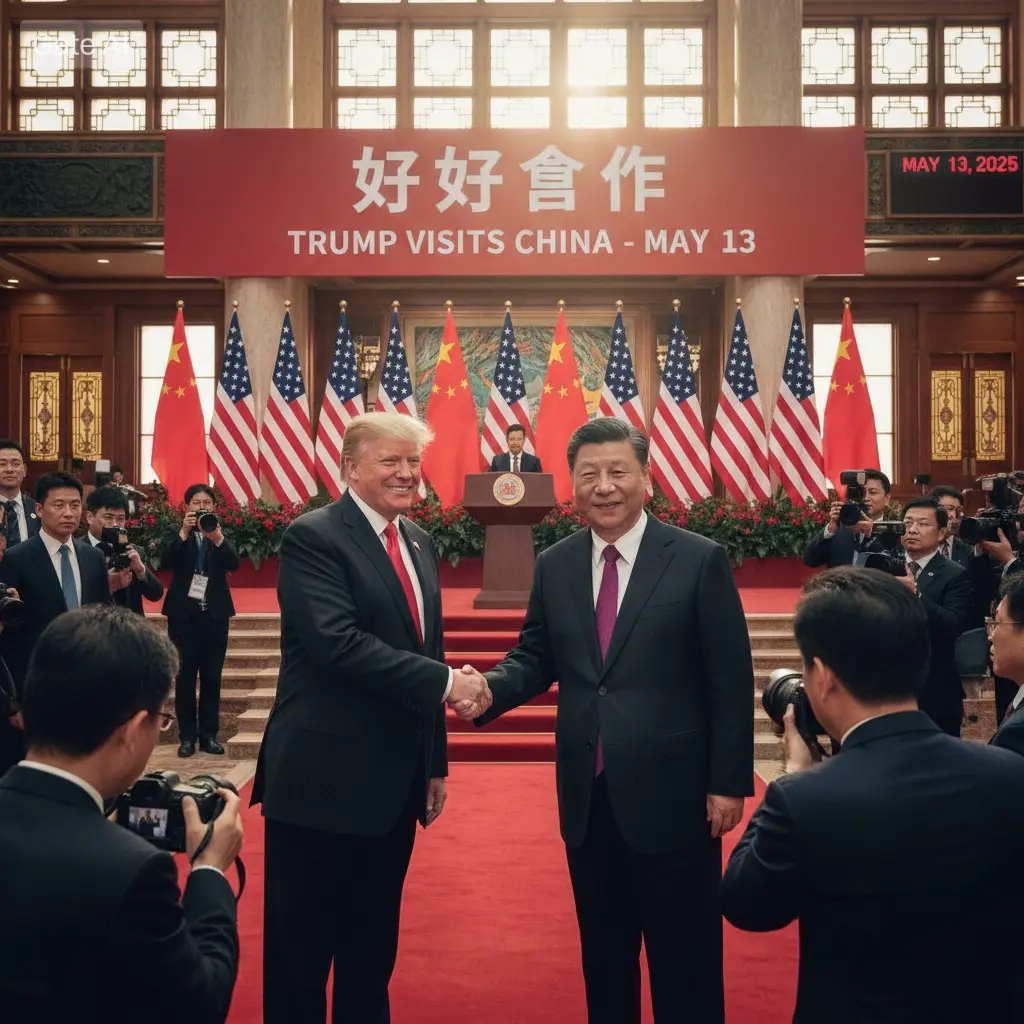
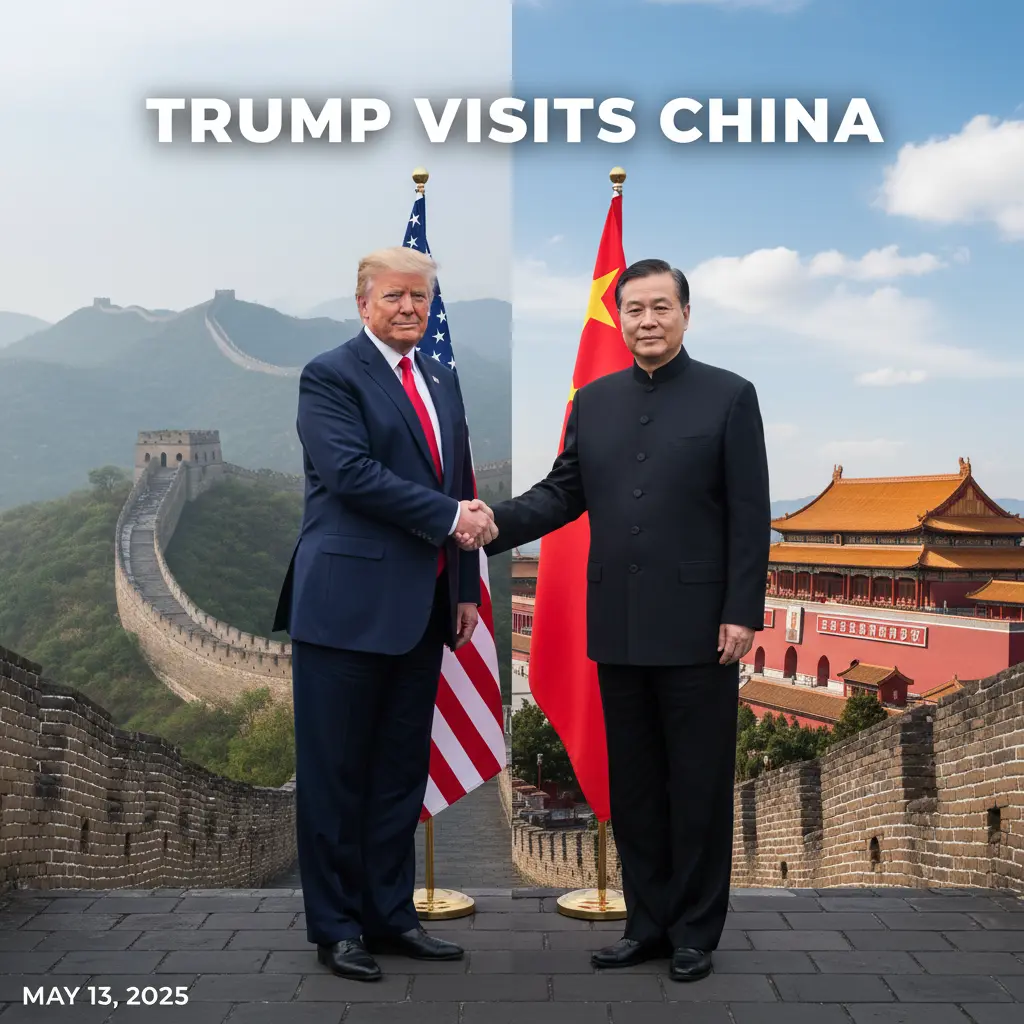
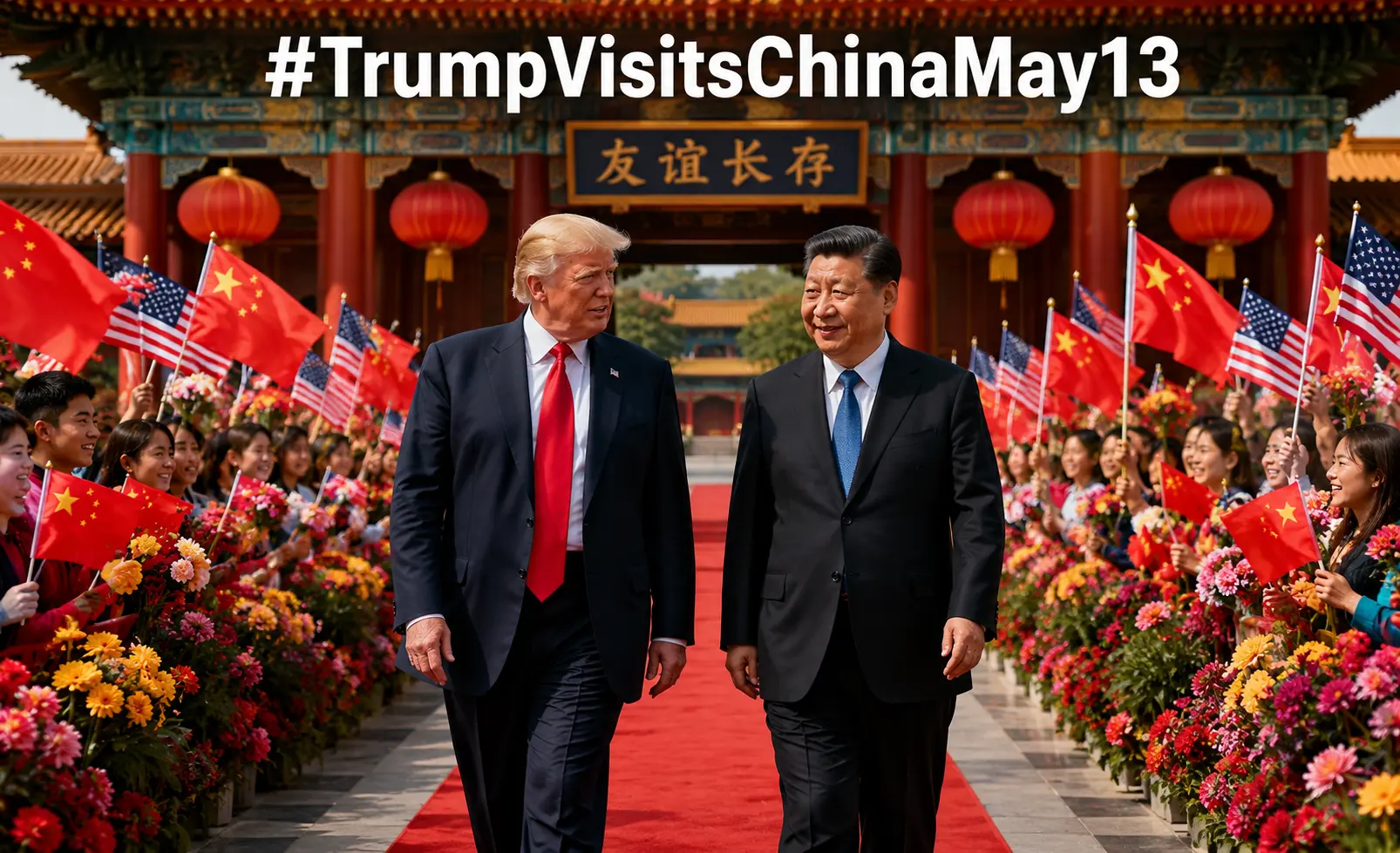
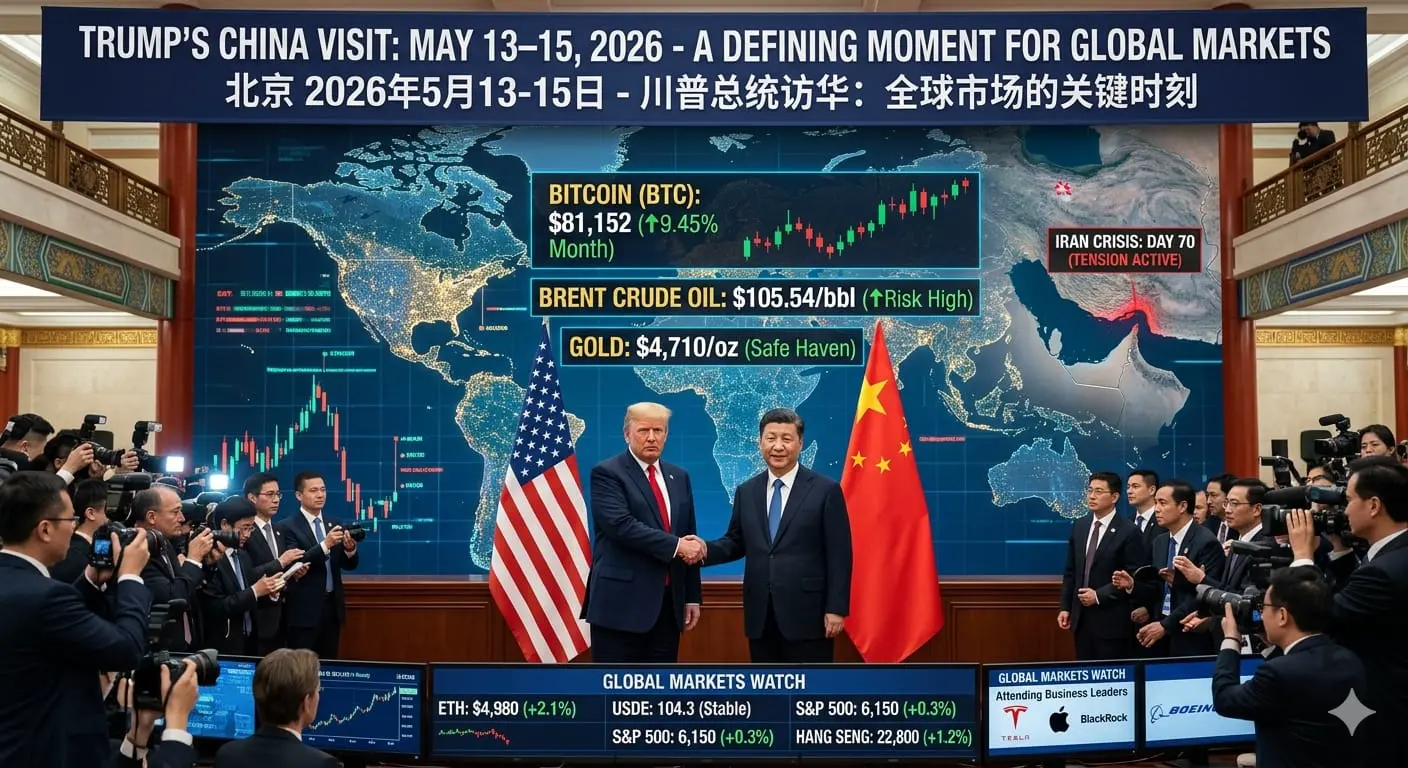
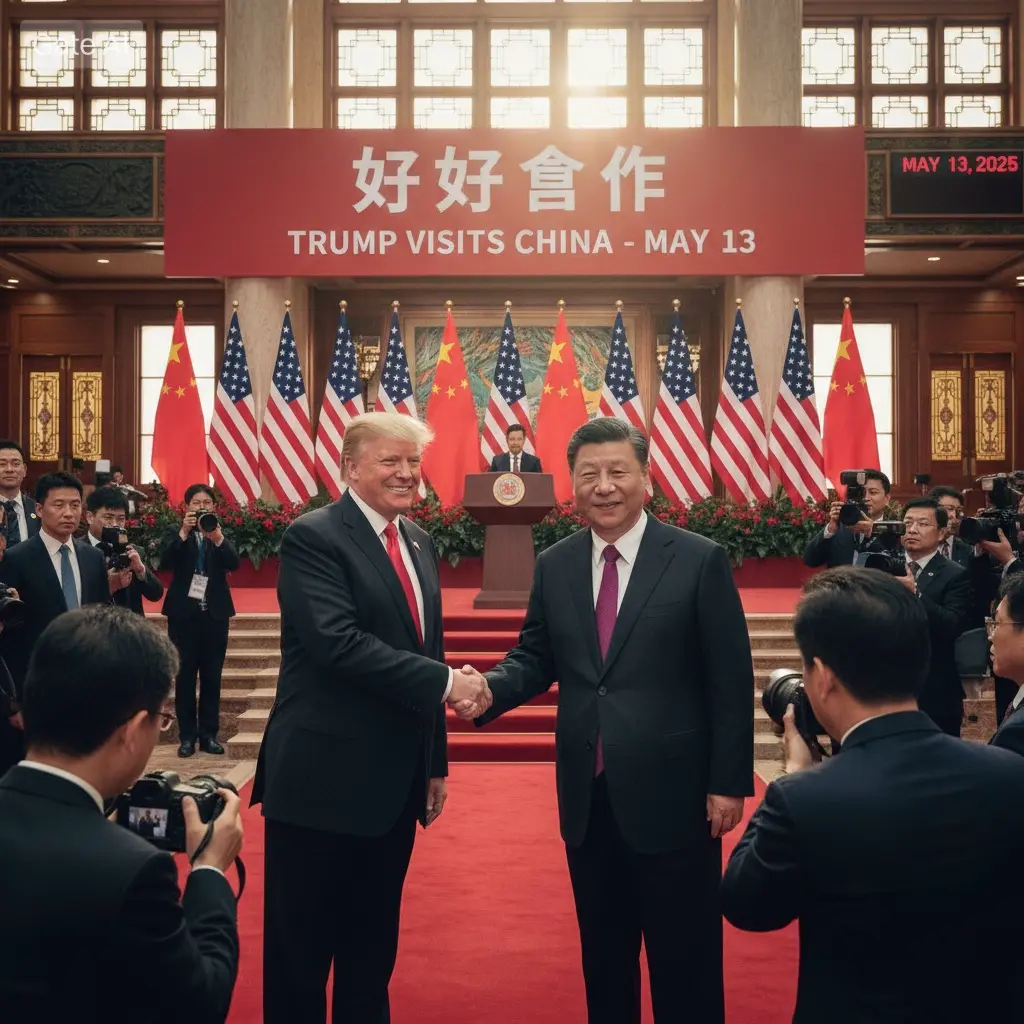
Trump will pay a state visit to China from May 13 to 15, his first since 2017. Topics include tariffs, Iran, Taiwan, AI and critical minerals. The US side will urge China to help facilitate a US Iran ceasefire. Executives from Boeing and Qualcomm will join the trip. Sino US relations are at a critical juncture as global markets watch geopolitical risks.

#TrumpVisitsChinaMay13
THE GLOBAL MARKET RESET HAS BEGUN
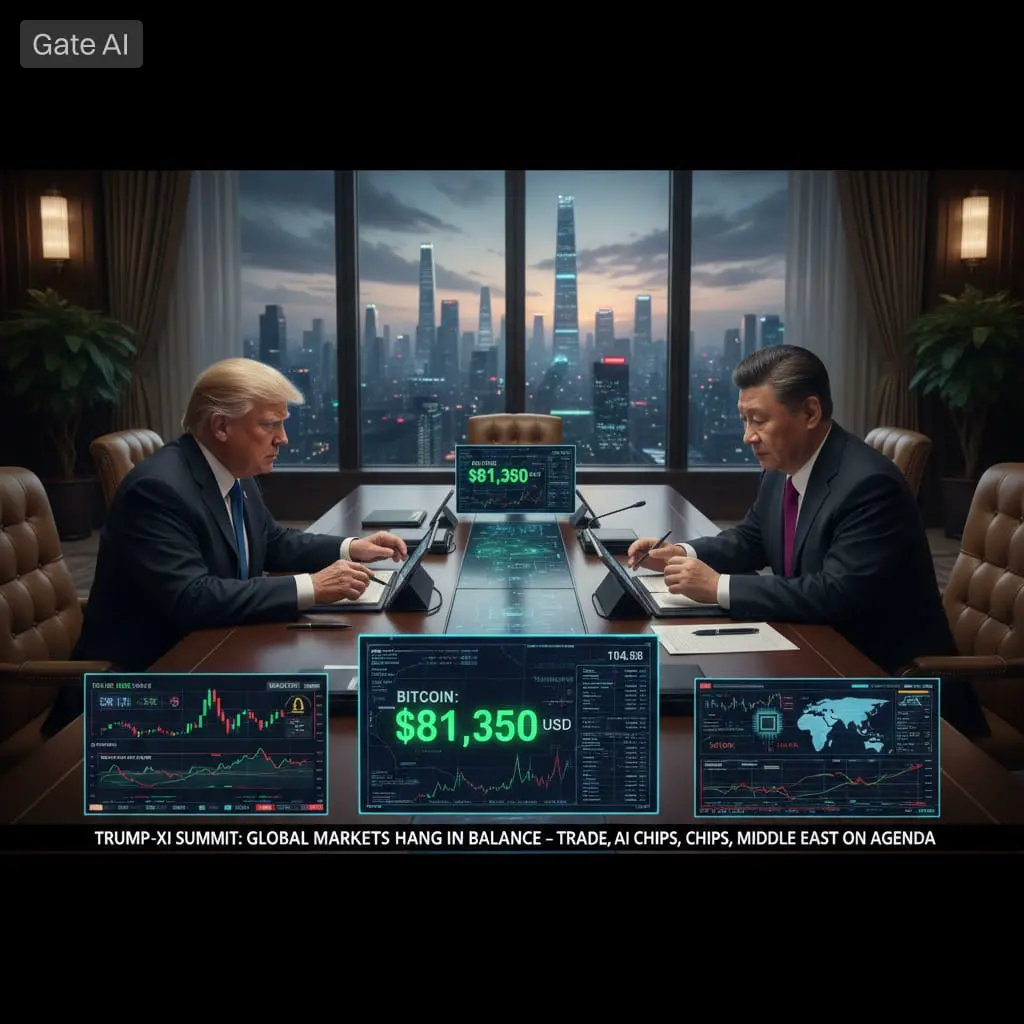
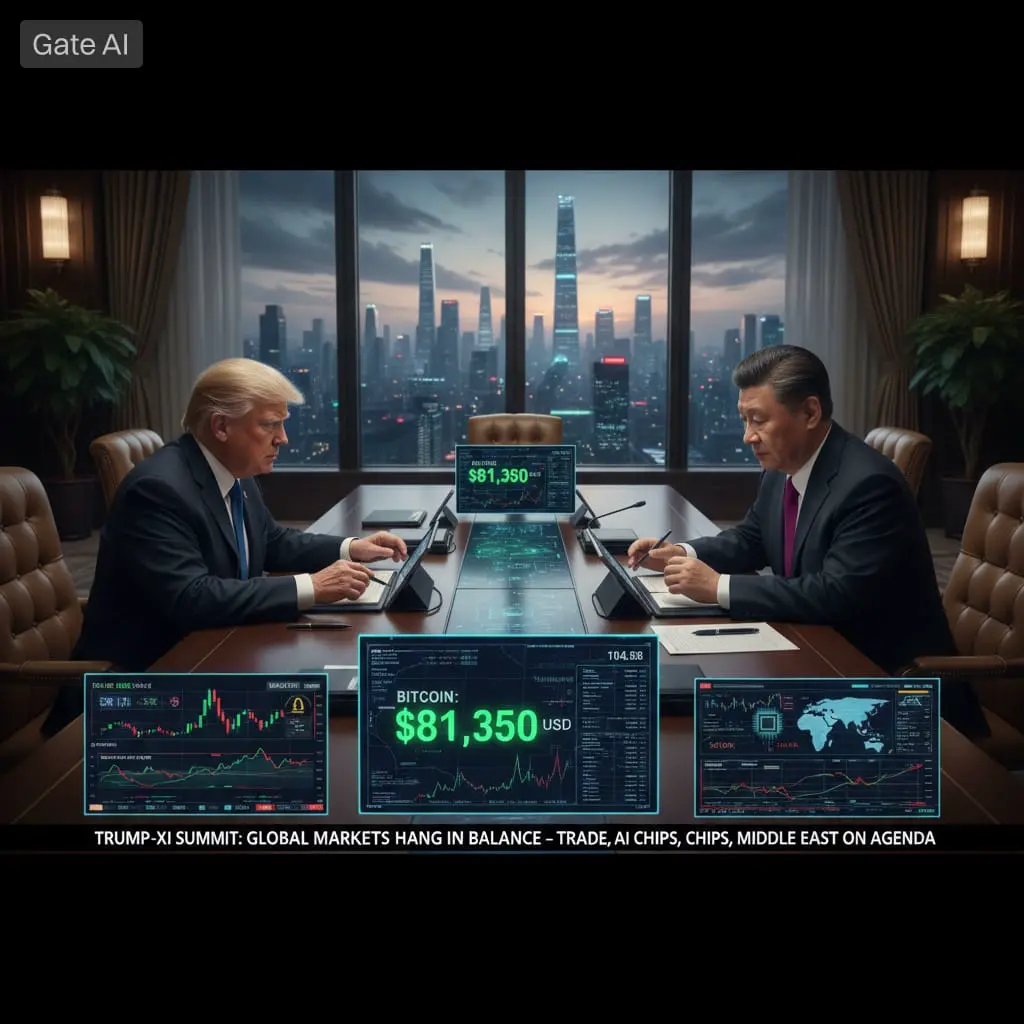
The May 13–15, 2026 Trump–China summit is no longer being viewed as a simple diplomatic visit. Financial markets across the world are treating it as a major macroeconomic trigger capable of reshaping risk sentiment, trade flows, inflation expectations, and capital allocation across every major asset class.
Right now the global system is operating under extreme pressure. Oil prices remain elevated due to ongoing Middle East tensions. Inflation fears continue building. Global debt levels are stretching financial stability, while investors
CryptoChampion
#TrumpVisitsChinaMay13
THE GLOBAL MARKET RESET HAS BEGUN
The May 13–15, 2026 Trump–China summit is no longer being viewed as a simple diplomatic visit. Financial markets across the world are treating it as a major macroeconomic trigger capable of reshaping risk sentiment, trade flows, inflation expectations, and capital allocation across every major asset class.
Right now the global system is operating under extreme pressure. Oil prices remain elevated due to ongoing Middle East tensions. Inflation fears continue building. Global debt levels are stretching financial stability, while investors are simultaneously navigating geopolitical uncertainty and tightening liquidity conditions.
Against this backdrop, the meeting between Donald Trump and Chinese leadership has become one of the most important market-moving events of 2026.
Bitcoin is currently trading near the $81,000 region after recovering more than 30% from previous lows around $62,000. The market remains structurally bullish, but traders are watching the summit closely because macro headlines now dominate short-term momentum.
BTC continues consolidating beneath the major resistance zone between $81,900 and $82,500. A confirmed breakout above this level could open the path toward the $85,000–$88,000 range. However, failure to hold momentum could send Bitcoin back toward the critical $76,600 support area, with liquidation pressure increasing sharply below $75,000.
What makes this situation more dangerous is the level of leverage currently active inside crypto derivatives markets. Open interest remains elevated, meaning even small geopolitical developments could trigger violent liquidations in both directions.
At the same time, institutional accumulation continues supporting the long-term Bitcoin narrative.
Spot Bitcoin ETFs are still recording consistent inflows. Corporate treasury adoption remains active. Large institutional entities continue increasing exposure despite global uncertainty. This steady accumulation is reinforcing Bitcoin’s position as a macro hedge asset during periods of inflation and geopolitical instability.
Meanwhile, the oil market is becoming one of the biggest inflation drivers globally.
Brent crude is trading above $105 while WTI remains close to $100 per barrel. Supply disruption fears connected to tensions around the Strait of Hormuz are forcing traders to price in additional risk premiums. Since nearly one-fifth of global oil supply moves through that route, any escalation could rapidly push oil toward the $120–$150 range.
If that scenario develops, inflation pressure could intensify across transportation, manufacturing, logistics, aviation, and consumer goods sectors worldwide.
Gold is also signaling growing market fear.
The metal has surged above $4,700 per ounce as institutions rotate into defensive assets. This reinforces the broader shift toward safe-haven positioning across global markets. Increasingly, Bitcoin and gold are being treated as parallel hedge instruments against currency debasement, geopolitical shocks, and long-term monetary instability.
The Trump–China summit matters for crypto markets for several additional reasons.
Trade negotiations could directly impact semiconductor supply chains and ASIC mining hardware production. Chinese companies remain dominant in Bitcoin mining equipment manufacturing, meaning tariff adjustments or improved trade relations could significantly affect mining profitability and infrastructure costs worldwide.@Gate_Square
Technology cooperation discussions surrounding artificial intelligence, semiconductors, and digital infrastructure may also influence blockchain development, cloud computing expansion, and long-term crypto adoption trends.
For traders, the current environment demands disciplined risk management.
Volatility is expected to remain extremely high throughout the summit window. Markets are likely to experience aggressive liquidity sweeps, rapid sentiment shifts, and sharp directional moves driven by headlines.
This is no longer just a political event.
It is a full-scale macroeconomic catalyst capable of influencing Bitcoin, oil, equities, commodities, forex markets, and global investor psychology simultaneously.
The next few days could define the direction of financial markets for the remainder of 2026.
#GateSquare #ContentMining
#GateSquareMayTradingShare
repost-content-media
  • Reward
  • Comment
  • Repost
  • Share
#TrumpVisitsChinaMay13
THE GLOBAL MARKET RESET HAS BEGUN
The May 13–15, 2026 Trump–China summit is no longer being viewed as a simple diplomatic visit. Financial markets across the world are treating it as a major macroeconomic trigger capable of reshaping risk sentiment, trade flows, inflation expectations, and capital allocation across every major asset class.
Right now the global system is operating under extreme pressure. Oil prices remain elevated due to ongoing Middle East tensions. Inflation fears continue building. Global debt levels are stretching financial stability, while investors
post-image
  • Reward
  • 1
  • Repost
  • Share
yayaa12:
To The Moon 🌕
#TrumpVisitsChinaMay13
The May 13–15, 2026 visit of Donald Trump to China is emerging as one of the most influential geopolitical and macroeconomic events of the year. Global markets are already under pressure due to rising energy costs, persistent inflation risks, geopolitical instability in the Middle East, and uncertainty in international trade policy.
This summit between the United States and China comes at a time when financial systems are extremely sensitive. Even small developments in diplomacy, tariffs, or geopolitical tone can trigger large movements across Bitcoin, equities, commodi
post-image
post-image
  • Reward
  • Comment
  • Repost
  • Share
#TrumpVisitsChinaMay13
If such a visit takes place, it could mark one of the most significant diplomatic events of the year, with implications for trade, technology, cryptocurrencies, and the overall direction of the global economy.
🌍 Why This Visit Matters
The relationship between the United States and China shapes much of the world’s economic and political landscape. Together, these two superpowers influence:
Global trade and tariffs
Semiconductor and AI competition
Manufacturing and supply chains
Currency markets
Stock markets
Cryptocurrency sentiment
A face-to-face meeting between Trump
post-image
  • Reward
  • 1
  • Repost
  • Share
JOHAR09:
To The Moon 🌕
#TrumpVisitsChinaMay13
The May 13–15, 2026 visit of Donald Trump to China is emerging as one of the most influential geopolitical and macroeconomic events of the year. Global markets are already under pressure due to rising energy costs, persistent inflation risks, geopolitical instability in the Middle East, and uncertainty in international trade policy.
This summit between the United States and China comes at a time when financial systems are extremely sensitive. Even small developments in diplomacy, tariffs, or geopolitical tone can trigger large movements across Bitcoin, equities, commodi
HighAmbition
#TrumpVisitsChinaMay13
The May 13–15, 2026 visit of Donald Trump to China is emerging as one of the most influential geopolitical and macroeconomic events of the year. Global markets are already under pressure due to rising energy costs, persistent inflation risks, geopolitical instability in the Middle East, and uncertainty in international trade policy.
This summit between the United States and China comes at a time when financial systems are extremely sensitive. Even small developments in diplomacy, tariffs, or geopolitical tone can trigger large movements across Bitcoin, equities, commodities, and forex markets.
At present, Bitcoin is trading near $81,150, showing stability after a strong multi-week recovery. Meanwhile, Brent crude oil has surged above $105.54 per barrel, and WTI is trading near $99.80, reflecting ongoing supply concerns linked to geopolitical tensions. Gold has also rallied sharply above $4,700 per ounce, highlighting strong demand for safe-haven assets.
Bitcoin Market Structure — Trading Around $81,000 Zone
Bitcoin remains one of the most closely watched assets during this geopolitical event. BTC is currently trading around $81,150, showing only minor short-term fluctuations of approximately -0.04% in 24 hours, while maintaining a broader bullish structure.
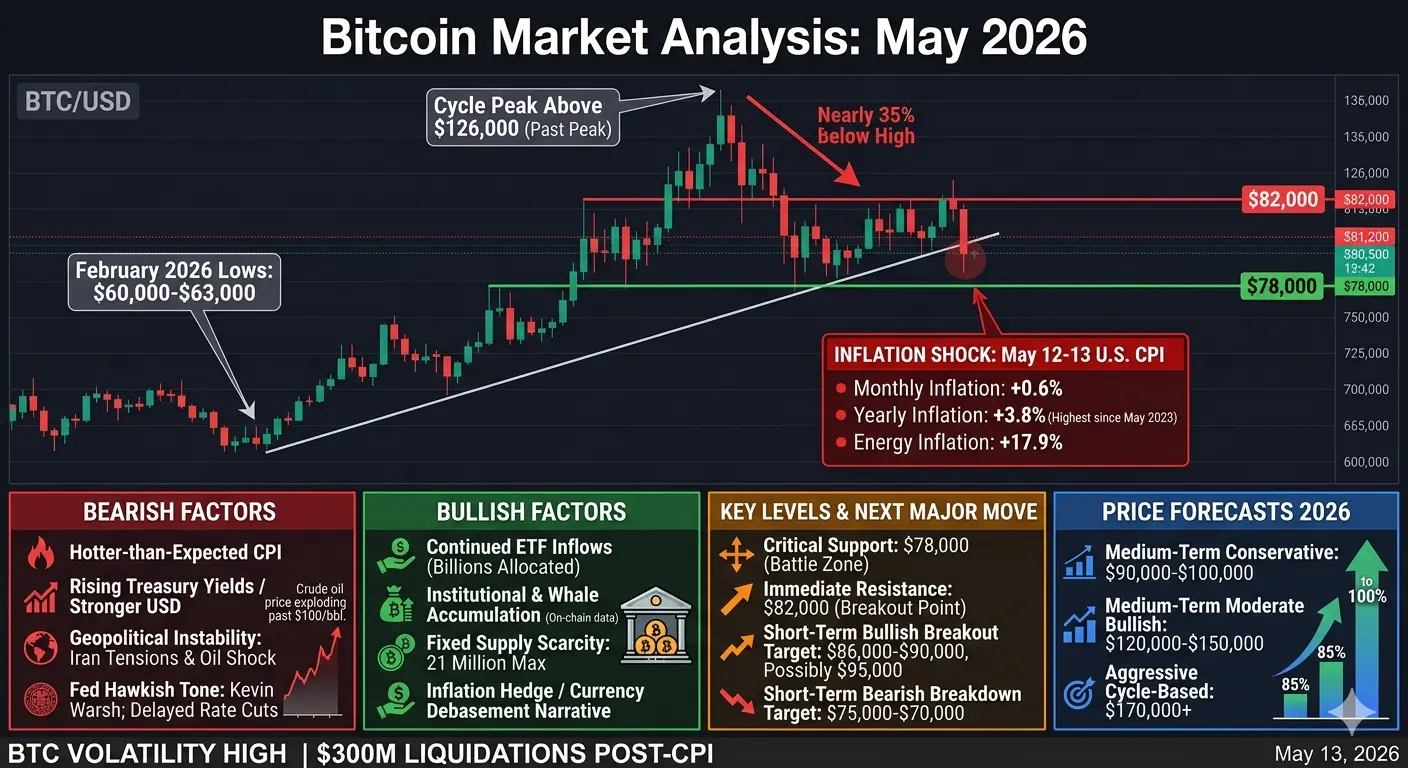
Over the past week, Bitcoin has gained approximately +1.4%, and over the past month it has increased nearly +9.4%, reflecting steady recovery momentum from earlier lows near $62,000, which represents a total rebound of more than +30%.
Key Technical Levels:
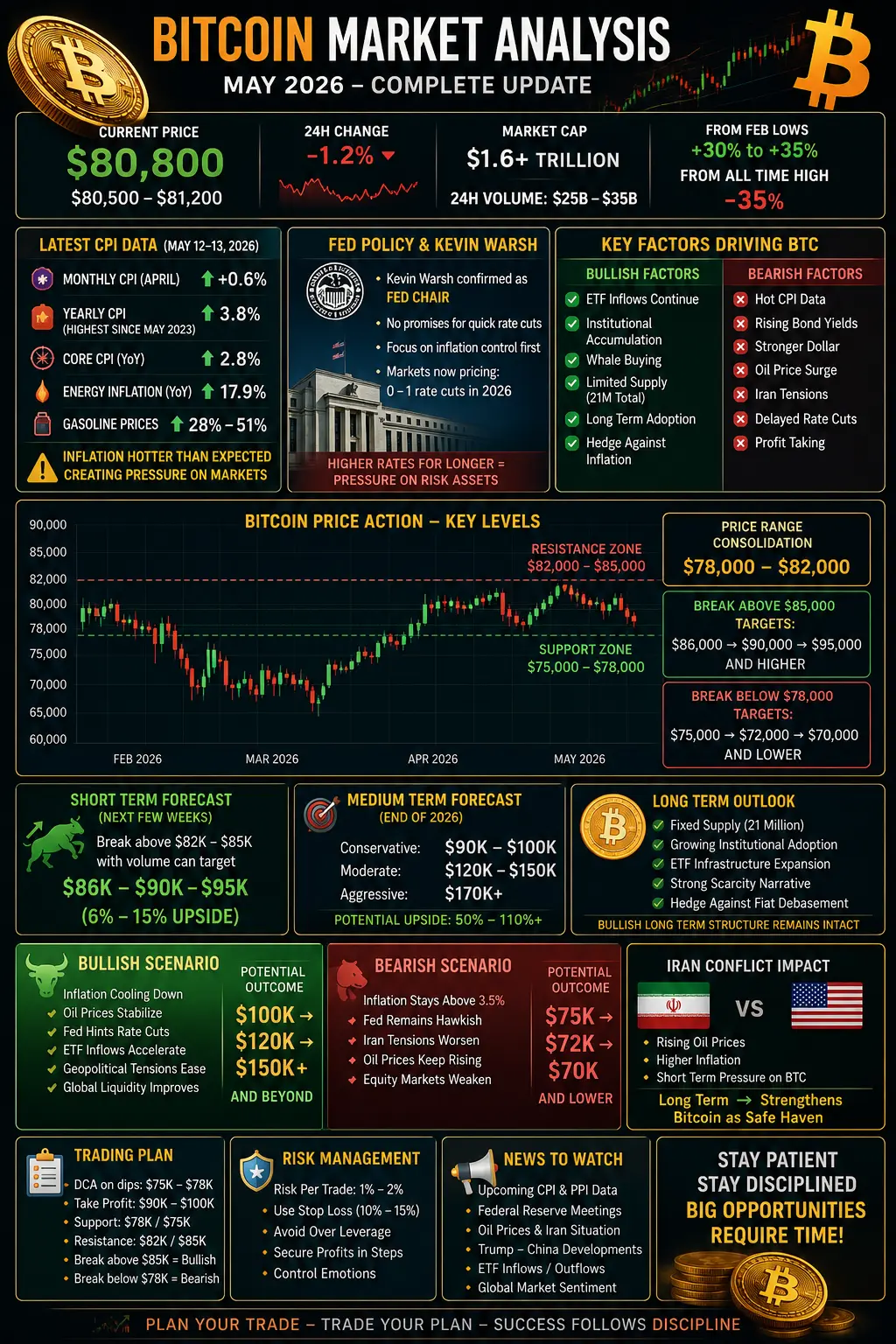
Current Price: ~$81,150
Immediate Resistance: $81,900 – $82,500 (200-day EMA zone)
Breakout Target: $85,000 – $88,000 (+4.7% to +8.5% upside potential)
Major Support: $76,600
Critical Breakdown Zone: $75,000 (liquidity risk area)
Bitcoin is currently consolidating in a tight range, indicating market indecision but also accumulation pressure. High leverage in derivatives markets, with open interest near $9.7 billion, increases the probability of sharp volatility during the Trump–Xi meeting.
Fear & Greed Index is around 42 (neutral zone), showing that the market is neither overheated nor extremely fearful, leaving room for strong directional movement.
Institutional Demand and Market Support Factors
Institutional participation continues to play a major role in Bitcoin’s stability. Large-scale accumulation by institutional players and ETF inflows are supporting long-term demand.
Strategy increased holdings by approximately +535 BTC, bringing total reserves to around 818,869 BTC (~$65.8 billion value)
Spot Bitcoin ETFs continue to show steady inflows
Corporate treasury adoption remains active across multiple regions
This institutional flow is strengthening Bitcoin’s narrative as a macro asset and inflation hedge, especially during periods of global uncertainty.
Oil Market Shock — Inflation Pressure Rising
One of the biggest macro drivers affecting all financial markets is the ongoing Iran–US geopolitical tension, which has lasted nearly 70 days. The conflict has increased fears of disruption in the Strait of Hormuz, a critical route responsible for nearly 20% of global oil supply flow.
Energy Price Movement:
Brent Crude Oil: $105.54 (+4% recent surge)
WTI Crude Oil: $99.80
Short-term trend: Strong bullish pressure due to supply risk
Rising oil prices are directly contributing to global inflation pressure. Transportation, logistics, food production, aviation, and industrial manufacturing costs are all increasing due to higher energy input prices.
If tensions escalate further, analysts estimate oil could potentially move toward $120 – $150 per barrel, creating a severe inflation shock scenario that could force central banks to maintain higher interest rates for longer periods.
Gold and Safe-Haven Demand
Gold has surged above $4,700 per ounce, reflecting strong demand from institutional and retail investors seeking protection from geopolitical instability and inflation uncertainty.
This movement confirms a broader macro trend:
Rising risk = higher demand for safe assets
Gold and Bitcoin increasingly competing as hedge instruments
Capital rotation into defensive assets during uncertainty
Bitcoin’s long-term narrative as “digital gold” continues strengthening, especially during periods of global instability.
Why Trump–China Summit Matters for Crypto Markets
This diplomatic meeting has direct and indirect implications for the cryptocurrency market.
1. Trade Policy and Tariffs
Any changes in US–China tariffs could impact global supply chains, especially semiconductor and mining hardware industries.
Bitcoin mining equipment is heavily dependent on Chinese manufacturing companies such as Bitmain, MicroBT, and Canaan. Higher tariffs previously increased mining costs across North America.
2. Mining Industry Impact
Positive trade outcomes could:
Reduce ASIC hardware costs
Improve mining profitability
Strengthen listed mining companies
Key publicly traded miners could react strongly:
MARA
RIOT
CLSK
3. Technology and AI Cooperation
The presence of major global tech leaders and financial institutions in discussions signals potential cooperation in AI, semiconductors, and digital infrastructure.
This directly impacts crypto infrastructure, cloud mining, and blockchain scaling solutions.
4. China Crypto Policy Sentiment
While mainland China maintains restrictions on crypto trading and mining, Hong Kong’s regulatory openness has created speculation that gradual institutional crypto exposure may increase in Asia.
Even small improvements in tone can significantly improve global crypto sentiment.
Global Macro Environment and Risk Sentiment
The global economy is currently facing multiple overlapping risks:
High inflation pressure due to oil prices (+105 level)
Elevated global debt levels (~$39 trillion US debt concern)
Geopolitical instability in Middle East
Tight liquidity conditions in financial markets
High derivatives leverage in crypto markets
Despite these risks, investor sentiment remains cautiously optimistic, with approximately:
57% positive sentiment
26% negative sentiment
Remaining neutral/uncertain traders
Market Scenarios During the Summit
Bullish Scenario:
If negotiations between Trump and Xi show progress:
Improved global trade sentiment
Lower risk perception in markets
Bitcoin breakout above $82,500
Potential rally toward $85,000 – $88,000 (+4% to +8.5%)
Strong performance in equities and tech sectors
Bearish Scenario:
If tensions escalate or talks fail:
Risk-off sentiment across global markets
Bitcoin rejection from resistance
Drop toward $76,000 support (-6% downside risk)
Possible liquidation cascade below $75,000 (-7.5% extended risk zone)
Oil could spike further above $110 – $120 range
Trading Strategy Perspective
Current market conditions suggest:
High volatility expected during event window
Range-bound accumulation before breakout
Liquidity hunting likely in both directions
Breakout confirmation required for trend continuation
Risk management is critical due to leveraged positioning
Short-term traders are focusing on:
Range trading between support and resistance
Breakout confirmation entries
Tight stop-loss strategies due to macro uncertainty
Long-term investors continue focusing on:
ETF inflows
Institutional accumulation
Macro hedge narrative (Bitcoin as digital gold)
Conclusion: A Defining Macro Event for 2026 Markets
The Trump–China summit from May 13–15, 2026 represents a critical turning point for global financial markets. With Bitcoin trading above $81,000, oil above $105, gold at record highs, and geopolitical tensions ongoing, the global system is in a highly sensitive equilibrium.
Bitcoin’s key technical structure remains clear:
Resistance: $81,900 – $82,500
Upside target: $85,000 – $88,000 (+8.5%)
Support: $76,600
Critical risk zone: $75,000 (-7% downside trigger area)
Institutional demand continues to support long-term bullish sentiment, but short-term price direction will heavily depend on geopolitical outcomes.
The coming days are expected to deliver high volatility across all major asset classes. Whether diplomacy improves global risk sentiment or tensions escalate further, the market reaction will likely be sharp, fast, and decisive.
Bitcoin, oil, stocks, and gold are all now tightly linked to macro political developments, making this summit one of the most important financial events of 2026.
repost-content-media
  • Reward
  • Comment
  • Repost
  • Share
#DailyPolymarketHotspot #TrumpVisitsChinaMay13 Bitcoin Market Analysis: May 2026
#GateSquareMayTradingShare
Bitcoin is currently navigating a high-stakes tug-of-war, trading between $80,500 and $81,200. Despite aggressive volatility and a "hotter-than-expected" CPI report, the leading cryptocurrency remains resilient, holding a 30-35% gain from its February lows.
🔴 The Macro Headwinds: Why BTC is Stalling
The primary weight on the market stems from a shift in the global macroeconomic landscape:
Inflation Shock: The May CPI report showed yearly inflation jumping to 3.8%, driven largely by a 17
post-image
post-image
  • Reward
  • 5
  • Repost
  • Share
BeautifulDay:
To The Moon 🌕
View More
#TrumpVisitsChinaMay13
The May 13–15, 2026 visit of Donald Trump to China is emerging as one of the most influential geopolitical and macroeconomic events of the year. Global markets are already under pressure due to rising energy costs, persistent inflation risks, geopolitical instability in the Middle East, and uncertainty in international trade policy.
This summit between the United States and China comes at a time when financial systems are extremely sensitive. Even small developments in diplomacy, tariffs, or geopolitical tone can trigger large movements across Bitcoin, equities, commodi
HighAmbition
#TrumpVisitsChinaMay13
The May 13–15, 2026 visit of Donald Trump to China is emerging as one of the most influential geopolitical and macroeconomic events of the year. Global markets are already under pressure due to rising energy costs, persistent inflation risks, geopolitical instability in the Middle East, and uncertainty in international trade policy.
This summit between the United States and China comes at a time when financial systems are extremely sensitive. Even small developments in diplomacy, tariffs, or geopolitical tone can trigger large movements across Bitcoin, equities, commodities, and forex markets.
At present, Bitcoin is trading near $81,150, showing stability after a strong multi-week recovery. Meanwhile, Brent crude oil has surged above $105.54 per barrel, and WTI is trading near $99.80, reflecting ongoing supply concerns linked to geopolitical tensions. Gold has also rallied sharply above $4,700 per ounce, highlighting strong demand for safe-haven assets.
Bitcoin Market Structure — Trading Around $81,000 Zone
Bitcoin remains one of the most closely watched assets during this geopolitical event. BTC is currently trading around $81,150, showing only minor short-term fluctuations of approximately -0.04% in 24 hours, while maintaining a broader bullish structure.
Over the past week, Bitcoin has gained approximately +1.4%, and over the past month it has increased nearly +9.4%, reflecting steady recovery momentum from earlier lows near $62,000, which represents a total rebound of more than +30%.
Key Technical Levels:
Current Price: ~$81,150
Immediate Resistance: $81,900 – $82,500 (200-day EMA zone)
Breakout Target: $85,000 – $88,000 (+4.7% to +8.5% upside potential)
Major Support: $76,600
Critical Breakdown Zone: $75,000 (liquidity risk area)
Bitcoin is currently consolidating in a tight range, indicating market indecision but also accumulation pressure. High leverage in derivatives markets, with open interest near $9.7 billion, increases the probability of sharp volatility during the Trump–Xi meeting.
Fear & Greed Index is around 42 (neutral zone), showing that the market is neither overheated nor extremely fearful, leaving room for strong directional movement.
Institutional Demand and Market Support Factors
Institutional participation continues to play a major role in Bitcoin’s stability. Large-scale accumulation by institutional players and ETF inflows are supporting long-term demand.
Strategy increased holdings by approximately +535 BTC, bringing total reserves to around 818,869 BTC (~$65.8 billion value)
Spot Bitcoin ETFs continue to show steady inflows
Corporate treasury adoption remains active across multiple regions
This institutional flow is strengthening Bitcoin’s narrative as a macro asset and inflation hedge, especially during periods of global uncertainty.
Oil Market Shock — Inflation Pressure Rising
One of the biggest macro drivers affecting all financial markets is the ongoing Iran–US geopolitical tension, which has lasted nearly 70 days. The conflict has increased fears of disruption in the Strait of Hormuz, a critical route responsible for nearly 20% of global oil supply flow.
Energy Price Movement:
Brent Crude Oil: $105.54 (+4% recent surge)
WTI Crude Oil: $99.80
Short-term trend: Strong bullish pressure due to supply risk
Rising oil prices are directly contributing to global inflation pressure. Transportation, logistics, food production, aviation, and industrial manufacturing costs are all increasing due to higher energy input prices.
If tensions escalate further, analysts estimate oil could potentially move toward $120 – $150 per barrel, creating a severe inflation shock scenario that could force central banks to maintain higher interest rates for longer periods.
Gold and Safe-Haven Demand
Gold has surged above $4,700 per ounce, reflecting strong demand from institutional and retail investors seeking protection from geopolitical instability and inflation uncertainty.
This movement confirms a broader macro trend:
Rising risk = higher demand for safe assets
Gold and Bitcoin increasingly competing as hedge instruments
Capital rotation into defensive assets during uncertainty
Bitcoin’s long-term narrative as “digital gold” continues strengthening, especially during periods of global instability.
Why Trump–China Summit Matters for Crypto Markets
This diplomatic meeting has direct and indirect implications for the cryptocurrency market.
1. Trade Policy and Tariffs
Any changes in US–China tariffs could impact global supply chains, especially semiconductor and mining hardware industries.
Bitcoin mining equipment is heavily dependent on Chinese manufacturing companies such as Bitmain, MicroBT, and Canaan. Higher tariffs previously increased mining costs across North America.
2. Mining Industry Impact
Positive trade outcomes could:
Reduce ASIC hardware costs
Improve mining profitability
Strengthen listed mining companies
Key publicly traded miners could react strongly:
MARA
RIOT
CLSK
3. Technology and AI Cooperation
The presence of major global tech leaders and financial institutions in discussions signals potential cooperation in AI, semiconductors, and digital infrastructure.
This directly impacts crypto infrastructure, cloud mining, and blockchain scaling solutions.
4. China Crypto Policy Sentiment
While mainland China maintains restrictions on crypto trading and mining, Hong Kong’s regulatory openness has created speculation that gradual institutional crypto exposure may increase in Asia.
Even small improvements in tone can significantly improve global crypto sentiment.
Global Macro Environment and Risk Sentiment
The global economy is currently facing multiple overlapping risks:
High inflation pressure due to oil prices (+105 level)
Elevated global debt levels (~$39 trillion US debt concern)
Geopolitical instability in Middle East
Tight liquidity conditions in financial markets
High derivatives leverage in crypto markets
Despite these risks, investor sentiment remains cautiously optimistic, with approximately:
57% positive sentiment
26% negative sentiment
Remaining neutral/uncertain traders
Market Scenarios During the Summit
Bullish Scenario:
If negotiations between Trump and Xi show progress:
Improved global trade sentiment
Lower risk perception in markets
Bitcoin breakout above $82,500
Potential rally toward $85,000 – $88,000 (+4% to +8.5%)
Strong performance in equities and tech sectors
Bearish Scenario:
If tensions escalate or talks fail:
Risk-off sentiment across global markets
Bitcoin rejection from resistance
Drop toward $76,000 support (-6% downside risk)
Possible liquidation cascade below $75,000 (-7.5% extended risk zone)
Oil could spike further above $110 – $120 range
Trading Strategy Perspective
Current market conditions suggest:
High volatility expected during event window
Range-bound accumulation before breakout
Liquidity hunting likely in both directions
Breakout confirmation required for trend continuation
Risk management is critical due to leveraged positioning
Short-term traders are focusing on:
Range trading between support and resistance
Breakout confirmation entries
Tight stop-loss strategies due to macro uncertainty
Long-term investors continue focusing on:
ETF inflows
Institutional accumulation
Macro hedge narrative (Bitcoin as digital gold)
Conclusion: A Defining Macro Event for 2026 Markets
The Trump–China summit from May 13–15, 2026 represents a critical turning point for global financial markets. With Bitcoin trading above $81,000, oil above $105, gold at record highs, and geopolitical tensions ongoing, the global system is in a highly sensitive equilibrium.
Bitcoin’s key technical structure remains clear:
Resistance: $81,900 – $82,500
Upside target: $85,000 – $88,000 (+8.5%)
Support: $76,600
Critical risk zone: $75,000 (-7% downside trigger area)
Institutional demand continues to support long-term bullish sentiment, but short-term price direction will heavily depend on geopolitical outcomes.
The coming days are expected to deliver high volatility across all major asset classes. Whether diplomacy improves global risk sentiment or tensions escalate further, the market reaction will likely be sharp, fast, and decisive.
Bitcoin, oil, stocks, and gold are all now tightly linked to macro political developments, making this summit one of the most important financial events of 2026.
repost-content-media
  • Reward
  • Comment
  • Repost
  • Share
#TrumpVisitsChinaMay13
Global financial markets are entering a high-volatility phase as attention intensifies around the geopolitical narrative of Trump’s May 13 China visit discussions. Whether viewed as diplomacy, trade negotiation signaling, or strategic economic positioning, this type of US–China engagement instantly becomes a catalyst for global market sentiment — and traders across crypto, equities, forex, and commodities are reacting aggressively.
Donald Trump remains one of the most market-sensitive political figures in the world. Any development connected to his foreign policy stance
  • Reward
  • Comment
  • Repost
  • Share
#TrumpVisitsChinaMay13
The geopolitical and economic landscape of 2026 has reached a critical intersection where digital scarcity meets physical rarity. As global markets face heightening tension, the relationship between Bitcoin (BTC), critical minerals, and the broader crypto ecosystem is coming under intense scrutiny.
​The Diplomatic Crossroads: US-China Relations
​A pivotal moment in this scenario is the state visit of Donald Trump to China, scheduled from May 13 to 15, 2026 .
🟡This visit marks a significant diplomatic effort to address volatile global issues:
​🟡Critical Minerals Stra
post-image
  • Reward
  • Comment
  • Repost
  • Share
#TrumpVisitsChinaMay13
The May 13–15, 2026 visit of Donald Trump to China is emerging as one of the most influential geopolitical and macroeconomic events of the year. Global markets are already under pressure due to rising energy costs, persistent inflation risks, geopolitical instability in the Middle East, and uncertainty in international trade policy.
This summit between the United States and China comes at a time when financial systems are extremely sensitive. Even small developments in diplomacy, tariffs, or geopolitical tone can trigger large movements across Bitcoin, equities, commodi
post-image
post-image
  • Reward
  • 28
  • Repost
  • Share
BeautifulDay:
To The Moon 🌕
View More
Load More