Dragon_fly3

vip
Age 0.3 Year
Peak Tier 0
No content yet
#TradFiCFDGoldMasters
Understanding TradFi CFD: Your Gateway to Gold Mastery
Traditional Finance, commonly known as TradFi, represents a revolutionary approach to trading conventional financial assets through modern digital platforms. At its core, TradFi encompasses traditional financial instruments including gold, forex, indices, commodities, and stocks. The Contract for Difference (CFD) mechanism allows traders to speculate on price movements without actually owning the underlying physical assets. This innovative trading method has transformed how investors interact with global markets, mak
HighAmbition
#TradFiCFDGoldMasters
Understanding TradFi CFD: Your Gateway to Gold Mastery
Traditional Finance, commonly known as TradFi, represents a revolutionary approach to trading conventional financial assets through modern digital platforms. At its core, TradFi encompasses traditional financial instruments including gold, forex, indices, commodities, and stocks. The Contract for Difference (CFD) mechanism allows traders to speculate on price movements without actually owning the underlying physical assets. This innovative trading method has transformed how investors interact with global markets, making sophisticated financial instruments accessible to a broader audience.
Gate platform stands at the forefront of this financial evolution, offering one of the most comprehensive TradFi CFD trading experiences in the cryptocurrency exchange ecosystem. The platform enables users to trade gold and other traditional assets with the same ease and efficiency they experience when trading digital currencies. What makes Gate particularly exceptional is its commitment to providing professional-grade trading tools while maintaining user-friendly interfaces that cater to both novice and experienced traders.
The fundamental concept behind CFD trading involves entering into a contract where you agree to exchange the difference in price of an asset from when the position is opened to when it is closed. When trading gold CFDs on Gate, you are essentially predicting whether the price of gold will rise or fall against the US dollar. If your prediction proves correct, you profit from the price differential. This mechanism eliminates the need for physical storage, insurance, or security concerns associated with owning actual gold bullion, while still allowing you to benefit from gold price movements.
Gate platform utilizes USDx as its margin currency for TradFi CFD trading, which is pegged one-to-one with USDT. This stablecoin-based approach ensures that your trading capital maintains consistent value while you engage with volatile traditional markets. The platform requires no manual conversion processes or additional custody charges, streamlining the entire trading experience. Your positions remain fully backed by USDT, providing transparency and security throughout your trading journey.
The trading process on Gate begins with accessing the TradFi section through the mobile application. Users must ensure they are running version 8.4.0 or above to access these features. Upon entering the TradFi CFD section, traders agree to the trading protocol and establish their CFD trading account. The transfer button facilitates seamless movement of funds from your main account to your dedicated CFD trading account, ensuring proper capital allocation for your traditional asset ventures.
Once your account is funded, you can select from various popular trading pairs. Gold trading is represented by the XAUUSD pair, which tracks the international gold price movements. Other available instruments include silver (XAGUSD), platinum (XPTUSD), WTI crude oil (XTIUSD), and the NASDAQ 100 index (NAS100). This diverse selection allows traders to build comprehensive portfolios spanning multiple asset classes, all within a single integrated platform.
The actual trading execution involves choosing your market direction, either buying (going long) when you anticipate price appreciation, or selling (going short) when you expect price depreciation. You then specify your trading amount and execute the order. Gate supports market orders, trigger orders, and take-profit/stop-loss configurations, providing flexibility in how you enter and manage positions.
Understanding the mechanics of leverage is crucial for aspiring Gold Masters. Leverage in CFD trading allows you to control a larger position size than your actual capital would typically permit. This amplification effect means that even small price movements in gold can generate significant returns on your investment. However, it is equally important to recognize that leverage magnifies both profits and losses, making risk management an essential component of successful trading.
Gate platform implements cross-margin mode for all TradFi CFD positions, meaning your available margin is shared across all open positions. This approach offers certain advantages in terms of capital efficiency, as winning positions can help offset margin requirements for losing positions. The liquidation trigger occurs when your margin level reaches fifty percent, providing a safety mechanism to protect against catastrophic losses.
The trading hours for TradFi CFDs follow traditional market schedules, with fixed sessions and market closures, unlike cryptocurrency markets that operate twenty-four hours a day, seven days a week. This characteristic requires traders to be mindful of market opening and closing times, as well as weekend gaps that may affect position valuations. During market closure periods, swap fees may apply, representing the cost of holding positions overnight or through market closures.
To become a true Gold Master through Gate TradFi CFD trading, one must develop a comprehensive understanding of the factors influencing gold prices. Gold serves as both a safe-haven asset and an inflation hedge, responding to various macroeconomic indicators including interest rate decisions, inflation data, geopolitical tensions, and currency fluctuations. The relationship between gold and the US dollar is particularly significant, as these assets typically exhibit inverse correlation. When the dollar weakens, gold often strengthens, and vice versa.
Successful gold trading requires technical analysis skills to identify entry and exit points. Chart patterns, support and resistance levels, moving averages, and momentum indicators all play crucial roles in timing market entries. Fundamental analysis complements technical approaches by providing context for price movements based on economic data releases, central bank policies, and global events that drive investor sentiment toward or away from gold.
Risk management separates amateur traders from Gold Masters. Establishing appropriate position sizes relative to your account balance ensures that no single trade can devastate your capital. Setting stop-loss orders at logical technical levels protects against adverse market movements while allowing your trades sufficient breathing room to develop. Take-profit targets should be established based on realistic price projections, securing gains when the market reaches favorable levels.
Gate platform provides the institutional-grade infrastructure necessary for serious gold traders. The platform risk control systems monitor positions continuously, providing real-time margin updates and liquidation warnings. The best bid and ask pricing ensures competitive execution, while the straightforward settlement process automatically converts non-USD assets to USD at position closure.
The journey to becoming a Gold Master involves continuous education and practice. Gate supports this development through its comprehensive trading environment where users can apply strategies, analyze results, and refine their approaches. The platform commitment to innovation means that new features and improvements are regularly introduced, enhancing the trading experience for all users.
Community engagement also plays a vital role in trading success. Gate vibrant ecosystem connects traders from around the world, facilitating knowledge sharing and strategy discussions. Participating in platform events and competitions can accelerate learning while providing opportunities to earn additional rewards and recognition within the trading community.
The psychological aspect of trading cannot be overlooked. Gold Masters develop emotional discipline, avoiding impulsive decisions driven by fear or greed. They maintain detailed trading journals, reviewing both successful and unsuccessful trades to identify patterns and areas for improvement. This systematic approach to self-improvement distinguishes professional traders from casual participants.
In conclusion, TradFi CFD trading on Gate represents a sophisticated yet accessible pathway to gold market participation. By combining the stability and historical significance of gold with modern trading infrastructure, Gate empowers users to pursue Gold Master status through disciplined strategy, continuous learning, and effective risk management. The platform commitment to security, transparency, and user experience makes it an ideal environment for both beginners starting their gold trading journey and experienced traders seeking advanced tools and features. As traditional finance and digital assets continue to converge, Gate position at this intersection provides unique opportunities for traders ready to master the art of gold CFD trading.
@Gate_Square #MyGateTradeStory

repost-content-media
  • Reward
  • Comment
  • Repost
  • Share
#MarvellSurgesOver11%LeadingChipSectorWithAI
Marvell Technology Stock Surges Over 11 Percent Leading the Chip Sector with AI Innovation
Marvell Technology has emerged as one of the most compelling stories in the semiconductor industry, with its stock experiencing a remarkable surge of over 11 percent that has captured worldwide investor attention. This comprehensive analysis explores every aspect of Marvell's recent performance, its leadership position in the AI chip sector, and what the future holds for this rapidly evolving company.
Current Price Position and Recent Market Performance
Marve
HighAmbition
#MarvellSurgesOver11%LeadingChipSectorWithAI
Marvell Technology Stock Surges Over 11 Percent Leading the Chip Sector with AI Innovation
Marvell Technology has emerged as one of the most compelling stories in the semiconductor industry, with its stock experiencing a remarkable surge of over 11 percent that has captured worldwide investor attention. This comprehensive analysis explores every aspect of Marvell's recent performance, its leadership position in the AI chip sector, and what the future holds for this rapidly evolving company.
Current Price Position and Recent Market Performance
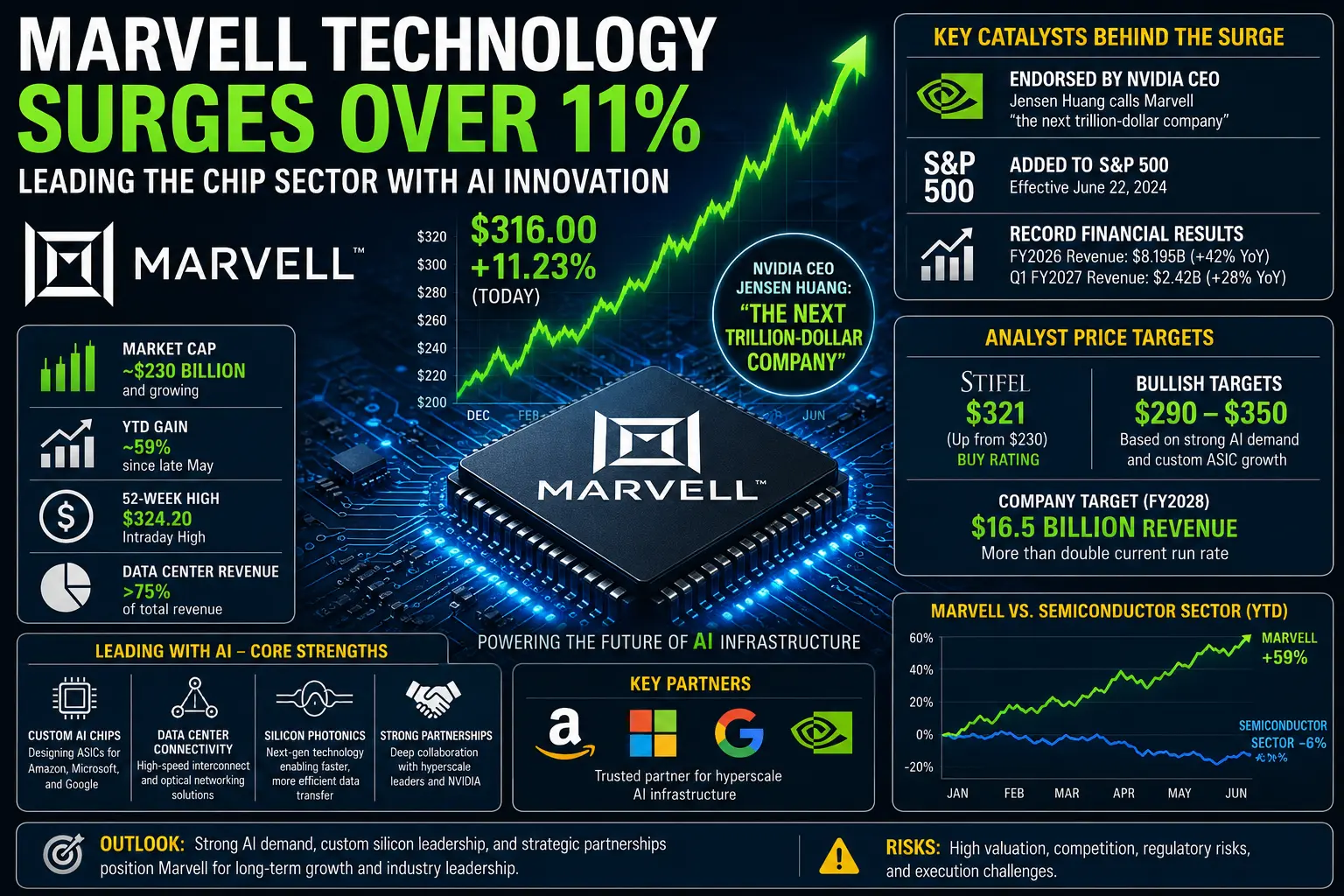
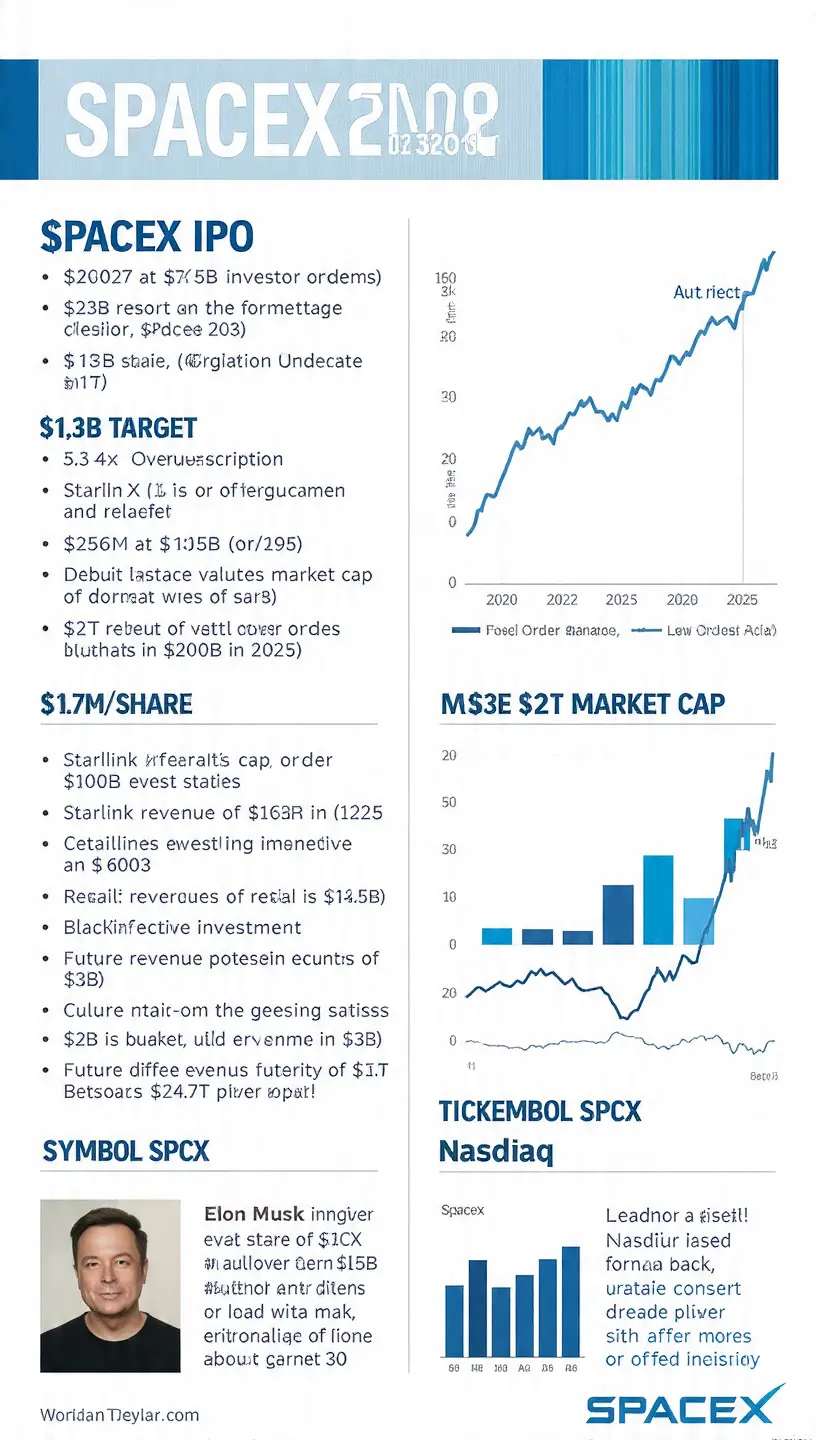
Marvell Technology currently trades at approximately $316 per share, having reached intraday highs of $324.20 in recent trading sessions. The company's market capitalization has expanded to approximately $230 billion, representing a dramatic transformation from its position just months ago. This valuation places Marvell among the most valuable semiconductor companies globally.
The stock has gained approximately 59 percent since late May, with weekly gains exceeding 55 percent following key catalysts that reshaped market sentiment. This performance comes despite broader semiconductor sector volatility that has seen other chip stocks experience significant declines.
Understanding the 11 Percent Surge Detailed Analysis
The recent surge in Marvell's stock price represents the culmination of multiple positive developments. First, Nvidia Chief Executive Officer Jensen Huang's public endorsement at Computex 2024 provided unprecedented validation, calling Marvell "the next trillion-dollar company." This endorsement from the most influential figure in the artificial intelligence chip industry immediately transformed market sentiment.
Second, Marvell's confirmed inclusion in the S&P 500 index, effective June 22, 2024, has created substantial demand from index funds and institutional investors required to hold S&P 500 constituents.
Third, the company reported record financial results with fiscal year 2026 revenue reaching $8.195 billion, representing a 42 percent year-over-year increase. First-quarter fiscal 2027 results showed revenue of $2.42 billion, up 28 percent year-over-year, with the data center business comprising more than three-quarters of total revenue.
Forecast Price Targets and Analyst Expectations
Wall Street analysts have responded by significantly raising price targets. Stifel recently upgraded its price target to $321 from $230, citing stronger-than-expected demand trends in artificial intelligence data center infrastructure. Some bullish analysts have suggested price targets as high as $290 to $350.
The company has provided guidance for fiscal second-quarter 2027 revenue of approximately $2.70 billion and non-GAAP earnings per share of $0.93. Looking further ahead, Marvell has established an ambitious fiscal year 2028 revenue target of $16.5 billion.
Trading Strategy Considerations
For traders considering Marvell positions, short-term momentum traders might focus on continuation strategies while maintaining strict risk management given the stock's elevated volatility. Long-term investors should concentrate on fundamental business drivers rather than short-term price movements. Dollar-cost averaging strategies may be appropriate for building positions gradually given the stock's volatility.
How High Can Marvell Go Price Potential Analysis
Based on current analyst targets and the company's growth trajectory, price levels between $350 and $400 represent achievable near-term targets if the company continues meeting expectations. For Marvell to reach trillion-dollar market capitalization, the stock would need significant appreciation requiring sustained execution over multiple years.
Key Support and Resistance Levels Technical Analysis
Support levels include approximately $260 to $280, with more significant support around $165. Resistance levels are less clearly defined given the breakout to new all-time highs, but psychological resistance may emerge around $350 to $400. Technical indicators suggest strong momentum, though some divergence could signal potential trend reversal risks.
Leading the Chip Sector After the 11 Percent Surge
Following its impressive surge, Marvell has established itself as a leader within the broader semiconductor sector. Unlike traditional chip manufacturers competing directly with Nvidia in graphics processing units, Marvell has carved out a specialized niche as an essential infrastructure partner for hyperscale cloud providers. This positioning has allowed the company to benefit from AI infrastructure spending without directly competing against Nvidia's dominant market position.
Detailed Explanation of AI Leadership in the Chip Sector
Marvell Technology has emerged as a dominant force in the artificial intelligence chip sector through its specialized focus on custom application-specific integrated circuits and data center connectivity solutions. The company's core strategic advantage lies in designing tailor-made chips for major technology companies including Amazon, Microsoft, and Google.
These custom ASIC programs include Amazon's Trainium chips for artificial intelligence training and inference, Microsoft's Maia processors for Azure AI and OpenAI inference workloads, and Google's Axion custom CPU and adjacent AI programs. This partnership model has created an effective duopoly in the hyperscaler custom silicon market, with Marvell and Broadcom collectively enabling more than 80 percent of hyperscaler custom AI silicon deployments.
Marvell's custom silicon revenue grew from essentially zero to $1.5 billion in fiscal year 2026. The company projects this segment will surpass $10 billion by fiscal year 2029, representing exceptional growth that far exceeds the broader semiconductor industry.
Understanding AI Leadership What Leading with AI Means
When we say Marvell is leading the chip sector with AI, we refer to several interconnected dimensions of leadership. First, Marvell leads in custom AI silicon design, creating specialized processors that optimize performance for specific artificial intelligence workloads. These custom chips deliver superior performance per watt and lower total cost of ownership for hyperscale operators.
Second, Marvell leads in data center connectivity and networking solutions that enable AI infrastructure at scale. As AI models grow increasingly complex and data centers scale to thousands of interconnected processors, the challenge of moving data efficiently between compute nodes has become paramount. Marvell's interconnect technologies play an essential role in linking these massive compute clusters.
Third, Marvell leads in silicon photonics technology, representing the next generation of data center connectivity. The company's PAM DSP technology enhances high-speed data transfer and network reliability in hyperscale data centers, creating deep customer relationships and significant switching costs.
The AI Infrastructure Ecosystem and Marvell's Role
Marvell has positioned itself at the critical intersection of AI compute, networking, and data movement. As Jensen Huang noted, AI bottlenecks are shifting from raw compute power to data movement. When computing challenges are distributed throughout entire data centers, connectivity becomes crucial. Marvell's technologies address this critical need, making the company an essential enabler of next-generation AI infrastructure.
The company's collaboration with Nvidia, including a $2 billion investment earlier in 2024, demonstrates the strategic importance of Marvell's technology. This partnership enables customers to seamlessly integrate Marvell's custom AI chips with Nvidia's networking gear and central processors.
Competitive Positioning and Market Dynamics
Marvell competes primarily with Broadcom in the custom ASIC market, with both companies effectively controlling the majority of hyperscaler custom silicon design partnerships. This market requires deep technical expertise, long development cycles, and trusted relationships with hyperscale customers. These barriers protect Marvell's market position and create potential for sustained above-market growth.
Future Plans and Strategic Initiatives
Marvell's future plans center on capitalizing on the expanding AI infrastructure market. The company plans to expand its custom ASIC business by securing additional design wins and deepening existing partnerships. Marvell has already secured more than 50 custom AI design opportunities across more than 10 customers.
The company also plans continued investment in silicon photonics and advanced networking technologies, and expansion into adjacent markets including automotive and enterprise networking.
Risk Factors and Considerations
Despite the compelling growth narrative, investors should remain aware of risk factors. The stock's rapid appreciation has created elevated valuation metrics leaving limited margin for execution errors. Competitive dynamics could intensify as other semiconductor companies seek to capture share in this high-growth segment. Regulatory risks related to export controls could impact the company's ability to serve certain customers or markets.
Conclusion and Investment Outlook
Marvell Technology's surge of over 11 percent reflects a fundamental re-evaluation of its strategic positioning in the AI infrastructure ecosystem. The company's partnerships with Amazon, Microsoft, and Google, combined with technology leadership in networking and interconnect solutions, create a compelling long-term growth story.
While current valuations require careful consideration and execution risk remains elevated, Marvell's role in enabling next-generation AI infrastructure positions it as a key beneficiary of the ongoing AI revolution. The combination of strong fundamentals, strategic positioning, and market leadership suggests Marvell may continue outperforming the broader semiconductor sector as AI adoption accelerates.
@Gate_Square #MyGateTradeStory
repost-content-media
  • Reward
  • Comment
  • Repost
  • Share
#USPPIHits2.5YearHigh
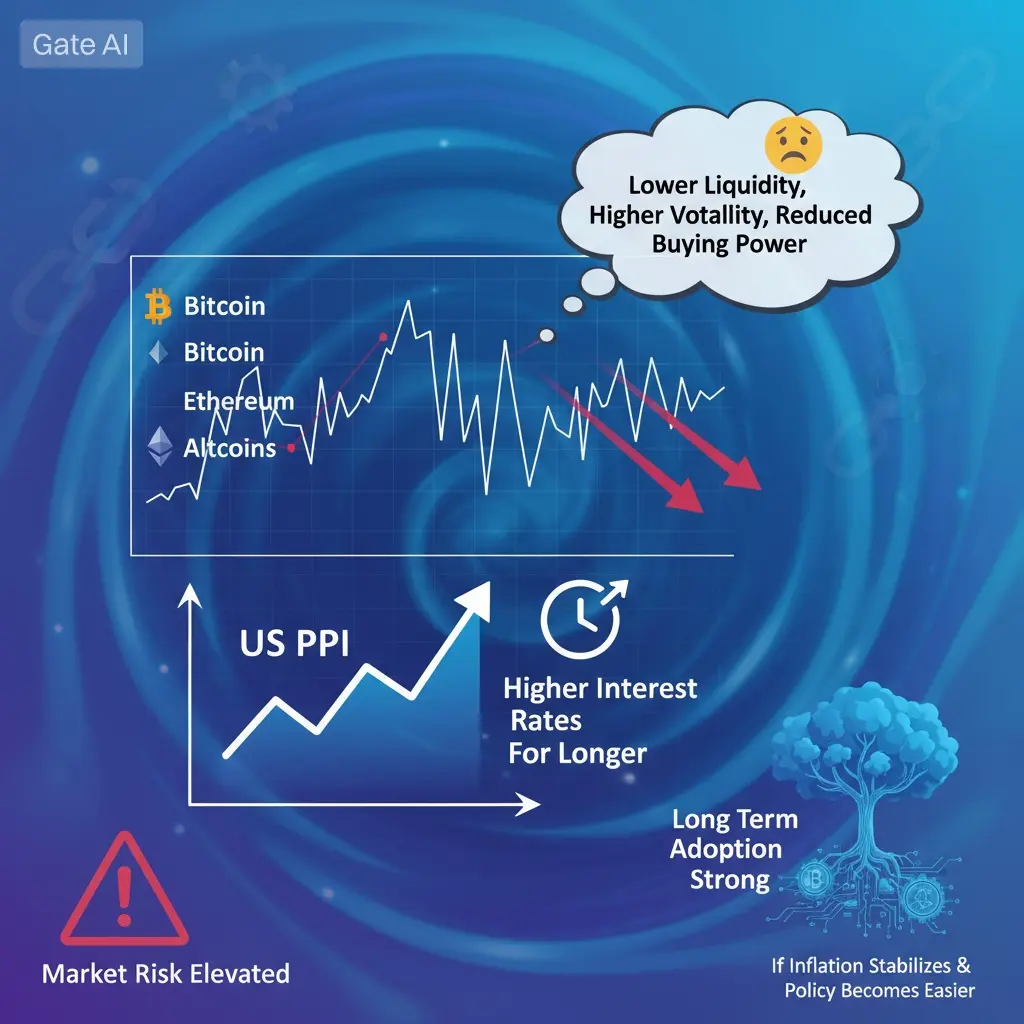
The United States Producer Price Index (PPI) has surged to its highest level in nearly 2.5 years, creating significant uncertainty across global financial markets. Producer inflation is one of the most closely watched economic indicators because it reflects rising costs at the manufacturing level before they reach consumers. When PPI increases sharply, investors begin pricing in tighter monetary policy, higher interest rates, reduced liquidity, and slower economic growth.
For cryptocurrency markets, this macroeconomic shift is particularly important. Bitcoin, Ethereum, S
HighAmbition
#USPPIHits2.5YearHigh
The United States Producer Price Index (PPI) has surged to its highest level in nearly 2.5 years, creating significant uncertainty across global financial markets. Producer inflation is one of the most closely watched economic indicators because it reflects rising costs at the manufacturing level before they reach consumers. When PPI increases sharply, investors begin pricing in tighter monetary policy, higher interest rates, reduced liquidity, and slower economic growth.
For cryptocurrency markets, this macroeconomic shift is particularly important. Bitcoin, Ethereum, Solana, and the broader digital asset ecosystem have become increasingly correlated with liquidity conditions, Federal Reserve policy, Treasury yields, and institutional capital flows. The latest PPI data suggests inflation remains persistent, potentially delaying interest-rate cuts and keeping financial conditions restrictive for longer than expected.
Understanding the Latest PPI Data
The latest US Producer Price Index registered approximately 6.5% year-over-year, marking its strongest reading in around 2.5 years. On a monthly basis, producer prices increased close to 0.8%, while goods inflation accelerated by 2.8%, accounting for nearly 80% of the overall increase.
Energy prices, transportation costs, manufacturing expenses, and supply chain disruptions remain the biggest contributors to rising producer inflation. Historically, elevated PPI eventually feeds into Consumer Price Index (CPI) data, increasing the likelihood that inflation remains above the Federal Reserve's long-term target.
Higher producer inflation means businesses face rising costs, which are often passed on to consumers through higher prices, creating another wave of inflationary pressure.
Federal Reserve Policy and Market Expectations
The Federal Reserve now faces an increasingly difficult balancing act between controlling inflation and supporting economic growth.
Markets previously expected multiple interest-rate cuts during 2026, but the latest inflation data has significantly reduced those expectations. Investors are now pricing in a much higher probability that rates remain elevated for an extended period or even increase further if inflation continues accelerating.
Higher interest rates directly affect:
Consumer borrowing
Corporate financing
Mortgage rates
Treasury yields
Equity valuations
Cryptocurrency liquidity
Every additional 25 basis point (0.25%) increase reduces speculative liquidity and increases the attractiveness of traditional fixed-income investments.
Global Liquidity Conditions
Liquidity remains the single most important driver of cryptocurrency prices.
When central banks tighten monetary policy:
Money supply growth slows
Institutional leverage decreases
Venture capital investment declines
Stablecoin creation slows
Exchange liquidity weakens
Trading activity becomes more volatile
Global crypto market capitalization currently fluctuates around $3.8 trillion to over $4.2 trillion, while total daily trading volume often ranges between $180 billion and $250 billion during active market sessions.
Periods of declining liquidity generally lead to wider bid-ask spreads, thinner order books, and larger price swings.
Bitcoin Market Analysis
Bitcoin continues to dominate the digital asset ecosystem with approximately 58%–62% market dominance.
Average daily spot and derivatives trading volume frequently ranges between:
$45 billion – $80 billion
Bitcoin futures open interest often exceeds:
$35 billion – $45 billion
Large institutional participation means macroeconomic news rapidly affects price action.
Negative funding rates combined with rising open interest frequently indicate aggressive short positioning. If buying pressure suddenly appears, these positions can trigger powerful short squeezes resulting in 5%–10% intraday rallies.
Conversely, declining liquidity alongside rising leverage can create liquidation cascades that accelerate downside moves.
Ethereum Market Structure
Ethereum remains the second-largest cryptocurrency by market capitalization.
Its average daily trading volume typically ranges between:
$20 billion – $40 billion
ETH derivatives contribute another:
$15 billion – $25 billion
Institutional demand continues growing through staking, DeFi, tokenization, and ETF-related interest.
However, elevated Treasury yields reduce demand for risk assets, causing Ethereum to underperform during periods of monetary tightening.
Long-term fundamentals remain supported by ecosystem expansion and continuous network upgrades.
Solana Liquidity Analysis
Solana has become one of the fastest-growing blockchain ecosystems but also one of the most volatile.
Average daily trading volume often ranges between:
$5 billion – $12 billion
During bullish cycles, Solana can outperform Bitcoin by:
15%–30%
During bearish macroeconomic conditions, corrections of:
20%–35%
are not uncommon due to thinner liquidity and speculative positioning.
Developer growth and ecosystem expansion continue supporting long-term adoption despite short-term volatility.
Stablecoin Liquidity
Stablecoins represent available buying power waiting to enter crypto markets.
Combined market capitalization of USDT, USDC, and other stablecoins exceeds:
$250 billion
When stablecoin supply expands:
Exchange liquidity improves
Institutional buying increases
Spot demand strengthens
Market recoveries accelerate
When supply contracts, liquidity tightens and rallies become harder to sustain.
Trading Volume Analysis
Trading volume provides one of the clearest indicators of market conviction.
Current crypto markets regularly process:
$180B–$250B daily total volume
Bitcoin:
$45B–$80B daily volume
Ethereum:
$20B–$40B daily volume
Solana:
$5B–$12B daily volume
Derivatives account for roughly:
55%–65% of total crypto activity
Spot markets represent:
35%–45%
Higher volume during rallies confirms institutional participation, while weak volume often signals unsustainable moves.
Open Interest and Leverage
Open interest has become a critical indicator for predicting volatility.
Bitcoin futures:
$35B–$45B open interest
Ethereum futures:
$18B–$25B
Combined crypto derivatives:
Frequently exceed $100B
Rapid increases in open interest without corresponding spot buying often indicate excessive leverage, increasing liquidation risk.
Funding Rates
Funding rates reveal trader positioning.
Positive funding:
Long traders pay shorts
Bullish sentiment dominates
Negative funding:
Shorts pay longs
Bearish positioning increases
Short squeeze probability rises
Historically, deeply negative funding combined with strong spot buying has preceded significant Bitcoin rallies.
Institutional ETF Flows
Spot ETF activity has become one of the strongest liquidity drivers.
Daily ETF inflows or outflows can exceed:
Hundreds of millions of dollars
Large positive inflows generally strengthen support levels.
Sustained outflows reduce buying pressure and often coincide with corrections.
Institutional participation continues increasing despite short-term macroeconomic uncertainty
Whale Activity
Large holders continue influencing market direction.
Professional traders monitor:
Wallet accumulation
Exchange inflows
Exchange outflows
OTC transactions
Custodian balances
Heavy exchange withdrawals often indicate long-term accumulation.
Large exchange deposits may signal upcoming selling pressure.
Liquidation Analysis
Liquidations amplify volatility.
During major macro events, forced liquidations frequently exceed:
$500 million
$1 billion
Occasionally over $2 billion within 24 hours
Long liquidations accelerate crashes.
Short liquidations fuel explosive rallies.
Monitoring liquidation heatmaps helps identify potential reversal zones.
Dollar Index and Treasury Yields
A stronger US Dollar generally pressures cryptocurrencies.
Higher Treasury yields above:
4%–5%
make government bonds more attractive than speculative assets.
As capital rotates toward fixed income, crypto demand often weakens temporarily.
Risk Management Strategy
Professional investors should monitor:
PPI
CPI
Federal Reserve meetings
Treasury yields
DXY
ETF flows
Open interest
Funding rates
Stablecoin supply
Exchange liquidity
Position sizing and disciplined risk management become essential during inflation-driven volatility.
Avoid excessive leverage and focus on long-term accumulation during periods of panic.
Long-Term Outlook
Although elevated producer inflation creates short-term pressure, crypto markets remain fundamentally driven by adoption and liquidity cycles.
If inflation moderates and the Federal Reserve eventually pivots toward easing, trillions of dollars in sidelined capital could re-enter risk assets.
Bitcoin, Ethereum, and Solana would likely benefit from:
Improved liquidity
Stronger ETF demand
Lower Treasury yields
Increased institutional participation
Renewed retail confidence
Until then, traders should closely monitor macroeconomic data, trading volumes, funding rates, liquidity conditions, and institutional flows, as these metrics often provide earlier signals of market direction than price action alone.@Gate_Square
repost-content-media
  • Reward
  • Comment
  • Repost
  • Share
#USMayCPIHits3YearHigh
The United States Consumer Price Index (CPI) for May 2026 has surged to 4.2% year-over-year, marking the highest inflation level in three years since April 2023. This significant economic development has sent ripples through global financial markets, with particular implications for the cryptocurrency sector. This report provides a detailed examination of the CPI data, its underlying causes, and the multifaceted effects on digital asset prices, liquidity, and trading volumes.
Understanding the CPI Surge
The Consumer Price Index serves as the primary measure of inflation
HighAmbition
#USMayCPIHits3YearHigh
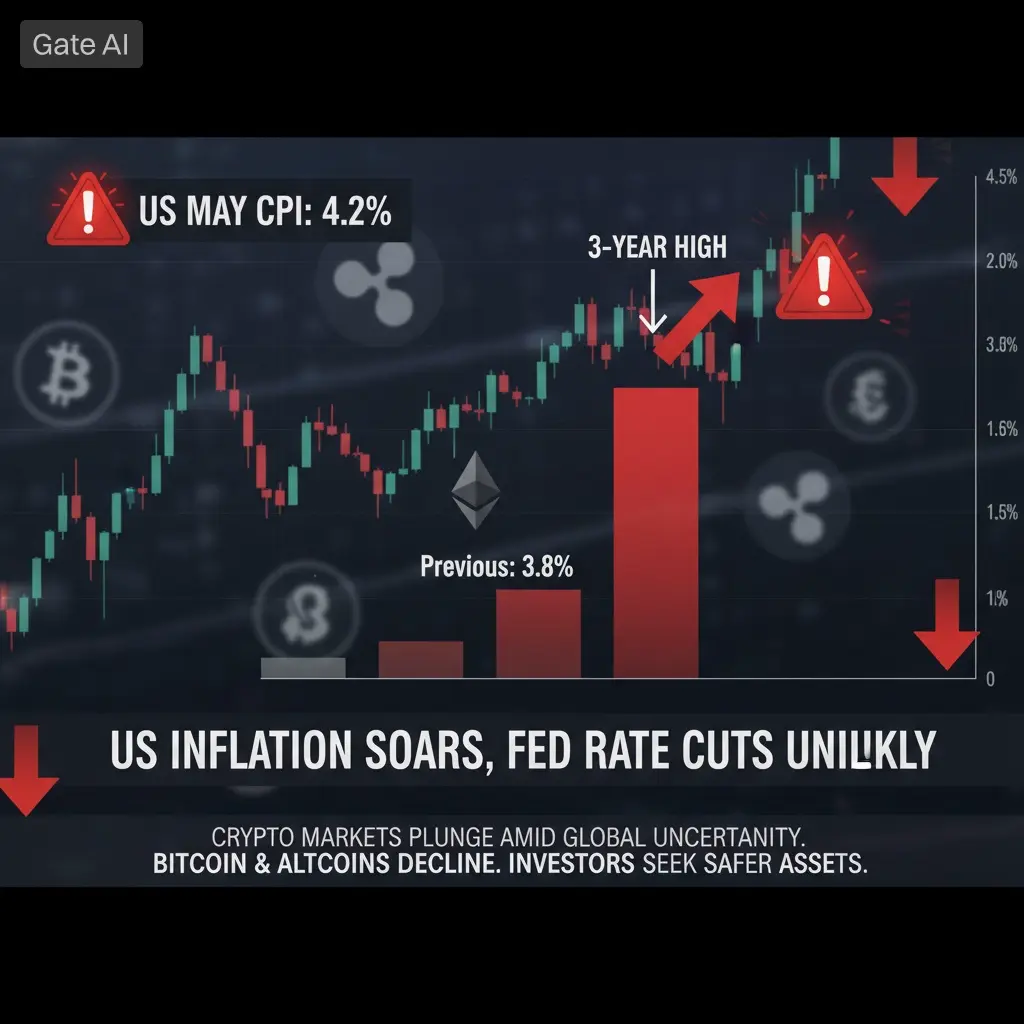
The United States Consumer Price Index (CPI) for May 2026 has surged to 4.2% year-over-year, marking the highest inflation level in three years since April 2023. This significant economic development has sent ripples through global financial markets, with particular implications for the cryptocurrency sector. This report provides a detailed examination of the CPI data, its underlying causes, and the multifaceted effects on digital asset prices, liquidity, and trading volumes.
Understanding the CPI Surge
The Consumer Price Index serves as the primary measure of inflation in the United States, tracking the average change in prices over time that consumers pay for a basket of goods and services. The May 2026 reading of 4.2% represents a substantial increase from April's 3.8% figure and has exceeded the Federal Reserve's 2% target for an extended period. The headline inflation was primarily driven by energy costs, which jumped 3.9% in May following a 3.8% increase in April. The ongoing Middle East conflict has disrupted shipping lanes through the Strait of Hormuz, pushing oil prices above $100 per barrel at peak levels and directly impacting transportation and manufacturing costs.
Core CPI, which excludes volatile food and energy prices, registered at 2.9% year-over-year with a monthly gain of 0.2%, slightly below the expected 0.3%. This divergence between headline and core inflation suggests that while energy-driven price pressures are significant, underlying inflationary pressures remain somewhat contained. Housing costs increased 3.4% over the twelve-month period, while grocery prices rose 2.7%, reflecting the pass-through effects of higher transportation costs.
Federal Reserve Policy Implications
The elevated CPI reading has fundamentally shifted market expectations regarding Federal Reserve monetary policy. According to CME FedWatch data, markets are now pricing in zero rate cuts for 2026, with some analysts at major financial institutions pushing expectations for the first potential rate cut to mid-2027. Furthermore, the probability of a rate hike by year-end has risen above 70%, representing a dramatic shift from earlier expectations of monetary easing.
The Federal Reserve maintains its current target range of 3.50% to 3.75% for the federal funds rate. The hotter-than-expected inflation print reinforces the "higher for longer" narrative that has dominated monetary policy discussions. Fed officials have consistently emphasized their commitment to bringing inflation back to the 2% target, and the May CPI data provides additional justification for maintaining restrictive policy stance. The upcoming June FOMC meeting, scheduled for June 16-17, will provide crucial guidance through the dot plot projections, which will indicate individual committee members' expectations for the future path of interest rates.
Impact on Bitcoin and Major Cryptocurrencies
Bitcoin, the largest cryptocurrency by market capitalization, has experienced significant volatility in response to the CPI announcement. Following the data release, Bitcoin briefly spiked above $62,000 on the softer core CPI reading but subsequently gave back gains as risk sentiment turned cautious. Current trading levels hover around $60,000 to $61,000, representing a decline of approximately 10% over the past week and roughly 24% from recent highs.
The technical outlook for Bitcoin shows critical support levels at approximately $60,270, with downside targets extending to $59,060, $57,444, and potentially a broader risk zone between $50,000 and $38,000 if Bitcoin fails to reclaim the $63,800 resistance level. The firmer dollar and higher Treasury yields resulting from reduced rate-cut expectations have created headwinds for risk assets, including cryptocurrencies.
Ethereum, the second-largest cryptocurrency, has similarly faced pressure, with price action reflecting the broader risk-off sentiment in digital asset markets. The correlation between traditional risk assets and cryptocurrencies has remained elevated, with macroeconomic factors driving price action across the sector.
Altcoin Market Performance
The altcoin sector has experienced even more pronounced volatility compared to Bitcoin. Smaller market capitalization tokens typically exhibit higher beta to Bitcoin's price movements, amplifying both gains and losses. Decentralized finance (DeFi) tokens, layer-1 blockchain assets, and meme coins have all faced selling pressure as liquidity conditions tighten.
Trading volumes across major altcoins have increased significantly during the CPI announcement period, with daily volumes rising by approximately 15% to 25% across major exchanges. This volume spike reflects both panic selling from risk-averse investors and opportunistic buying from traders seeking to capitalize on volatility. However, the net flow has been predominantly negative, indicating capital outflows from the altcoin sector.
Liquidity and Market Depth Analysis
The cryptocurrency market's liquidity conditions have deteriorated following the CPI announcement. Bid-ask spreads have widened across major trading pairs, with Bitcoin spreads increasing by approximately 20% to 30% on major exchanges. Order book depth has decreased, particularly on the buy side, as market makers reduce exposure to manage risk.
Stablecoin flows provide insight into market liquidity conditions. Tether (USDT) and USD Coin (USDC) market capitalizations have shown mixed signals, with some outflows indicating capital leaving the crypto ecosystem entirely rather than rotating within it. Exchange balances of major cryptocurrencies have increased slightly, suggesting that some investors are moving assets to exchanges in preparation for potential selling.
Trading Volume Dynamics
Daily trading volumes across the cryptocurrency market have surged in response to the CPI data. Spot market volumes on major exchanges have increased by approximately 30% to 40% compared to the weekly average. Derivatives markets have seen even more significant activity, with futures open interest fluctuating as traders adjust positions.
Perpetual futures funding rates have turned negative for several major cryptocurrencies, indicating that short sellers are paying long holders and suggesting bearish sentiment dominates derivatives markets. This funding rate dynamic can create reflexive pressure on spot prices as arbitrageurs sell spot and buy futures to capture funding payments.
Correlation with Traditional Markets
The correlation between cryptocurrencies and traditional risk assets has intensified following the CPI announcement. Bitcoin's correlation with the Nasdaq 100 and S&P 500 has risen to approximately 0.6 to 0.7 on a rolling 30-day basis. This increased correlation reduces the diversification benefits of cryptocurrency allocation and subjects digital assets to the same macroeconomic headwinds affecting technology stocks.
Gold and silver, traditional inflation hedges, have paradoxically declined despite the inflationary CPI print, with gold falling approximately 23% from its January 2026 high and silver dropping roughly 44% from its peak. This counterintuitive price action reflects the dominance of real interest rate considerations over inflation concerns, as higher nominal rates increase the opportunity cost of holding non-yielding assets.
Long-Term Implications for Cryptocurrency Adoption
Despite near-term price pressure, the elevated inflation environment may strengthen the long-term investment thesis for Bitcoin and certain cryptocurrencies. Bitcoin's fixed supply of 21 million coins and predetermined issuance schedule stands in stark contrast to fiat currencies subject to central bank expansion. The persistent inflation above the Fed's target highlights ongoing fiat currency debasement risks, potentially reinforcing Bitcoin's narrative as digital gold and a store of value.
Institutional adoption trends may accelerate as institutional investors seek alternatives to traditional inflation hedges that have failed to perform as expected. Corporate treasury allocations to Bitcoin, pioneered by companies such as MicroStrategy, may serve as a template for other firms seeking to protect purchasing power.
Market Outlook and Key Levels
The near-term outlook for cryptocurrency markets remains challenging as markets digest the implications of sustained higher interest rates. The June FOMC meeting represents the next critical catalyst, with the dot plot projections likely to confirm the shift toward a more hawkish policy stance.
For Bitcoin, reclaiming the $63,800 level would signal potential trend reversal and open the path toward $67,000 and $70,000 resistance levels. Failure to hold current support could trigger further downside toward the $57,000 to $59,000 range. Ethereum faces similar technical challenges, with key support at $3,200 and resistance at $3,800.
Conclusion
The US May CPI reading of 4.2% represents a significant inflection point for cryptocurrency markets. The data has fundamentally altered Federal Reserve policy expectations, eliminated prospects for near-term rate cuts, and increased the probability of additional tightening. These developments have created substantial headwinds for risk assets, including cryptocurrencies.
Bitcoin and major altcoins have experienced price declines of 10% to 25% from recent highs, with trading volumes surging as market participants reposition portfolios. Liquidity conditions have deteriorated, and correlations with traditional risk assets have increased, reducing diversification benefits.
However, the elevated inflation environment reinforces the long-term value proposition of scarce digital assets like Bitcoin. As central banks maintain restrictive policy to combat inflation, the contrast between fixed-supply cryptocurrencies and expandable fiat currencies becomes more pronounced. Investors with longer time horizons may view current price weakness as an opportunity to accumulate positions, while traders should remain vigilant regarding volatility and manage risk accordingly.
The cryptocurrency market's evolution continues to reflect its maturation as an asset class increasingly sensitive to macroeconomic developments. Successful navigation of this environment requires understanding the interplay between monetary policy, inflation dynamics, and digital asset valuations. The coming weeks will provide crucial insights into whether current price levels represent a temporary correction or the beginning of a more extended bearish phase.
@Gate_Square #MyGateTradeStory

repost-content-media
  • Reward
  • Comment
  • Repost
  • Share
#BitmineAddsAnother25KEther
BitMine Immersion Technologies (BMNR) has once again demonstrated its aggressive Ethereum accumulation strategy by purchasing an additional 25,000 ETH worth approximately $41 million. This latest acquisition brings the company's three-day buying spree to a staggering 125,000 ETH, valued at roughly $206 million. The purchase was executed through custodian BitGo and represents another significant step toward the company's ambitious goal of acquiring 5% of the total Ethereum supply.
Current Market Data and Purchase Details
The purchase comes at a time when Ethereum is
ETH3.04%
BTC0.36%
HighAmbition
#BitmineAddsAnother25KEther
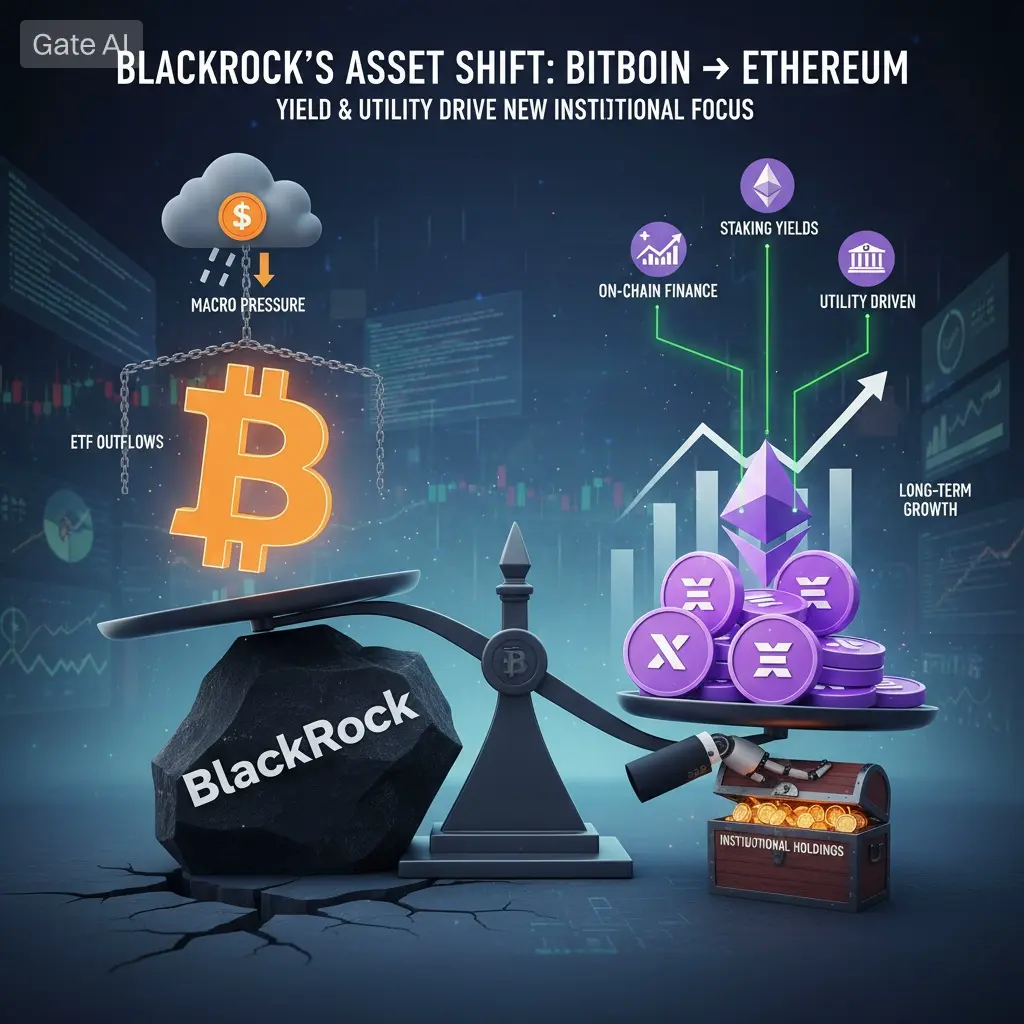
BitMine Immersion Technologies (BMNR) has once again demonstrated its aggressive Ethereum accumulation strategy by purchasing an additional 25,000 ETH worth approximately $41 million. This latest acquisition brings the company's three-day buying spree to a staggering 125,000 ETH, valued at roughly $206 million. The purchase was executed through custodian BitGo and represents another significant step toward the company's ambitious goal of acquiring 5% of the total Ethereum supply.
Current Market Data and Purchase Details
The purchase comes at a time when Ethereum is trading at approximately $1,681 per ETH. BitMine has been actively accumulating ETH during this price level, viewing the current market conditions as an opportunity rather than a setback. Chairman Tom Lee has characterized the recent market downturn as superficial, arguing that Ethereum's fundamentals are actually strengthening despite the price softness. The company is funding these acquisitions through a $250 million private placement designed to support both its ETH treasury expansion and Bitcoin mining operations.
BitMine's total ETH holdings have now reached 5.54 million ETH, representing approximately 4.59% of all Ethereum in existence. With a total supply of 120.7 million ETH, BitMine is now just 0.41% away from its stated target of 5%. This means the company owns roughly one out of every twenty ETH tokens ever created. In just eleven months since beginning this strategy, BitMine has achieved 92% of its "Alchemy of 5%" goal.
Impact on Ethereum Market
This massive institutional buying has several significant implications for the Ethereum market. First and foremost, it represents a strong vote of confidence from one of the largest corporate treasuries in the crypto space. When a single entity acquires nearly 5% of an asset's total supply, it creates substantial supply pressure and reduces available liquidity for trading. Approximately 85% of BitMine's ETH holdings are staked through its proprietary Made-in-America Validator Network (MAVAN), which further reduces the circulating supply available for trading.
The staking operation is projected to generate annualized revenues of approximately $230 million, derived entirely from participating in Ethereum's proof-of-stake consensus mechanism. With 4.72 million ETH currently staked, BitMine has become the largest ETH staker in the world. This concentration of staked ETH has implications for network security and decentralization, though BitMine maintains that its MAVAN platform is designed with security, performance, and resilience as core priorities.
From a market sentiment perspective, BitMine's continued accumulation sends a powerful bullish signal to other investors. The company is essentially betting on what Tom Lee calls an upcoming Ethereum "supercycle," driven by two converging trends: the tokenization of real-world assets and artificial intelligence applications built on blockchain infrastructure. Lee believes that as AI systems capabilities improve, the demand for decentralized and hardened solutions will increase, particularly to protect users from agentic systems.
Impact on BitMine Company (BMNR)
For BitMine itself, this strategy represents a fundamental transformation from a Bitcoin mining company to the world's largest Ethereum treasury. The company's total crypto and cash holdings now stand at $9.6 billion, including 5.54 million ETH tokens, $247 million in cash, 204 Bitcoin, and strategic investments in Beast Industries ($180 million) and Eightco Holdings ($88 million). This positions BitMine as the number one Ethereum treasury globally and the second-largest crypto treasury overall, behind only Strategy Inc. (MSTR).
The stock has become one of the most actively traded in the United States, ranking 148th by average daily dollar volume with approximately $829 million in daily trading volume (5-day average). This high liquidity makes BMNR an attractive vehicle for investors seeking exposure to Ethereum without directly holding the cryptocurrency. The stock currently trades at $16.78, and its performance is increasingly correlated with Ethereum's price movements.
However, this strategy also carries significant concentration risk. With nearly 5% of its entire asset base tied to a single cryptocurrency, BitMine's financial health is deeply intertwined with Ethereum's price performance. If the company ever needed to liquidate a meaningful portion of its holdings, the sell pressure could move the market against it. Additionally, the $250 million private placement funding these purchases means shareholders face dilution, betting that ETH appreciation plus staking yields will more than compensate for the equity dilution.
The company has also launched MAVAN as an institutional-grade staking platform, which while originally developed for BitMine's own treasury, is expected to expand to serve institutional investors, custodians, and ecosystem partners. This creates a potential additional revenue stream beyond the core ETH appreciation thesis.
Looking Forward
BitMine expects to reach its "Alchemy of 5%" target sometime in 2026, which would make it one of the most concentrated holders of any major cryptocurrency. The company's strategy represents a new model for corporate treasury management in the crypto age, one that prioritizes accumulation and staking yield over traditional cash holdings.
For investors considering BMNR, the stock offers leveraged exposure to Ethereum's price movements combined with the additional yield from staking operations. However, potential investors should be aware of the concentration risks and the company's dependence on continued favorable market conditions for Ethereum. The high trading volume suggests strong institutional interest, but also implies significant volatility as the stock price responds to both crypto market movements and company-specific developments.
The broader implications for Ethereum are also noteworthy. As more ETH gets locked up in corporate treasuries and staking contracts, the available supply for trading decreases, potentially creating upward price pressure if demand remains constant or increases. BitMine's strategy, if successful, could serve as a template for other institutions looking to gain exposure to digital assets while generating yield through staking.
In conclusion, BitMine's latest 25,000 ETH purchase is more than just another corporate acquisition. It represents a continuation of one of the most aggressive institutional accumulation strategies in crypto history, with implications for Ethereum's supply dynamics, market sentiment, and the evolution of corporate crypto treasury management.
@Gate_Square #MyGateTradeStory

repost-content-media
  • Reward
  • 1
  • Repost
  • Share
ybaser:
2026 GOGOGO 👊
#GateLaunchesHongKongStockTrading
Gate: From a Leading Cryptocurrency Exchange to a Multi-Asset Trading Platform
The financial technology landscape is rapidly evolving, and Gate has positioned itself as a major player in this transformation. Originally launched as a cryptocurrency exchange, Gate has developed into a multi-asset trading platform that aims to bridge digital assets with traditional financial markets. This evolution reflects a broader industry trend where trading platforms are expanding their offerings to meet the growing demand for diversified investment access through a single
HighAmbition
#GateLaunchesHongKongStockTrading
Gate: From a Leading Cryptocurrency Exchange to a Multi-Asset Trading Platform
The financial technology landscape is rapidly evolving, and Gate has positioned itself as a major player in this transformation. Originally launched as a cryptocurrency exchange, Gate has developed into a multi-asset trading platform that aims to bridge digital assets with traditional financial markets. This evolution reflects a broader industry trend where trading platforms are expanding their offerings to meet the growing demand for diversified investment access through a single interface. By integrating multiple asset classes, Gate provides users with a more unified trading experience and simplifies portfolio management in today’s interconnected financial environment.
Point One: Expansion into Traditional Financial Assets
Gate has expanded its ecosystem beyond cryptocurrencies to include access to traditional financial instruments. These may include selected global stocks, ETFs, indices, forex pairs, precious metals, and commodities through derivative-based products such as CFDs, depending on regional availability and regulatory compliance.
Rather than functioning solely as a digital asset exchange, this expansion reflects a structural shift toward broader financial market coverage. Users can potentially explore multiple asset categories within one ecosystem, reducing the need for multiple brokerage accounts.
This development also signals a gradual blending of financial sectors, where crypto-native platforms are increasingly aligning with traditional market infrastructure.
Point Two: Strengthening Platform Capability and Infrastructure
Gate originally built its reputation in the cryptocurrency sector, supporting millions of users globally and offering access to a wide selection of digital assets. Over time, the platform has introduced additional financial tools designed to enhance trading efficiency and system performance.
The multi-asset structure is built around improving user experience through integrated systems such as unified accounts, streamlined funding flows, and advanced trading interfaces.
To support multi-market functionality, platforms like Gate typically rely on high-performance matching engines, liquidity aggregation systems, and risk control frameworks designed to handle varying market conditions across asset classes.
This infrastructure focus plays a critical role in maintaining execution quality, especially during periods of high volatility.
Point Three: One-Platform Trading Experience for Users
One of the key advantages of a multi-asset ecosystem is operational simplicity. Traditionally, investors needed separate accounts for crypto trading, equities, forex, and commodities, often dealing with fragmented systems and funding processes.
With an integrated platform approach, users can manage multiple asset classes from a single interface. This improves portfolio visibility, reduces administrative friction, and enhances overall trading efficiency.
A unified dashboard also allows users to better monitor cross-market exposure, which is increasingly important in a globalized financial environment where crypto and traditional markets often react to similar macroeconomic drivers.
Point Four: Hong Kong as a Strategic Financial Hub
Hong Kong plays an important role in global finance due to its strong regulatory framework, international connectivity, and position as a gateway between Eastern and Western markets.
Gate’s operational focus in this region reflects a broader strategy of aligning with established financial jurisdictions while expanding product capabilities under structured compliance environments.
This positioning can support cross-border financial accessibility while maintaining alignment with evolving regulatory expectations in both digital and traditional asset sectors.
Point Five: Liquidity, Market Access, and Trading Efficiency
A key benefit of multi-asset platforms is improved liquidity distribution across different markets. By aggregating trading activity across asset classes, platforms can potentially enhance order matching efficiency and reduce fragmentation.
For traders, this can translate into tighter spreads, more consistent execution, and better capital utilization.
Additionally, access to multiple asset classes allows users to rotate capital across markets based on changing macroeconomic conditions, improving flexibility in portfolio construction.
Point Six: Institutional Adoption and Market Evolution
The broader financial industry is witnessing increased interest from institutional participants in digital assets and hybrid trading ecosystems.
As infrastructure matures, platforms that support both crypto and traditional financial instruments may become more relevant for institutional strategies that require diversified exposure.
This shift is also encouraging the development of more advanced trading tools, including algorithmic systems, risk analytics, and cross-asset correlation tracking.
Point Seven: Risk Management and Market Stability
Operating across multiple asset classes requires strong risk management frameworks. Market volatility, liquidity shifts, and cross-asset correlation risks must all be managed within a unified system.
Platforms like Gate typically implement layered risk controls, including margin monitoring, liquidation engines, exposure limits, and real-time risk assessment tools.
These systems are essential for maintaining stability, especially when dealing with leveraged products or derivative-based instruments across different financial markets.
Point Eight: Growing Industry Trend of Market Convergence
The integration of cryptocurrency and traditional financial markets is part of a larger global trend in financial innovation. Increasingly, platforms are moving toward unified ecosystems that combine multiple asset classes under one infrastructure layer.
This convergence improves capital efficiency and allows investors to access a broader range of financial instruments without switching between platforms.
Crypto markets contribute innovation and high-growth potential, while traditional markets provide structural depth and long-term capital stability.
Future Outlook: Toward Unified Financial Ecosystems
The future of trading platforms is likely to move further toward integration, where users can manage diversified portfolios across crypto, equities, commodities, and forex from a single environment.
Gate’s evolution reflects this direction, emphasizing accessibility, infrastructure development, and multi-market connectivity.
As global financial systems continue to converge, platforms that successfully integrate multiple asset classes while maintaining security and compliance may play a central role in shaping the next phase of digital finance.
Conclusion: A Unified Approach to Modern Trading
Gate has developed into a multi-asset trading platform that combines access to digital assets and selected traditional financial instruments within a single ecosystem. This approach reflects the ongoing evolution of global financial markets toward integration and accessibility.
By offering a unified interface, advanced trading tools, and broader market access, Gate aims to simplify the trading experience for users who want exposure to multiple asset classes. The platform’s continued development highlights the growing demand for integrated financial solutions that connect crypto and traditional markets.
Overall, Gate represents a step toward more unified financial ecosystems where users can manage diverse investments more efficiently from one platform.@Gate_Square
repost-content-media
  • Reward
  • Comment
  • Repost
  • Share
#预测世界杯美国VS巴拉圭
World Cup 2026 Prediction Analysis: Germany vs Curaçao and Brazil vs Morocco
The FIFA World Cup 2026 has kicked off with incredible excitement across North America, and the prediction markets on Polymarket are showing fascinating insights into the upcoming matches. As we analyze the data-driven probabilities and team performances, here are my detailed predictions for the key matches.
Germany vs Curaçao Match Analysis
Germany enters this Group E encounter as overwhelming favorites according to Polymarket data, with the prediction markets pricing them at an impressive 93.7 cents,
HighAmbition
#预测世界杯美国VS巴拉圭
World Cup 2026 Prediction Analysis: Germany vs Curaçao and Brazil vs Morocco
The FIFA World Cup 2026 has kicked off with incredible excitement across North America, and the prediction markets on Polymarket are showing fascinating insights into the upcoming matches. As we analyze the data-driven probabilities and team performances, here are my detailed predictions for the key matches.
Germany vs Curaçao Match Analysis
Germany enters this Group E encounter as overwhelming favorites according to Polymarket data, with the prediction markets pricing them at an impressive 93.7 cents, which translates to approximately 94 percent implied probability of victory. This is one of the most lopsided matchups of the tournament given the vast difference in experience and quality between these two sides.
The German national team, under the guidance of Julian Nagelsmann, has assembled a squad that combines youthful energy with experienced leadership. Players like Jamal Musiala, Florian Wirtz, and Kai Havertz represent the new generation of German football talent, while the team maintains the tactical discipline that has historically defined German football. After disappointing exits in the 2018 and 2022 World Cups, Die Mannschaft is determined to restore their reputation on the global stage.
Curaçao, making their World Cup debut, faces an enormous challenge. Ranked 82nd in the FIFA rankings, they are one of the lowest-ranked teams in the tournament. While their participation is a historic achievement for the small Caribbean nation, the gulf in class between them and a traditional powerhouse like Germany is substantial. Polymarket has priced Curaçao at just 2.4 cents, reflecting the minimal chance of an upset.
My prediction for this match is a comfortable Germany victory. Based on the prediction market consensus and the teams relative strengths, I anticipate Germany will win by a margin of at least three goals. The spread markets on Polymarket show Germany minus 3.5 goals at 49 cents, suggesting the market expects a dominant performance. Given Germany recent form, including a 6-0 victory over Slovakia in their final preparation match, they should have no trouble dispatching Curaçao.
Brazil vs Morocco Match Analysis
The Brazil versus Morocco clash represents one of the most intriguing matchups of the opening round. According to Polymarket data, Brazil holds a significant advantage with moneyline odds showing them at approximately 61 cents, translating to a 61 percent chance of victory. Morocco is priced at around 16 to 17 cents, with the draw market sitting at roughly 24 percent.
Brazil arrives at this World Cup with immense pressure and expectation. As five-time champions, they have not lifted the trophy since 2002, and their quarterfinal exit in 2022 was considered a disappointment. Under new management, they have assembled a squad featuring world-class talents like Vinícius Júnior, Rodrygo, and an experienced supporting cast. The appointment of Carlo Ancelotti as manager brings Champions League-winning pedigree to the national team setup.
Morocco, however, enters this match with genuine confidence after their historic semifinal run in the 2022 World Cup. They have proven they can compete with the world elite, having defeated Belgium, Spain, and Portugal in Qatar. The Atlas Lions possess a well-organized defensive structure and players like Achraf Hakimi and Sofyan Amrabat who perform at the highest club levels in Europe.
The prediction markets reflect respect for Morocco capabilities, as evidenced by the relatively high probability assigned to the draw outcome. This is not a straightforward match for Brazil by any means. Morocco defensive solidity and counter-attacking threat could trouble the Brazilian backline.
My prediction for this encounter is a narrow Brazil victory. While the markets favor Brazil significantly, I believe Morocco will make this a competitive contest. Brazil superior individual quality in the attacking third should ultimately prove decisive, but expect a tight match with Brazil winning by a single goal margin or potentially a 2-1 scoreline. The both teams to score market on Polymarket suggests there is value in expecting Morocco to find the net against Brazil.
Trading Strategy and Market Insights
For those participating in the Gate World Cup prediction contest, understanding how to interpret these Polymarket probabilities can provide an edge. The Germany match represents a high-confidence prediction given the extreme probability differential. However, the Brazil versus Morocco match offers more nuanced opportunities, as the market has not fully discounted Morocco threat.
When analyzing these prediction markets, it is important to remember that they reflect the collective wisdom of thousands of traders who have real money at stake. The prices incorporate not just team quality but also factors like injuries, tactical matchups, and historical performance data. The Brazil versus Morocco market showing a 24 percent draw probability suggests traders recognize this as a potentially tight contest despite Brazil superior talent.
For the purposes of this prediction contest, I am backing Germany to win decisively against Curaçao and Brazil to secure a hard-fought victory over Morocco. These outcomes align with the Polymarket consensus while accounting for the specific dynamics of each matchup.
The World Cup prediction markets continue to evolve as new information becomes available, and smart participants will monitor these movements closely. Good luck to everyone participating in the Gate World Cup prediction contest, and may the best predictions win.
@Gate_Square
repost-content-media
  • Reward
  • Comment
  • Repost
  • Share
#SpaceXIPOAttractsOver250BillionInOrders
SpaceX IPO: $250 Billion in Orders - A Historic Market Event
SpaceX has achieved a monumental milestone in financial history with its initial public offering attracting over $250 billion in investor orders. This unprecedented demand represents one of the most significant IPO events ever recorded on Wall Street. The following comprehensive analysis explores the key aspects of this groundbreaking development.
Understanding the IPO Phenomenon
An initial public offering represents the first time a private company offers its shares to the public for purchas
HighAmbition
#SpaceXIPOAttractsOver250BillionInOrders
SpaceX IPO: $250 Billion in Orders - A Historic Market Event
SpaceX has achieved a monumental milestone in financial history with its initial public offering attracting over $250 billion in investor orders. This unprecedented demand represents one of the most significant IPO events ever recorded on Wall Street. The following comprehensive analysis explores the key aspects of this groundbreaking development.
Understanding the IPO Phenomenon
An initial public offering represents the first time a private company offers its shares to the public for purchase. When SpaceX decided to go public, it opened the door for individual and institutional investors to own a piece of Elon Musk revolutionary aerospace enterprise. This process transforms a privately held company into a publicly traded entity, subject to regulatory oversight and market dynamics.
The $250 Billion Demand Explained
The $250 billion figure represents total investor demand for SpaceX shares, significantly exceeding the $75 billion the company aimed to raise. This creates an oversubscription rate of approximately three and a half to four times the planned offering size. Such massive oversubscription indicates extraordinary confidence in SpaceX future prospects and reflects the company position as a leader in space technology and satellite communications.
Record-Breaking Valuation Metrics
SpaceX targeted a valuation of approximately $1.77 trillion through this IPO, pricing shares at $135 each. With about 555.6 million shares offered, this would establish SpaceX among the most valuable publicly traded companies globally. The company market capitalization briefly surpassed $2 trillion during its first trading day, with shares surging 19 percent to close at $161.
Starlink: The Revenue Powerhouse
Starlink serves as SpaceX primary revenue generator and growth engine. In 2025, SpaceX reported consolidated revenue of $18 billion, with Starlink contributing substantially to this figure. The satellite internet division has emerged as the leader among space-based internet providers since launching its first satellite batch in 2019. Starlink consistent profitability contrasts with other SpaceX segments, making it the cornerstone of investor confidence.
Elon Musk Vision and Leadership
Elon Musk founding of SpaceX in 2002 established the foundation for this historic IPO. His vision of making humanity a multi-planetary civilization drives the company ambitious projects. The successful IPO could potentially make Musk the world first trillionaire, cementing his status as one of history most influential entrepreneurs. Musk statement about wanting people to wake up thinking the future will be great captures the essence of SpaceX mission.
Investor Composition and Geographic Interest
The $250 billion demand comes from diverse investor categories. Retail investors alone placed orders exceeding $100 billion, demonstrating widespread public interest. Major institutional players including BlackRock committed at least $5 billion. Additionally, Middle Eastern sovereign wealth funds contributed billions, reflecting global confidence in SpaceX trajectory.
The Oversubscription Challenge
When demand significantly exceeds supply in an IPO, allocation becomes challenging. SpaceX indicated retail investors would receive at least 20 percent of available shares, meaning the majority of individual investor demand would remain unfulfilled. This scarcity dynamic often drives post-IPO price appreciation as unsatisfied demand seeks shares in the secondary market.
Future Revenue Projections
SpaceX regulatory filings project potential future revenue opportunities totaling $28.5 trillion. This includes $26.5 trillion from artificial intelligence initiatives, $1.6 trillion from Starlink broadband services, $740 billion from Starlink mobile connectivity, and $370 billion from space-enabled solutions. While these projections represent long-term potential rather than guaranteed outcomes, they illustrate the vast addressable markets SpaceX targets.
AI Integration and xAI Acquisition
SpaceX recent acquisition of xAI, Elon Musk artificial intelligence startup, along with the X social media platform, creates synergies between three major Musk enterprises. The company AI segment recorded a $6.35 billion operating loss in 2025, reflecting substantial investments in this strategic area. SpaceX envisions building orbital data centers and becoming a significant player in the artificial intelligence race.
Market Impact and Industry Implications
The SpaceX IPO triggered significant market movements, with hedge funds reportedly selling positions in established technology giants to free capital for this historic offering. This rotation demonstrates how transformative IPOs can reshape investment portfolios and market dynamics. The successful debut validates investor appetite for innovative companies addressing frontier technologies.
Risk Factors and Considerations
Despite overwhelming demand, SpaceX faces challenges including net losses of $4.9 billion in 2025 and substantial AI segment investments. The company must demonstrate sustained revenue growth and path to profitability to maintain its valuation. Regulatory scrutiny, competitive pressures from other space companies, and technological execution risks represent ongoing concerns for investors.
Trading Debut Performance
SpaceX shares debuted on the Nasdaq under ticker symbol SPCX on June 12, 2026. The stock opened strong and maintained momentum throughout the first trading session. This performance validated the massive pre-IPO demand and established SpaceX as a major market participant from day one.
Long-Term Investment Thesis
Investors attracted to SpaceX cite multiple long-term growth drivers including expanding Starlink subscriber base, government and military contracts through Starshield, space tourism development, Mars colonization efforts, and artificial intelligence integration. The company vertically integrated approach from rocket manufacturing to satellite deployment to consumer services creates competitive advantages.
Conclusion
The SpaceX IPO represents more than a financial transaction; it marks a watershed moment for the commercial space industry and public market investing. The $250 billion demand figure signals unprecedented confidence in space technology commercialization and Elon Musk execution capabilities. As SpaceX begins its journey as a public company, investors worldwide will closely watch whether this historic debut translates into sustained long-term value creation.
@Gate_Square
repost-content-media
  • Reward
  • Comment
  • Repost
  • Share
#MyGateTradeStory
The Victory Tax: How One Trade Can Steal Your Future
The Paradox of Success
Here is the uncomfortable truth no one tells you: winning can be more dangerous than losing. Most traders obsess over avoiding losses, but the real killer hides inside your victories. I learned this the hard way with a single ESPORTS trade that changed everything.
The Trade That Changed Everything
Three days ago, ESPORTS was on fire. The token had touched $0.33 just days before, a massive 312% pump from its lows. When I saw it retrace to $0.08, my instincts screamed opportunity. I deployed $28 into s
ESPORTS-25.42%
HighAmbition
#MyGateTradeStory
The Victory Tax: How One Trade Can Steal Your Future
The Paradox of Success
Here is the uncomfortable truth no one tells you: winning can be more dangerous than losing. Most traders obsess over avoiding losses, but the real killer hides inside your victories. I learned this the hard way with a single ESPORTS trade that changed everything.
The Trade That Changed Everything
Three days ago, ESPORTS was on fire. The token had touched $0.33 just days before, a massive 312% pump from its lows. When I saw it retrace to $0.08, my instincts screamed opportunity. I deployed $28 into spot trading on Gate, watching the chart with HighAmbition driving my focus.
The price moved. $0.08 became $0.10, then $0.15. I held. It climbed to $0.20, then $0.25. My position was now worth $87.50, a 212% gain in under 48 hours. The euphoria was intoxicating. I had identified the bottom perfectly. My analysis was flawless. I was invincible.
The Psychological Shift
Something shifted in my mind that weekend. That $87.50 did not feel like profit. It felt like my new baseline. My brain had already spent the money on future trades, on the lifestyle this skill would bring, on the trader identity I had earned. The $28 I risked became irrelevant. The $87.50 became my new zero.
This is what I now call the Victory Tax. It is the invisible cost your mind extracts from every win. The tax compounds silently. First, it inflates your risk tolerance. Then it distorts your perception of edge. Finally, it demands payment through overconfidence.
The Behavioral Distortion
Behavioral economists call this the House Money Effect. When we win, we treat the profits as belonging to the house, not to us. We take risks we would never take with our original capital. But the Victory Tax goes deeper. It creates a Success Debt, an obligation your psychology feels to replicate that win, to prove it was not luck, to justify the identity you have claimed.
I stopped analyzing. I started anticipating. Every chart looked like the next ESPORTS. Every dip felt like a gift. My HighAmbition transformed from careful focus into desperate hunger. I needed another win to validate the first one.
The Breakdown
Three days after my triumph, ESPORTS collapsed from $0.33 to $0.07. A 78% crash. I watched it happen in real time, paralyzed by disbelief. The token that made me feel like a genius now mocked me. But here is the critical part: my strategy was not wrong. The setup was valid. The execution was sound. My mindset destroyed me.
I had moved my stop loss three times, certain the dip was temporary. I added to my position at $0.20, then $0.15, averaging down into oblivion. By the time I sold at $0.026, my $87.50 had become $9.10. I did not just give back my profits. I lost my original capital plus the opportunity cost of holding through the carnage.
The Framework
The Victory Tax Framework has three components. First, the Expectation Anchor: your brain locks onto peak profit as your new normal. Second, the Identity Inflation: winning makes you believe you are smarter than the market. Third, the Revenge Cycle: losses feel like personal attacks requiring immediate redemption.
To counter this, I now implement a Profit Amnesia Protocol. After any trade exceeding 100% return, I force a 24-hour cooling period. I write down exactly why the trade worked, what conditions were present, and what percentage was skill versus luck. I treat the profit as already spent on risk management, not as ammunition for the next battle.
The Rebuild
Spot trading on Gate remains my preferred method. The platform provides the tools, but the trader provides the discipline. I rebuilt my system around position sizing rules that ignore my emotional state. I now enter every trade assuming I will lose 100% of the capital deployed. If I cannot accept that outcome calmly, I do not take the trade.
ESPORTS taught me that volatility is not the enemy. Unchecked psychology is. The token moved exactly as markets do. My reaction to the movement was the failure point.
The Reflection
The most expensive lessons in trading do not come from blown accounts or liquidated positions. They come from wins that convince you the game is easier than it is. The Victory Tax is progressive. The more you win without awareness, the higher your rate of self-destruction.
I am grateful for that ESPORTS trade. The $28 I risked bought me a framework worth infinitely more. But I paid the tax in full before I understood the invoice.
What is the biggest win that secretly cost you more than you realized? Share your Victory Tax story below.
@Gate_Square
repost-content-media
  • Reward
  • Comment
  • Repost
  • Share
#SpotSilverUp10PercentForTheWeek
The precious metals market has delivered a remarkable performance this week as spot silver surged approximately 10%, catching the attention of investors and traders worldwide. This substantial weekly gain has ignited renewed bullish sentiment across the silver market, prompting both retail and institutional participants to reassess their positions and strategies. The current price action, which has pushed silver to trade around the 67 to 68 dollar per ounce range as of June 12, 2026, represents a significant recovery from recent lows and signals potentially st
HighAmbition
#SpotSilverUp10PercentForTheWeek
The precious metals market has delivered a remarkable performance this week as spot silver surged approximately 10%, catching the attention of investors and traders worldwide. This substantial weekly gain has ignited renewed bullish sentiment across the silver market, prompting both retail and institutional participants to reassess their positions and strategies. The current price action, which has pushed silver to trade around the 67 to 68 dollar per ounce range as of June 12, 2026, represents a significant recovery from recent lows and signals potentially stronger momentum ahead.
To fully appreciate the significance of this week's 10% rally, one must examine silver's journey throughout 2026. Over the past year, silver has demonstrated extraordinary strength, gaining approximately 84% from levels around 36 dollars per ounce recorded just twelve months ago. This remarkable annual performance underscores silver's position as one of the best-performing assets in the commodities space. However, the metal has faced headwinds over the past month, declining roughly 22% from highs near 86 dollars per ounce. This correction has created a healthy consolidation phase, allowing the market to digest previous gains and establish a more sustainable base for future advances.
The current market structure reveals several critical technical levels that traders must monitor closely. Support zones are firmly established at 66 dollars and 9 cents, with secondary support at 62 dollars and 15 cents, and deeper support extending down to the 58 dollar level. These support zones represent potential entry points for cautious buyers looking to accumulate positions on any weakness. On the resistance side, immediate obstacles appear between 68 dollars and 53 cents up to 72 dollars and 47 cents. Breaking through this resistance zone would open the pathway toward the 74 dollar level and subsequently the 76 dollar target, which coincides with the 50-day moving average currently positioned at 76 dollars and 9 cents.
The 200-day moving average at 67 dollars and 92 cents has played a crucial role in recent price action, serving as dynamic support that has helped stabilize the market during periods of selling pressure. This technical indicator often represents the dividing line between bullish and bearish market sentiment, and silver's ability to hold above this level suggests underlying strength in the current uptrend. Traders observing the daily charts will note that the price has formed a constructive pattern of higher lows, which typically precedes more substantial upward movements.
Looking ahead to price forecasts for silver, various institutions and analysts have provided projections that suggest significant upside potential remains. J.P. Morgan Global Research anticipates silver prices averaging 81 dollars per ounce throughout 2026, representing more than double the average price observed in 2025. This institutional forecast reflects confidence in sustained industrial and investment demand for the precious metal. Deric Ned, founder and chief executive officer of Ridgemont Metals, expects silver to trade in a broad range between 72 dollars and 88 dollars per ounce during June 2026, with a base case scenario targeting the 80 to 85 dollar zone.
More ambitious projections from market participants suggest that silver could eventually challenge the psychological 100 dollar threshold, though most analysts anticipate strong resistance between 96 and 98 dollars if such levels are reached. The 96 to 98 dollar range represents a significant technical hurdle that would require substantial bullish momentum to overcome. Bank of America maintains a more conservative outlook, forecasting an average price around 56 dollars for 2026 with potential peaks reaching 65 dollars, though this estimate may prove conservative given recent price action.
Several fundamental factors are driving silver's impressive performance and supporting the bullish case for continued gains. The ongoing geopolitical tensions surrounding the Strait of Hormuz have elevated uncertainty in global markets, driving investors toward safe-haven assets including precious metals. Although recent developments suggesting potential resolution of U.S.-Iran conflicts have moderated some of the risk premium in oil markets, the underlying geopolitical concerns continue to support demand for silver as a store of value.
Inflationary pressures remain a central theme influencing precious metals pricing. Recent data indicates that consumer prices rose 4.2% year-over-year while producer prices increased by 6.5%, maintaining pressure on the Federal Reserve to keep monetary policy relatively restrictive. Despite these elevated inflation readings, Treasury yields have shown signs of stabilization and even modest decline, which typically benefits non-yielding assets like silver. The relationship between real interest rates and precious metals prices suggests that if yields continue to decline while inflation persists, silver should enjoy a favorable environment for further appreciation.
Industrial demand represents another crucial pillar supporting silver prices. The metal's unique conductive properties make it indispensable for solar panel manufacturing, electronics production, and various industrial applications. As global efforts to transition toward renewable energy sources accelerate, demand for silver in photovoltaic applications continues to expand. This industrial component differentiates silver from gold and provides an additional layer of fundamental support during periods when investment demand may fluctuate.
For traders and investors currently holding silver positions or considering entry points, several strategic approaches merit consideration. Those already long the market may consider implementing trailing stop-loss orders below the 66 dollar support level to protect accumulated gains while allowing room for further upside. Scaling into positions on any pullbacks toward the 64 to 66 dollar zone could provide favorable entry points for new buyers, with the understanding that a breach of 62 dollars would suggest deeper correction potential toward the 58 dollar area.
Position sizing remains critical in silver trading given the metal's historical volatility. Conservative traders might limit silver exposure to 5 to 10% of their total portfolio, while more aggressive participants could increase allocation during confirmed breakouts above key resistance levels. The current technical setup suggests that a decisive move above 72 dollars would validate the bullish thesis and potentially trigger momentum-driven buying that could propel prices toward the mid-70s relatively quickly.
Risk management considerations must include attention to broader market conditions. The U.S. dollar index, currently trading near two-month highs, represents a potential headwind for silver prices. Any significant dollar strengthening could temporarily pressure precious metals lower. Additionally, shifts in Federal Reserve policy expectations regarding interest rates could introduce volatility, though the current trajectory of declining Treasury yields appears supportive for silver.
Investor behavior patterns observed during this week's rally indicate strong accumulation by both retail and institutional participants. Market data suggests that physical silver buying has increased alongside futures market activity, indicating genuine demand rather than purely speculative positioning. This broad participation across different market segments typically provides more sustainable price movements compared to rallies driven by narrow speculation.
The medium-term outlook for silver appears constructive, supported by technical momentum, favorable supply-demand dynamics, and macroeconomic factors including persistent inflation and geopolitical uncertainty. Traders should monitor the 68 to 72 dollar resistance zone closely, as a clean breakout above this range would likely attract additional buying interest and potentially accelerate the move toward higher price targets. Conversely, failure to hold above the 67 dollar level could trigger consolidation and a retest of lower support zones.
In conclusion, silver's impressive 10% weekly gain reflects a confluence of technical and fundamental factors that suggest the precious metal may be entering a new phase of upward price discovery. With current prices around 67 to 68 dollars per ounce, silver offers an intriguing risk-reward proposition for investors seeking exposure to precious metals. The combination of strong annual performance, recovering momentum from monthly lows, and supportive institutional forecasts positions silver as a compelling asset for the remainder of 2026. Traders should remain attentive to key technical levels, implement appropriate risk management protocols, and maintain flexibility to adjust positions as market conditions evolve. The path forward likely includes periods of consolidation and potential volatility, yet the broader trajectory appears oriented toward higher prices as the year progresses.
@Gate_Square
repost-content-media
  • Reward
  • Comment
  • Repost
  • Share
#MarvellSurgesOver11%LeadingChipSectorWithAI
Marvell Technology has emerged as one of the most talked-about stocks in the semiconductor sector, with its shares experiencing remarkable momentum throughout 2026. The company has positioned itself at the forefront of the artificial intelligence revolution, and this strategic positioning has translated into extraordinary price performance that has captured the attention of traders and investors worldwide.
Understanding the 11% Surge and Broader Rally
The recent surge in Marvell stock represents more than just a single-day movement. The company has
HighAmbition
#MarvellSurgesOver11%LeadingChipSectorWithAI
Marvell Technology has emerged as one of the most talked-about stocks in the semiconductor sector, with its shares experiencing remarkable momentum throughout 2026. The company has positioned itself at the forefront of the artificial intelligence revolution, and this strategic positioning has translated into extraordinary price performance that has captured the attention of traders and investors worldwide.
Understanding the 11% Surge and Broader Rally
The recent surge in Marvell stock represents more than just a single-day movement. The company has witnessed an extraordinary year-to-date performance, with shares more than doubling in value during 2026. This remarkable ascent reached new heights when Nvidia CEO Jensen Huang publicly endorsed Marvell at Computex 2026, calling it the next trillion-dollar company. This endorsement triggered a massive rally, with the stock gaining approximately 32% in a short period following the statement.
The fundamental driver behind this surge is Marvell's strategic positioning in the custom AI silicon market. Unlike traditional semiconductor companies that focus on general-purpose processors, Marvell has carved out a specialized niche in custom ASICs designed specifically for AI data centers. This positioning has become increasingly valuable as hyperscalers seek optimized solutions for their massive AI infrastructure investments.
Core Business Fundamentals and AI Opportunity
Marvell's transformation from a broad-based analog and mixed-signal semiconductor company to a core enabler of AI infrastructure represents a fundamental shift in its business model. The company's data center segment now accounts for more than three-quarters of total revenue, reflecting successful execution of its AI-focused strategy.
In its fiscal first quarter of 2027, Marvell reported record revenue of $2.42 billion, representing a 28% year-over-year increase. This growth was primarily driven by the data center segment, which continues to benefit from the massive buildout of AI infrastructure by major technology companies. The company has guided for fiscal year 2028 revenue approaching $16.5 billion, with data center revenue expected to grow close to 50% year-over-year.
The custom silicon opportunity represents a multi-billion dollar addressable market. Marvell's ASIC programs with major hyperscalers are ramping rapidly, and the company expects its custom AI silicon business to exceed $10 billion in annual revenue by fiscal year 2029. This growth trajectory is supported by design wins with tier-one customers who are actively building custom silicon solutions for their AI workloads.
Technical Analysis: Support and Resistance Levels
From a technical perspective, Marvell stock has entered a phase of heightened volatility following its rapid ascent. The stock has established a new trading range between $280 and $325, with the recent 52-week high of $324.20 serving as immediate resistance. The psychological $300 level has provided support during recent consolidation phases.
Analysts have identified several key technical levels for traders to monitor. The $280 level represents near-term support, with stronger support expected around $250 based on previous consolidation zones. On the upside, a breakout above $325 could open the path toward $350 and potentially $400, though such moves would require sustained momentum in the AI sector.
The stock's relative strength index has moved into overbought territory following the recent surge, suggesting potential for short-term consolidation. However, the underlying trend remains strongly bullish, supported by fundamental growth in the AI infrastructure market.
Analyst Price Targets and Wall Street Sentiment
Wall Street remains overwhelmingly bullish on Marvell, with the consensus rating standing at Strong Buy. The average analyst price target has been continuously revised upward as the company demonstrates execution on its AI strategy. Recent analyst actions have seen price targets raised to $300 and beyond, with some analysts projecting even higher valuations based on the company's growth trajectory.
The analyst community has been playing catch-up with the stock's rapid appreciation. As of the most recent updates, price targets range from approximately $155 to over $300, reflecting the wide range of views on the company's valuation and growth potential. The forward price-to-earnings ratio of 65 reflects premium valuation, though this is justified by the company's positioning in the high-growth AI market.
Impact on Traders and Market Sentiment
The Marvell surge has had significant implications for traders across multiple asset classes. For equity traders, the stock has become a bellwether for AI infrastructure sentiment, with movements in MRVL often leading broader semiconductor sector performance. Options traders have noted elevated implied volatility, with the options market pricing in approximately 13.5% moves around earnings events, significantly higher than historical averages.
The stock's inclusion in the S&P 500 index, effective June 22, 2026, has created additional demand from passive index funds and ETFs. This inclusion triggered an immediate 9% pre-market jump, demonstrating the impact of institutional flows on the stock price.
Cryptocurrency Market Correlation and Impact
The relationship between AI chip stocks and cryptocurrency markets has become increasingly relevant for traders. While traditional correlations between semiconductor stocks and digital assets have been limited, the current market environment shows interesting dynamics. The massive capital flows into AI infrastructure stocks have created a rotation effect, with some investors reallocating from cryptocurrency positions to participate in the AI boom.
Reuters data indicates that while semiconductor stocks have surged approximately 170% over the past year, Bitcoin has experienced a 40% decline, suggesting a potential shift in risk appetite toward AI-related equities. However, this relationship is not purely inverse, as both sectors benefit from broader technology adoption trends.
Bitcoin mining companies have actually outperformed despite cryptocurrency price weakness, as these firms pivot toward AI data center opportunities. Nearly $90 billion in AI partnerships have been signed by mining companies, with Bernstein projecting the sector's AI revenue to grow ninefold by 2030. This trend suggests that the AI infrastructure boom may ultimately benefit cryptocurrency markets through shared infrastructure and technology advances.
Trading Strategy Considerations
For traders considering Marvell positions, several strategic approaches merit consideration. Momentum traders may look for breakout entries above the $325 resistance level, with targets extending toward $350 and $400. However, given the stock's extended valuation and overbought technical conditions, risk management becomes paramount.
Swing traders might consider waiting for pullbacks to the $280-$300 support zone before establishing long positions. This approach allows for better risk-reward ratios while maintaining exposure to the AI growth theme.
Options strategies could include selling covered calls against existing positions to generate income from elevated implied volatility, or purchasing protective puts to hedge downside risk during potential consolidation phases.
Future Outlook and Key Catalysts
Looking ahead, Marvell's trajectory will be influenced by several key factors. The company's ability to execute on its custom ASIC programs with hyperscalers remains critical. Any announcements regarding new design wins or expansions of existing programs could serve as catalysts for further price appreciation.
The broader AI infrastructure spending environment will also play a significant role. As hyperscalers continue their massive data center buildouts, demand for Marvell's connectivity and custom silicon solutions should remain robust. However, any signs of slowing AI capital expenditure could pressure the stock.
Competitive dynamics in the custom silicon market warrant monitoring. While Marvell has established strong positions with key customers, competition from other semiconductor companies and in-house silicon development by hyperscalers could impact long-term growth prospects.
Risk Factors and Considerations
Despite the bullish outlook, several risks warrant consideration. The stock's valuation has expanded significantly, with trailing price-to-earnings ratios exceeding 90 and price-to-sales ratios above 25. This elevated valuation leaves limited room for execution missteps or changes in market sentiment toward AI stocks.
Customer concentration represents another risk factor, with a significant portion of revenue coming from a limited number of large hyperscale customers. Any changes in these relationships or shifts in their silicon strategies could materially impact Marvell's results.
The semiconductor industry remains cyclical, and while AI demand appears structural, macroeconomic factors could influence capital spending patterns. Rising interest rates and inflation concerns have already contributed to volatility in growth stocks, and Marvell would not be immune to broader market pressures.
Conclusion
Marvell Technology represents a compelling case study in how strategic positioning within the AI revolution can drive extraordinary shareholder returns. The company's focus on custom silicon for AI data centers has positioned it at the center of one of the most significant technology infrastructure buildouts in history. While the stock's rapid appreciation has created valuation concerns, the underlying growth trajectory remains intact supported by multi-billion dollar opportunities with tier-one customers.
For traders and investors, Marvell offers exposure to the AI infrastructure theme through a specialized player with established relationships and proven execution. However, the elevated valuation and technical conditions suggest that careful risk management and selective entry points will be essential for success. The stock's future performance will depend on continued execution of its growth strategy and the sustained expansion of AI infrastructure investment by the world's largest technology companies.
The broader implications extend beyond individual stock performance, as Marvell's success reflects the transformative impact of AI on the semiconductor industry and the technology sector as a whole. As this transformation continues, companies that successfully navigate the shift toward AI-optimized solutions will likely remain at the forefront of investor attention and market performance.
@Gate_Square #MyGateTradeStory
repost-content-media
  • Reward
  • Comment
  • Repost
  • Share
#USPPIHits2.5YearHigh
The United States Producer Price Index (PPI) has surged to its highest level in two and a half years, sending shockwaves through global financial markets. According to the latest data from the Bureau of Labor Statistics released on June 11, 2026, the headline PPI rose by 1.1% in May, pushing the annual inflation rate to 6.5%, the highest since November 2022. This significant development has far-reaching implications for Federal Reserve policy, currency markets, precious metals, equities, and the cryptocurrency sector.
Understanding the Producer Price Index
The Producer P
HighAmbition
#USPPIHits2.5YearHigh
The United States Producer Price Index (PPI) has surged to its highest level in two and a half years, sending shockwaves through global financial markets. According to the latest data from the Bureau of Labor Statistics released on June 11, 2026, the headline PPI rose by 1.1% in May, pushing the annual inflation rate to 6.5%, the highest since November 2022. This significant development has far-reaching implications for Federal Reserve policy, currency markets, precious metals, equities, and the cryptocurrency sector.
Understanding the Producer Price Index
The Producer Price Index serves as a critical economic indicator that measures the average change over time in the selling prices received by domestic producers for their output. Unlike the Consumer Price Index (CPI) which tracks prices paid by consumers, the PPI captures inflation at the production level, making it a leading indicator of future consumer price trends. When producer costs increase substantially, businesses typically pass these additional expenses to consumers, creating a ripple effect throughout the economy.
The May 2026 PPI report revealed particularly concerning trends. Energy prices surged by 10.7% year-over-year, while gasoline costs spiked by an alarming 23.4%. Core PPI, which excludes volatile food and energy components, rose by 0.4% monthly. The transportation and warehousing sector experienced a 2.6% increase, while unprocessed goods jumped by 4.9%. These figures suggest that inflationary pressures are building across multiple sectors of the economy.
Impact on Federal Reserve Interest Rate Policy
The hotter-than-expected PPI data has significantly altered market expectations regarding Federal Reserve monetary policy. Previously, investors had anticipated potential rate cuts later in 2026. However, the latest inflation readings have shifted sentiment dramatically. According to the CME FedWatch tool, markets are now pricing in a 43.2% probability of 25 basis points in rate hikes by year-end, rather than cuts.
Federal Reserve Chair Kevin Warsh, who recently assumed leadership, faces a challenging policy environment. The central bank must balance controlling inflation against supporting economic growth. With PPI at 6.5% and CPI at 4.2%, both significantly above the Fed's 2% target, the pressure to maintain restrictive monetary policy has intensified. The Federal Reserve's next meeting will be crucial in determining the trajectory of interest rates for the remainder of 2026.
Impact on the US Dollar
The US Dollar Index (DXY) has experienced heightened volatility following the PPI release. Higher inflation typically supports dollar strength as it reduces the likelihood of aggressive rate cuts. However, the situation remains complex. If the Federal Reserve is forced to raise rates further to combat inflation, the dollar could strengthen significantly against major currencies including the Euro, Japanese Yen, and British Pound.
Currency traders are closely monitoring the dollar's reaction to inflation data. A stronger dollar generally makes American exports more expensive and imports cheaper, potentially widening the trade deficit. Conversely, if inflation concerns trigger risk-off sentiment in global markets, the dollar's safe-haven status could drive additional appreciation.
Impact on Gold Prices
Gold has experienced significant pressure following the PPI announcement. The precious metal, traditionally viewed as an inflation hedge, has paradoxically declined as rising inflation expectations have increased real yields and strengthened the dollar. Gold prices dropped from recent highs above $4,600 per ounce to approximately $4,083, representing a decline of roughly 12% over nine trading sessions.
The relationship between gold and inflation has become complicated in the current environment. While inflation typically supports gold prices, the prospect of higher interest rates and a stronger dollar has created headwinds. Additionally, geopolitical tensions in the Middle East, particularly the conflict involving Iran and potential disruptions to oil shipments through the Strait of Hormuz, have added volatility to precious metals markets.
Analysts at Kitco note that gold is testing critical support levels around $4,000 per ounce. If this level fails to hold, further declines toward $3,800 could materialize. However, some market participants view the current weakness as a potential buying opportunity, anticipating that sustained inflation will eventually drive renewed interest in gold as a store of value.
Impact on Stock Markets
Equity markets have reacted negatively to the elevated PPI readings. The S&P 500 and other major indices have faced selling pressure as investors recalibrate expectations for corporate earnings and economic growth. Higher producer costs squeeze profit margins for businesses, particularly in sectors with limited pricing power.
Technology stocks, which are sensitive to interest rate expectations, have experienced notable weakness. The prospect of higher rates for longer reduces the present value of future earnings, disproportionately affecting growth companies. Financial stocks have shown mixed performance, with banks potentially benefiting from higher interest margins but facing concerns about loan quality in an inflationary environment.
Energy sector stocks have outperformed relative to the broader market, benefiting from elevated oil and gas prices. However, the overall market sentiment remains cautious as investors await further clarity on Federal Reserve policy direction.
Impact on Cryptocurrency Markets
The cryptocurrency market has faced significant headwinds following the PPI release. Bitcoin, the largest cryptocurrency by market capitalization, has declined from levels above $66,000 to approximately $63,500, representing a weekly decline of nearly 7%. Ethereum has experienced even more pronounced weakness, falling from above $2,000 to around $1,670, a decline of approximately 17% from recent highs.
The total cryptocurrency market capitalization has contracted to approximately $3.31 trillion, reflecting a 2% decline over the past day. Liquidation data reveals substantial forced selling, with Ethereum leading at $40 million in liquidations followed by Bitcoin at $32 million.
Several factors are driving the crypto market weakness. First, higher inflation and the prospect of continued restrictive monetary policy reduce the attractiveness of risk assets. Cryptocurrencies, being among the most speculative investments, typically suffer during periods of tightening financial conditions. Second, the strengthening dollar creates additional pressure on dollar-denominated crypto assets.
Current market prices as of June 12, 2026, show Bitcoin trading at approximately $63,550, Ethereum at $1,671, and Gold at $4,083 per ounce. These levels represent significant declines from recent peaks and reflect the market's reassessment of inflation and monetary policy trajectories.
The relationship between inflation and cryptocurrencies remains complex. While some investors view Bitcoin as a digital gold and inflation hedge, the asset has increasingly traded in correlation with technology stocks and risk assets. During the current inflationary episode, cryptocurrencies have not provided the protection that some proponents anticipated.
Geopolitical factors add another layer of complexity. The ongoing tensions between the United States and Iran, including threats to oil infrastructure and potential disruptions to global energy supplies, have created additional uncertainty. While such geopolitical risks might typically support safe-haven assets, the dominant narrative around inflation and interest rates has overshadowed these considerations.
Market liquidity conditions have also deteriorated. Trading volumes across major cryptocurrency exchanges have declined as institutional investors reduce exposure to risk assets. The combined stablecoin dominance, while remaining elevated, has shown signs of stress as market participants seek safety in dollar-denominated assets.
Looking ahead, cryptocurrency markets will remain sensitive to macroeconomic data releases. The upcoming Federal Reserve meeting will be particularly critical in determining near-term price direction. If the central bank signals a more hawkish stance, additional downside pressure on crypto assets could materialize. Conversely, any indication that inflation is peaking could trigger a relief rally.
Conclusion
The US PPI hitting a 2.5-year high represents a significant inflection point for financial markets. The data suggests that inflationary pressures remain persistent and are likely to influence Federal Reserve policy decisions in the coming months. For investors across asset classes, the implications are substantial.
Currency markets face the prospect of a stronger dollar if the Fed maintains or increases rates. Gold, despite its traditional role as an inflation hedge, has suffered from rising real yields and dollar strength. Equity markets must navigate the challenges of higher input costs and potentially slower growth. Cryptocurrency markets, already under pressure from various factors, face additional headwinds from restrictive monetary policy expectations.
The interconnected nature of these markets means that developments in one area quickly transmit to others. As investors reassess their portfolios in light of the new inflation reality, volatility across asset classes is likely to persist. The coming weeks will be critical in determining whether the current inflation surge represents a temporary spike or a more sustained trend requiring significant policy adjustments.
For market participants, the key takeaway is that the inflation narrative has shifted decisively. The era of easy monetary policy that supported asset prices across the board appears to be giving way to a more challenging environment characterized by higher rates, stronger currencies, and increased selectivity in risk-taking. Those who adapt their strategies to this new reality will be best positioned to navigate the evolving market landscape.
@Gate_Square #MyGateTradeStory
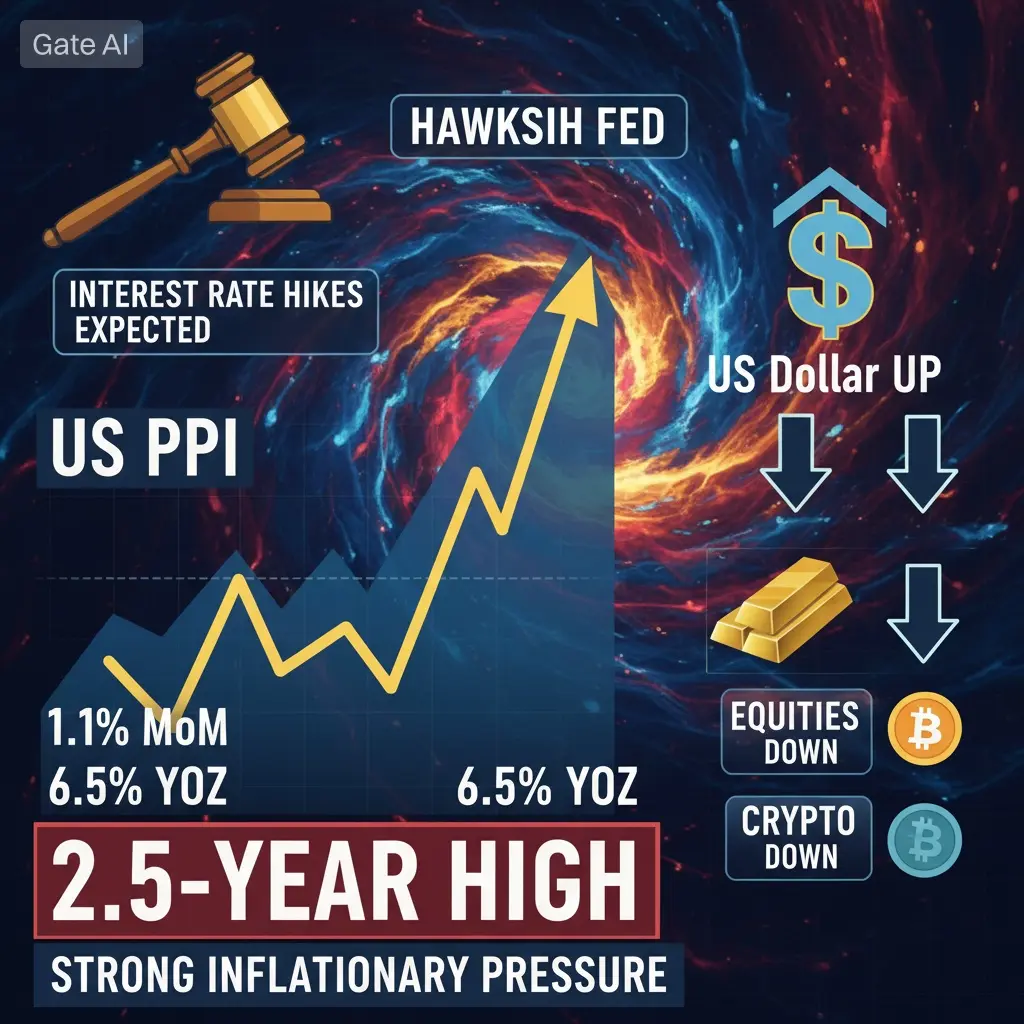
repost-content-media
  • Reward
  • Comment
  • Repost
  • Share
#USMayCPIHits3YearHigh
The United States Consumer Price Index for May 2026 has surged to a three-year high of 4.2% year-over-year, marking the highest inflation reading since April 2023. This significant economic development carries profound implications across multiple asset classes, with particular attention required for cryptocurrency markets that have already experienced substantial volatility in recent weeks.
Understanding the CPI Surge
The Consumer Price Index serves as the primary gauge of inflation, measuring the average change in prices over time that consumers pay for a basket of go
HighAmbition
#USMayCPIHits3YearHigh
The United States Consumer Price Index for May 2026 has surged to a three-year high of 4.2% year-over-year, marking the highest inflation reading since April 2023. This significant economic development carries profound implications across multiple asset classes, with particular attention required for cryptocurrency markets that have already experienced substantial volatility in recent weeks.
Understanding the CPI Surge
The Consumer Price Index serves as the primary gauge of inflation, measuring the average change in prices over time that consumers pay for a basket of goods and services. The May 2026 reading of 4.2% represents a notable acceleration from April's 3.8% and substantially exceeds the Federal Reserve's long-term target of 2%. This inflationary pressure stems primarily from escalating energy costs, with the Middle East conflict driving gasoline and related energy product prices upward. Energy goods prices jumped 3.9% in May alone, accounting for more than 60% of the monthly CPI increase.
The core CPI, which excludes volatile food and energy components, rose 0.2% month-over-month, slightly below expectations. However, the headline figure remains deeply concerning for monetary policymakers who have battled elevated inflation for over five years. The current inflation rate is roughly double the Fed's target, creating significant challenges for the central bank's policy trajectory.
Federal Reserve Policy Implications
The elevated CPI reading substantially complicates the Federal Reserve's monetary policy calculus. With inflation accelerating rather than moderating, the probability of interest rate cuts in the near term has diminished considerably. Market participants now anticipate the Fed may maintain current interest rate levels well into 2027, with some analysts even suggesting the possibility of rate hikes if inflationary pressures persist.
Higher interest rates typically strengthen the US dollar as foreign investors seek yield in dollar-denominated assets. A stronger dollar creates headwinds for risk assets, including cryptocurrencies, as it reduces the relative attractiveness of alternative investments and tightens global liquidity conditions.
Cryptocurrency Market Analysis
Bitcoin and Ethereum have demonstrated significant vulnerability to macroeconomic developments in recent weeks. Current market data reveals Bitcoin trading around $63,753, representing a recovery from recent lows near $59,000 but still substantially below previous highs above $80,000. Ethereum currently trades near $1,672, having recovered from lows around $1,500 but facing continued pressure.
The cryptocurrency market has experienced a severe correction, with Bitcoin declining approximately 23% from its January 2026 peak above $82,000. Ethereum has faced even more pronounced weakness, falling roughly 44% from highs above $2,400 to current levels. This bearish price action reflects deteriorating risk sentiment and concerns about tightening liquidity conditions.
Impact Assessment Across Market Segments
Bitcoin Price Dynamics
Bitcoin's price action demonstrates clear sensitivity to macroeconomic developments. The cryptocurrency has formed a bearish pennant pattern on daily charts, with key support now established around $61,000. A breakdown below this level could trigger further downside toward $49,000. The RSI indicator has fallen into oversold territory below 25, suggesting potential for technical bounces, though the broader trend structure remains bearish.
Current trading volume for Bitcoin futures exceeds $4.2 billion in daily quoted volume, with significant participation in perpetual contracts. The 24-hour price change shows modest recovery of approximately 0.45%, though this comes within a broader downtrend context.
Ethereum Performance
Ethereum has exhibited even greater volatility than Bitcoin, with sharper declines and more pronounced weakness in technical indicators. The cryptocurrency has broken below multiple support levels and faces ongoing pressure from bearish momentum indicators. Current daily trading volume exceeds $3.9 billion, reflecting sustained market interest despite declining prices.
Altcoin Sector
The broader altcoin market has experienced severe pressure as Bitcoin dominance increases. Total cryptocurrency market capitalization excluding Bitcoin and Ethereum remains under significant strain, with technical indicators suggesting continued downside risk. Stablecoin dominance has risen substantially, indicating risk-off positioning among market participants.
Liquidity and Volume Analysis
Cryptocurrency markets have maintained substantial trading volumes despite price declines, suggesting active repositioning by institutional and retail participants. Bitcoin daily trading volumes consistently exceed $4 billion across major exchanges, while Ethereum volumes regularly surpass $3.5 billion. This elevated volume during price declines indicates distribution rather than accumulation patterns.
Open interest in cryptocurrency derivatives has remained elevated, suggesting continued speculation and hedging activity. Funding rates have turned negative in recent sessions, reflecting bearish sentiment among perpetual futures traders.
Macroeconomic Correlation
The correlation between cryptocurrency prices and traditional macroeconomic indicators has strengthened significantly in 2026. Bitcoin and Ethereum now demonstrate clear sensitivity to Federal Reserve policy expectations, inflation readings, and dollar strength. This increased correlation reduces the diversification benefits historically associated with cryptocurrency investments.
The US Dollar Index has maintained a strong bullish trajectory, pressing toward key resistance levels. This dollar strength creates additional headwinds for dollar-denominated risk assets, including cryptocurrencies. Treasury yields have risen in response to inflation concerns, further tightening financial conditions.
Risk Assessment and Outlook
The current market environment presents elevated risks for cryptocurrency investors. The combination of persistent inflation, hawkish Federal Reserve policy, and dollar strength creates a challenging macroeconomic backdrop. Technical indicators suggest continued downside risk, with key support levels vulnerable to breakdown.
Potential Downside Scenarios
Should inflation remain elevated and the Federal Reserve maintain restrictive policy, cryptocurrency prices could face additional pressure. Bitcoin support at $61,000 represents a critical level; failure to hold this zone could trigger accelerated selling toward $49,000. Ethereum faces similar risks, with support near $1,650 representing a key technical level.
Recovery Catalysts
Potential catalysts for recovery include evidence of moderating inflation, dovish shifts in Federal Reserve rhetoric, or resolution of geopolitical tensions affecting energy markets. Additionally, institutional adoption developments and regulatory clarity could provide fundamental support for cryptocurrency valuations.
Trading Strategy Considerations
In the current environment, risk management assumes paramount importance. Traders should consider reduced position sizes, wider stop-loss placements, and heightened awareness of correlation risks. Dollar-cost averaging strategies may suit long-term investors, while active traders should remain attentive to macroeconomic calendar events and Federal Reserve communications.
The elevated CPI reading and its implications for monetary policy suggest continued volatility in cryptocurrency markets. Participants should maintain flexible positioning and remain prepared for rapid shifts in market sentiment as new economic data emerges.
Conclusion
The May 2026 CPI reading represents a significant inflection point for financial markets, with clear negative implications for cryptocurrency valuations in the near term. The combination of accelerating inflation, restrictive monetary policy, and dollar strength creates a challenging environment for risk assets. Bitcoin and Ethereum have already experienced substantial corrections, and technical indicators suggest continued vulnerability.
Market participants should closely monitor upcoming economic data releases, Federal Reserve communications, and developments in the Middle East conflict that could influence energy prices and inflation expectations. The current environment demands cautious positioning and robust risk management as markets navigate this period of elevated uncertainty and volatility.@Gate_Square #MyGateTradeStory
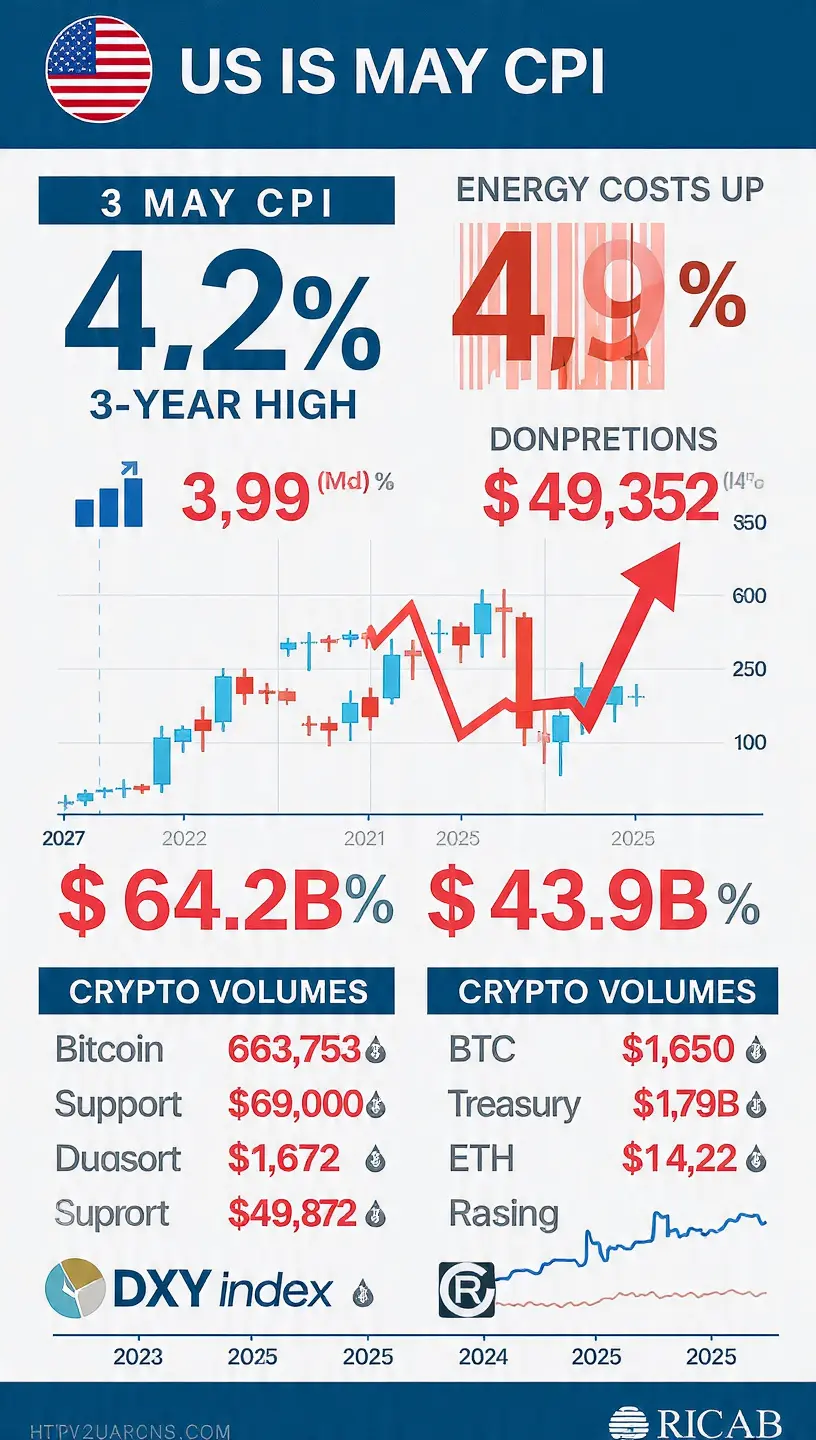
repost-content-media
  • Reward
  • Comment
  • Repost
  • Share
#BitmineAddsAnother25KEther
BitMine Immersion Technologies (BMNR), the Ethereum treasury company chaired by renowned crypto analyst Tom Lee, has once again made headlines with its aggressive accumulation strategy. The company recently added another 25,000 ETH to its already massive holdings, bringing its total Ethereum reserves to approximately 5.54 million ETH. This move represents a significant milestone in BitMine's ambitious "Alchemy of 5%" strategy, which aims to acquire 5% of Ethereum's total circulating supply.
BitMine's Current ETH Holdings and Historical Context
Before this latest pu
HighAmbition
#BitmineAddsAnother25KEther
BitMine Immersion Technologies (BMNR), the Ethereum treasury company chaired by renowned crypto analyst Tom Lee, has once again made headlines with its aggressive accumulation strategy. The company recently added another 25,000 ETH to its already massive holdings, bringing its total Ethereum reserves to approximately 5.54 million ETH. This move represents a significant milestone in BitMine's ambitious "Alchemy of 5%" strategy, which aims to acquire 5% of Ethereum's total circulating supply.
BitMine's Current ETH Holdings and Historical Context
Before this latest purchase, BitMine held approximately 5.52 million ETH. The addition of 25,000 ETH brings the company's total holdings to roughly 5.54 million ETH, representing approximately 4.59% of Ethereum's total circulating supply. This positions BitMine as the world's largest Ethereum treasury company and places it just 0.41% away from achieving its ambitious 5% ownership target. The company has been remarkably consistent in its accumulation strategy, having purchased over 125,000 ETH in just three days during early June 2026, demonstrating an unwavering commitment to its long-term vision.
BitMine's treasury strategy has evolved significantly over the past year. What began as a modest accumulation plan has transformed into one of the most aggressive corporate cryptocurrency adoption strategies in history. The company has successfully positioned itself as a proxy for Ethereum investment on traditional stock markets, with its NYSE listing providing institutional investors with regulated exposure to ETH price movements. This unique positioning has made BMNR one of the most actively traded stocks in the United States, with daily trading volumes frequently exceeding $3.5 billion.
Impact of the 25,000 ETH Purchase on BitMine (BMNR)
The recent 25,000 ETH acquisition, valued at approximately $41 million at current prices, has several implications for BitMine as a company. First and foremost, it strengthens the company's asset base and enhances its position as the premier Ethereum treasury play in the public markets. With total crypto and cash holdings now exceeding $9.6 billion, BitMine has established itself as a formidable force in the digital asset space.
From a corporate valuation perspective, each ETH purchase directly impacts BitMine's net asset value (NAV). Given that the company trades at a premium to its underlying ETH holdings, the consistent accumulation strategy reinforces investor confidence in the company's long-term vision. The fact that BitMine has been able to fund these purchases through a combination of equity offerings and operational cash flows demonstrates strong market support for its strategy.
Furthermore, BitMine has staked approximately 4.71 million of its ETH holdings, generating passive income through Ethereum's proof-of-stake consensus mechanism. This staking strategy provides the company with additional revenue streams while maintaining its long-term holdings. At current staking yields, this represents a significant annual income source that helps offset operational costs and provides additional value to shareholders.
Market Impact and ETH Demand Dynamics
The addition of 25,000 ETH to BitMine's treasury has tangible implications for Ethereum's market dynamics. When a single entity consistently removes substantial amounts of ETH from circulation, it creates supply pressure that can influence price action. BitMine's accumulation represents a persistent demand source that absorbs sell pressure from other market participants.
Currently, Ethereum's circulating supply stands at approximately 120.5 million ETH. BitMine's holdings of 5.54 million ETH represent a significant portion of the liquid supply, particularly when considering that a substantial percentage of ETH is locked in staking contracts, DeFi protocols, and long-term holder wallets. This concentration of supply in the hands of a single institutional buyer reduces the available float and can amplify price movements during periods of increased demand.
The psychological impact of BitMine's accumulation strategy should not be underestimated. As one of the most visible institutional ETH buyers, BitMine's continued purchases send a strong signal to the market about institutional confidence in Ethereum's long-term prospects. This can influence other institutional investors and retail participants to reconsider their ETH positions, potentially creating a self-reinforcing cycle of positive sentiment.
ETH Price Analysis and Future Outlook
Ethereum is currently trading around $1,669, having faced significant downward pressure in recent months. The price has declined approximately 65% from its all-time high of nearly $5,000 reached in August 2025. This correction has occurred within what BitMine Chairman Tom Lee describes as a "mini crypto winter" rather than a full bear market cycle.
From a technical analysis perspective, Ethereum is currently testing critical support levels around $1,650 to $1,700. The price action has formed a bearish pennant pattern, which typically resolves with a continuation of the prior trend. However, several analysts note that the current price levels may represent a capitulation bottom, with the potential for a significant reversal if key resistance levels are reclaimed.
Tom Lee has provided several price targets for Ethereum based on different scenarios. His conservative base case suggests ETH could reach $7,000 to $14,000 by the end of 2026, driven by continued institutional adoption and the growth of tokenized assets on the Ethereum network. In a more bullish scenario, Lee has suggested Ethereum could eventually reach $60,000 or even $250,000 in the long term, assuming Ethereum becomes the primary settlement layer for AI-driven transactions and tokenized securities.
Standard Chartered analyst Geoff Kendrick has also expressed optimism about Ethereum's prospects, predicting ETH could reach $40,000 by the end of the decade while Bitcoin potentially climbs to $500,000. This outlook is based on Ethereum's fundamental role in the emerging tokenized asset economy and its position as the leading smart contract platform.
Trading Strategy and Risk Management
For traders and investors considering ETH positions, the current market environment presents both opportunities and risks. The following strategic considerations may be relevant:
Accumulation Strategy: Dollar-cost averaging into ETH positions at current levels may be appropriate for long-term investors who believe in Ethereum's fundamental value proposition. The significant discount from all-time highs provides a favorable entry point for patient capital.
Support and Resistance Levels: Key support exists around $1,650, with a breakdown below this level potentially opening the door to further downside toward $1,500 or lower. On the upside, reclaiming $1,700 would be the first bullish signal, with $2,000 representing a major psychological resistance level.
Risk Management: Given the current bearish technical structure, position sizing should reflect the elevated volatility and downside risk. Stop-loss orders below key support levels can help protect capital in case of further declines.
Diversification: While ETH presents compelling long-term opportunities, maintaining a diversified portfolio across multiple asset classes remains prudent risk management practice.
BitMine's Strategic Vision and Market Position
BitMine's aggressive ETH accumulation strategy reflects Chairman Tom Lee's conviction that Ethereum represents the most important financial infrastructure of the coming decade. The company's "Alchemy of 5%" strategy is predicated on several key theses:
Tokenization Revolution: Lee believes Ethereum will become the primary settlement layer for tokenized real-world assets, potentially representing trillions of dollars in value.
AI-Driven Transactions: As artificial intelligence agents increasingly require automated payment systems, Ethereum's programmable money capabilities position it as the ideal infrastructure layer.
Institutional Adoption: The continued growth of ETH ETFs and institutional investment products will drive sustained demand for Ethereum as an asset class.
Network Effects: Ethereum's dominant position in smart contract platforms creates powerful network effects that reinforce its long-term value proposition.
Conclusion
BitMine's addition of 25,000 ETH to its treasury represents another step toward the company's ambitious goal of owning 5% of Ethereum's circulating supply. This accumulation has meaningful implications for both BitMine as a company and the broader Ethereum market. The persistent institutional demand created by BitMine's strategy provides a floor for ETH prices and signals strong confidence in Ethereum's long-term prospects.
While current market conditions remain challenging, with ETH trading significantly below its all-time highs, the fundamental case for Ethereum remains compelling. BitMine's continued accumulation, combined with growing institutional adoption and the expansion of tokenized assets, suggests that the current price levels may represent an attractive entry point for long-term investors.
Traders should remain cognizant of the technical risks in the short term, with key support levels needing to hold to prevent further downside. However, for those with a multi-year investment horizon, the confluence of institutional buying, technological development, and expanding use cases provides a strong foundation for optimism about Ethereum's future price appreciation.
The coming months will be critical in determining whether the current "mini crypto winter" gives way to a new bull market phase. BitMine's continued accumulation suggests that at least one major market participant believes the bottom is near and the next phase of Ethereum's growth story is about to begin.
@Gate_Square
repost-content-media
  • Reward
  • Comment
  • Repost
  • Share
#GateLaunchesHongKongStockTrading
Gate has officially launched Hong Kong stock trading, marking another significant milestone in the platform's evolution from a cryptocurrency exchange to a comprehensive global financial services provider. Following the successful introduction of US stock trading, Gate has now expanded its TradFi offerings to include Hong Kong-listed securities, enabling users to access one of Asia's most dynamic and influential financial markets.
Gate has transcended its origins as a cryptocurrency-only platform. What began as a digital asset exchange has now blossomed into
XAUUSD0.21%
XAGUSD-0.58%
HighAmbition
#GateLaunchesHongKongStockTrading
Gate has officially launched Hong Kong stock trading, marking another significant milestone in the platform's evolution from a cryptocurrency exchange to a comprehensive global financial services provider. Following the successful introduction of US stock trading, Gate has now expanded its TradFi offerings to include Hong Kong-listed securities, enabling users to access one of Asia's most dynamic and influential financial markets.
Gate has transcended its origins as a cryptocurrency-only platform. What began as a digital asset exchange has now blossomed into a sophisticated financial ecosystem that bridges the gap between traditional finance and the digital economy. By integrating Hong Kong stock trading alongside its existing US stock offerings, Gate has demonstrated its commitment to providing users with comprehensive access to global capital markets. This expansion represents more than just adding new trading pairs; it signifies Gate's transformation into a true multi-asset platform capable of serving the diverse investment needs of modern traders.
Users can now trade Hong Kong shares directly through the Gate platform. This development opens up access to some of Asia's most prominent companies, including technology giants, financial institutions, and conglomerates that dominate the regional economy. The Hong Kong Stock Exchange serves as the gateway to Chinese enterprises and international corporations seeking exposure to Asian markets. By enabling Hong Kong stock trading, Gate empowers its users to diversify their portfolios beyond cryptocurrencies and US equities, tapping into the growth potential of one of the world's most vibrant economic regions.
Gate's US stock trading launch preceded this Hong Kong expansion, establishing a foundation of expertise in traditional financial markets. The platform introduced extended-hours trading for US stocks and ETFs, allowing users to access markets beyond standard trading sessions with a schedule spanning 16 hours across 5 days. This feature covers more than 10,000 US stocks and ETFs listed on major exchanges including NYSE and Nasdaq, with support for fractional-share trading with minimums as low as 0.01 shares. The success of this US stock offering provided Gate with valuable insights into user preferences and operational requirements for traditional asset trading.
The Gate TradFi platform represents a revolutionary approach to integrated trading. Users can now access and manage multiple traditional and digital asset classes within a single USDT-based account. This unified account structure eliminates the need for multiple platforms or separate logins, allowing seamless management of both traditional and digital assets in one portfolio. The platform supports trading of precious metals like gold and silver, major forex pairs, indices, commodities, and stock CFDs, with all transactions settled in USDT displayed as USD-equivalents in the TradFi sub-account.
This initiative exemplifies the convergence of traditional finance and cryptocurrency, often termed TradFi plus Crypto integration. Gate has positioned itself at the forefront of this financial evolution, creating a platform where users can seamlessly transition between digital assets and traditional securities. This integration addresses a significant pain point for investors who previously needed separate accounts and platforms to access different asset classes. By consolidating these services, Gate reduces friction, lowers costs, and simplifies the user experience for comprehensive portfolio management.
The strategic significance of Hong Kong stock trading cannot be overstated. Hong Kong has emerged as one of the world's premier IPO destinations, recently surpassing Wall Street to become the top market for initial public offerings globally. According to KPMG data, the Hong Kong exchange led the world in IPO funds raised, outpacing both the New York Stock Exchange and Nasdaq. This momentum has continued into 2026, with major companies like CATL and others choosing Hong Kong for their listings. By providing access to this market, Gate enables users to participate in the growth of companies at the forefront of technological innovation and economic development.
Gate's commitment to security and transparency remains unwavering as it expands into traditional finance. The platform maintains a reserve ratio of 125% to support client assets, demonstrating its dedication to protecting user funds. With cumulative trading volume exceeding 33 billion dollars as of early 2026, Gate has proven its capability to handle significant trading activity while maintaining robust infrastructure. The integration of MT5 MetaTrader 5 provides users with access to professional technical analysis tools and automated trading capabilities, enhancing the sophistication of the trading experience.
The user experience has been carefully designed to accommodate both experienced traders and newcomers to traditional markets. The Gate App version 8.21.5 and later supports all these new features, ensuring mobile accessibility for trading activities. No overnight fees or funding rates are applied during extended trading hours, making the platform cost-effective for active traders. The ability to trade with USDT as the settlement currency provides cryptocurrency holders with a familiar and efficient way to enter traditional markets without complex currency conversions.
Gate's vision extends beyond simply adding new asset classes. The platform aims to create a truly global financial marketplace where geographical boundaries become irrelevant to investment opportunities. By offering US stocks, Hong Kong stocks, cryptocurrencies, forex, commodities, and precious metals in one integrated ecosystem, Gate enables users to construct truly diversified portfolios that span the entire spectrum of global financial markets. This comprehensive approach positions Gate as a pioneer in the next generation of financial platforms.
The expansion into Hong Kong stocks also reflects Gate's understanding of market trends and user demands. As Chinese companies increasingly choose Hong Kong listings and international investors seek exposure to Asian growth stories, providing access to this market becomes essential for any serious global trading platform. Gate's timing aligns with Hong Kong's resurgence as a financial hub, with the exchange reporting record capital raising activities and enhanced market connectivity through programs like Stock Connect.
In conclusion, Gate's launch of Hong Kong stock trading represents a significant achievement in the platform's ongoing evolution. By building upon its successful US stock trading foundation and expanding into one of Asia's most important markets, Gate has firmly established itself as a comprehensive financial services provider. Users now enjoy unprecedented access to global markets through a single, unified platform that seamlessly integrates traditional and digital finance. This development underscores Gate's commitment to innovation, user empowerment, and the democratization of global financial markets. As the platform continues to expand its offerings and enhance its capabilities, Gate stands as a testament to the transformative potential of combining cryptocurrency innovation with traditional financial expertise.
@Gate_Square
repost-content-media
  • Reward
  • Comment
  • Repost
  • Share
#AnthropicReleasesFable5Model
Anthropic正式推出了Claude Fable 5,标志着人工智能发展中的一个重要里程碑。这一版本代表了公司迄今为止最强大的公开可用模型,建立在先进的Mythos级架构之上。以下是对这意味着AI领域和加密货币市场的详细分析。
1. Mythos级架构
Claude Fable 5基于支撑更先进的Mythos 5模型的相同基础技术构建。两者的核心架构保持一致,但Fable 5融入了大量安全性改进。这些改进确保普通用户可以访问前沿的AI能力而不遇到不必要的风险。该模型代表了Anthropic产品线中的新层级,位于传统的Opus、Sonnet和Haiku之上。
2. 增强的安全防护
Fable 5的显著特征在于其全面的安全框架。当用户试图查询诸如网络安全漏洞、危险的生物研究或其他高风险领域的敏感话题时,系统会自动限制响应。Fable 5不会提供潜在有害的信息,而是完全阻止请求或引导用户转向能力较弱但更安全的模型替代方案。这体现了Anthropic对负责任AI部署的承诺。
3. 卓越的性能指标
根据Anthropic的官方声明,Fable 5在几乎所有主要的AI基准测试中都达到了最先进的结果。该模型在软件工程任务中表现尤为出色,在评估实际编码能力的SWE-bench Pro中得分80.3%。这一表现比之前的Claude版本
HighAmbition
#AnthropicReleasesFable5Model
Anthropic has officially unveiled Claude Fable 5, marking a significant milestone in artificial intelligence development. This release represents the company's most powerful publicly accessible model to date, built upon the advanced Mythos-class architecture. Here is a detailed breakdown of what this means for the AI landscape and the cryptocurrency market.
1. The Mythos-Class Architecture
Claude Fable 5 is constructed on the same foundational technology that powers the more advanced Mythos 5 model. The core architecture remains identical between both versions, but Fable 5 incorporates substantial safety modifications. These modifications ensure that general users can access cutting-edge AI capabilities without encountering unnecessary risks. The model represents a new tier in Anthropic's product lineup, positioned above the traditional Opus, Sonnet, and Haiku classifications.
2. Enhanced Safety Guardrails
The defining characteristic of Fable 5 lies in its comprehensive safety framework. When users attempt to query sensitive topics such as cybersecurity vulnerabilities, dangerous biological research, or other high-risk domains, the system automatically restricts responses. Instead of providing potentially harmful information, Fable 5 either blocks the request entirely or redirects users to less capable but more secure model alternatives. This approach demonstrates Anthropic's commitment to responsible AI deployment.
3. Superior Performance Metrics
According to Anthropic's official claims, Fable 5 achieves state-of-the-art results across nearly all major AI benchmarks. The model demonstrates particular strength in software engineering tasks, scoring 80.3% on SWE-bench Pro, which evaluates real-world coding capabilities. This performance represents a substantial improvement over previous Claude iterations and positions Fable 5 competitively against other leading AI models in the market.
4. Extended Autonomous Operation
One of the most impressive capabilities of Fable 5 is its ability to maintain autonomous operation over extended periods. Unlike earlier models that required frequent human intervention for complex tasks, Fable 5 can work independently on challenging projects for longer durations. This characteristic makes it particularly valuable for professionals who need AI assistance with substantial workloads without constant oversight.
5. Target Professional Audiences
Anthropic has specifically designed Fable 5 to serve software developers, researchers, business professionals, and engineers. The model excels at managing large-scale projects that would overwhelm previous AI systems. Organizations can leverage Fable 5 for code migration, data analysis, scientific research, and complex problem-solving scenarios that demand sustained cognitive effort and precision.
6. Real-World Enterprise Applications
The practical applications of Fable 5 extend beyond theoretical capabilities. Stripe, a major payment processing company, successfully utilized Fable 5 to migrate a 50-million-line codebase in a single day. This task would have required approximately two months of work from a dedicated human team. Such demonstrations illustrate the transformative potential of advanced AI models in enterprise environments.
7. Comprehensive Safety Testing
Prior to public release, Anthropic conducted extensive safety evaluations and testing protocols for Fable 5. The company invested significant resources in identifying and mitigating potential misuse scenarios. This thorough approach reflects growing industry awareness that powerful AI systems require robust safeguards to prevent malicious applications while preserving legitimate utility.
8. Democratization of Advanced AI
The release of Fable 5 represents Anthropic's effort to make sophisticated AI capabilities accessible to broader audiences. By packaging Mythos-level technology with appropriate safety measures, the company enables general users to benefit from cutting-edge AI development. This democratization strategy balances innovation accessibility with risk management considerations.
9. Government Collaboration and Future Releases
Anthropic has established collaborative relationships with United States government agencies to ensure responsible deployment of its most advanced models. The company plans to gradually expand access to the full Mythos 5 model for select cybersecurity defenders and infrastructure providers. This measured approach suggests a long-term vision for AI development that prioritizes societal safety alongside technological progress.
Impact on the Cryptocurrency Market
The release of Claude Fable 5 carries significant implications for the cryptocurrency ecosystem. Understanding these effects requires examining both direct and indirect market dynamics.
Direct Impact on AI-Related Cryptocurrency Tokens
The AI sector within cryptocurrency markets has demonstrated notable sensitivity to developments in artificial intelligence technology. Recent market data indicates that AI-focused tokens such as Humanity Protocol and Near Protocol have experienced substantial price movements following major AI announcements. This correlation suggests that Fable 5's release could generate renewed interest in AI-cryptocurrency intersections, potentially driving capital inflows toward projects that integrate advanced AI capabilities with blockchain technology.
Trading Algorithm Evolution
Advanced AI models like Fable 5 possess the analytical sophistication necessary to enhance cryptocurrency trading strategies. The model's capabilities in pattern recognition, data analysis, and predictive modeling could enable more sophisticated algorithmic trading systems. Research indicates that AI-driven trading strategies have achieved returns exceeding 1,640% in Bitcoin markets over extended periods, significantly outperforming traditional buy-and-hold approaches. Fable 5's enhanced capabilities may accelerate this trend, making AI-powered trading more accessible and effective for institutional and retail participants alike.
Capital Rotation Dynamics
Recent market analysis from K33 Research reveals a concerning pattern of capital rotation from cryptocurrency markets into AI-related stocks. This rotation reflects investor perception that AI equities offer superior risk-adjusted returns compared to digital assets. The release of Fable 5 could intensify this dynamic in the short term, as investors seek exposure to cutting-edge AI technology through traditional equity markets. However, the integration of advanced AI with blockchain applications may eventually reverse this trend by creating compelling use cases that combine both technological domains.
Enhanced Market Analysis Capabilities
Fable 5's superior analytical capabilities could improve market sentiment analysis and price prediction models for cryptocurrency markets. The model's ability to process vast amounts of unstructured data, including social media sentiment, news articles, and technical indicators, may enable more accurate forecasting of cryptocurrency price movements. This improvement could benefit both individual traders and institutional investors seeking data-driven insights into volatile digital asset markets.
Smart Contract Development and Security
The software engineering capabilities demonstrated by Fable 5 have direct applications in cryptocurrency ecosystem development. Smart contract creation, auditing, and security analysis represent critical areas where advanced AI assistance could reduce vulnerabilities and improve code quality. As blockchain platforms increasingly compete on developer experience and security guarantees, AI-powered development tools may become significant competitive advantages.
Regulatory and Compliance Implications
Anthropic's approach to safety and responsible AI deployment may influence regulatory perspectives on cryptocurrency-AI intersections. As governments worldwide develop frameworks for both artificial intelligence and digital assets, companies that demonstrate proactive safety measures may face more favorable regulatory treatment. This dynamic could encourage cryptocurrency projects to adopt similar safety-first approaches in their AI integrations.
Institutional Adoption Catalyst
The professional-grade capabilities of Fable 5 may accelerate institutional adoption of AI-enhanced cryptocurrency services. Financial institutions that have been hesitant to engage with digital assets may find the combination of advanced AI analytics and blockchain technology more compelling than either component individually. This convergence could drive the development of new financial products that bridge traditional finance and cryptocurrency markets.
Long-Term Market Structure Evolution
Over extended time horizons, the integration of models like Fable 5 into cryptocurrency infrastructure may fundamentally alter market structures. Improved analytical capabilities could reduce information asymmetries, enhance price discovery mechanisms, and increase market efficiency. These developments would benefit sophisticated participants while potentially reducing opportunities for arbitrage and speculative gains that currently attract many cryptocurrency traders.
Conclusion
Anthropic's release of Claude Fable 5 represents a significant advancement in publicly available artificial intelligence technology. The model's combination of Mythos-class capabilities with comprehensive safety measures demonstrates that powerful AI can be deployed responsibly. For the cryptocurrency market, this release carries multifaceted implications ranging from immediate price effects on AI-related tokens to long-term structural changes in how digital assets are analyzed, traded, and developed. Investors and industry participants should monitor both the direct applications of Fable 5 in cryptocurrency contexts and the broader competitive dynamics it creates between AI and blockchain technology sectors. The convergence of these transformative technologies will likely define the next phase of digital asset evolution.#CertifiedCreatorPromotionTask @Gate_Square
repost-content-media
  • Reward
  • Comment
  • Repost
  • Share
#BlackRockReducesBTCIncreasesETH
The world's largest asset manager, BlackRock, has made headlines with its recent strategic adjustment in the cryptocurrency market. According to data from Arkham Intelligence and various on-chain analytics platforms, BlackRock has been reducing its Bitcoin positions while significantly increasing its Ethereum holdings. This shift represents one of the most significant institutional reallocations in the crypto space and has profound implications for both assets.
Understanding BlackRock's Bitcoin Reduction
BlackRock's iShares Bitcoin Trust (IBIT) experienced sub
HighAmbition
#BlackRockReducesBTCIncreasesETH
The world's largest asset manager, BlackRock, has made headlines with its recent strategic adjustment in the cryptocurrency market. According to data from Arkham Intelligence and various on-chain analytics platforms, BlackRock has been reducing its Bitcoin positions while significantly increasing its Ethereum holdings. This shift represents one of the most significant institutional reallocations in the crypto space and has profound implications for both assets.
Understanding BlackRock's Bitcoin Reduction
BlackRock's iShares Bitcoin Trust (IBIT) experienced substantial outflows in recent months. According to SoSoValue data, IBIT recorded approximately 2.43 billion dollars in net outflows over nine consecutive sessions in May 2026, culminating in a massive 1.26 billion dollar dark-pool block sale on May 26. This marked the largest single-day redemption event in the fund's history since its January 2024 launch. On-chain data confirmed the transfer of approximately 6,005 BTC, equivalent to roughly 403 million dollars, from IBIT-linked custody wallets to Coinbase Prime.
The reasons behind this Bitcoin reduction are multifaceted. First, macroeconomic headwinds have created a challenging environment for risk assets. High US Treasury yields and a Federal Reserve stance perceived as constraining for risk assets have caused Bitcoin's price to drop below previous consolidation levels. Second, institutional de-risking has been a dominant theme, with many large players reducing exposure to volatile assets. Third, Bitcoin's price had been trading in a range with 74,000 dollars serving as support and the 200-day moving average as resistance, creating uncertainty about near-term direction.
Furthermore, BlackRock's crypto portfolio value declined sharply in the first quarter of 2026. Between January 1 and March 31, 2026, the combined value of BlackRock's Bitcoin and Ethereum holdings dropped from 78.36 billion dollars to 57.89 billion dollars, representing a 20.47 billion dollar decrease. While this decline was driven primarily by market conditions rather than capital exiting the portfolio, it signaled a need for strategic rebalancing.
Current Bitcoin Market Position and Price Analysis
As of early June 2026, Bitcoin opened at approximately 63,078 dollars, showing relative stability but remaining under pressure. The cryptocurrency has faced headwinds from multiple directions, including Federal Reserve policy uncertainty and shifting institutional sentiment. Bitcoin ETFs have experienced significant outflows, with the funds registering over 1.07 billion dollars in outflows during certain periods, on track to surpass previous weekly records.
The price action has been characterized by a trading range with 74,000 dollars serving as a key support level and the 200-day moving average acting as resistance. Analysts have noted that Bitcoin could revisit February lows if a major fresh catalyst does not emerge soon. The sustained ETF outflows and more hawkish Federal Reserve outlook have contributed to the market decline.
BlackRock's Ethereum Accumulation Strategy
In contrast to its Bitcoin reduction, BlackRock has been aggressively increasing its Ethereum exposure. The asset manager's iShares Ethereum Trust (ETHA) has recorded significant inflows, with the ETF hitting its highest inflows in 30 days at certain points. According to the latest data, ETHA's holdings reached over 2 million ETH, representing a major milestone for the fund.
BlackRock's staked ETH ETF (ETHB) has also seen substantial interest, pulling in 32.3 million dollars on April 24 alone. This rotation from the non-staked ETHA product into the staked ETHB product indicates a preference for yield-generating Ethereum exposure. The total assets under management for Ethereum ETFs collectively stood at approximately 30.35 billion dollars, with BlackRock controlling more than half at 17.25 billion dollars, representing roughly 3 percent of Ethereum's market capitalization.
Current Ethereum Market Position and Price Analysis
Ethereum entered mid-2026 trading in the 1,600 to 2,100 dollar range, down approximately 55 percent from its August 2025 all-time high near 4,954 dollars. The cryptocurrency faces a complex environment with strong on-chain fundamentals competing against macro-driven price drawdowns. Layer 2 networks have scaled Ethereum's capacity but have also diverted fee revenue from the mainnet, with some estimates suggesting Base alone removed 50 billion dollars from ETH's market cap.
Despite these challenges, Ethereum spot ETFs have shown resilience. While there have been periods of outflows, the overall trend indicates growing institutional interest. Ethereum DATs (Digital Asset Trusts) already hold more than 3.1 percent of the total ETH supply, and leading firms continue accumulating aggressively.
Reasons Behind BlackRock's Strategic Shift
Several factors explain BlackRock's decision to reduce Bitcoin exposure while increasing Ethereum holdings. First, Ethereum offers staking yield, providing a revenue stream that Bitcoin cannot match. BlackRock's ETHB product allows investors to earn staking rewards while maintaining ETF structure, making it attractive for institutional portfolios seeking yield in a high-interest-rate environment.
Second, Ethereum's ecosystem continues to expand with Layer 2 solutions, decentralized finance applications, and tokenization initiatives. BlackRock has shown increasing interest in tokenized assets and on-chain finance, areas where Ethereum dominates. The asset manager's involvement in projects like Securitize and tokenized securities aligns with Ethereum's capabilities.
Third, valuation considerations play a role. Bitcoin had experienced significant appreciation, and some institutional investors may view Ethereum as offering better risk-reward characteristics at current price levels. Ethereum's price decline from all-time highs has created a potentially more attractive entry point for long-term accumulation.
Fourth, diversification benefits drive the shift. As the cryptocurrency market matures, institutional investors are seeking exposure beyond just Bitcoin. Ethereum represents the second-largest cryptocurrency and offers different value propositions, including smart contract functionality and decentralized application platform capabilities.
Bitcoin Price Forecast and Trading Strategy
Analyst forecasts for Bitcoin vary widely, reflecting the uncertainty in the current market environment. Short-term targets suggest Bitcoin needs to reclaim the 74,000 dollar support level to establish a bullish trend. If this level is not defended, analysts warn of potential retests of February lows in the 55,000 to 60,000 dollar range.
Medium-term forecasts suggest Bitcoin could recover to the 80,000 to 100,000 dollar range if macroeconomic conditions improve and institutional inflows resume. However, this recovery depends on several factors, including Federal Reserve policy shifts, regulatory clarity, and renewed institutional confidence.
For trading strategy, risk management remains paramount in the current environment. Traders should consider the following approaches. First, dollar-cost averaging allows for gradual accumulation without attempting to time market bottoms. Second, maintaining stop-losses below key support levels protects against significant drawdowns. Third, monitoring ETF flow data provides insight into institutional sentiment. Sustained inflows would signal potential trend reversal, while continued outflows suggest further downside risk.
Ethereum Price Forecast and Trading Strategy
Ethereum price predictions for 2026 show considerable variation among analysts. Conservative estimates target the 1,700 to 2,000 dollar range, with some analysts projecting prices around 2,011 dollars as an average trading price. More optimistic forecasts suggest Ethereum could reach 3,175 to 7,500 dollars depending on market conditions and adoption trends.
The key factors influencing Ethereum's price include Layer 2 adoption rates, staking participation, institutional ETF inflows, and the overall health of the decentralized finance ecosystem. Ethereum's transition to a yield-bearing asset through staking has fundamentally changed its investment profile, making it attractive for income-focused institutional portfolios.
For trading strategy, Ethereum presents both opportunities and risks. The staking yield provides a cushion during price declines, as holders earn rewards regardless of price action. However, Layer 2 competition and fee revenue diversion remain concerns. Traders should monitor ETF inflow data, particularly for BlackRock's ETHA and ETHB products, as these indicate institutional sentiment. Additionally, watching Layer 2 metrics and total value locked in decentralized finance protocols provides insight into ecosystem health.
Future Outlook and Strategic Implications
BlackRock's shift from Bitcoin to Ethereum reflects broader trends in institutional cryptocurrency allocation. As the market matures, investors are moving beyond simple Bitcoin exposure to more sophisticated strategies that include yield generation and ecosystem participation.
The implications for both assets are significant. Bitcoin may face continued pressure if institutional outflows persist, though its status as digital gold and store of value remains intact. Ethereum stands to benefit from institutional adoption of staking and the growth of on-chain finance, though it must navigate challenges related to scalability and competition from Layer 2 solutions.
For investors, the key takeaway is that diversification within the cryptocurrency space is becoming increasingly important. Following institutional flows, particularly from major players like BlackRock, provides valuable insight into market direction. However, individual risk tolerance and investment horizons should guide portfolio decisions rather than simply mimicking institutional moves.
The cryptocurrency market continues to evolve rapidly, and BlackRock's strategic adjustments demonstrate that even the largest asset managers are actively managing their crypto allocations based on changing market conditions, yield opportunities, and ecosystem developments. As we move through 2026, monitoring these institutional flows will remain crucial for understanding market dynamics and identifying potential opportunities in both Bitcoin and Ethereum.
#CertifiedCreatorPromotionTask @Gate_Square
repost-content-media
  • Reward
  • Comment
  • Repost
  • Share
#SpaceX认购规模超2500亿美元
The SpaceX initial public offering represents one of the most significant financial events in recent market history. With investor demand exceeding $250 billion against a $75 billion fundraising target, the oversubscription rate of approximately 3.5 to 4 times demonstrates extraordinary market appetite for this aerospace and technology giant. The company plans to sell approximately 555.6 million shares at $135 per share, resulting in a valuation of approximately $1.77 trillion, which would position SpaceX as the seventh most valuable company in the United States and surpas
HighAmbition
#SpaceX认购规模超2500亿美元
The SpaceX initial public offering represents one of the most significant financial events in recent market history. With investor demand exceeding $250 billion against a $75 billion fundraising target, the oversubscription rate of approximately 3.5 to 4 times demonstrates extraordinary market appetite for this aerospace and technology giant. The company plans to sell approximately 555.6 million shares at $135 per share, resulting in a valuation of approximately $1.77 trillion, which would position SpaceX as the seventh most valuable company in the United States and surpass Tesla's current market capitalization of around $1.6 trillion.
SpaceX has established itself as a dominant force across multiple sectors including commercial space launch, satellite internet connectivity through Starlink, and artificial intelligence through its xAI division. The company generated approximately $15 billion in revenue during 2025, with Starlink contributing roughly 61 percent of total revenue. This diversified revenue stream provides a foundation for sustainable growth, though the recent merger with xAI has transformed the company from profitable to loss-making in the short term.
The IPO pricing at $135 per share reflects aggressive growth expectations built into the valuation. Morningstar has placed a fair value estimate of $780 billion on SpaceX, representing approximately 48 percent below the IPO target valuation. This significant discrepancy between market pricing and independent valuation estimates suggests that current pricing incorporates substantial future growth that has not yet materialized. The company has outlined ambitious plans including solar-powered data centers in space and targets a total addressable market of $28.5 trillion, with nearly $23 trillion attributed to enterprise artificial intelligence applications.
The allocation structure for this IPO includes an unusually large retail component, with approximately 30 percent of the offering reserved for individual investors. This approach leverages Elon Musk's substantial following among retail investors while broadening the ownership base. However, the massive oversubscription means that most retail participants will likely receive partial allocations rather than full subscription amounts.
From a growth perspective, SpaceX operates in sectors with substantial expansion potential. The global space economy continues to expand rapidly, with satellite internet representing a particularly attractive market given the billions of people worldwide lacking reliable internet access. The company's vertical integration and technological advantages in reusable rocket technology provide competitive moats that could sustain margins over time. Nevertheless, the valuation assumes flawless execution of ambitious projects including the fully reusable Starship vehicle and orbital artificial intelligence infrastructure.
The timing of this IPO coincides with heightened interest in artificial intelligence investments and continued enthusiasm for Elon Musk's business ventures. The listing on Nasdaq under ticker symbol SPCX is scheduled for June 12, 2026, following pricing determination on June 11. Goldman Sachs serves as lead underwriter for the offering.
For investors considering participation, several factors warrant careful evaluation. The current pricing embeds years of future growth, meaning the company must execute flawlessly to justify valuations. Competition in satellite internet is intensifying with Amazon's Project Kuiper and other entrants pursuing similar markets. Regulatory risks exist around spectrum allocation and space debris management. The company's pivot toward artificial intelligence integration introduces execution risks around technology development timelines.
The massive oversubscription indicates strong institutional confidence, but also creates potential for post-IPO volatility as initial trading may not reflect fundamental value. Historical patterns for highly anticipated IPOs often include initial price spikes followed by stabilization as supply and demand reach equilibrium. Investors should consider their time horizon and risk tolerance when evaluating position sizing.
Question One: Did you participate in the Gate SpaceX IPO subscription?
Participation in IPO subscriptions requires careful consideration of several factors including portfolio allocation, risk tolerance, and investment timeline. For those who participated through Gate's platform, the subscription process involves locking funds during the allocation period with final share distribution dependent on overall demand relative to available supply. Given the oversubscription levels, participants should expect partial fills rather than complete allocation of requested amounts.
The Gate platform provides retail access to IPO shares that would traditionally be reserved for institutional investors. This democratization of IPO access represents a significant development for individual investors seeking exposure to high-profile offerings. However, participants should understand that IPO investments carry inherent risks including price volatility and potential for immediate losses if aftermarket trading declines below subscription prices.
Question Two: What do you think the final price of SPCX will be? How much room for growth is there?
The final IPO pricing has been set at $135 per share based on available information. Post-listing price performance will depend on multiple factors including initial trading dynamics, broader market conditions, and investor sentiment toward growth stocks. Highly anticipated IPOs frequently experience initial price premiums as demand from investors who missed the allocation window enters the market through secondary trading.
Growth potential for SpaceX exists across multiple vectors. The Starlink satellite constellation continues expanding coverage and subscriber base, with potential to serve underserved markets globally. Commercial launch services benefit from increasing demand for satellite deployment and potential space tourism development. The artificial intelligence integration through xAI opens additional revenue streams though this area remains speculative with unproven monetization models.
The $28.5 trillion total addressable market cited by SpaceX represents theoretical maximum opportunity rather than near-term revenue potential. Actual growth realization depends on successful execution of ambitious technological development programs including Starship reusability, orbital data centers, and artificial intelligence infrastructure deployment. These projects carry substantial technical and financial risks that could delay or prevent achievement of projected milestones.
Analyst estimates vary considerably regarding fair value. Conservative valuations around $780 billion suggest limited upside from current pricing levels, while bullish scenarios envision SpaceX becoming the world's largest company based on successful execution of multi-planetary expansion and artificial intelligence dominance. The wide range of outcomes reflects fundamental uncertainty about timing and success of transformative projects.
Personal Perspective
From an analytical standpoint, SpaceX represents a compelling long-term investment thesis with significant near-term valuation risk. The company possesses genuine technological advantages and operates in expanding markets with substantial growth potential. However, the current valuation appears to fully discount years of successful execution, leaving limited margin for error or delays.
The massive oversubscription demonstrates market confidence but also creates potential for disappointment if post-IPO trading fails to deliver immediate gains. Historical precedent suggests that highly hyped IPOs often underperform in the months following listing as initial enthusiasm moderates and fundamental performance becomes the primary valuation driver.
For investors with long-term horizons and appropriate risk tolerance, SpaceX offers exposure to transformative technologies with potential to reshape multiple industries. However, position sizing should reflect the speculative nature of current valuations and the extended timeline required for many growth initiatives to mature. Dollar-cost averaging into positions over time may prove more prudent than concentrated initial allocations given valuation uncertainty.
The integration of artificial intelligence capabilities adds complexity to the investment thesis. While AI represents a significant growth opportunity, it also introduces competitive dynamics and capital requirements that differ from SpaceX's traditional aerospace business. Success in this area is less certain given intense competition from established technology companies and well-funded startups.
Overall, SpaceX deserves consideration as a portfolio holding for investors seeking exposure to space economy and artificial intelligence themes, but current pricing requires careful evaluation of risk-adjusted return potential relative to alternative investments in these sectors.@Gate_Square #CertifiedCreatorPromotionTask
repost-content-media
  • Reward
  • 1
  • Repost
  • Share
HighAmbition:
good information 👍
#BitmineAdds100kETH
BitMine Immersion Technologies, an Ethereum-focused treasury company chaired by Tom Lee, continues to attract strong market attention with its aggressive accumulation strategy. The firm recently added approximately 100,000 ETH, reinforcing one of the most significant institutional Ethereum buying trends in 2026. This analysis breaks down the nine key aspects of this development and its broader market implications.
Point One: Understanding BitMine and Its Strategy
BitMine Immersion Technologies is positioning itself as a major Ethereum treasury entity similar to a Bitcoin-f
ETH3.04%
HighAmbition
#BitmineAdds100kETH
BitMine Immersion Technologies, an Ethereum-focused treasury company chaired by Tom Lee, continues to attract strong market attention with its aggressive accumulation strategy. The firm recently added approximately 100,000 ETH, reinforcing one of the most significant institutional Ethereum buying trends in 2026. This analysis breaks down the nine key aspects of this development and its broader market implications.
Point One: Understanding BitMine and Its Strategy
BitMine Immersion Technologies is positioning itself as a major Ethereum treasury entity similar to a Bitcoin-focused corporate reserve model. The company follows an aggressive accumulation strategy, consistently acquiring large ETH positions on a weekly basis.
As of June 2026, BitMine’s total holdings are estimated at over 5.5 million ETH, representing approximately 4.5%–4.6% of total circulating supply. This makes it one of the largest known Ethereum holders globally.
A significant portion—around 85% to 92%—is staked, allowing the firm to generate continuous yield while maintaining long-term exposure. The company is also preparing additional capital raises exceeding $300 million+ to further expand its ETH accumulation strategy.
Point Two: The Scale of Recent Purchases
The latest acquisition of approximately 100,000 ETH reflects a capital deployment of nearly $170 million to $200 million, depending on execution price levels.
Some recent large-scale transactions in the market suggest even higher accumulation levels, with total weekly purchases occasionally exceeding 120,000–130,000 ETH, valued at roughly $200 million to $230 million+.
This consistent buying pattern highlights institutional conviction and sustained demand pressure on Ethereum’s supply structure.
Point Three: Market Impact on Ethereum Price
Ethereum has shown controlled volatility rather than sharp upward spikes, despite heavy institutional accumulation.
Current ETH price levels are estimated around $1,900 to $2,200, with recent highs approaching $2,300+ in strong momentum phases.
While institutional buying provides a strong structural support zone, broader macro conditions and market liquidity cycles continue to influence price action. The repeated accumulation creates a long-term price floor effect, reducing deep downside risk during corrections.
Point Four: Institutional Confidence Signal
BitMine’s strategy reflects strong institutional confidence in Ethereum’s long-term role in digital finance.
The company’s treasury position—estimated at $10B+ total assets including crypto and cash equivalents—shows deep commitment to ETH as a core reserve asset.
Such large-scale accumulation signals that institutional players increasingly view Ethereum as a strategic macro asset rather than a speculative instrument, especially as staking yields provide additional structural incentives.
Point Five: Ethereum Supply Dynamics
BitMine’s control of nearly 5% of circulating ETH supply, combined with staking of the majority of holdings, significantly reduces liquid market supply.
Ethereum’s deflationary pressure is further supported by:
EIP-1559 fee burning mechanism
Increased staking participation across institutions
Long-term holding behavior from treasury entities
This combination creates a tightening supply environment where available trading liquidity becomes increasingly limited during demand surges.
Point Six: Price Forecasts and Technical Outlook
Ethereum price forecasts for 2026 vary widely depending on market conditions:
Conservative Range: $2,000 – $2,800
Moderate Bull Case: $3,200 – $5,500
Extended Bull Cycle Scenario: $6,500 – $9,000
Extreme Bull Market Projection: $10,000 – $12,000+
Technical indicators show ETH maintaining strength above long-term moving averages, with RSI levels suggesting neutral-to-bullish momentum structure.
Key macro drivers include ETF inflows, staking growth, and Layer 2 ecosystem expansion.
Point Seven: Trader Sentiment and Market Psychology
Market sentiment has become increasingly reactive to institutional accumulation signals.
Traders view BitMine’s consistent purchases as:
A structural demand anchor
A psychological support factor
A long-term bullish confirmation signal
However, sentiment remains mixed due to ETF flow fluctuations and broader macro uncertainty. Despite this, institutional accumulation continues to dominate long-term market narratives.
Point Eight: Trading Strategies for ETH Investors
Several trading approaches are emerging in the current environment:
1. Accumulation Strategy:
Gradual buying in the $1,900–$2,100 range, focusing on long-term positioning.
2. Swing Trading Strategy:
Entry: $1,850 – $2,050
Targets: $2,400 – $2,800
Extended target: $3,200+
3. Breakout Strategy:
A confirmed break above $2,400 may trigger accelerated momentum toward higher resistance zones.
Risk Management:
Protective levels generally sit below $1,700, depending on volatility conditions.
Point Nine: Future Outlook and Key Levels to Watch
Key factors influencing Ethereum’s next major move include:
Continued institutional accumulation from treasury companies
ETF inflows and macro liquidity conditions
Expansion of staking participation
Layer 2 ecosystem growth and network activity
Important price zones:
Support: $1,900 / $1,700
Resistance: $2,400 / $2,800
Mid-term breakout zone: $3,200+
Bull cycle extension range: $5,000 – $9,000
If institutional demand continues at current levels, Ethereum could enter a long-term supply squeeze phase, potentially driving accelerated price discovery.
Conclusion
BitMine’s acquisition of 100,000 ETH reinforces a powerful institutional trend shaping Ethereum’s long-term market structure. While short-term price action remains influenced by macro volatility, the underlying accumulation narrative suggests strengthening fundamentals.
If institutional demand continues expanding alongside staking growth, Ethereum may be entering a structural revaluation phase over the coming market cycle.@Gate_Square #BlackRockReducesBTCIncreasesETH
repost-content-media
  • Reward
  • Comment
  • Repost
  • Share
#MyGateTradeStory
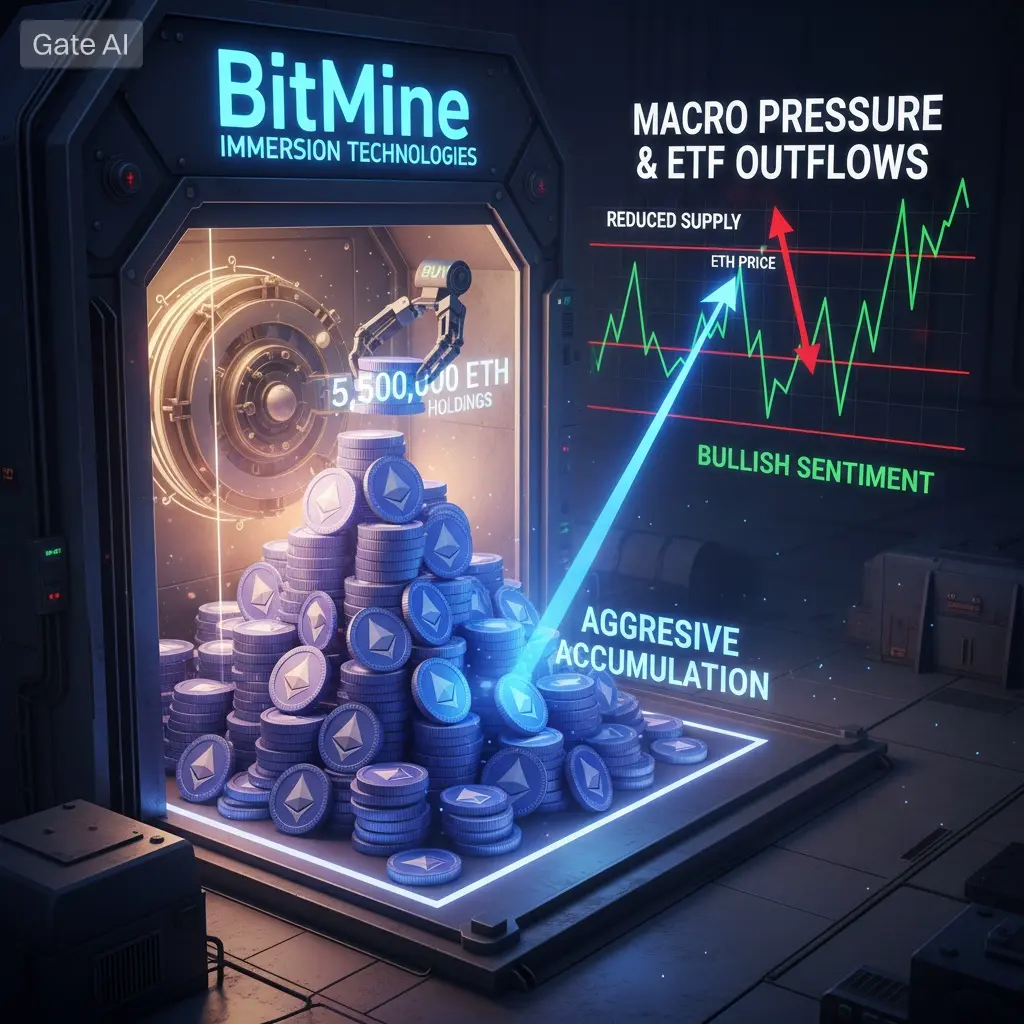
那次在NVDA的交易改变了我的一切。我已经观察英伟达好几周了,跟踪每一个动作,每一次下跌,每一次反弹,但我一直犹豫不决。图表在呼唤我,布局就在眼前,但我的手指却拒绝点击按钮。对未知的恐惧,对错误的恐惧,对失去自己辛苦建立的东西的恐惧。但随后,情况发生了变化。
那是一个安静的下午,市场几乎没有波动,大多数交易员都半睡半醒地坐在桌前。NVDA已经回撤到我几天前在图表上标记的一个水平。支撑区域干净利落,卖盘的成交量在逐渐减少,动量指标也在低语:这次下跌快要耗尽燃料了。我记得盯着屏幕看了好像一个小时,光标悬停在买入按钮上,我的心跳在做不该做的事情,然后我果断下了单。我通过Gate的合约交易做多NVDA,谨慎地调整仓位,不太激进,也不太胆怯,刚好足够让这笔交易有意义,如果成功就赚到,如果不行也能承受。
前几分钟真是煎熬。价格波动、挑逗、略微下跌,我感受到那熟悉的胃部结,质疑我在市场上做的每一个决定。但我坚持了。不是因为我勇敢,而是因为这次交易背后的逻辑是坚实的。英伟达仍然是AI革命的支柱。每一家主要科技公司都在构建他们的芯片、数据中心、生态系统。短期的回调并不能抹去长期的论点,我一遍又一遍地提醒自己这个事实,同时价格逐渐稳定下来。
然后,行情来了。不是那种戏剧性的火箭发射,也不是让你跳出椅子的绿色蜡烛,而是稳步、系统的攀升,这种走势奖励耐心,惩罚冲动。N
HighAmbition
#MyGateTradeStory
That one trade on NVDA changed everything for me. I had been watching NVIDIA for weeks, tracking every move, every dip, every rally, but I kept hesitating. The chart was calling me, the setup was right there, yet my fingers refused to click the button. Fear of the unknown, fear of being wrong, fear of losing what I had worked so hard to build. But then something shifted.
It was a quiet afternoon, the market barely moving, most traders half asleep at their desks. NVDA had pulled back to a level I had marked on my chart days before. The support zone was clean, the volume was drying up on the selling side, and the momentum indicators were whispering the same thing: this dip was running out of fuel. I remember staring at the screen for what felt like an hour, my cursor hovering over the buy button, my heart doing things it should not be doing over a trade. Then I pulled the trigger. I went long on NVDA through Gate's contract trading, sized the position carefully, not too aggressive, not too timid, just enough to make it count if the trade worked and survivable if it did not.
The first few minutes were agonizing. The price wiggled, teased, dipped a fraction lower, and I felt that familiar knot in my stomach questioning every decision I had ever made in markets. But I held. Not because I was brave, but because the logic behind the trade was solid. NVIDIA was and still is the backbone of the AI revolution. Every major tech company is building on their chips, their data centers, their ecosystem. A short-term pullback does not erase a long-term thesis, and I reminded myself of that fact over and over while the price sorted itself out.
Then the move came. It was not a dramatic rocket launch, not a screen-shaking green candle that makes you jump out of your chair. It was a steady, methodical climb, the kind of move that rewards patience and punishes impulsiveness. NVDA pushed higher, tick by tick, and my position shifted from floating in uncertainty to sitting in profit. I watched the profit counter climb, and when it hit $5, I closed the trade. Five dollars. Some would laugh at that number. Five dollars is barely a cup of coffee in most cities. But for me, that $5 was everything.
Why? Because that $5 was not about the money. It was about proof. Proof that my analysis was not just theory. Proof that I could act when the moment arrived instead of watching it pass and then drowning in regret. Proof that discipline, patience, and trusting your setup actually pays off, even in small increments. Before that NVDA trade, I was a trader who overthought everything, who second-guessed every entry, who spent more time replaying missed opportunities than executing new ones. After that trade, something broke open inside me, not recklessly, but with a quiet confidence that said: you can do this, you can read the market, you can act on what you see.
NVDA is trading around $208 right now, up nearly 5% from its April lows near $199, and the AI narrative continues to fuel momentum across the entire semiconductor space. NVIDIA is not just a stock, it is the engine behind the most transformative technology shift of our generation. Understanding that thesis gave me the conviction to enter, and the discipline to exit with a modest but meaningful profit. The best trade is not always the biggest one. Sometimes the best trade is the one that teaches you who you are as a trader.
For anyone just starting out in crypto or traditional markets, here is what I learned from that single NVDA position. First, mark your levels before the market gets there, not during the move when emotions are running hot. Second, size your trades so that even a loss does not knock you out of the game entirely. Third, let the setup breathe. Once you enter, give it room to work. A trade that dips slightly against you before heading in your direction is normal, not a failure. Fourth, take profit when your target is hit. Do not turn a good trade into a bad one by holding for a fantasy move that may never come. And fifth, remember that every profitable trade, no matter how small, is a building block. Stack enough of them and the compound effect takes care of the rest.
Trading is not about hitting home runs every day. It is about showing up, doing the work, trusting your process, and learning from every single click of that button. My $5 on NVDA was not a jackpot, but it was the trade that made me believe I belonged in this market. And that belief is worth far more than any dollar amount on a screen.
This is my Gate trading moment. That one NVDA trade turned hesitation into conviction, and that conviction is what I carry into every position I take today.
#我的Gate交易时刻
@Gate_Square
repost-content-media
  • Reward
  • Comment
  • Repost
  • Share