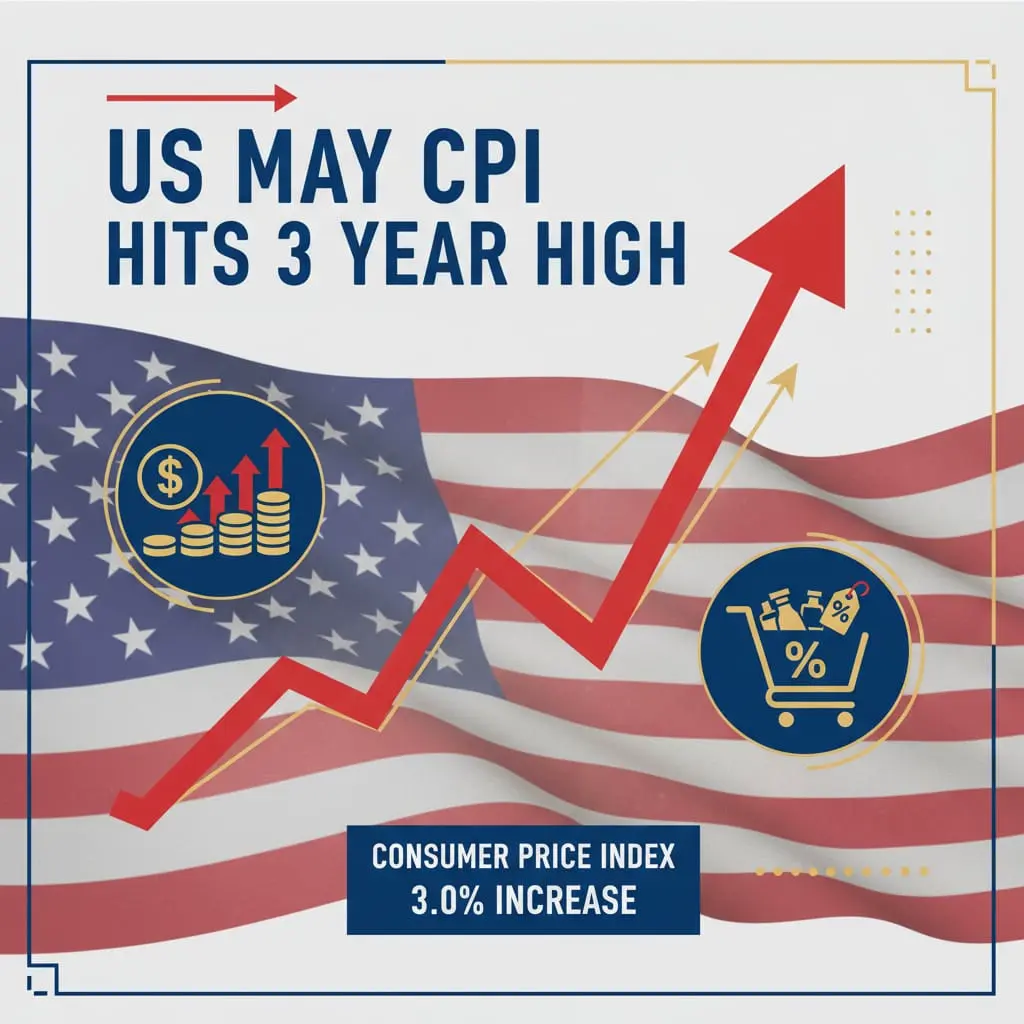
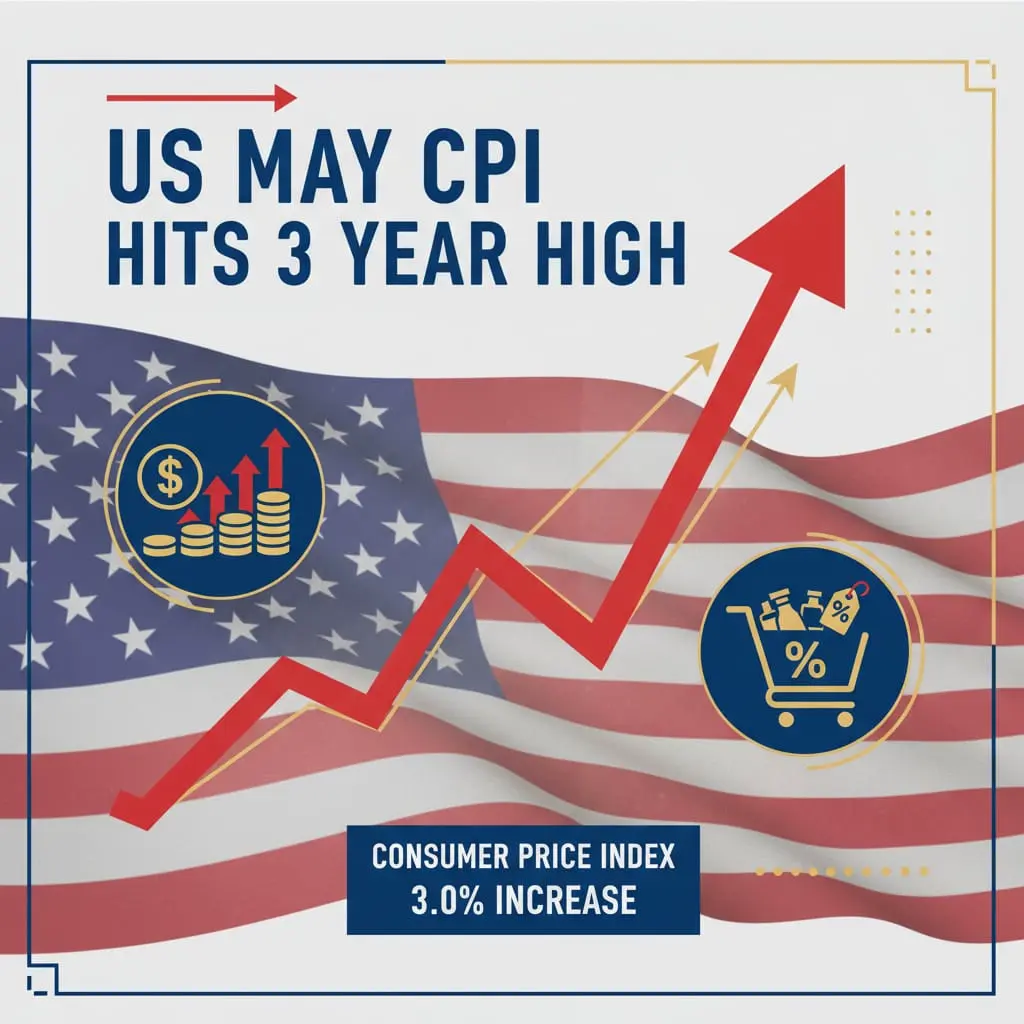
# USMayCPIHits3YearHigh

21.85K
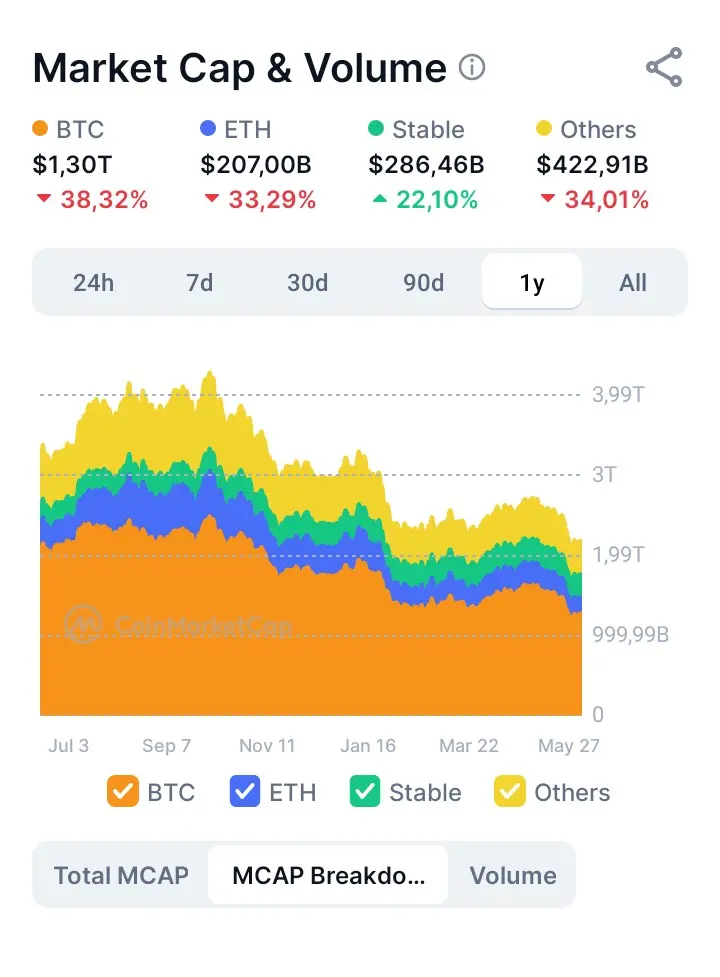
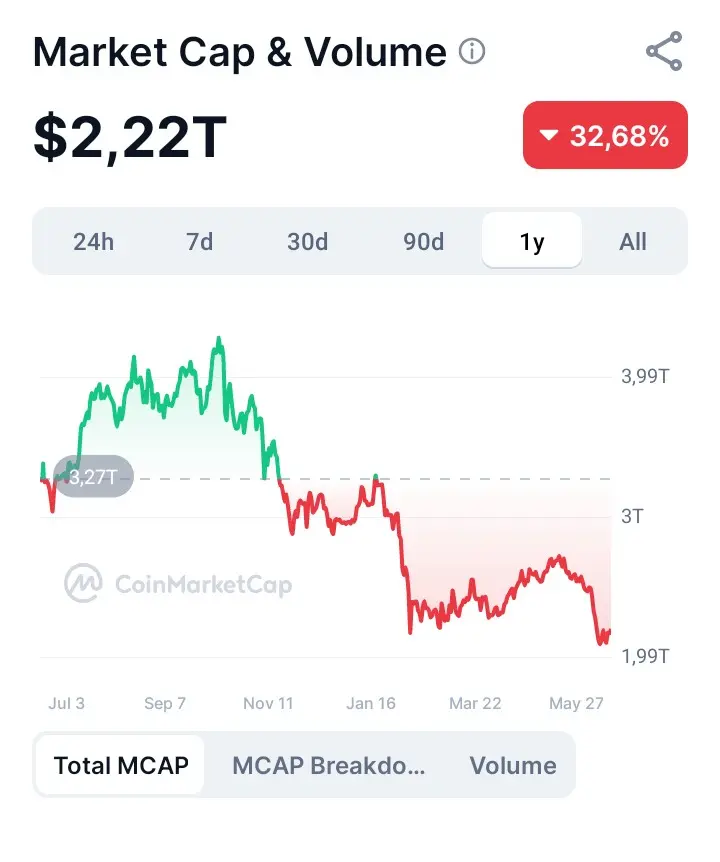
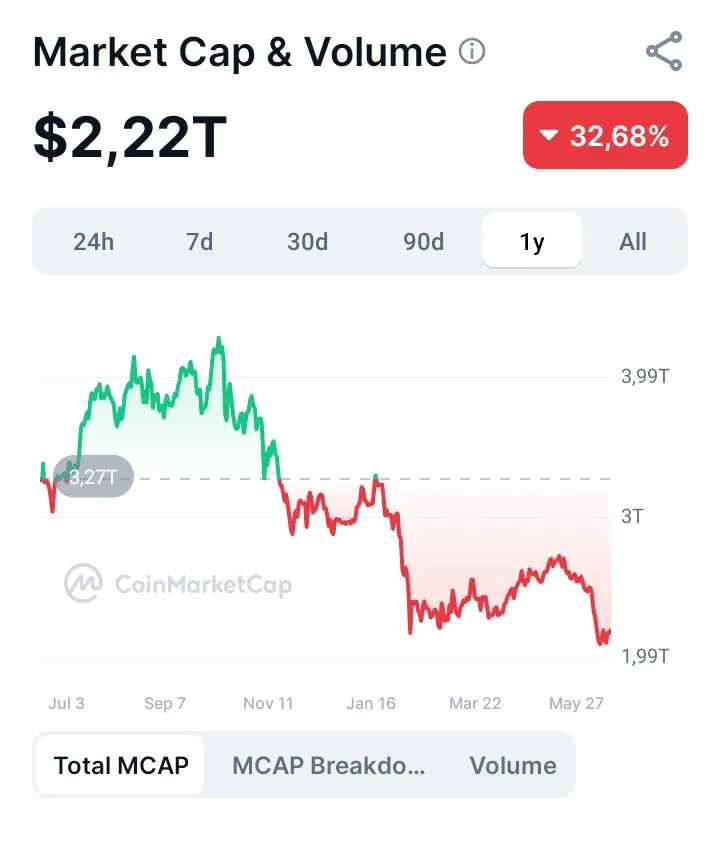
The total crypto market capitalization has fallen from $2.34 trillion to $2.16 trillion. That's a 26.29% loss since the beginning of the year. And these losses have accelerated in recent weeks. As someone writing this, let me say this: these numbers are frightening. But distinguishing between fear and reality is more important than ever. Let's first look at the anatomy of this decline. The crypto market peaked at $4.2 trillion in October 2025. It's currently at $2.16 trillion. That's about a 48% drop since the peak. That's a huge number. But in the winter of 2022, the same market fell by 78% a
User_any
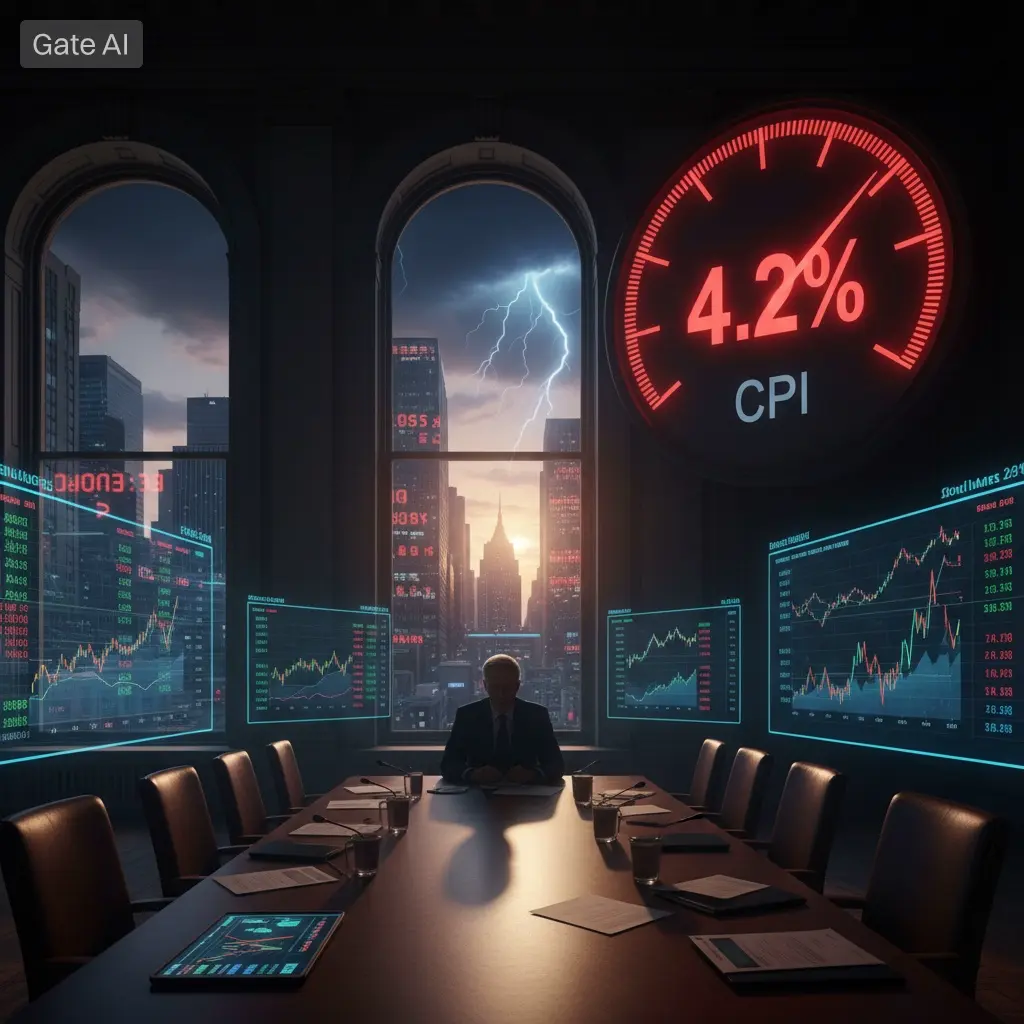
The total crypto market capitalization has fallen from $2.34 trillion to $2.16 trillion. That's a 26.29% loss since the beginning of the year. And these losses have accelerated in recent weeks. As someone writing this, let me say this: these numbers are frightening. But distinguishing between fear and reality is more important than ever. Let's first look at the anatomy of this decline. The crypto market peaked at $4.2 trillion in October 2025. It's currently at $2.16 trillion. That's about a 48% drop since the peak. That's a huge number. But in the winter of 2022, the same market fell by 78% and didn't collapse. It rebuilt. This historical context doesn't change everything, but it offers a framework. The reasons for this decline are documented. First, macroeconomic pressure. The conflict with Iran, which began on February 28, closed the Strait of Hormuz. 20% of global oil supply passes through this strait. Oil approached $110. The May CPI was announced at 4.2%. The Fed interest rate cut scenario has completely disappeared. Goldman Sachs has removed all expectations of rate cuts from its model for 2026. In this environment, risk assets always sell. Crypto also sold.
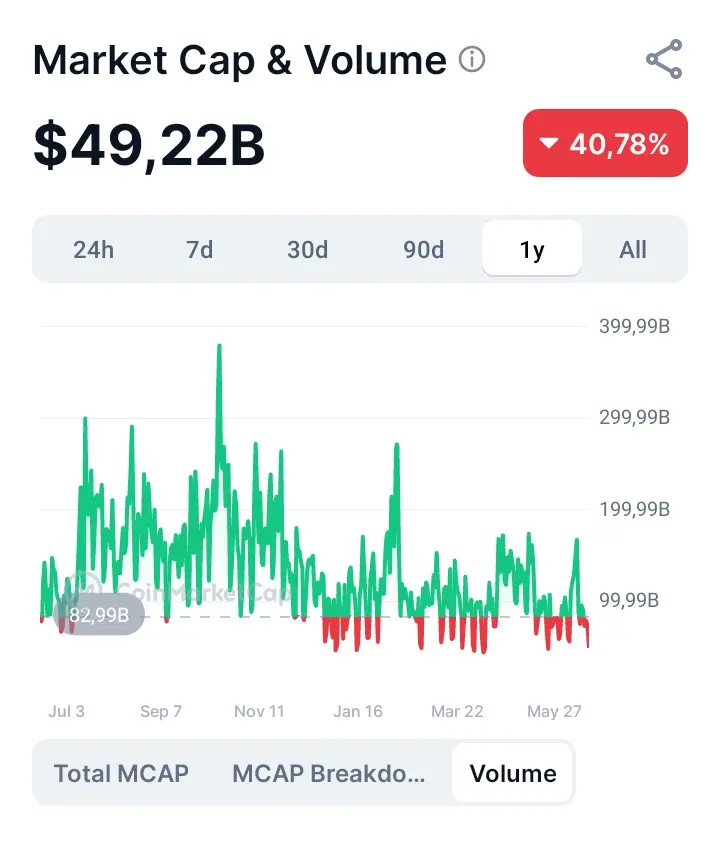
Secondly, ETF outflows. Since mid-May, there have been over $4 billion in outflows from Bitcoin ETFs. This mechanical selling pressure directly impacted the spot market. Net outflows were recorded for five consecutive weeks.
Thirdly, leverage liquidation. On June 4th, $1.6 billion was liquidated in a single day. Leveraged long positions were forcibly closed. This selling pressure pulled the price down further, triggered new liquidations, and the cycle fed itself. Fourthly, competition. The SpaceX IPO opened at $135, with a valuation of $1.75 trillion. Large-scale technology and AI opportunities drew capital away from crypto.
All of these happened simultaneously. That's why the decline accelerated. But now I'm evaluating each of these pressures individually.
The Iran agreement was signed. The Bosphorus was opened. Oil prices are falling. Energy-related inflationary pressure is decreasing. This eliminates the primary reason for the decline.
ETF flows began to stabilize on June 12. On that day, none of the 12 ETF products recorded outflows. A single day isn't a trend. But this appears to be the first signal of a change in direction.
The leverage system has been cleaned up. The June 4 liquidation zeroed out open interest. The accumulating leverage risk is largely gone. A clean market is paving the way for new positions to be established.
SpaceX's IPO is complete. It was announced that the company has $1.3 billion worth of Bitcoin on its balance sheet. This competing liquidity exceeded demand and unexpectedly became bullish news for crypto.
I'm looking at the technical chart.
2.16 trillion was formed after breaking multiple support levels. It is currently trading slightly above the lows of $2.05 trillion. $2.19 trillion was the breakout level at the beginning of June and is currently acting as resistance. The 20-day exponential moving average is $2.33 trillion. 50-day 2.44 trillion. 100-day 2.50 trillion. To rebuild the long-term structure, the 200-day 2.67 trillion level needs to be broken.
Breaking these levels is not easy. But the catalysts that make breaking these levels possible are currently in play. The Strait of Hormuz has opened. The Fed is meeting today. The CLARITY Act is pending in the Senate. Multiple institutional ETF applications, including Grayscale, are in the process.
At this point, the question is: Is this decline a structural collapse like the winter of 2022, or a macro correction triggered by external shocks?
2022 saw a crisis created by crypto itself. Terra collapsed. Large funds went bankrupt. Centralized institutions operated with fraudulent balance sheets. Trust was directed towards the crypto infrastructure itself.
In 2026, this is gone. The Bitcoin ETF infrastructure is working. Institutional custody has matured. DTCC is at the table with Ripple. Central banks are holding crypto assets like gold on their balance sheets. SpaceX and dozens of companies are holding crypto reserves. The accumulation on the chain continues.
An external shock is very different from a system rotting from within.
I am holding my positions in Gate under this scenario. A 26% annual loss is a large number. But a number without context only generates fear. When read in context, it may indicate the end of one era and the beginning of a new one. I cannot know for sure. But I can be prepared.
This content is for informational purposes only and does not constitute financial advice.
#MyGateTradeStory
#USPPIHits2.5YearHigh
#USMayCPIHits3YearHigh
repost-content-media
  • Reward
  • Comment
  • Repost
  • Share
The total crypto market capitalization has fallen from $2.34 trillion to $2.16 trillion. That's a 26.29% loss since the beginning of the year. And these losses have accelerated in recent weeks. As someone writing this, let me say this: these numbers are frightening. But distinguishing between fear and reality is more important than ever. Let's first look at the anatomy of this decline. The crypto market peaked at $4.2 trillion in October 2025. It's currently at $2.16 trillion. That's about a 48% drop since the peak. That's a huge number. But in the winter of 2022, the same market fell by 78% a
BTC0.36%
LUNA-0.13%
XAUUSD0.23%
User_any
The total crypto market capitalization has fallen from $2.34 trillion to $2.16 trillion. That's a 26.29% loss since the beginning of the year. And these losses have accelerated in recent weeks. As someone writing this, let me say this: these numbers are frightening. But distinguishing between fear and reality is more important than ever. Let's first look at the anatomy of this decline. The crypto market peaked at $4.2 trillion in October 2025. It's currently at $2.16 trillion. That's about a 48% drop since the peak. That's a huge number. But in the winter of 2022, the same market fell by 78% and didn't collapse. It rebuilt. This historical context doesn't change everything, but it offers a framework. The reasons for this decline are documented. First, macroeconomic pressure. The conflict with Iran, which began on February 28, closed the Strait of Hormuz. 20% of global oil supply passes through this strait. Oil approached $110. The May CPI was announced at 4.2%. The Fed interest rate cut scenario has completely disappeared. Goldman Sachs has removed all expectations of rate cuts from its model for 2026. In this environment, risk assets always sell. Crypto also sold.
Secondly, ETF outflows. Since mid-May, there have been over $4 billion in outflows from Bitcoin ETFs. This mechanical selling pressure directly impacted the spot market. Net outflows were recorded for five consecutive weeks.
Thirdly, leverage liquidation. On June 4th, $1.6 billion was liquidated in a single day. Leveraged long positions were forcibly closed. This selling pressure pulled the price down further, triggered new liquidations, and the cycle fed itself. Fourthly, competition. The SpaceX IPO opened at $135, with a valuation of $1.75 trillion. Large-scale technology and AI opportunities drew capital away from crypto.
All of these happened simultaneously. That's why the decline accelerated. But now I'm evaluating each of these pressures individually.
The Iran agreement was signed. The Bosphorus was opened. Oil prices are falling. Energy-related inflationary pressure is decreasing. This eliminates the primary reason for the decline.
ETF flows began to stabilize on June 12. On that day, none of the 12 ETF products recorded outflows. A single day isn't a trend. But this appears to be the first signal of a change in direction.
The leverage system has been cleaned up. The June 4 liquidation zeroed out open interest. The accumulating leverage risk is largely gone. A clean market is paving the way for new positions to be established.
SpaceX's IPO is complete. It was announced that the company has $1.3 billion worth of Bitcoin on its balance sheet. This competing liquidity exceeded demand and unexpectedly became bullish news for crypto.
I'm looking at the technical chart.
2.16 trillion was formed after breaking multiple support levels. It is currently trading slightly above the lows of $2.05 trillion. $2.19 trillion was the breakout level at the beginning of June and is currently acting as resistance. The 20-day exponential moving average is $2.33 trillion. 50-day 2.44 trillion. 100-day 2.50 trillion. To rebuild the long-term structure, the 200-day 2.67 trillion level needs to be broken.
Breaking these levels is not easy. But the catalysts that make breaking these levels possible are currently in play. The Strait of Hormuz has opened. The Fed is meeting today. The CLARITY Act is pending in the Senate. Multiple institutional ETF applications, including Grayscale, are in the process.
At this point, the question is: Is this decline a structural collapse like the winter of 2022, or a macro correction triggered by external shocks?
2022 saw a crisis created by crypto itself. Terra collapsed. Large funds went bankrupt. Centralized institutions operated with fraudulent balance sheets. Trust was directed towards the crypto infrastructure itself.
In 2026, this is gone. The Bitcoin ETF infrastructure is working. Institutional custody has matured. DTCC is at the table with Ripple. Central banks are holding crypto assets like gold on their balance sheets. SpaceX and dozens of companies are holding crypto reserves. The accumulation on the chain continues.
An external shock is very different from a system rotting from within.
I am holding my positions in Gate under this scenario. A 26% annual loss is a large number. But a number without context only generates fear. When read in context, it may indicate the end of one era and the beginning of a new one. I cannot know for sure. But I can be prepared.
This content is for informational purposes only and does not constitute financial advice.
#MyGateTradeStory
#USPPIHits2.5YearHigh
#USMayCPIHits3YearHigh
repost-content-media
  • Reward
  • Comment
  • Repost
  • Share
The total crypto market capitalization has fallen from $2.34 trillion to $2.16 trillion. That's a 26.29% loss since the beginning of the year. And these losses have accelerated in recent weeks. As someone writing this, let me say this: these numbers are frightening. But distinguishing between fear and reality is more important than ever. Let's first look at the anatomy of this decline. The crypto market peaked at $4.2 trillion in October 2025. It's currently at $2.16 trillion. That's about a 48% drop since the peak. That's a huge number. But in the winter of 2022, the same market fell by 78% a
BTC0.36%
LUNA-0.13%
XAUUSD0.23%
post-image
post-image
post-image
  • Reward
  • 16
  • Repost
  • Share
CryptoAlice:
To The Moon 🌕
View More
#USMayCPIHits3YearHigh
US Inflation Reignites Market Volatility: What the 4.2% CPI Means for Bitcoin and the Crypto Market
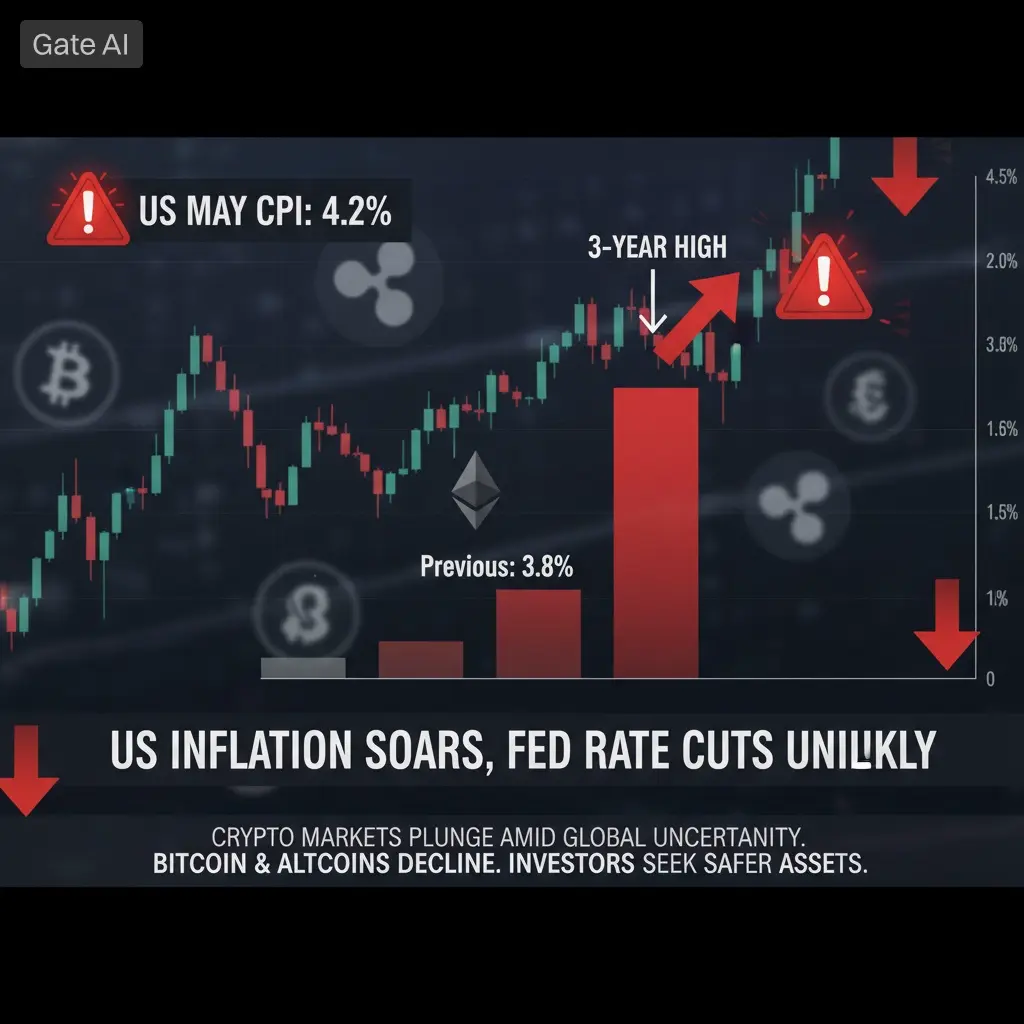
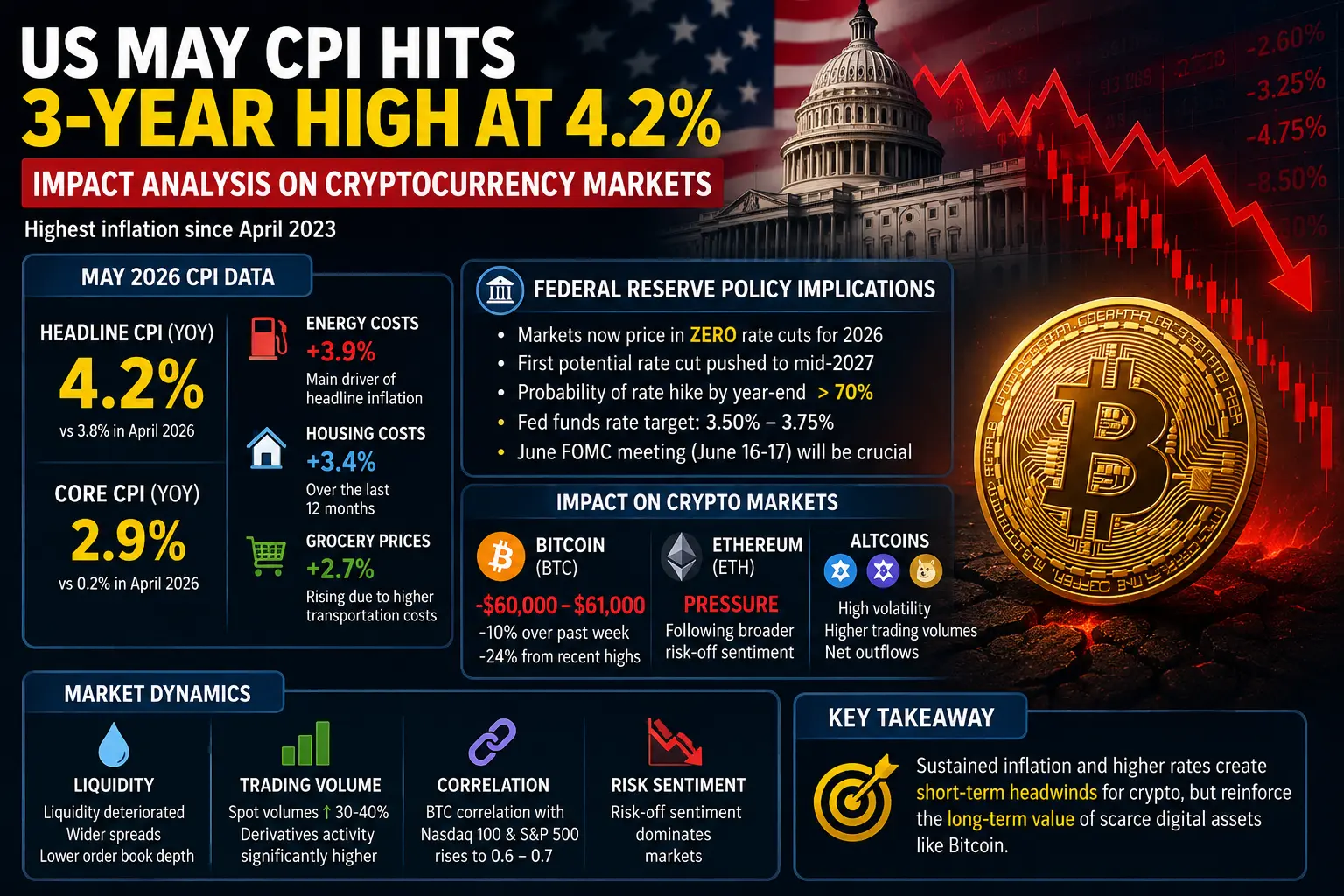
The latest US Consumer Price Index (CPI) report for May 2026 has become one of the most influential macroeconomic events of the year. Annual inflation accelerated to 4.2%, reaching its highest level in nearly three years and surprising financial markets that had expected inflation to continue cooling. The report has immediately reshaped expectations for Federal Reserve policy while triggering fresh volatility across stocks, commodities, and digital assets.
The primary dri
BTC0.36%
ETH3.04%
MEME-2.11%
post-image
  • Reward
  • 4
  • Repost
  • Share
Syeda:
2026 GOGOGO 👊
View More
#USMayCPIHits3YearHigh
🌡️ May CPI Just Hit 4.2% — A Three Year High — and Kevin Warsh Walks Into His First Fed Meeting With Fire on Both Sides
This inflation print landed Tuesday and the timing couldn't be more consequential. Let me break down what the numbers actually mean and why the June 17 Fed meeting just became the most important policy moment of 2026.
May CPI came in at 4.2% year-over-year — the highest reading since April 2023 and a significant jump from April's already uncomfortable 3.8%. Energy prices surged 3.9% month-over-month accounting for over 60% of the entire headline gain.
post-image
  • Reward
  • 10
  • Repost
  • Share
discovery:
To The Moon 🌕
View More
#USMayCPIHits3YearHigh
US May CPI Hits 3-Year High: What It Means for Inflation, Interest Rates, Stocks, Crypto, and the Global Economy
The latest U.S. Consumer Price Index (CPI) report has sent a strong signal across global financial markets. With May CPI reaching its highest level in three years, investors are once again focusing on inflation as one of the most important forces driving market performance. After months of optimism that inflation was gradually moving under control, this report has reminded traders and investors that inflationary pressures remain a significant challenge for po
MrFlower_XingChen
#USMayCPIHits3YearHigh
US May CPI Hits 3-Year High: What It Means for Inflation, Interest Rates, Stocks, Crypto, and the Global Economy
The latest U.S. Consumer Price Index (CPI) report has sent a strong signal across global financial markets. With May CPI reaching its highest level in three years, investors are once again focusing on inflation as one of the most important forces driving market performance. After months of optimism that inflation was gradually moving under control, this report has reminded traders and investors that inflationary pressures remain a significant challenge for policymakers and financial markets alike.
The Consumer Price Index is one of the most closely watched economic indicators in the world because it measures the average change in prices paid by consumers for goods and services. Unlike the Producer Price Index, which focuses on businesses and producers, CPI reflects the real-world cost of living experienced by households. When CPI rises sharply, it indicates that consumers are paying more for essentials such as housing, food, transportation, healthcare, and other daily expenses. Because consumer spending represents a major component of economic activity, CPI plays a critical role in shaping monetary policy and market expectations.
The fact that May CPI has reached a three-year high is significant because it challenges the narrative that inflation was moving steadily toward the Federal Reserve's long-term target. Many investors had been expecting a more favorable inflation trend that would support interest-rate reductions and provide additional liquidity for financial markets. Instead, the latest data suggests that inflation remains more persistent than anticipated, creating uncertainty about the path forward for both policymakers and investors.
From a market understanding perspective, inflation influences nearly every major asset class. Higher inflation often leads to higher interest-rate expectations because central banks use monetary policy as a tool to control excessive price growth. When inflation remains elevated, policymakers may choose to keep interest rates higher for longer periods to reduce demand and slow the pace of economic activity. While this approach can help stabilize prices over time, it also creates challenges for financial markets because borrowing becomes more expensive and liquidity conditions tighten.
The stock market reacted to the CPI report by reassessing expectations for future Federal Reserve actions. Investors now face the possibility that anticipated rate cuts could be delayed if inflation remains stubbornly high. This shift in expectations can influence valuations, particularly within growth-oriented sectors such as technology and artificial intelligence. Higher interest rates reduce the present value of future earnings, making valuation-sensitive sectors more vulnerable to inflation surprises.
However, not all companies are affected equally. Businesses with strong pricing power often perform better during inflationary periods because they can pass higher costs on to consumers without significantly reducing demand. Companies operating in industries with essential products or services may be better positioned to protect profit margins compared to businesses facing intense competitive pressure.
Artificial intelligence remains one of the most important investment themes in global markets, but inflation introduces an additional layer of complexity. Massive investments in AI infrastructure, semiconductor manufacturing, cloud computing, and data centers continue supporting long-term growth opportunities. Nevertheless, inflation and interest-rate expectations can create short-term volatility even within sectors benefiting from powerful structural trends. Investors therefore need to distinguish between temporary macroeconomic pressures and long-term technological opportunities.
Commodity markets have also attracted renewed attention following the CPI release. Historically, commodities have often benefited from inflationary environments because rising prices for raw materials contribute directly to inflation itself. Energy products, industrial metals, agricultural commodities, gold, and silver frequently become focal points for investors seeking assets that may perform well during periods of elevated inflation.
Gold, in particular, remains one of the most widely discussed inflation-related investments. Throughout history, investors have turned to gold as a potential store of value during times of economic uncertainty and declining purchasing power. While gold prices are influenced by many factors—including real interest rates, currency movements, and geopolitical events—higher inflation often strengthens investor interest in precious metals as part of a diversified portfolio strategy.
The cryptocurrency market also faces important implications from rising inflation. Over the past several years, digital assets have become increasingly integrated into the broader financial system, meaning macroeconomic developments now play a larger role in crypto market performance. Some investors view Bitcoin and other digital assets as long-term alternatives to traditional monetary systems, particularly when concerns about inflation and currency debasement increase. Others focus on liquidity conditions, arguing that higher interest rates can reduce demand for speculative assets. As a result, inflation reports frequently influence crypto sentiment even when blockchain fundamentals remain unchanged.
From an investment experience standpoint, one of the most valuable lessons during inflationary periods is the importance of maintaining a long-term perspective. Markets often react strongly to economic surprises, creating short-term volatility and emotional decision-making. Experienced investors understand that economic cycles, inflation trends, and monetary policies evolve over time. Rather than reacting impulsively to individual reports, they focus on broader trends, risk management, and portfolio resilience.
For beginners, the latest CPI report highlights the importance of understanding macroeconomics. Many new investors focus exclusively on individual stocks, cryptocurrencies, or market sectors without considering the economic forces affecting all assets simultaneously. Inflation, interest rates, employment data, and central bank policy form the foundation upon which financial markets operate. Learning how these factors interact can significantly improve investment decision-making and market awareness.
Looking toward the future, the key question is whether May's inflation surge represents a temporary setback or the beginning of a more sustained inflationary phase. If future reports show moderating price pressures, investor confidence could recover quickly, supporting expectations for more accommodative monetary policy. However, if inflation continues rising, policymakers may need to maintain restrictive policies longer than markets currently expect.
This uncertainty creates both risks and opportunities. Volatility often increases when market expectations change rapidly, but periods of uncertainty can also create attractive entry points for disciplined investors who focus on long-term fundamentals rather than short-term market noise. Understanding the broader economic context becomes increasingly important during such periods.
Ultimately, the significance of U.S. May CPI reaching a three-year high extends far beyond a single economic report. It serves as a reminder that inflation remains a central force influencing monetary policy, market valuations, investor sentiment, and economic growth. Whether investing in stocks, cryptocurrencies, commodities, or other asset classes, understanding inflation dynamics is essential for navigating today's rapidly evolving financial landscape.
As markets continue digesting the implications of higher inflation, investors should remain focused on risk management, diversification, and long-term strategy. Economic conditions may change, but disciplined decision-making and a solid understanding of market fundamentals remain among the most valuable tools for achieving long-term investment success.
#MyGateTradeStory
#USMayCPIHits3YearHigh #PredictWorldCupWin40000U #PredictWorldCupShare20000U @Gate_Square @GateSquare
repost-content-media
  • Reward
  • Comment
  • Repost
  • Share
#USMayCPIHits3YearHigh
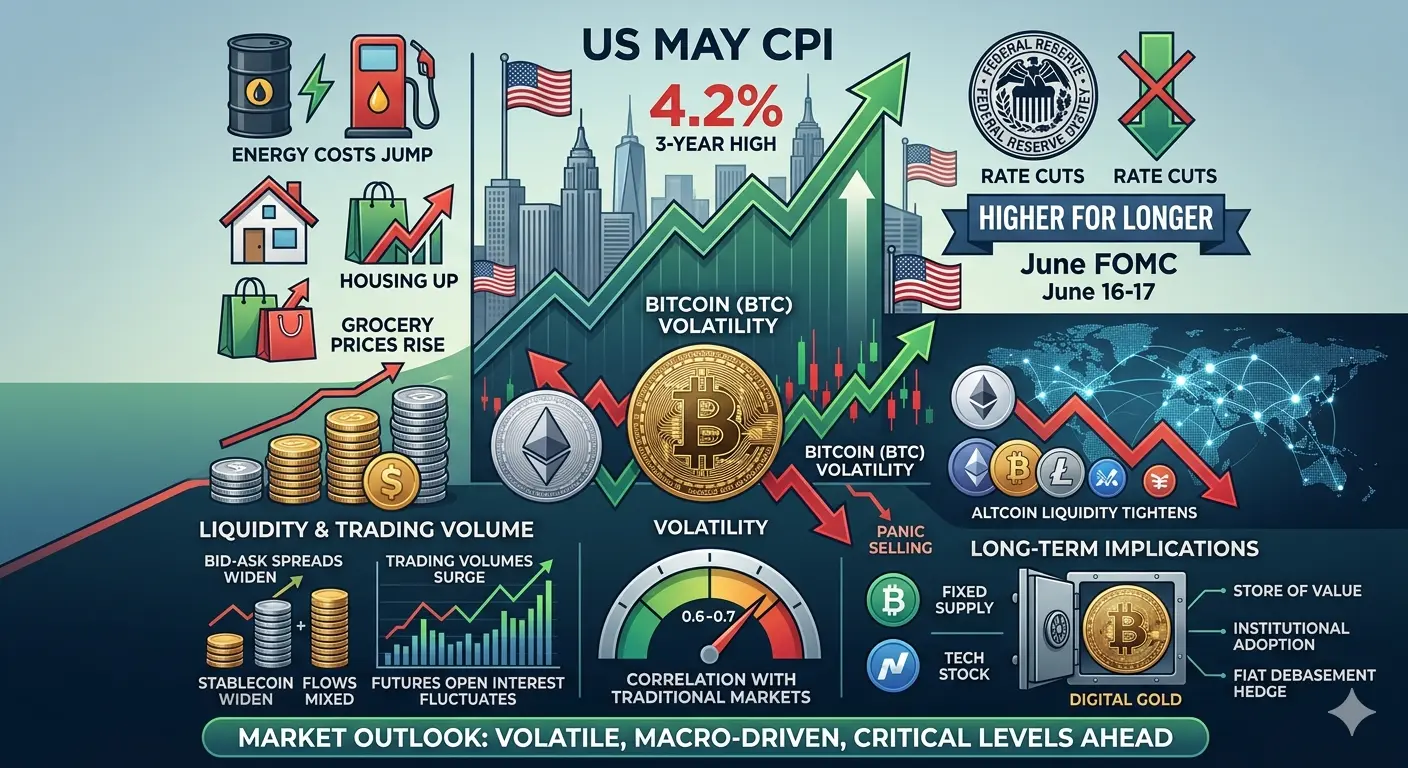
The United States Consumer Price Index (CPI) for May 2026 has surged to 4.2% year-over-year, marking the highest inflation level in three years since April 2023. This significant economic development has sent ripples through global financial markets, with particular implications for the cryptocurrency sector. This report provides a detailed examination of the CPI data, its underlying causes, and the multifaceted effects on digital asset prices, liquidity, and trading volumes.
Understanding the CPI Surge
The Consumer Price Index serves as the primary measure of inflation
post-image
post-image
post-image
  • Reward
  • 13
  • Repost
  • Share
ybaser:
Just charge forward 👊
View More
#USMayCPIHits3YearHigh
The latest U.S. Consumer Price Index (CPI) data has captured the attention of investors worldwide after inflation climbed to its highest level in nearly three years. The report highlights that inflationary pressures remain a major force shaping global financial markets, monetary policy expectations, and investor sentiment.
CPI is one of the most important economic indicators because it measures changes in the prices consumers pay for goods and services. When inflation accelerates, it directly impacts household spending, business costs, interest rates, and investment dec
BTC0.36%
ETH3.04%
post-image
post-image
  • Reward
  • 6
  • Repost
  • Share
QueenOfTheDay:
To The Moon 🌕
View More
#USMayCPIHits3YearHigh
The latest US May CPI (Consumer Price Index) data has shocked markets once again, showing inflation climbing to a 3-year high and reigniting fears across global financial systems. Investors, traders, policymakers, and everyday consumers are now facing a renewed wave of uncertainty as price pressures continue to build in the world’s largest economy.
This development is not just another economic headline—it is a signal that inflation is proving far more persistent than many had expected at the start of the year. After months of optimism that inflation was gradually cooling
XAUUSD0.23%
XAGUSD-0.56%
BTC0.36%
  • Reward
  • Comment
  • Repost
  • Share
#USMayCPIHits3YearHigh
The release of the latest U.S. Consumer Price Index (CPI) data has become a major focus for global financial markets, with reports indicating that inflation in May reached its highest level in three years. The development has reignited debates about monetary policy, interest rates, consumer spending, and the broader economic outlook. Investors, businesses, and policymakers are closely analyzing the data to understand its potential impact on financial markets and future economic conditions.
The Consumer Price Index is one of the most widely followed measures of inflation
post-image
post-image
  • Reward
  • 5
  • Repost
  • Share
CryptoDiscovery:
To The Moon 🌕
View More
Load More