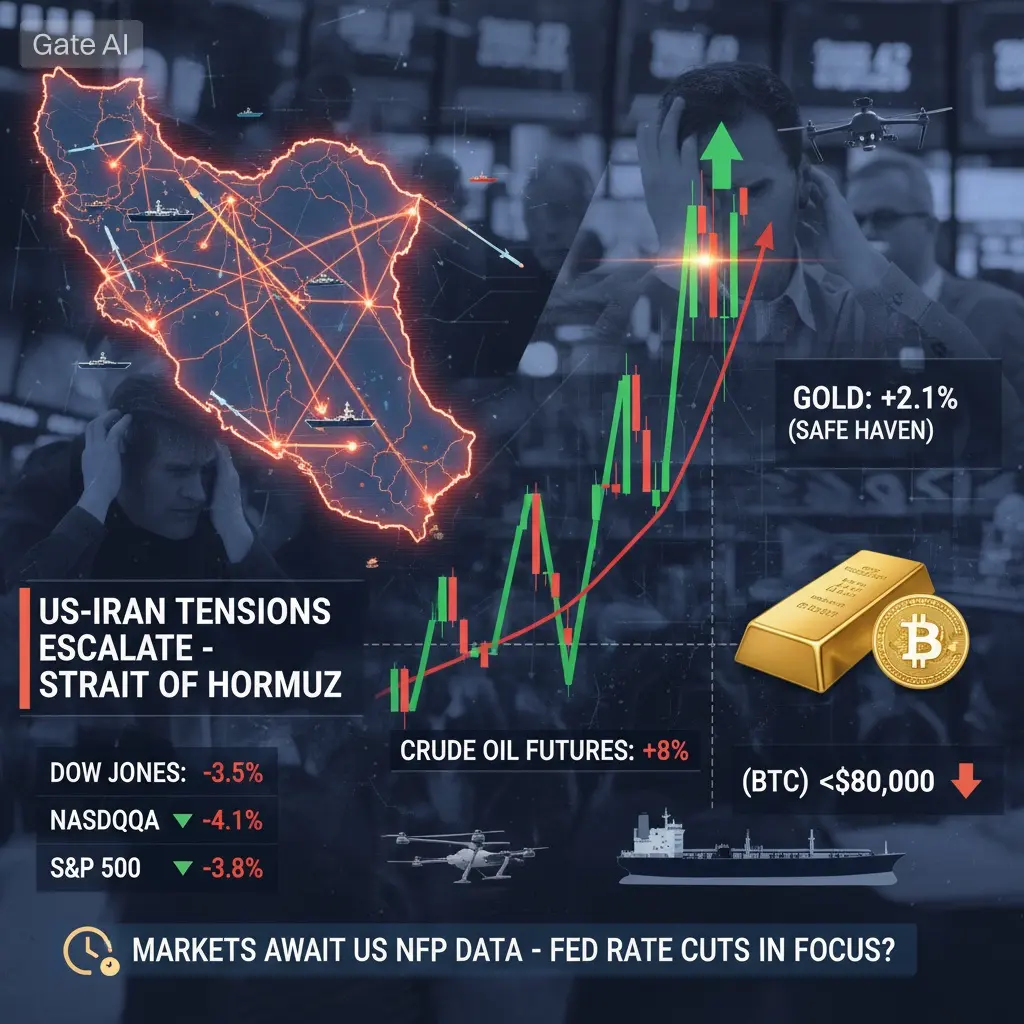
🌍 Global Markets Are Entering a High-Risk Era as US–Iran Tensions Escalate Beyond Diplomacy 🌍
What happened on May 27 was not just another geopolitical headline — it was a reminder of how deeply connected the modern financial system has become to military tension, energy security, and global risk sentiment.
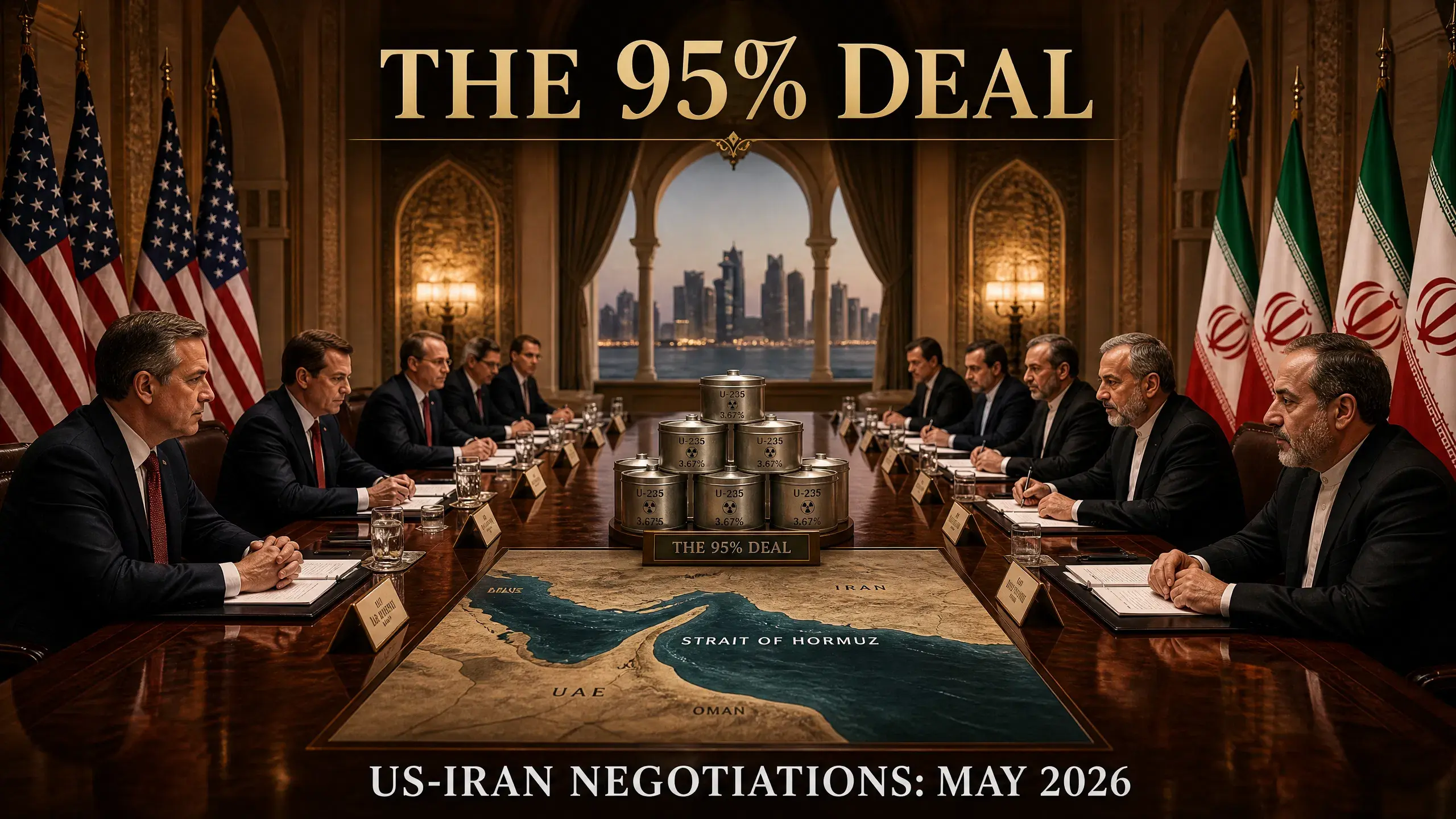
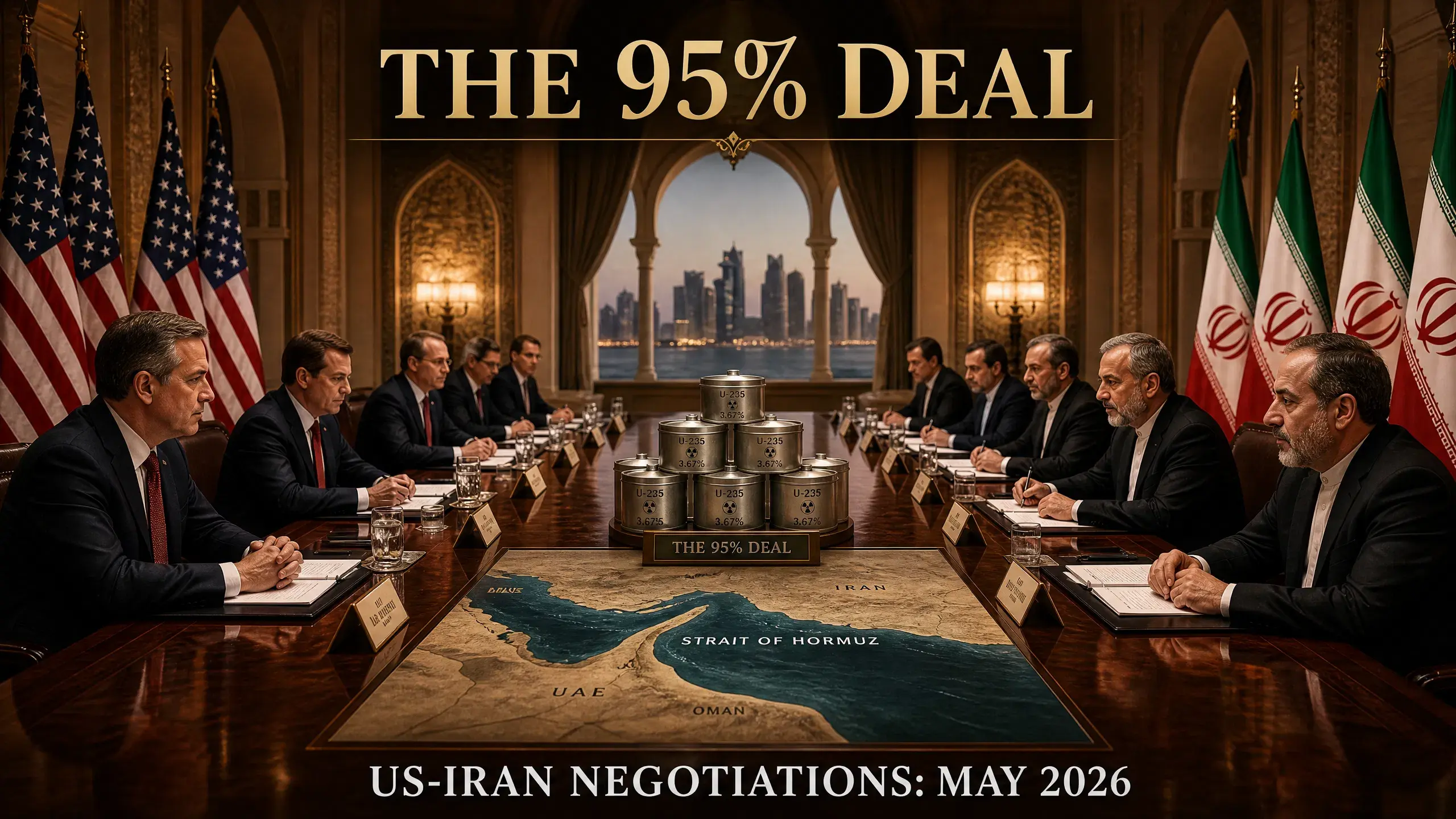
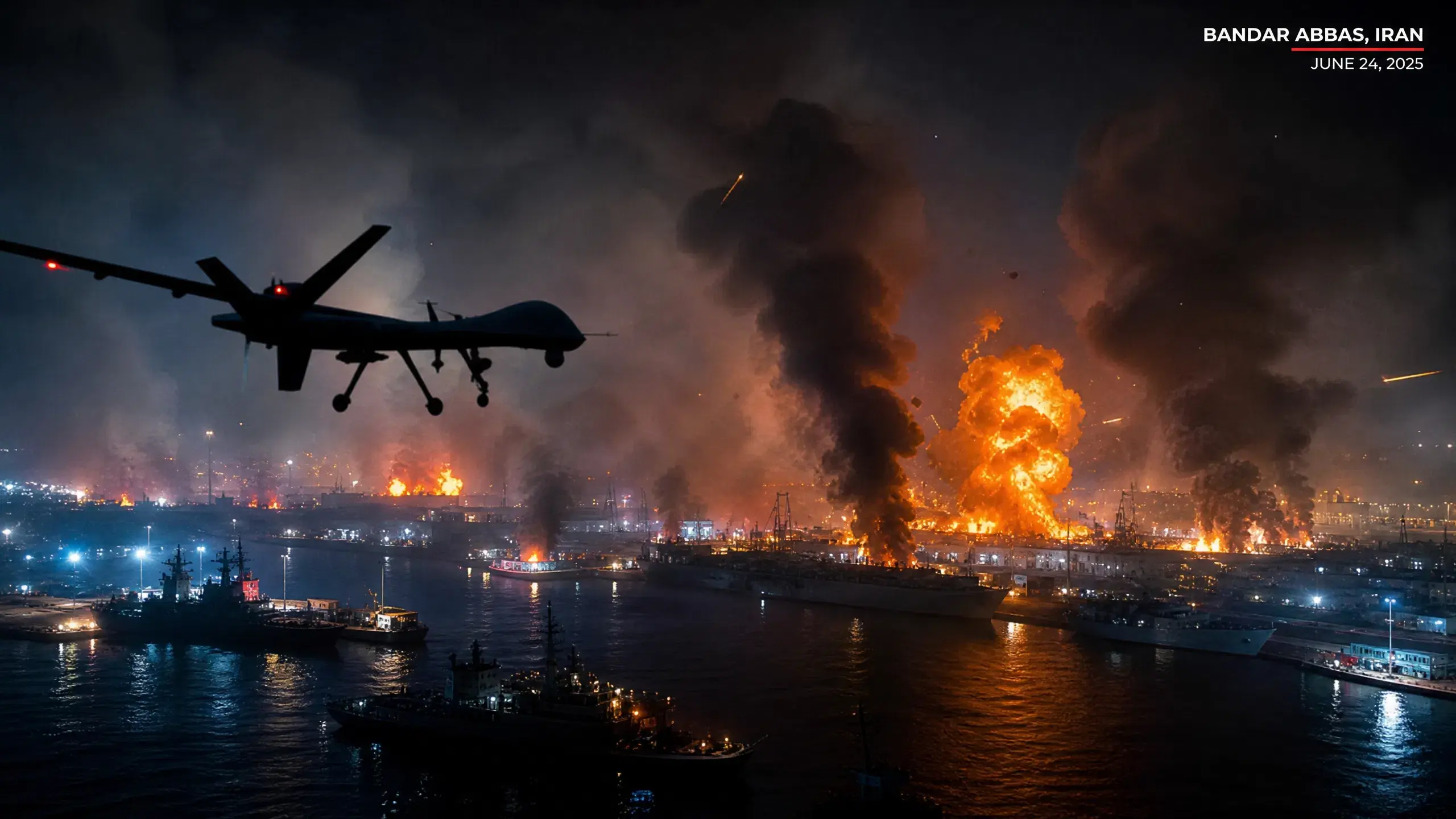
The United States launched new strikes targeting military facilities in southern Iran after citing threats to safe navigation through the Strait of Hormuz, one of the most strategically important energy corridors in the world. Shortly after the operation, explosions were reported near Bandar Abbas while Iranian air defense systems were activated, signaling that the region has entered another dangerous phase of escalation.
At first glance, these developments may appear limited to geopolitics and regional security.
But the market reaction revealed something much larger.
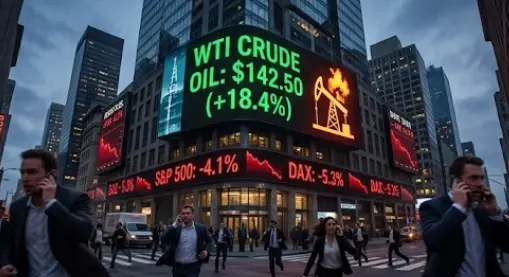
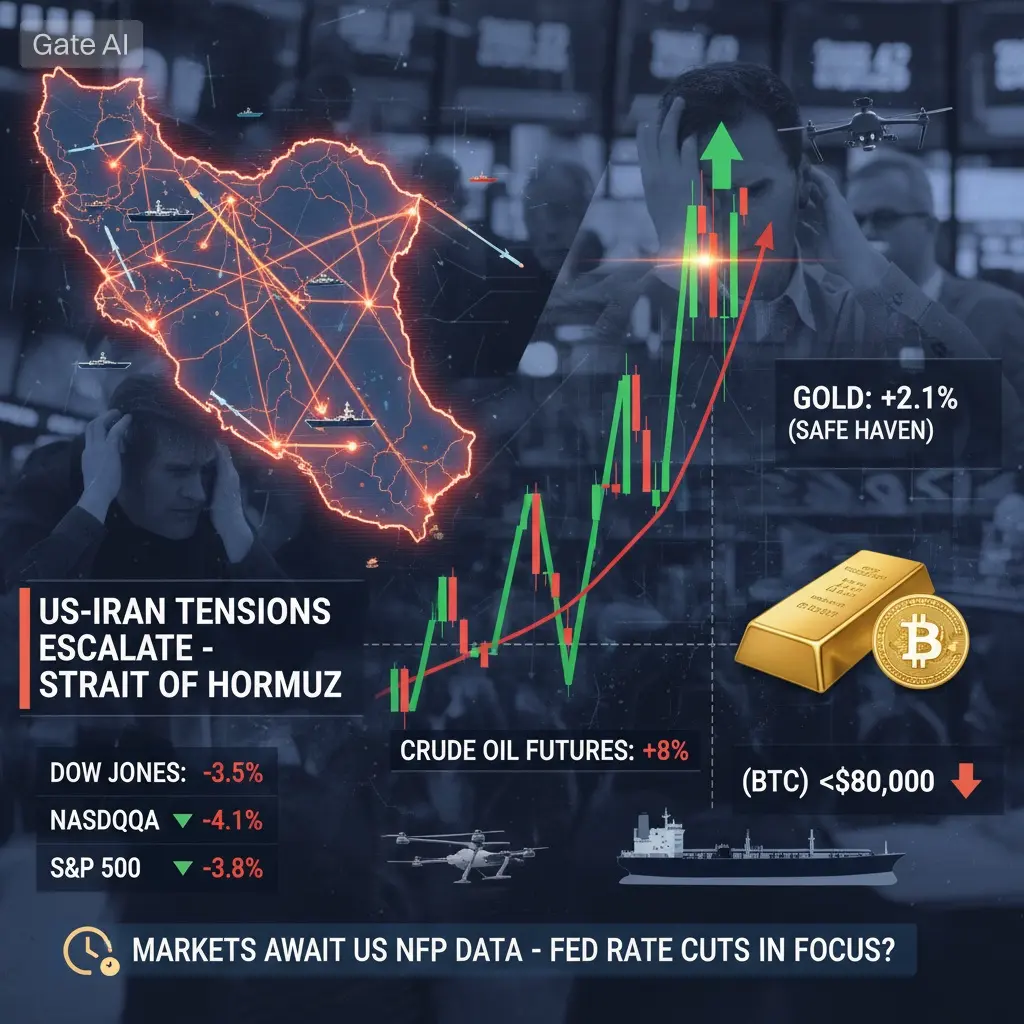
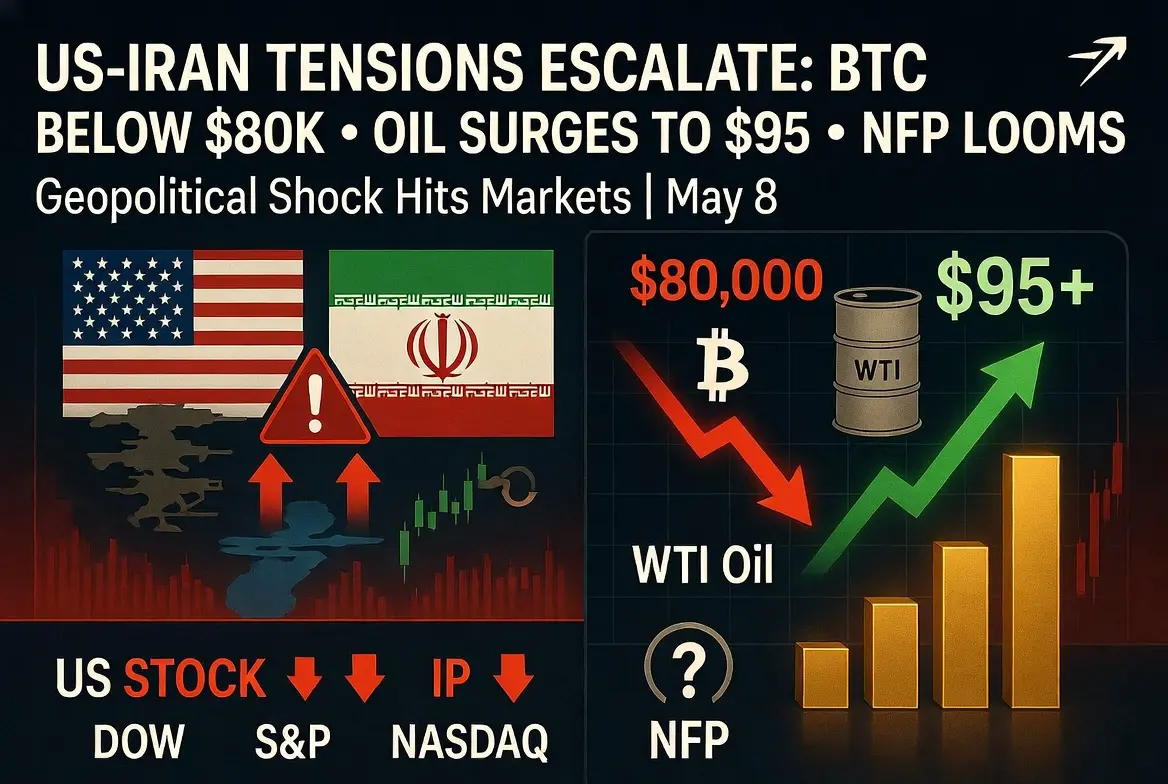
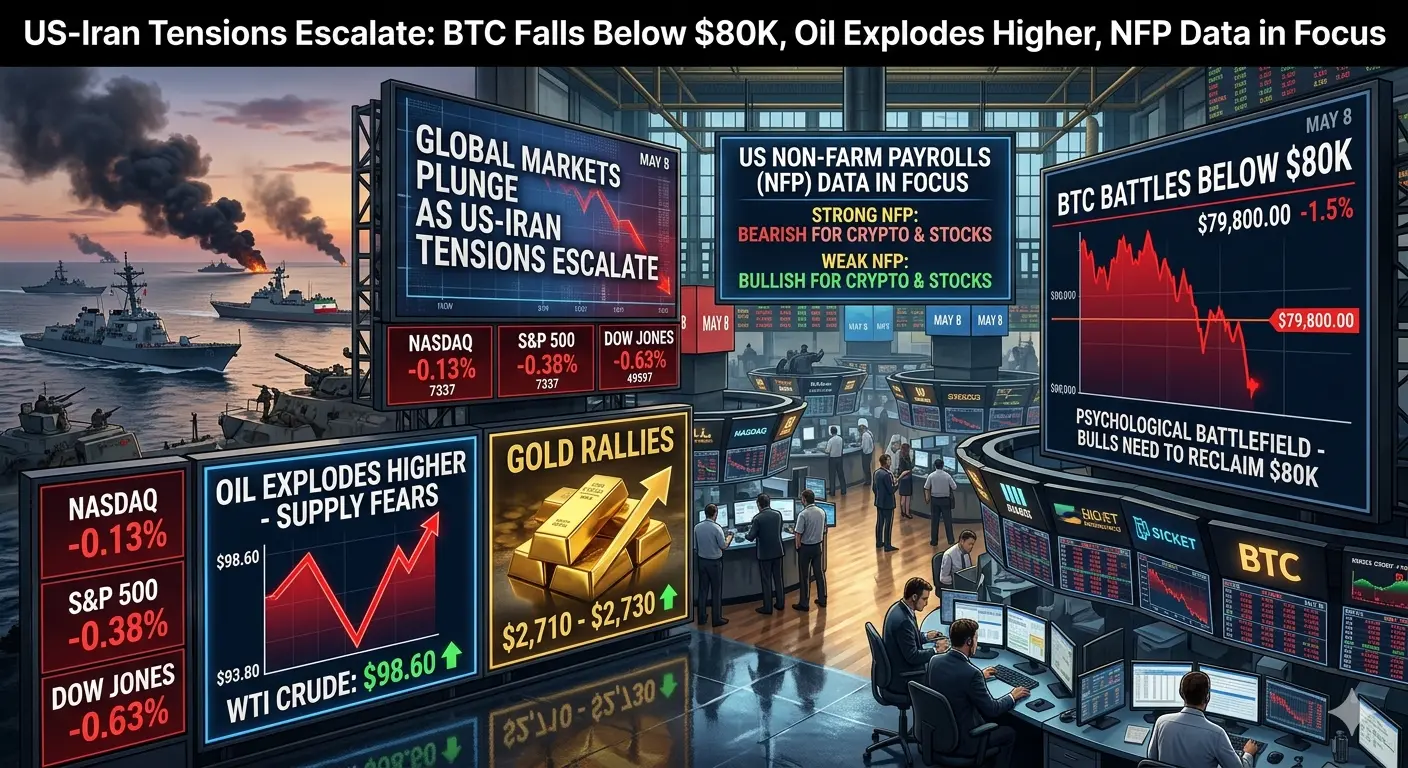
Within hours, oil prices surged sharply as traders and institutions rushed to reprice geopolitical risk. WTI crude climbed back above $90 per barrel, gaining more than 2% in a powerful move driven by fears that continued instability could threaten global energy flows.
The reason markets react so aggressively to developments around the Strait of Hormuz is because this route is not just important — it is foundational to the global energy system.
A massive percentage of the world’s oil shipments move through this narrow maritime corridor every single day. Any threat to stability in this region instantly creates concerns about:
• supply disruptions
• higher transportation and insurance costs
• inflationary pressure across global economies
• and broader instability in international trade networks
This is why even a single military escalation in the Gulf can trigger reactions across commodities, equities, currencies, and digital assets simultaneously.
And that is exactly what happened.
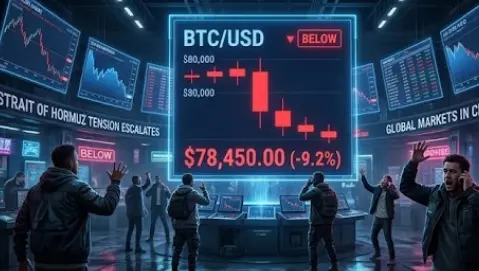
As oil surged and fear spread across financial markets, crypto experienced an immediate wave of volatility. Bitcoin briefly fell below $74,500, triggering widespread panic across leveraged positions and causing nearly 100,000 traders to be liquidated in a short period of time.
This was not simply random volatility.
It was a classic macro risk reaction.
When geopolitical uncertainty rises sharply, investors begin reducing exposure to high-risk leveraged positions. Liquidity tightens, volatility expands, and markets quickly move into defensive positioning. In crypto markets — where leverage remains extremely high — these moves often become amplified through liquidation cascades.
The sudden Bitcoin decline demonstrated how rapidly sentiment can shift when geopolitical pressure intersects with fragile market positioning.
Only days earlier, many traders remained heavily positioned for continued bullish momentum across crypto. But events like this remind the market that global macro forces can override technical setups almost instantly.
This is one of the clearest signs that crypto has matured into a globally connected financial asset class.
Bitcoin no longer trades in isolation from world events.
It now reacts to:
• geopolitical conflict
• energy market volatility
• inflation expectations
• interest rate sentiment
• institutional positioning
• and global macroeconomic risk
That transformation has fundamentally changed the way markets interpret geopolitical crises.
Years ago, an escalation between the US and Iran may have primarily impacted oil prices and traditional safe-haven assets. Today, the impact spreads immediately into crypto, derivatives markets, risk assets, and even retail trader behavior worldwide.
What makes the current situation especially sensitive is the timing.
The broader market was already navigating uncertainty around monetary policy, institutional capital rotation, ETF flows, and macroeconomic expectations. Adding geopolitical escalation on top of an already fragile environment increases the probability of amplified volatility across multiple sectors simultaneously.
The Strait of Hormuz itself remains one of the most important strategic pressure points in global economics. Any prolonged instability there affects far more than regional politics. It influences global inflation trends, shipping security, supply chain reliability, and investor confidence across international markets.
This is why traders are watching every development so closely.
The market now faces two possible directions.
If tensions continue escalating:
⚠️ Oil prices could rise significantly higher
⚠️ Inflation fears may intensify globally
⚠️ Crypto volatility could accelerate further
⚠️ Risk assets may remain under heavy pressure
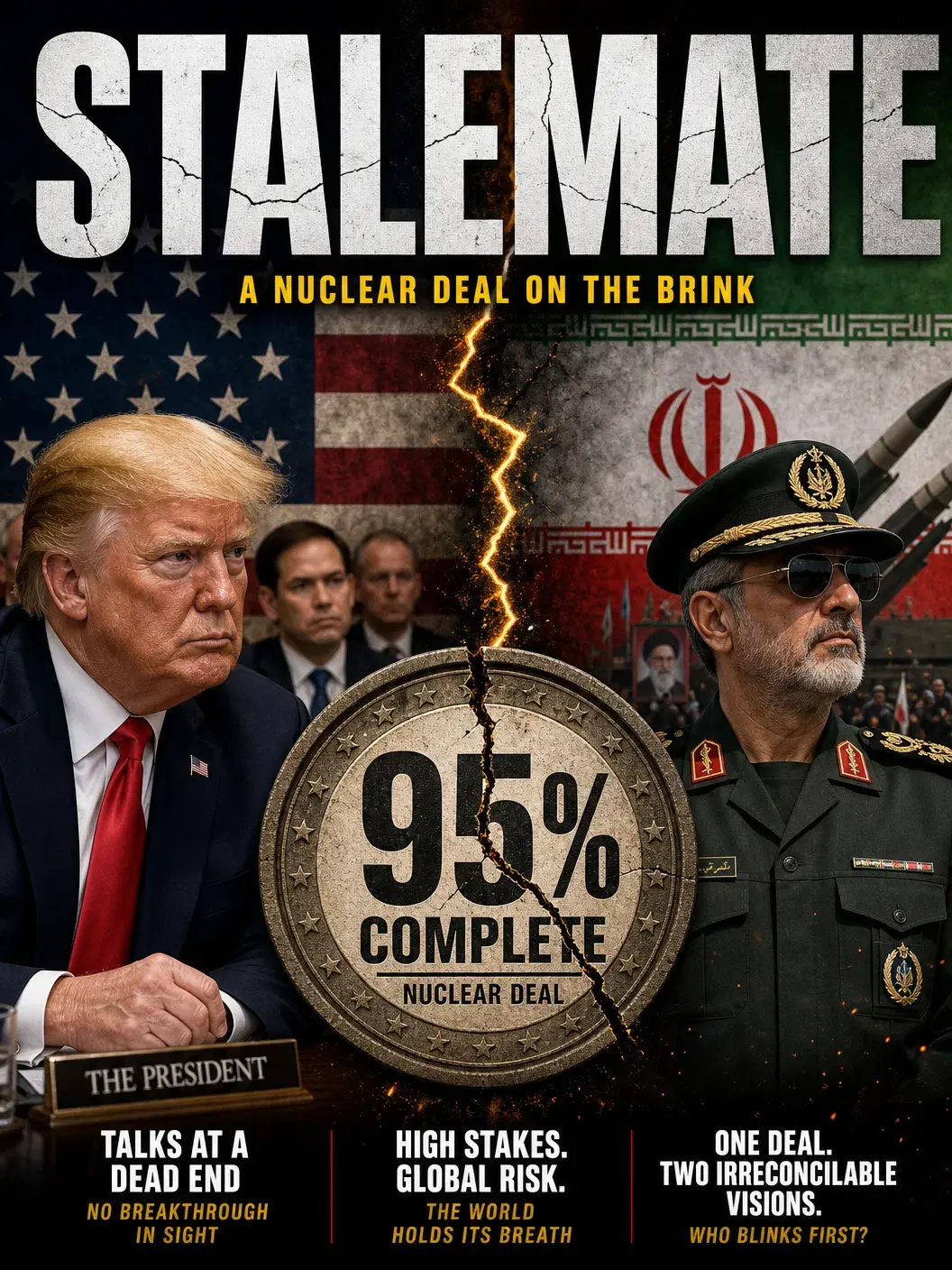
However, if diplomatic efforts regain momentum and military escalation stabilizes, markets may eventually recover from the initial fear-driven reaction.
But for now, uncertainty dominates the landscape.
And uncertainty is one of the most powerful forces in financial markets.
The current environment is no longer being driven purely by technical charts or short-term speculation. It is being shaped by the intersection of geopolitics, energy security, institutional positioning, and global macro psychology all at once.
What happened this week is a powerful reminder that modern markets move not only on numbers — but on fear, confidence, perception, and the expectation of what could happen next.
And right now, the world is watching one of the most sensitive geopolitical flashpoints collide directly with global financial markets in real time. 🌍📉🔥
#USLaunchesNewStrikesOnIranOilRebounds #美伊冲突再升级
What happened on May 27 was not just another geopolitical headline — it was a reminder of how deeply connected the modern financial system has become to military tension, energy security, and global risk sentiment.
The United States launched new strikes targeting military facilities in southern Iran after citing threats to safe navigation through the Strait of Hormuz, one of the most strategically important energy corridors in the world. Shortly after the operation, explosions were reported near Bandar Abbas while Iranian air defense systems were activated, signaling that the region has entered another dangerous phase of escalation.
At first glance, these developments may appear limited to geopolitics and regional security.
But the market reaction revealed something much larger.
Within hours, oil prices surged sharply as traders and institutions rushed to reprice geopolitical risk. WTI crude climbed back above $90 per barrel, gaining more than 2% in a powerful move driven by fears that continued instability could threaten global energy flows.
The reason markets react so aggressively to developments around the Strait of Hormuz is because this route is not just important — it is foundational to the global energy system.
A massive percentage of the world’s oil shipments move through this narrow maritime corridor every single day. Any threat to stability in this region instantly creates concerns about:
• supply disruptions
• higher transportation and insurance costs
• inflationary pressure across global economies
• and broader instability in international trade networks
This is why even a single military escalation in the Gulf can trigger reactions across commodities, equities, currencies, and digital assets simultaneously.
And that is exactly what happened.
As oil surged and fear spread across financial markets, crypto experienced an immediate wave of volatility. Bitcoin briefly fell below $74,500, triggering widespread panic across leveraged positions and causing nearly 100,000 traders to be liquidated in a short period of time.
This was not simply random volatility.
It was a classic macro risk reaction.
When geopolitical uncertainty rises sharply, investors begin reducing exposure to high-risk leveraged positions. Liquidity tightens, volatility expands, and markets quickly move into defensive positioning. In crypto markets — where leverage remains extremely high — these moves often become amplified through liquidation cascades.
The sudden Bitcoin decline demonstrated how rapidly sentiment can shift when geopolitical pressure intersects with fragile market positioning.
Only days earlier, many traders remained heavily positioned for continued bullish momentum across crypto. But events like this remind the market that global macro forces can override technical setups almost instantly.
This is one of the clearest signs that crypto has matured into a globally connected financial asset class.
Bitcoin no longer trades in isolation from world events.
It now reacts to:
• geopolitical conflict
• energy market volatility
• inflation expectations
• interest rate sentiment
• institutional positioning
• and global macroeconomic risk
That transformation has fundamentally changed the way markets interpret geopolitical crises.
Years ago, an escalation between the US and Iran may have primarily impacted oil prices and traditional safe-haven assets. Today, the impact spreads immediately into crypto, derivatives markets, risk assets, and even retail trader behavior worldwide.
What makes the current situation especially sensitive is the timing.
The broader market was already navigating uncertainty around monetary policy, institutional capital rotation, ETF flows, and macroeconomic expectations. Adding geopolitical escalation on top of an already fragile environment increases the probability of amplified volatility across multiple sectors simultaneously.
The Strait of Hormuz itself remains one of the most important strategic pressure points in global economics. Any prolonged instability there affects far more than regional politics. It influences global inflation trends, shipping security, supply chain reliability, and investor confidence across international markets.
This is why traders are watching every development so closely.
The market now faces two possible directions.
If tensions continue escalating:
⚠️ Oil prices could rise significantly higher
⚠️ Inflation fears may intensify globally
⚠️ Crypto volatility could accelerate further
⚠️ Risk assets may remain under heavy pressure
However, if diplomatic efforts regain momentum and military escalation stabilizes, markets may eventually recover from the initial fear-driven reaction.
But for now, uncertainty dominates the landscape.
And uncertainty is one of the most powerful forces in financial markets.
The current environment is no longer being driven purely by technical charts or short-term speculation. It is being shaped by the intersection of geopolitics, energy security, institutional positioning, and global macro psychology all at once.
What happened this week is a powerful reminder that modern markets move not only on numbers — but on fear, confidence, perception, and the expectation of what could happen next.
And right now, the world is watching one of the most sensitive geopolitical flashpoints collide directly with global financial markets in real time. 🌍📉🔥
#USLaunchesNewStrikesOnIranOilRebounds #美伊冲突再升级