Bitcoin là gì?
Bitcoin là đồng tiền kỹ thuật số dựa trên công nghệ blockchain, vận hành phi tập trung, không phụ thuộc vào ngân hàng hoặc bất kỳ tổ chức nào. Mọi giao dịch đều được truyền qua mạng ngang hàng (P2P), và hệ thống sử dụng cơ chế đồng thuận Proof of Work (PoW) để ngăn chặn gian lận và chi tiêu lặp. Tổng nguồn cung Bitcoin bị giới hạn ở mức 21 triệu đồng.
Giá trị cốt lõi của Bitcoin nằm ở sự khan hiếm (giới hạn nguồn cung cố định), khả năng chống kiểm duyệt (không chịu kiểm soát tập trung), thanh toán minh bạch (giao dịch được xác minh công khai) và khả năng tiếp cận toàn cầu (bất cứ ai cũng có thể tham gia). Việc sở hữu và chuyển giao dựa trên hệ thống khóa riêng/khóa công: khóa riêng xác nhận quyền sở hữu, còn khóa công và địa chỉ dùng để nhận tài sản.
Giá hiện tại, vốn hóa thị trường và nguồn cung lưu hành của Bitcoin (BTC) là bao nhiêu?
Tính đến ngày 09 tháng 01 năm 2026 (theo dữ liệu thị trường), các chỉ số chính của Bitcoin như sau:
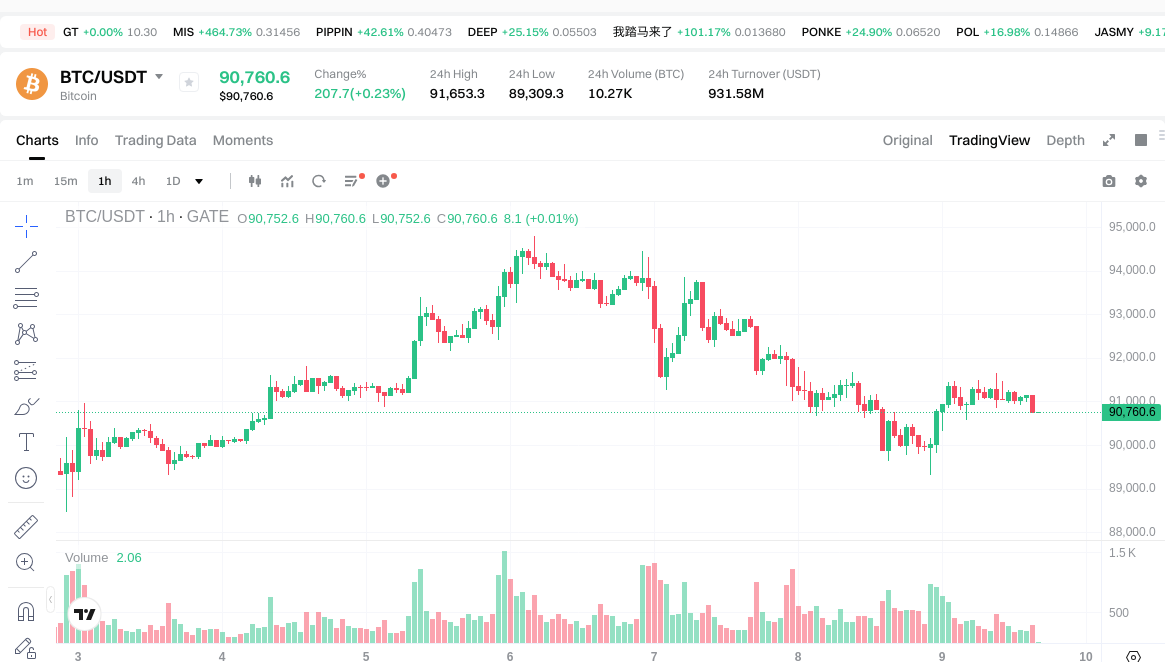
Nhấn để xem giá BTC/USDT
- Giá mới nhất: $90.990,40 USD
- Nguồn cung lưu hành: 19.973.353 BTC; Tổng nguồn cung: 19.973.400 BTC; Nguồn cung tối đa: 21.000.000 BTC. Nguồn cung lưu hành là lượng đang được giao dịch, tổng nguồn cung là số lượng đã phát hành, nguồn cung tối đa là giới hạn cố định.
- Vốn hóa thị trường lưu hành: $1.817.387.655.360 USD; Vốn hóa thị trường pha loãng hoàn toàn: $1.817.387.655.360 USD. Vốn hóa thị trường = giá × nguồn cung lưu hành; vốn hóa pha loãng hoàn toàn = giá × nguồn cung tối đa, phản ánh giá trị nếu toàn bộ token được phát hành.
- Thị phần thị trường: 55,82%, thể hiện vai trò dẫn đầu của Bitcoin trên thị trường tiền mã hóa.

Nhấn để xem thị phần các loại tiền mã hóa hàng đầu
- Biến động giá: 1 giờ -0,15%, 24 giờ 0,56%, 7 ngày 2,28%, 30 ngày -1,88%. Biến động ngắn hạn thường xuyên xuất hiện; hãy cân nhắc xu hướng dài hạn và mức chịu rủi ro của bạn.
- Khối lượng giao dịch 24h: $934.364.527,853 USD, phản ánh thanh khoản và hoạt động giao dịch gần đây.
Ai đã tạo ra Bitcoin (BTC) và khi nào?
Bitcoin được công bố vào năm 2008 bởi một cá nhân hoặc nhóm sử dụng biệt danh Satoshi Nakamoto và ra mắt vào năm 2009 với “khối nguyên thủy”. Ban đầu, cộng đồng duy trì mã nguồn và giao thức qua các diễn đàn, sau đó phát triển thành hệ sinh thái toàn cầu gồm các lập trình viên mã nguồn mở và thợ đào.
Các cột mốc quan trọng gồm: giao dịch mua thực tế đầu tiên (“giao dịch pizza” nổi tiếng), các sự kiện “halving” định kỳ (khoảng 4 năm một lần, phần thưởng khối bị giảm một nửa để kiểm soát tốc độ phát hành), tốc độ tăng trưởng hashrate toàn cầu nhanh chóng và mở rộng số lượng node. Những sự kiện này đã định hình câu chuyện về sự khan hiếm và bảo mật của Bitcoin.
Bitcoin (BTC) hoạt động như thế nào?
Bitcoin ghi nhận giao dịch trên blockchain: các giao dịch được gom thành khối, mỗi khối mới được tạo khoảng 10 phút một lần. Thợ đào cạnh tranh quyền xác thực khối bằng Proof of Work (PoW), thực hiện tính toán phức tạp để tìm ra hàm băm đáp ứng độ khó của mạng—đảm bảo bảo mật và tính bất biến của mạng lưới.
Giải thích các thuật ngữ chính:
- Khối: Đơn vị chứa các giao dịch nhóm lại, liên kết theo thứ tự thời gian thành chuỗi.
- Độ khó & Hashrate: Độ khó xác định mức độ khó để tìm khối mới; hashrate là tổng sức mạnh tính toán của mạng lưới. Cả hai được điều chỉnh động để giữ ổn định thời gian tạo khối.
- Phí giao dịch: Người gửi trả phí để khuyến khích thợ đào đưa giao dịch vào khối. Phí tăng khi mạng bị tắc nghẽn.
- Khóa riêng/Khóa công/Địa chỉ: Khóa riêng kiểm soát tài sản; khóa công được tạo từ khóa riêng; địa chỉ nhận tiền. Mất khóa riêng đồng nghĩa mất quyền truy cập tài sản.
- Xác nhận: Số khối theo sau một khối nhất định. Số xác nhận càng nhiều, giao dịch càng khó bị đảo ngược.
Bạn có thể làm gì với Bitcoin (BTC)?
Các trường hợp sử dụng chính của Bitcoin gồm:
- Lưu trữ giá trị: Với nguồn cung cố định và khả năng tiếp cận toàn cầu, nhiều nhà đầu tư coi Bitcoin là “vàng kỹ thuật số”.
- Chuyển tiền xuyên biên giới: Cho phép chuyển tiền toàn cầu mà không cần trung gian truyền thống—hữu ích ở những nơi kênh truyền thống bị hạn chế.
- Thanh toán: Được một số nhà bán lẻ và nền tảng chấp nhận làm phương thức thanh toán, tuy nhiên mức độ sử dụng khác nhau tùy khu vực do biến động giá và phí giao dịch.
- Công cụ tài chính: Được dùng làm tài sản thế chấp hoặc tham gia các chiến lược sinh lời trong một số sản phẩm tài chính tiền mã hóa—luôn đánh giá rủi ro nền tảng và tuân thủ quy định.
Những rủi ro chính và yếu tố pháp lý cần lưu ý đối với Bitcoin (BTC) là gì?
Các điểm rủi ro và tuân thủ quan trọng gồm:
- Biến động giá: Biến động mạnh trong ngắn hạn—đánh giá khả năng chịu rủi ro và quản lý vị thế cá nhân.
- Quy định & Thuế: Quy định và yêu cầu thuế khác nhau tùy quốc gia/khu vực; có thể ảnh hưởng đến giao dịch, lưu ký hoặc nghĩa vụ báo cáo.
- Rủi ro tài khoản & sàn giao dịch: Nếu lưu trữ tài sản trên sàn, ưu tiên bảo mật tài khoản (mật khẩu mạnh, xác thực hai lớp) và an toàn nền tảng.
- Quản lý khóa riêng: Mất hoặc lộ khóa riêng sẽ dẫn đến mất tài sản vĩnh viễn. Luôn sao lưu cụm từ khôi phục một cách an toàn.
- Mạng lưới & phí: Tắc nghẽn mạng có thể gây chậm xác nhận và tăng phí.
- Lừa đảo & giả mạo: Cẩn trọng với website giả, lừa đảo hỗ trợ khách hàng hoặc bẫy airdrop—luôn xác minh tên miền và chi tiết chữ ký.
Giá trị dài hạn của Bitcoin (BTC) là gì?
Giá trị dài hạn thường được thảo luận qua ba khía cạnh:
- Khan hiếm & quy tắc phát hành: Giới hạn cố định 21 triệu BTC và cơ chế halving làm chậm tốc độ phát hành theo thời gian, củng cố sự khan hiếm.
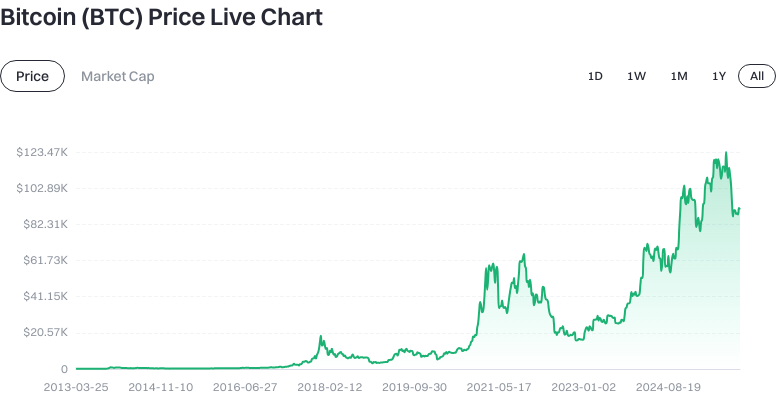
Nhấn để xem giá BTC mới nhất
- Bảo mật & khả năng chống kiểm duyệt: PoW kết hợp với hashrate toàn cầu và các node phân tán đem lại bảo mật mạnh và khả năng chống kiểm soát tập trung.
- Hiệu ứng mạng & sự công nhận: Thị phần cao và lượng người nắm giữ lớn tạo lợi thế về thanh khoản và nhận diện; các ứng dụng tài chính và thanh toán tiếp tục củng cố hiệu ứng mạng.
Không yếu tố nào đảm bảo lợi nhuận—giá trị thực tế phụ thuộc vào phát triển công nghệ, môi trường pháp lý và mức độ chấp nhận thị trường.
Làm thế nào để mua và lưu trữ an toàn Bitcoin (BTC) trên Gate?
Bước 1: Đăng ký tài khoản Gate và hoàn tất xác minh danh tính. Chuẩn bị giấy tờ tùy thân hợp lệ và làm theo hướng dẫn KYC để tuân thủ quy định nền tảng và địa phương.
Bước 2: Nạp tiền hoặc mua bằng tiền pháp định. Tại trang mua crypto của Gate, bạn có thể mua BTC trực tiếp bằng tiền pháp định hoặc mua stablecoin như USDT trước, sau đó chuyển đổi sang BTC—chú ý tỷ giá và phí giao dịch.
Bước 3: Chọn cặp giao dịch giao ngay và đặt lệnh. Tại trang giao dịch, tìm “BTC” và chọn các cặp giao ngay như BTC/USDT. Thiết lập lệnh giới hạn hoặc thị trường, xác nhận số lượng và giá, sau đó gửi lệnh.
Bước 4: Kích hoạt các cài đặt bảo mật tài khoản. Bật xác thực hai lớp (2FA), danh sách rút tiền an toàn và mã chống giả mạo để giảm rủi ro bị đánh cắp tài khoản.
Bước 5: Chọn phương thức lưu ký. Nếu giao dịch ngắn hạn, bạn có thể giữ BTC trong ví tài khoản Gate (lưu ký). Nếu nắm giữ dài hạn, hãy rút về ví tự quản:
- Ví nóng: Kết nối internet, thuận tiện chuyển tiền—đảm bảo an toàn thiết bị và phần mềm.
- Ví lạnh: Lưu trữ khóa riêng ngoại tuyến để bảo mật cao hơn—phù hợp cho lưu trữ dài hạn.
Khi rút, chọn địa chỉ mạng chính Bitcoin (bắt đầu bằng bc1 hoặc 1/3), kiểm tra kỹ địa chỉ và phí.
Bước 6: Sao lưu & quản lý rủi ro. Ghi lại cụm từ khôi phục ngoại tuyến và lưu ở nhiều nơi an toàn—tránh chụp ảnh hoặc lưu cloud; thường xuyên kiểm tra bảo mật tài khoản; thử rút với số lượng nhỏ; cảnh giác với nhân viên hỗ trợ giả mạo hoặc liên kết phishing.
Bitcoin (BTC) khác gì so với Ethereum (ETH)?
Hai nền tảng này có mục đích và cách tiếp cận kỹ thuật khác nhau:
- Mục đích & chức năng: Bitcoin tập trung vào lưu trữ giá trị và tiền phi tập trung; Ethereum thiết kế cho hợp đồng thông minh và nền tảng ứng dụng phi tập trung.
- Cơ chế đồng thuận: Bitcoin dùng PoW; Ethereum đã chuyển sang Proof of Stake (PoS), bảo mật mạng nhờ staking.
- Quy tắc nguồn cung: Bitcoin có giới hạn cố định 21 triệu; Ethereum không có giới hạn cố định, bổ sung cơ chế “đốt”—phát hành ròng phụ thuộc vào hoạt động mạng.
- Khả năng hợp đồng & hệ sinh thái: Ethereum hỗ trợ hợp đồng thông minh phức tạp với hệ sinh thái DApp lớn; Bitcoin có khả năng hợp đồng hạn chế nhưng có thể mở rộng qua giao thức hoặc công cụ bổ sung.
- Giải pháp mở rộng: Bitcoin chủ yếu dùng Layer 2 (như Lightning Network) để thanh toán vi mô hiệu quả; Ethereum phổ biến với rollup và Layer 2 khác để tăng thông lượng.
Hai nền tảng bổ trợ nhau—Bitcoin bảo thủ hơn với vai trò tiền kỹ thuật số/lưu trữ giá trị, còn Ethereum nổi bật về khả năng lập trình và ứng dụng. Lựa chọn nên dựa vào mục đích sử dụng và mức độ chịu rủi ro của bạn.
Tóm tắt về Bitcoin (BTC)
Bitcoin bảo mật giao dịch nhờ cơ chế phi tập trung và Proof of Work, duy trì khan hiếm qua nguồn cung cố định và halving, tạo mạng lưới giá trị xác minh toàn cầu. Dữ liệu thị trường cho thấy vị thế dẫn đầu và thanh khoản mạnh, đồng thời nhấn mạnh tầm quan trọng của quản lý biến động ngắn hạn và thay đổi pháp lý. Về thực tiễn, bạn có thể mua và lưu trữ BTC từng bước trên Gate—ưu tiên bảo mật tài khoản và quản lý khóa riêng. Với góc nhìn dài hạn, hãy đánh giá tiềm năng dựa trên quy tắc phát hành, mô hình bảo mật và hiệu ứng mạng; luôn tiếp cận phân bổ với tư duy học hỏi và kiểm soát rủi ro liên tục.
FAQ
BTC có phải là Bitcoin không?
Đúng vậy—BTC là ký hiệu mã token của Bitcoin. “BTC” đại diện cho “Bitcoin” và được công nhận rộng rãi là mã token của nó. Dù trên sàn giao dịch, ví hay trình duyệt blockchain, BTC đều chỉ Bitcoin—tương tự như USD đại diện cho đô la Mỹ trong tài chính truyền thống.
Một BTC trị giá bao nhiêu USD hoặc RMB?
Giá BTC biến động liên tục; không có tỷ giá cố định. Bạn có thể kiểm tra giá BTC theo thời gian thực bằng USD hoặc RMB trên các nền tảng như Gate—thường hiển thị trên trang chi tiết từng token. Trước khi giao dịch, hãy so sánh giá trên nhiều nền tảng để có dữ liệu mới nhất. Vì giá bị chi phối bởi cung cầu thị trường, hãy dùng cảnh báo giá để cập nhật các biến động lớn.
Vì sao BTC được gọi là vàng kỹ thuật số?
BTC được coi là “vàng kỹ thuật số” chủ yếu nhờ đặc tính khan hiếm và lưu trữ giá trị. Với tổng nguồn cung giới hạn ở mức 21 triệu đồng—không thể tăng thêm—nó phản ánh tính hữu hạn của vàng trên Trái Đất. Thiết kế phi tập trung ngoài sự kiểm soát của bất kỳ quốc gia nào khiến BTC trở thành lựa chọn hấp dẫn cho nhà đầu tư muốn phòng ngừa rủi ro hoặc bảo toàn tài sản.
Người mới nên mua và lưu trữ BTC như thế nào cho an toàn?
Mua BTC qua các sàn uy tín như Gate sau khi hoàn tất xác minh danh tính. Với lưu trữ: nắm giữ ngắn hạn có thể để trong tài khoản sàn; nắm giữ dài hạn nên chuyển sang ví lạnh (ví phần cứng hoặc ví tự quản) để tăng bảo mật. Tuyệt đối không chia sẻ khóa riêng hoặc cụm từ khôi phục cho bất kỳ ai—đây là yếu tố then chốt bảo vệ tài sản.
Có phải đóng thuế khi nắm giữ BTC không?
Yêu cầu thuế khác nhau tùy quốc gia/khu vực—đây không phải là lời khuyên đầu tư; hãy tham khảo chuyên gia thuế địa phương. Thông thường, lợi nhuận từ tăng giá hoặc giao dịch BTC có thể phát sinh nghĩa vụ thuế. Nên lưu trữ chi tiết mọi giao dịch để phục vụ kê khai thuế về sau.
Thuật ngữ chính về Bitcoin (BTC)
- Proof of Work (PoW): Cơ chế đồng thuận mà thợ đào giải các bài toán phức tạp để xác thực giao dịch và tạo khối mới.
- Blockchain: Sổ cái phân tán gồm các khối liên kết bằng mật mã, ghi lại toàn bộ lịch sử giao dịch.
- Đào (Mining): Quá trình thợ đào cạnh tranh sử dụng tài nguyên tính toán để xác thực khối giao dịch và nhận phần thưởng BTC.
- Giá trị băm (Hash Value): Chuỗi ký tự có độ dài cố định được tạo bởi thuật toán mật mã để nhận diện dữ liệu khối duy nhất.
- Ví (Wallet): Công cụ lưu trữ và quản lý khóa riêng BTC để gửi và nhận Bitcoin.
- Sự kiện halving: Sự kiện định kỳ mỗi 210.000 khối, phần thưởng BTC cho thợ đào bị giảm một nửa.
Tài nguyên & tham khảo về Bitcoin (BTC)
-
Website chính thức / Whitepaper:
-
Phát triển / Tài liệu kỹ thuật:
-
Truyền thông / Nghiên cứu uy tín: