







Crypto_Buzz_with_Alex

vip
Market Analyst
On-chain Analyst
Crypto Market Researcher
No content yet
#UKToSuspendCryptoPoliticalDonations
Politics and crypto have always been flirtatious.
Now the UK is drawing a line in the sand.
United Kingdom moving to suspend crypto political donations isn’t about censorship — it’s about control and transparency.
The surface narrative frames it as regulation catching up.
The deeper truth? Governments are realizing that blockchain’s transparency isn’t always convenient for politics.
Crypto donations weren’t just money.
They were influence, anonymity, and speed rolled into one.
And that combination makes regulators uncomfortable.
Read between the lines:
Pol
post-image
post-image
  • Reward
  • Comment
  • Repost
  • Share
#StablecoinDeYieldDebateIntensifies
Stability doesn’t guarantee safety.
Yield doesn’t guarantee profit.
The debate around stablecoin de-yielding isn’t theoretical — it’s unfolding in real time.
As USDC and others see their returns compressed, the market is asking a bigger question: what is the true cost of stability?
The surface narrative blames regulatory pressure and market conditions.
The deeper truth? Liquidity and risk appetite are being quietly redistributed.
Stablecoins aren’t just instruments — they’re the backbone of crypto capital efficiency.
When yields vanish, so does frictionless
DEFI1,54%
post-image
post-image
  • Reward
  • Comment
  • Repost
  • Share
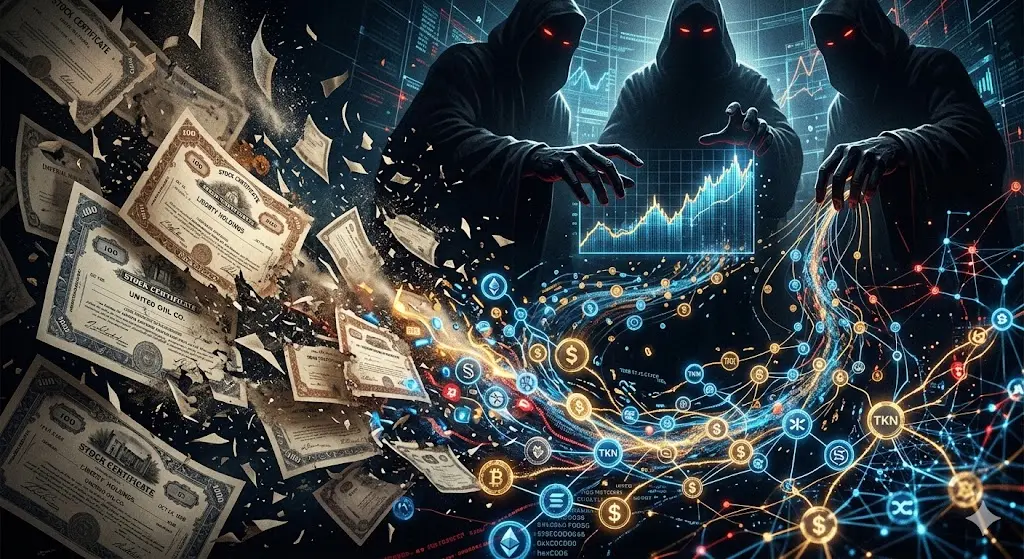
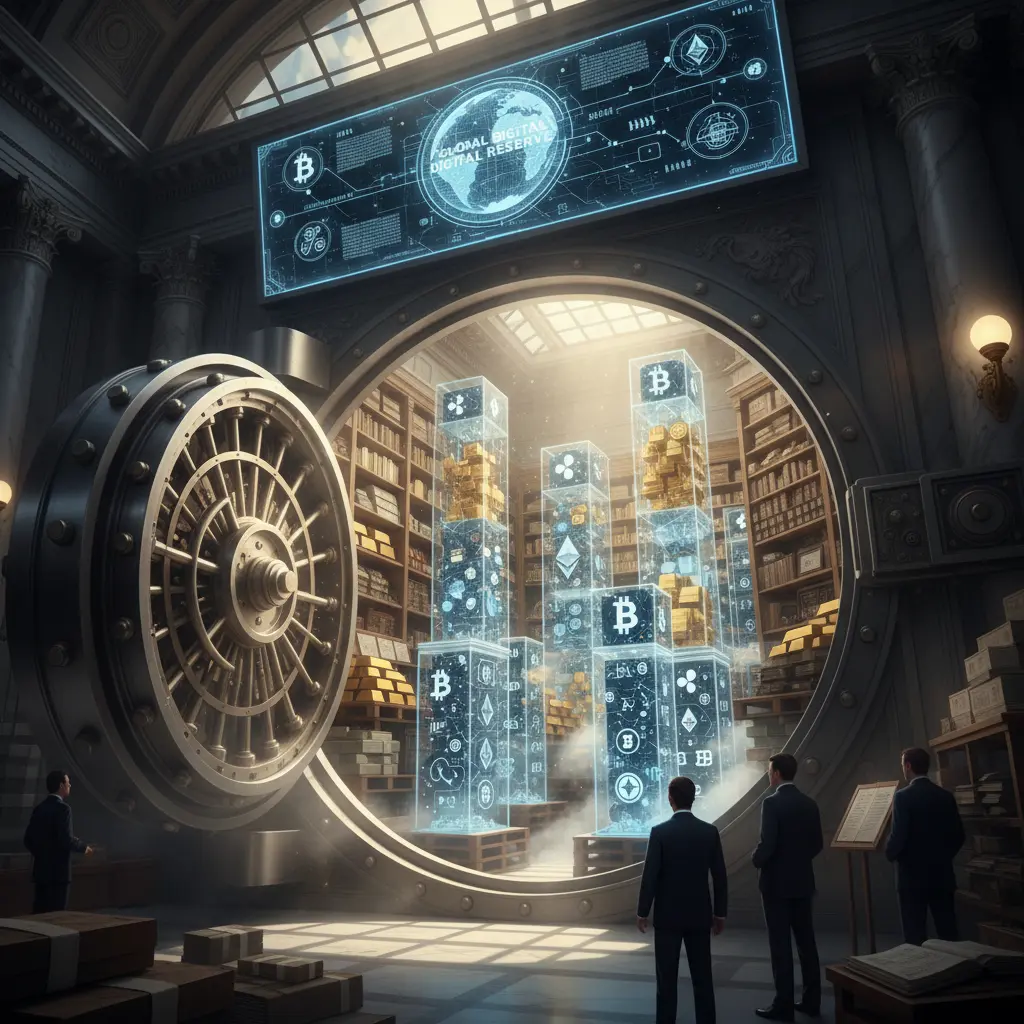
#USHouseAdvancesTokenizedSecurities
Tokenization isn’t a novelty anymore.
It’s becoming law.
The US House of Representatives advancing tokenized securities legislation isn’t just a nod to crypto innovation — it’s a structural signal for the future of finance.
The surface story reads: “Blockchain meets regulation.”
But the deeper story? Institutions are preparing for a world where ownership, settlement, and liquidity are digital by default.
This isn’t speculation.
It’s infrastructure.
Read between the lines:
Tokenized securities don’t remove intermediaries — they upgrade them.
Markets aren’t j
post-image
post-image
  • Reward
  • Comment
  • Repost
  • Share
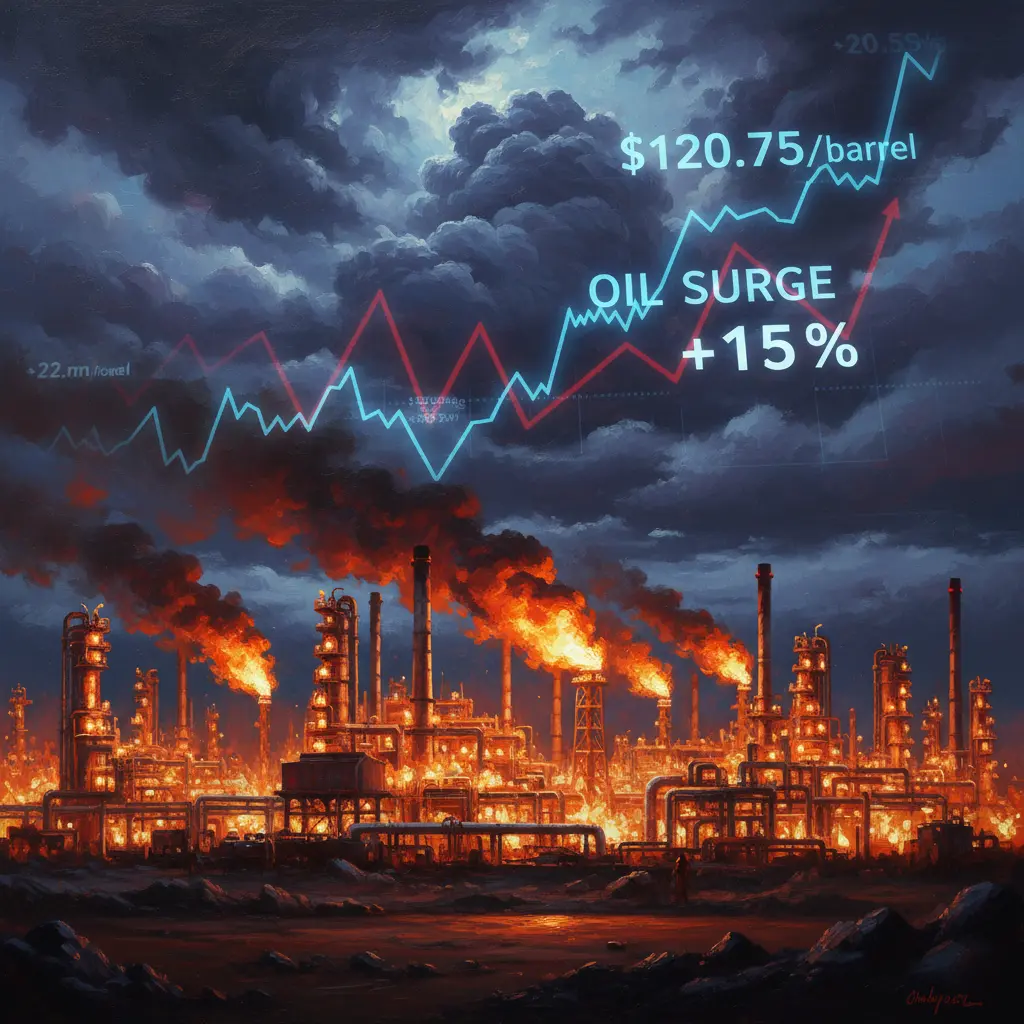
#OilPricesResumeUptrend
Oil isn’t just moving up.
It’s sending a message.
This isn’t a random rebound — it’s a reminder that energy still controls the macro narrative.
The surface take is simple: supply concerns, geopolitical noise, tighter flows.
But that misses the real shift:
Oil isn’t reacting anymore.
It’s leading.
Because when energy starts trending again,
everything else has to adjust — inflation, policy, risk appetite.
Read between the lines:
Oil doesn’t need a crisis — it thrives on uncertainty.
Rising energy prices quietly tighten financial conditions.
And every sustained move highe
post-image
  • Reward
  • 3
  • Repost
  • Share
Yusfirahvip:
2026 GOGOGO 👊
View More
#FannieMaeAcceptsCryptoCollateral
This is how paradigms shift — quietly, then all at once.
Fannie Mae accepting crypto as collateral isn’t just adoption.
It’s validation with consequences.
The surface narrative celebrates this as bullish.
“Crypto is entering real finance.”
But the deeper truth is more powerful — and more complex:
Crypto is no longer being traded.
It’s being trusted to secure debt.
And debt is the foundation of the entire financial system.
Read between the lines:
Speculative assets don’t become collateral — trusted ones do.
Volatility isn’t being ignored — it’s being engineere
FLOW-0,69%
post-image
post-image
  • Reward
  • 5
  • Repost
  • Share
Yusfirahvip:
2026 GOGOGO 👊
View More
#DavidSacksStepsDownAsCryptoLead
Leadership changes don’t shock markets.
They signal transitions.
David Sacks stepping down as a crypto lead isn’t noise — it’s a shift in tone.
The surface narrative will frame it as timing, rotation, or personal choice.
But markets don’t care about reasons.
They care about what changes next.
Because leadership in crypto isn’t just operational — it’s ideological.
Sacks represented a certain era:
high conviction, aggressive expansion, and a belief that crypto could outpace regulation.
Now the question becomes — what replaces that?
Read between the lines:
When s
post-image
post-image
Crypto_Buzz_with_Alexvip
#DavidSacksStepsDownAsCryptoLead
The architect just left the building. And Washington's crypto experiment will never look quite the same.
David Sacks stepping down as the White House AI and Crypto Czar is being reported as a planned transition. Clean. Professional. Amicable. But in politics — and in markets — the official version of a departure is almost never the complete version. The timing alone deserves scrutiny. We're mid-cycle in crypto's most politically sensitive period. Regulatory frameworks are half-built. The stablecoin bill is still finding its shape. And the person who held the most direct line between Silicon Valley crypto thinking and Oval Office policy just walked out the door.
That's not routine. That's a variable that just got removed from an already unstable equation.
Sacks brought something genuinely rare to that role — he understood the technology before he understood the politics of it. That sequencing matters enormously. Most regulators learn the politics first and retrofit their technology understanding afterward, which is precisely why most crypto regulation reads like it was written by people who've never actually used a blockchain. Sacks wasn't that. And his absence creates a vacuum that won't be filled by someone with equivalent depth overnight.
The crypto industry spent years trying to get a seat at the table. Sacks was that seat. Now the chair is empty and the table is still full of people who fundamentally distrust what this industry is building.
What this departure actually changes:
🏛️ Stablecoin legislation loses its most technically literate internal advocate at a critical drafting moment
🔗 The informal back-channel between crypto founders and White House policy just went dark
📋 SEC and CFTC jurisdictional battles over crypto assets lose a key internal mediator
🌐 International crypto policy coordination — where the US was finally showing leadership — faces a confidence gap
📉 Short term market uncertainty as industry recalibrates who to lobby, who to trust, who holds actual influence now
The Bitcoin strategic reserve conversation also takes on a different texture without Sacks in the room. He was a true believer in that vision. Whoever replaces him may view it as a political asset rather than a genuine monetary strategy — and that distinction produces very different policy outcomes.
Here's the uncomfortable truth the industry needs to sit with today. Regulatory progress in Washington was never institutionalized. It was personalized. Built around relationships, trust, and the credibility of specific individuals rather than durable structural frameworks. Sacks leaving exposes exactly how fragile that foundation was.
One departure shouldn't move markets this much. The fact that it does reveals how thin the political infrastructure supporting crypto's legitimacy actually is.
This isn't the end of crypto's Washington moment. But it is a significant reset of the terms on which that moment continues.
The industry built a relationship. Now it has to rebuild an institution.
#CryptoPolicy #WashingtonCrypto #RegulatoryShift

repost-content-media
  • Reward
  • 7
  • Repost
  • Share
CryptoSelfvip:
2026 GOGOGO 👊
View More
#USIranClashOverCeasefireTalks
Ceasefires don’t end conflict.
They expose how fragile peace really is.
The latest friction between the United States and Iran over ceasefire talks isn’t progress — it’s tension wearing a diplomatic mask.
On the surface, negotiations suggest restraint.
But markets don’t price words — they price credibility.
And right now, credibility is thin.
Because when both sides talk while preparing for escalation,
what you get isn’t resolution…
It’s delayed confrontation.
Read between the lines:
Diplomacy reduces headlines — not risk.
Ceasefire talks often precede volatilit
post-image
post-image
  • Reward
  • 5
  • Repost
  • Share
xxx40xxxvip:
To The Moon 🌕
View More
#TrumpExtendsStrikeDelay10Days
Delays don’t remove risk.
They concentrate it.
Donald Trump extending the strike delay on Iran’s energy facilities by 10 days isn’t de-escalation.
It’s a countdown.
The surface narrative says diplomacy is working.
Markets hear something different: uncertainty has a deadline now.
April 6 isn’t just a date — it’s a trigger point.
Because when geopolitical risk gets scheduled, it stops being abstract.
It becomes tradable.
Read between the lines:
A delay isn’t calm — it’s compressed tension.
Oil doesn’t need conflict — it just needs the possibility of disruption.
An
post-image
post-image
  • Reward
  • 5
  • Repost
  • Share
xxx40xxxvip:
To The Moon 🌕
View More
#FedRateHikeExpectationsResurface
The market thought the tightening cycle was behind it.
It wasn’t.
Now rate hike expectations are resurfacing — and suddenly, everything feels heavier.
This isn’t just macro noise.
This is the return of the cost of capital.
The surface narrative says: inflation isn’t cooling fast enough.
But the deeper reality is sharper:
The Federal Reserve doesn’t need to hike aggressively —
it just needs to keep the possibility alive.
Because expectations alone tighten financial conditions.
And markets trade expectations first… reality later.
Read between the lines:
Liquidi
post-image
post-image
  • Reward
  • 6
  • Repost
  • Share
ybaservip:
2026 GOGOGO 👊
View More
#BitcoinWeakens
Weakness isn’t always selling.
Sometimes… it’s hesitation.
Bitcoin isn’t collapsing — it’s losing momentum.
And in this market, that’s more dangerous than a sharp drop.
Because drops create clarity.
But slow weakness creates doubt.
The surface narrative points to profit-taking or short-term macro pressure.
But the deeper reality is this:
Bitcoin is reacting to uncertain liquidity, not just price levels.
When rate expectations rise and macro risks linger, capital doesn’t exit aggressively —
it waits.
And waiting shows up as weakness.
Read between the lines:
Markets don’t fall w
BTC0,59%
post-image
post-image
  • Reward
  • 5
  • Repost
  • Share
xxx40xxxvip:
To The Moon 🌕
View More
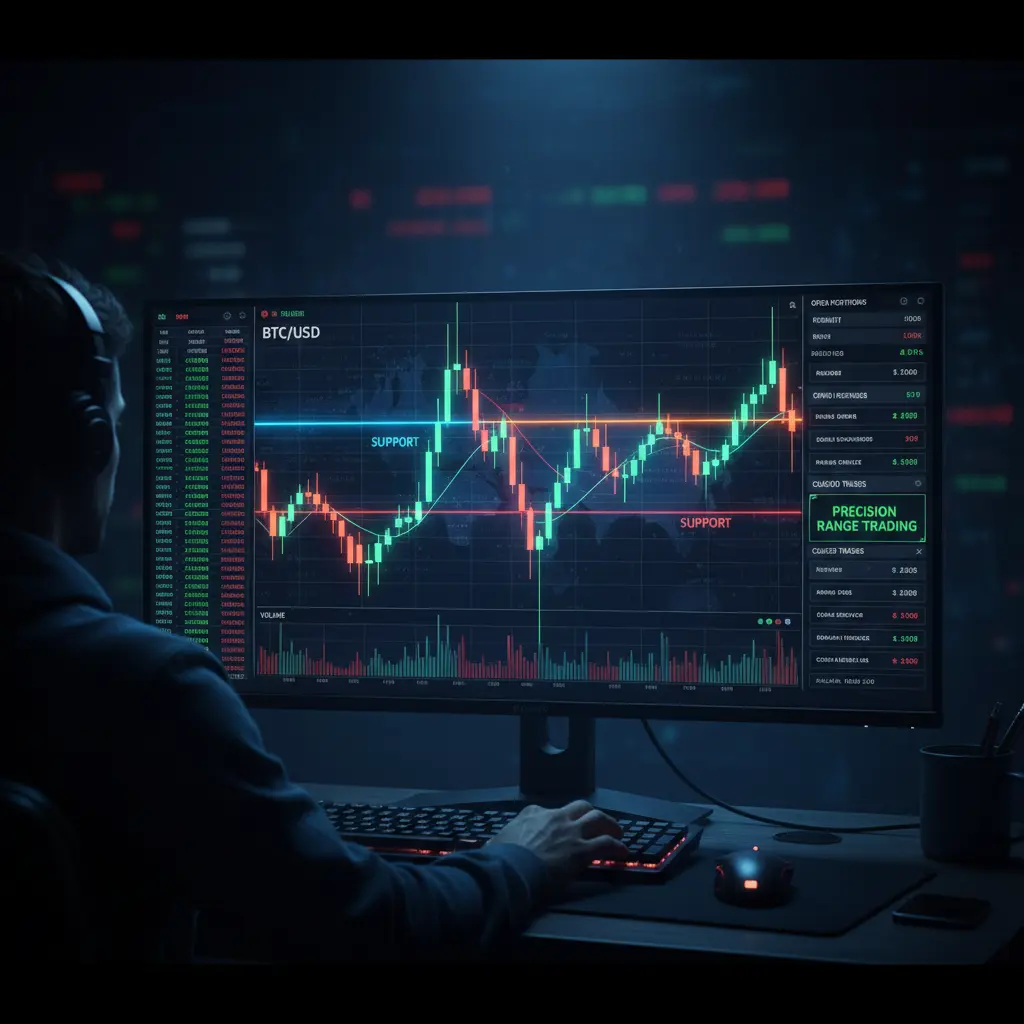
#RangeTradingStrategy
Most traders lose money in ranges.
Not because the market is unclear —
but because they refuse to accept it.
This weekend, #RangeTradingStrategy isn’t just relevant…
it’s the only honest read of the market.
Price isn’t trending.
It’s negotiating.
The surface narrative keeps asking: breakout or breakdown?
But the market keeps answering: neither — not yet.
And that’s where the edge lives.
Because ranges are psychological battle zones.
Buyers step in with confidence… until they don’t.
Sellers press resistance… until they fade.
It’s not chaos.
It’s repetition.
Read between t
BTC0,59%
ETH0,13%
post-image
  • Reward
  • 5
  • Repost
  • Share
xxx40xxxvip:
To The Moon 🌕
View More
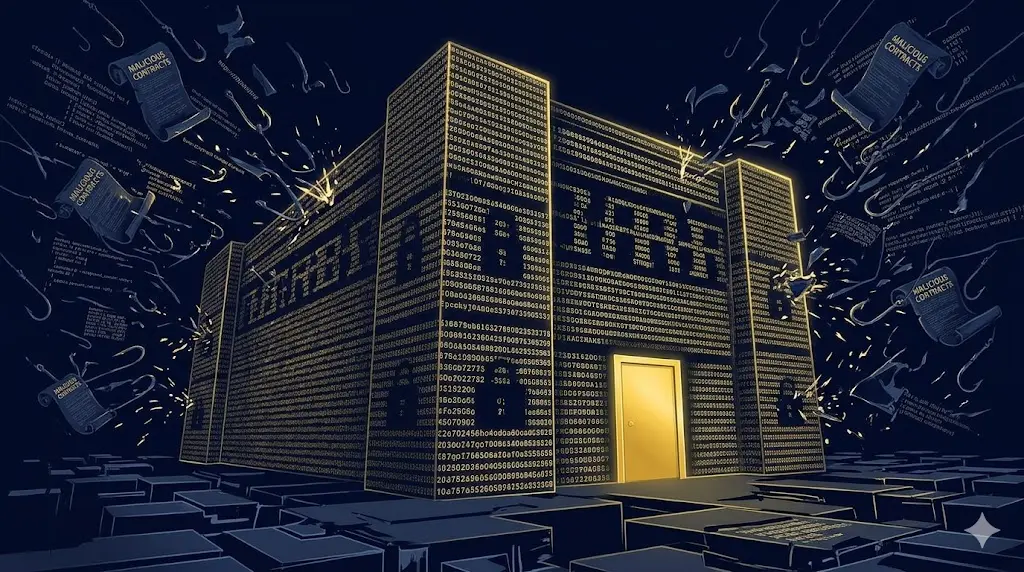
#Web3SecurityGuide
The most expensive lesson in crypto has always been the one you learn with your own money.
Nobody gets a second first hack. And yet the ecosystem keeps producing them at industrial scale — not because the technology is fundamentally broken but because the gap between how fast people move into Web3 and how slowly they build genuine security literacy is a chasm that bad actors have turned into a full-time industry.
Last year alone over $2 billion left wallets that their owners never intended to empty. Not through protocol exploits. Not through sophisticated zero-day vulnerabi
DEFI1,54%
post-image
post-image
  • Reward
  • 19
  • Repost
  • Share
xxx40xxxvip:
To The Moon 🌕
View More
#CircleFreezes16HotWallets
Sixteen wallets. One decision. And every "crypto is uncensorable" argument just got complicated again.
Circle didn't make headlines by building something. They made headlines by stopping something. Freezing $16 million across sixteen hot wallets is the kind of action that takes seconds to execute and years to fully process what it means. The technical mechanism is clean — USDC has always had a blacklist function baked into its smart contract. Circle reserved that right from day one. Nobody who read the documentation should be surprised.
But most people never read th
DAI0,07%
post-image
post-image
  • Reward
  • 21
  • 1
  • Share
xxx40xxxvip:
To The Moon 🌕
View More
#CreatorLeaderboard
Nobody talks about the quiet competition happening inside Gate Square right now. But they will.
Leaderboards have a psychology that most platforms underestimate. The moment a number appears next to your name — a rank, a score, a position — something shifts. It stops being about content and starts being about standing. That's not a criticism. That's human nature operating exactly as designed. And Gate just plugged that instinct directly into its creator ecosystem.
The Creator Leaderboard isn't a vanity feature. It's an engine.
Think about what it actually does beneath the s
post-image
post-image
  • Reward
  • 17
  • Repost
  • Share
xxx40xxxvip:
To The Moon 🌕
View More
Britain just drew a line in the sand. And crypto walked right up to it.
The UK's move to suspend crypto political donations isn't a footnote in parliamentary procedure. It's a declaration of intent from a government watching what happened across the Atlantic and deciding — deliberately and publicly — that it wants a different relationship between digital money and democratic process. While Washington was building crypto czars and courting Bitcoin billionaires into the political inner circle, Westminster is moving in the exact opposite direction.
Two of the world's largest financial centers. Tw
post-image
post-image
MoonGirlvip
#UKToSuspendCryptoPoliticalDonations #UKToSuspendCryptoPoliticalDonations
Market Impact Analysis
#UKToSuspendCryptoPoliticalDonations reflects a tightening regulatory stance on the intersection of crypto and political funding. The move signals that authorities in the United Kingdom are aiming to reduce anonymity risks and enforce transparency in political financing involving digital assets.
Implications:
Compliance Pressure: Exchanges and wallets may face stricter KYC/AML requirements tied to political transactions
Narrative Shift: Crypto is increasingly viewed as a regulated financial instrument, not just a decentralized asset
Capital Behavior: Political-linked crypto flows diminish, reducing a niche but symbolic demand channel
On Gate.io, this contributes to a broader trend of regulatory-aware trading, where users favor compliant and transparent assets.
Core insight:
This is not about volume—it’s about control, traceability, and regulatory alignment.
Liquidity & Volatility Outlook
Liquidity Impact: Minimal direct effect on trading liquidity, but affects specific use cases
Transparency Increase: Greater monitoring of wallet activity in political contexts
Capital Neutrality: General market liquidity remains unaffected, but compliance flows increase
Volatility expectations:
Short-term: Limited impact on price action
Mid-term: Slight sentiment pressure from regulatory tightening
Long-term: Market stability improves with clearer legal frameworks
Key dynamic:
Regulation reduces illicit edge cases, not core market volatility.
Trader Strategy
Focus on Core Assets: BTC and ETH remain unaffected by political restrictions
Monitor Regulatory Narratives: Policy trends can shape long-term capital flows
Avoid Overreacting: This is a structural policy move, not a market shock
Stay Compliant: Increased regulation favors transparent trading behavior
Advanced insight:
Regulatory clarity often leads to stronger institutional participation over time.
What to Watch
Further policy developments within the United Kingdom
Broader crypto regulatory frameworks across Europe
Compliance measures adopted by exchanges and platforms
Institutional sentiment toward regulated crypto environments
Any follow-up restrictions or expansions of this policy
Closing
#UKToSuspendCryptoPoliticalDonations highlights the evolving boundary between decentralized finance and traditional governance systems—a step toward stricter oversight, not market disruption.
repost-content-media
  • Reward
  • 17
  • Repost
  • Share
xxx40xxxvip:
To The Moon 🌕
View More
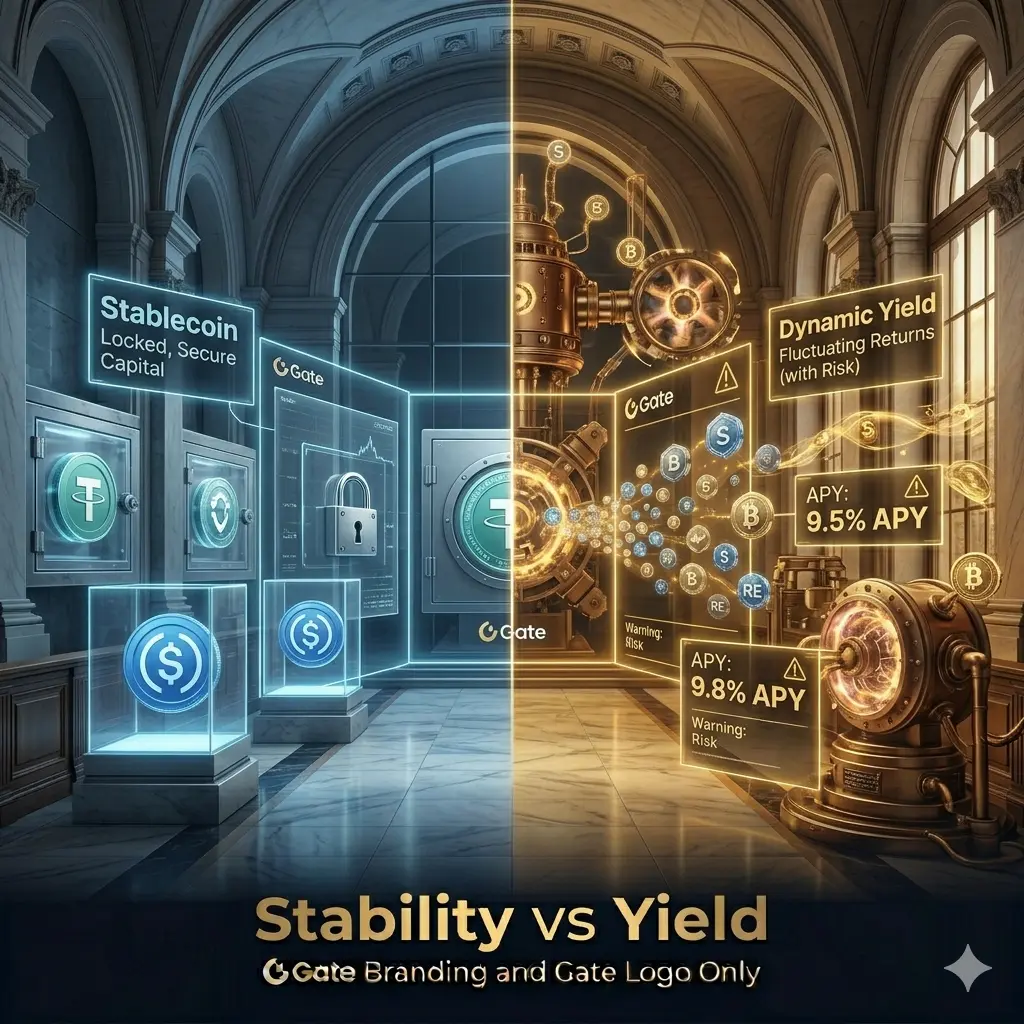
The most boring word in crypto is hiding the most explosive argument of the year.
Yield. Simple word. Trillion dollar fight.
The stablecoin de-yield debate isn't a technical discussion happening in Discord servers and substack threads. It's a war over who gets to profit from the next layer of global money infrastructure — and whether everyday holders get any slice of that profit at all. Tether made $6.2 billion in profit last year. Holders of USDT made exactly zero of that. The money was always there. The question is who it belongs to.
That question just got loud enough that regulators, founde
USDE-0,07%
DEFI1,54%
ENA0,26%
post-image
post-image
MoonGirlvip
#StablecoinDeYieldDebateIntensifies #StablecoinDeYieldDebateIntensifies
Market Impact Analysis
#StablecoinDeYieldDebateIntensifies highlights a growing structural tension in crypto: should stablecoins remain purely stable, or evolve into yield-bearing instruments?
This debate directly impacts the core design philosophy of assets like USDT and USDC versus newer yield-focused stablecoins.
Key implications:
Trust vs Return Tradeoff: Traditional stablecoins prioritize capital preservation, while yield-bearing variants introduce risk layers
Capital Reallocation: Users may migrate toward yield-generating assets, fragmenting liquidity across protocols
Regulatory Scrutiny: Authorities monitor yield-bearing stablecoins more closely due to their similarity to interest-bearing products
On Gate.io, this narrative influences stablecoin pair activity, as traders adjust between liquidity safety and yield optimization.
Core insight:
The debate is not just financial—it’s about redefining what “stable” means in crypto.
Liquidity & Volatility Outlook
Liquidity Fragmentation: Capital splits between non-yield and yield-bearing stablecoins
Hidden Risk Exposure: Yield mechanisms often involve lending, staking, or protocol risk
Stablecoin Dominance Shift: Leading stablecoins may lose share to higher-yield alternatives
Volatility expectations:
Short-term: Limited direct volatility, but increased capital rotation
Mid-term: Structural liquidity shifts across DeFi ecosystems
Risk Factor: Yield protocols may introduce depegging or smart contract risks
Key dynamic:
Yield introduces return—but also embedded volatility risk.
Trader Strategy
Balance Risk vs Yield: Don’t chase yield without understanding underlying exposure
Monitor Stablecoin Flows: Watch shifts between USDT, USDC, and yield variants
Use Stablecoins Strategically: Allocate between safety (non-yield) and yield opportunities
Avoid Overexposure to New Protocols: Early-stage yield systems carry higher risk
Advanced insight:
In stablecoin markets, preserving liquidity flexibility is as important as earning yield.
What to Watch
Regulatory developments targeting stablecoin yield mechanisms
Growth of yield-bearing stablecoin adoption
Changes in major stablecoin market share
DeFi lending rates and on-chain yield trends
Institutional adoption of yield-bearing stable assets
Closing
#StablecoinDeYieldDebateIntensifies represents a critical crossroads—where crypto must decide between pure stability and programmable yield.
repost-content-media
  • Reward
  • 18
  • Repost
  • Share
xxx40xxxvip:
To The Moon 🌕
View More
This isn’t regulation catching up.
This is regulation choosing a direction.
The United States House of Representatives advancing tokenized securities signals something deeper than policy —
it signals inevitability.
Because behind closed doors, the debate is already settled:
Tokenization isn’t if.
It’s how fast — and who controls it.
The surface narrative frames this as innovation meeting compliance.
But the real shift is more strategic.

Wall Street isn’t being disrupted.
It’s being upgraded — with blockchain as its new backend.
Read between the lines:
Tokenization doesn’t remove intermediaries
post-image
post-image
MoonGirlvip
#USHouseAdvancesTokenizedSecurities #USHouseAdvancesTokenizedSecurities
Market Impact Analysis
#USHouseAdvancesTokenizedSecurities marks a critical step toward regulatory legitimization of tokenized real-world assets (RWAs). Legislative progress in the U.S. House of Representatives signals that tokenized equities, bonds, and funds are moving from concept to regulated financial infrastructure.
Implications:
Institutional Onboarding: Traditional finance gains a compliant bridge into blockchain markets
Asset Expansion: Tokenized securities unlock 24/7 trading and fractional ownership
Capital Inflow Potential: New liquidity from regulated investors entering crypto rails
On Gate.io, this narrative supports long-term structural growth, especially for assets tied to tokenization, RWA protocols, and compliant DeFi ecosystems.
Core insight:
Tokenization transforms crypto from a speculative market → a financial infrastructure layer.
Liquidity & Volatility Outlook
Liquidity Expansion (Mid-Term): Institutional capital enters via tokenized rails
Reduced Friction: Faster settlement increases capital efficiency
Market Depth Growth: More participants stabilize price discovery
Volatility expectations:
Short-term: Neutral to slightly positive sentiment, limited immediate volatility
Mid-term: Structural bullish impact as adoption increases
Long-term: Lower volatility due to deeper, regulated liquidity pools
Key dynamic:
Tokenization creates persistent liquidity—not just trading volume.
Trader Strategy
Track RWA Narratives: Focus on projects tied to tokenized securities
Position for Structural Growth: Favor assets with real-world integration
Watch Institutional Flows: Capital from traditional finance is key
Avoid Overtrading Headlines: Policy developments are slow-moving but powerful
Advanced insight:
Early positioning in tokenization narratives can define multi-cycle alpha.
What to Watch
Progress of legislation within the U.S. House of Representatives
SEC and regulatory body responses
Adoption by major financial institutions
Growth of tokenized asset platforms
Liquidity migration from traditional markets to on-chain markets
Closing
#USHouseAdvancesTokenizedSecurities represents a structural evolution of global finance—where ownership, liquidity, and settlement converge on-chain.
repost-content-media
  • Reward
  • 16
  • Repost
  • Share
xxx40xxxvip:
To The Moon 🌕
View More
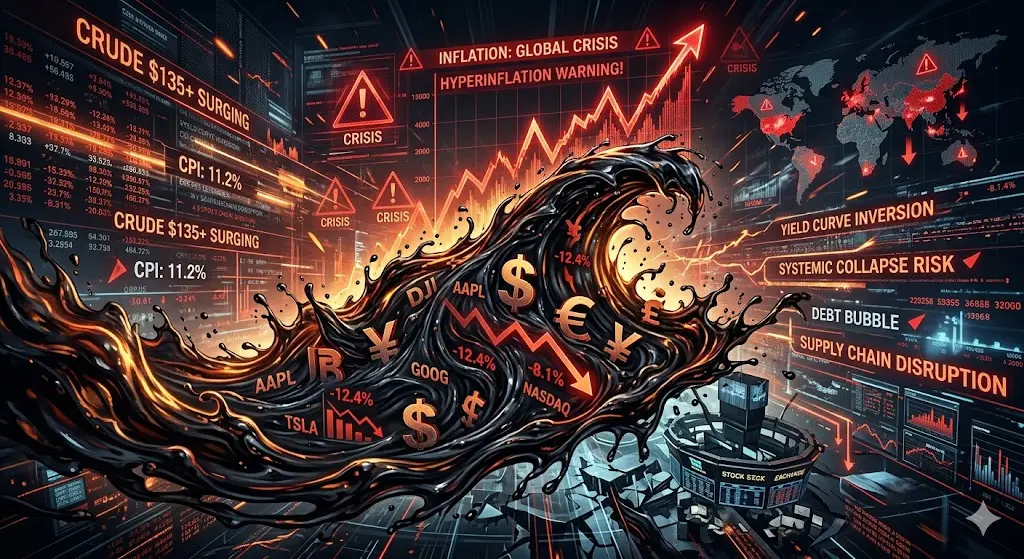
#OilPricesResumeUptrend
Oil isn’t rallying.
It’s repricing risk.
The uptrend in Crude Oil isn’t about demand strength — it’s about fear entering the system again.
Brent has surged dramatically in recent weeks, with prices pushing above $110 and even flirting with extreme upside scenarios as geopolitical tensions escalate.
The surface narrative blames supply disruptions and Middle East conflict.
That’s true — but incomplete.
Because oil doesn’t just reflect supply.
It reflects how fragile the global system really is.
Read between the lines:
This isn’t a demand-driven rally — it’s a risk premiu
post-image
post-image
  • Reward
  • 14
  • Repost
  • Share
xxx40xxxvip:
To The Moon 🌕
View More
#FannieMaeAcceptsCryptoCollateral
The wall just developed a door. And nobody in traditional finance is ready to admit how significant that is.
Fannie Mae accepting crypto as collateral isn't a fintech headline. It's a foundational shift in how the United States government-sponsored mortgage infrastructure views digital assets as legitimate stores of value. Let that land properly. This isn't a neobank experiment or a crypto-native lending protocol stretching its risk parameters. This is the institution that underpins the American dream of homeownership quietly acknowledging that Bitcoin and se
BTC0,59%
COINON-0,34%
post-image
post-image
  • Reward
  • 14
  • Repost
  • Share
xxx40xxxvip:
To The Moon 🌕
View More
#DavidSacksStepsDownAsCryptoLead
The architect just left the building. And Washington's crypto experiment will never look quite the same.
David Sacks stepping down as the White House AI and Crypto Czar is being reported as a planned transition. Clean. Professional. Amicable. But in politics — and in markets — the official version of a departure is almost never the complete version. The timing alone deserves scrutiny. We're mid-cycle in crypto's most politically sensitive period. Regulatory frameworks are half-built. The stablecoin bill is still finding its shape. And the person who held the m
BTC0,59%
post-image
post-image
  • Reward
  • 17
  • 2
  • Share
xxx40xxxvip:
To The Moon 🌕
View More
  • Pin