

















#OilPricesRise
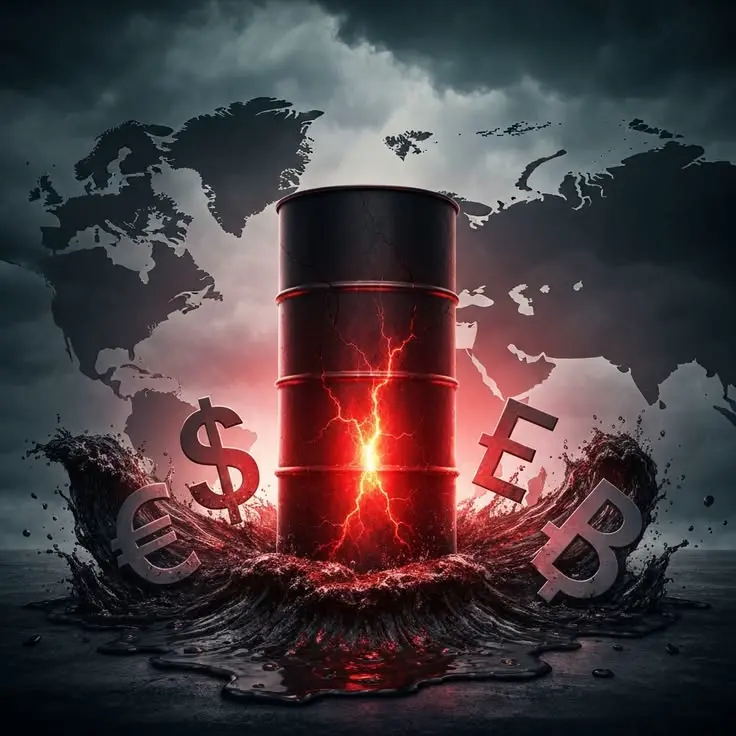
Recent developments in energy markets have once again revealed the fragility of global energy security. A warning published by Bloomberg indicates that oil reserves, the resources that keep markets afloat, are nearing depletion. The International Energy Agency (IEA) has decided to release 400 million barrels of oil from emergency reserves in March 2026. This amount provides only a 20-day buffer to compensate for a daily supply loss of approximately 20 million barrels via the Strait of Hormuz.
This historic decision was made on March 11, 2026, due to the war with Iran and disruptions in the Strait of Hormuz. The IEA's 32 member countries unanimously voted to release the largest reserve ever. This volume is more than double the 183 million barrels released after the Russia-Ukraine war in 2022. Given that global oil demand hovers around 100 million barrels per day, 400 million barrels only covers four days of total demand. However, considering the specific supply deficit created by the strait disruption, it provides relief for 20 days.
According to current data, IEA member countries have 1.2 billion barrels of government reserves and 600 million barrels of industrial mandatory reserves in their emergency reserves. The US has contributed 172 million barrels from its Strategic Petroleum Reserve, which currently stands at approximately 415 million barrels. The physical arrival of released oil to the market takes between 60 and 90 days, and up to 120 days in the US. Therefore, although initial flows have only just begun, the supply shortage is projected to worsen by April 2026.
According to the IEA's March 2026 Oil Market Report, globally observed oil stocks stand at 8.2 billion barrels, the highest level since February 2021. Despite this, ongoing disruptions in the Strait of Hormuz are keeping oil prices high and increasing the risk of demand disruption. Bloomberg analysis emphasizes that the rapid depletion of reserves will further exacerbate market difficulties and offers no long-term solution.
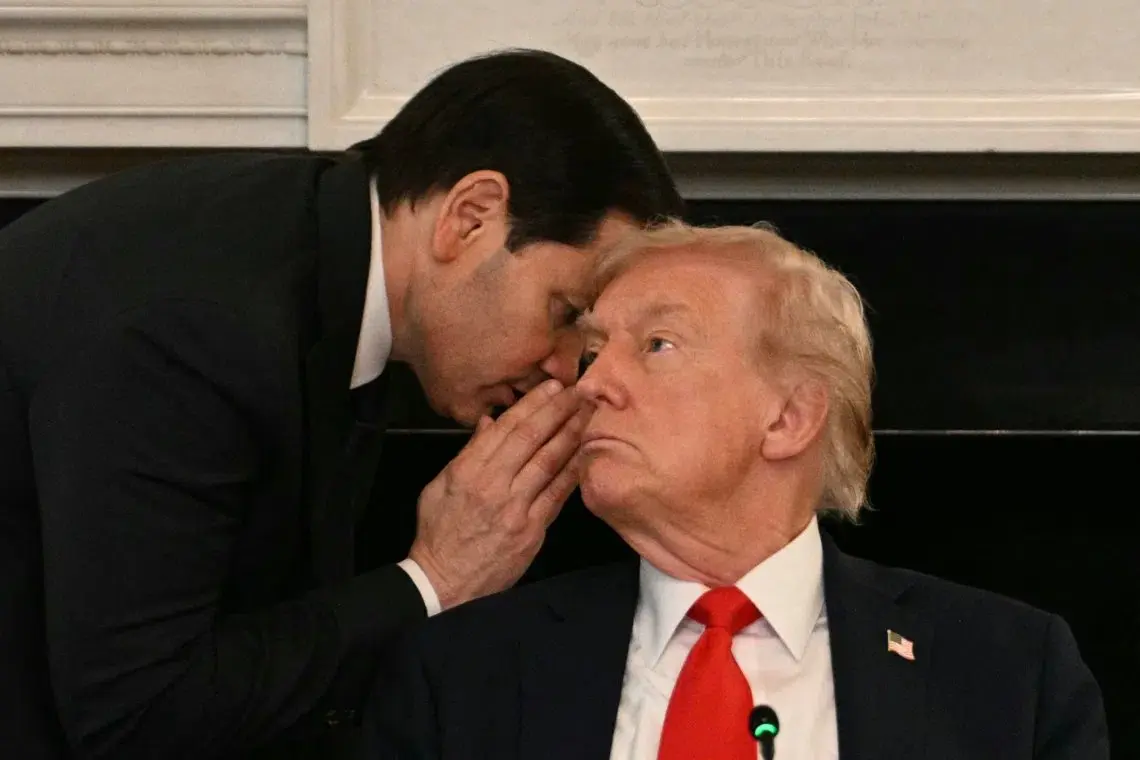
These developments pose significant risks to the global economy. Developing countries are facing rising energy import costs, increasing inflationary pressures, and downward revisions to growth forecasts. In the context of US President Trump's 48-hour ultimatum to Iran, reopening the Strait of Hormuz or reaching a new diplomatic agreement has become critical. Otherwise, reserve buffers will be depleted quickly, and a systemic energy crisis will be inevitable.
Strategic reserves serve as a temporary buffer, but lasting stability seems possible only through the resolution of the regional conflict. Current data as of April 4, 2026, supports these assessments, and developments should be closely monitored.
#CryptoMarketSeesVolatility
#AreYouBullishOrBearishToday?
#CreatorLeaderboard
#GateSquareAprilPostingChallenge
$XTIUSD $XBRUSD
Recent developments in energy markets have once again revealed the fragility of global energy security. A warning published by Bloomberg indicates that oil reserves, the resources that keep markets afloat, are nearing depletion. The International Energy Agency (IEA) has decided to release 400 million barrels of oil from emergency reserves in March 2026. This amount provides only a 20-day buffer to compensate for a daily supply loss of approximately 20 million barrels via the Strait of Hormuz.
This historic decision was made on March 11, 2026, due to the war with Iran and disruptions in the Strait of Hormuz. The IEA's 32 member countries unanimously voted to release the largest reserve ever. This volume is more than double the 183 million barrels released after the Russia-Ukraine war in 2022. Given that global oil demand hovers around 100 million barrels per day, 400 million barrels only covers four days of total demand. However, considering the specific supply deficit created by the strait disruption, it provides relief for 20 days.
According to current data, IEA member countries have 1.2 billion barrels of government reserves and 600 million barrels of industrial mandatory reserves in their emergency reserves. The US has contributed 172 million barrels from its Strategic Petroleum Reserve, which currently stands at approximately 415 million barrels. The physical arrival of released oil to the market takes between 60 and 90 days, and up to 120 days in the US. Therefore, although initial flows have only just begun, the supply shortage is projected to worsen by April 2026.
According to the IEA's March 2026 Oil Market Report, globally observed oil stocks stand at 8.2 billion barrels, the highest level since February 2021. Despite this, ongoing disruptions in the Strait of Hormuz are keeping oil prices high and increasing the risk of demand disruption. Bloomberg analysis emphasizes that the rapid depletion of reserves will further exacerbate market difficulties and offers no long-term solution.
These developments pose significant risks to the global economy. Developing countries are facing rising energy import costs, increasing inflationary pressures, and downward revisions to growth forecasts. In the context of US President Trump's 48-hour ultimatum to Iran, reopening the Strait of Hormuz or reaching a new diplomatic agreement has become critical. Otherwise, reserve buffers will be depleted quickly, and a systemic energy crisis will be inevitable.
Strategic reserves serve as a temporary buffer, but lasting stability seems possible only through the resolution of the regional conflict. Current data as of April 4, 2026, supports these assessments, and developments should be closely monitored.
#CryptoMarketSeesVolatility
#AreYouBullishOrBearishToday?
#CreatorLeaderboard
#GateSquareAprilPostingChallenge
$XTIUSD $XBRUSD