US Unemployment Data Comes in Below Expectations, Sending a Balancing Signal to Markets
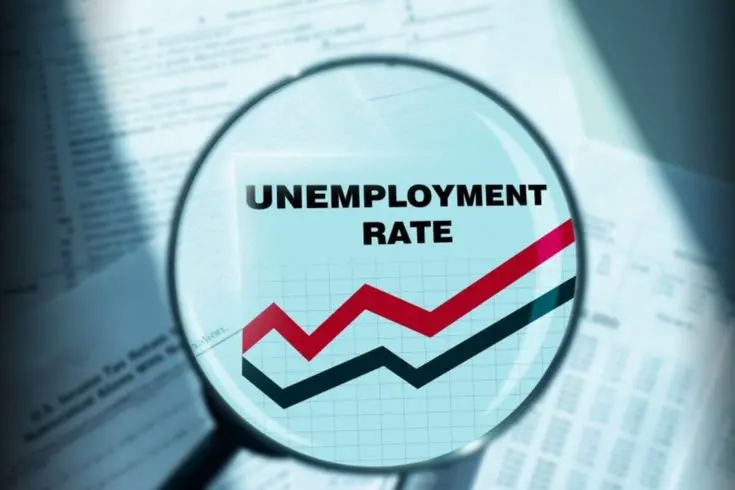
The latest US labor market data revealed an unemployment rate of 4.3%, while market expectations were at 4.4%. Although limited, the data came in below expectations, indicating that the labor market remains relatively resilient.
The unemployment rate is considered one of the most critical indicators of economic activity. The lower-than-expected data suggests that labor demand remains strong and that the economic slowdown is progressing in a controlled manner. This is interpreted as limiting the risk of a sudden contraction, particularly in terms of growth.
On the other hand, the continued strength of the labor market has a dual effect on inflation dynamics. Maintaining high levels of employment supports consumer demand, while continued wage pressures may make it difficult for inflation to decline at the desired pace.
At this point, the data is critically important for the direction of Federal Reserve policies. A lower-than-expected unemployment rate may cause the Fed to be more cautious about cutting interest rates. Because the strong employment structure indicates that economic activity is still supported and that premature easing of tight monetary policy could pose a risk.
From a financial market perspective, such data generally leads to complex pricing. On the one hand, the preservation of economic strength stands out as a positive factor for risky assets, while on the other hand, the possibility of interest rates remaining high for a longer period may put pressure on the market.
In conclusion, the lower-than-expected US unemployment data shows that the economy maintains its resilient structure and suggests that a cautious stance in the monetary policy outlook may continue. This data indicates that a balanced and data-driven process will continue in the markets, rather than a sudden change in direction.
#AreYouBullishOrBearishToday? #MarchNonfarmPayrollsIncoming
#AreYouBullishOrBearishToday?
#CreatorLeaderboard
#GateSquareAprilPostingChallenge
https://www.gate.com/en/announcements/article/50520
The latest US labor market data revealed an unemployment rate of 4.3%, while market expectations were at 4.4%. Although limited, the data came in below expectations, indicating that the labor market remains relatively resilient.
The unemployment rate is considered one of the most critical indicators of economic activity. The lower-than-expected data suggests that labor demand remains strong and that the economic slowdown is progressing in a controlled manner. This is interpreted as limiting the risk of a sudden contraction, particularly in terms of growth.
On the other hand, the continued strength of the labor market has a dual effect on inflation dynamics. Maintaining high levels of employment supports consumer demand, while continued wage pressures may make it difficult for inflation to decline at the desired pace.
At this point, the data is critically important for the direction of Federal Reserve policies. A lower-than-expected unemployment rate may cause the Fed to be more cautious about cutting interest rates. Because the strong employment structure indicates that economic activity is still supported and that premature easing of tight monetary policy could pose a risk.
From a financial market perspective, such data generally leads to complex pricing. On the one hand, the preservation of economic strength stands out as a positive factor for risky assets, while on the other hand, the possibility of interest rates remaining high for a longer period may put pressure on the market.
In conclusion, the lower-than-expected US unemployment data shows that the economy maintains its resilient structure and suggests that a cautious stance in the monetary policy outlook may continue. This data indicates that a balanced and data-driven process will continue in the markets, rather than a sudden change in direction.
#AreYouBullishOrBearishToday? #MarchNonfarmPayrollsIncoming
#AreYouBullishOrBearishToday?
#CreatorLeaderboard
#GateSquareAprilPostingChallenge
https://www.gate.com/en/announcements/article/50520