


Futures
Access hundreds of perpetual contracts
TradFi
Gold
One platform for global traditional assets
Options
Hot
Trade European-style vanilla options
Unified Account
Maximize your capital efficiency
Demo Trading
Introduction to Futures Trading
Learn the basics of futures trading
Futures Events
Join events to earn rewards
Demo Trading
Use virtual funds to practice risk-free trading
Launch
CandyDrop
Collect candies to earn airdrops
Launchpool
Quick staking, earn potential new tokens
HODLer Airdrop
Hold GT and get massive airdrops for free
Launchpad
Be early to the next big token project
Alpha Points
Trade on-chain assets and earn airdrops
Futures Points
Earn futures points and claim airdrop rewards


More






JPMorgan's Jamie Dimon Urges Government to Shut Down Bitcoin
Disclosure: Crypto is a high-risk asset class. This article is provided for informational purposes and does not constitute investment advice. By using this website, you agree to our terms and conditions. We may utilise affiliate links within our content, and receive commission.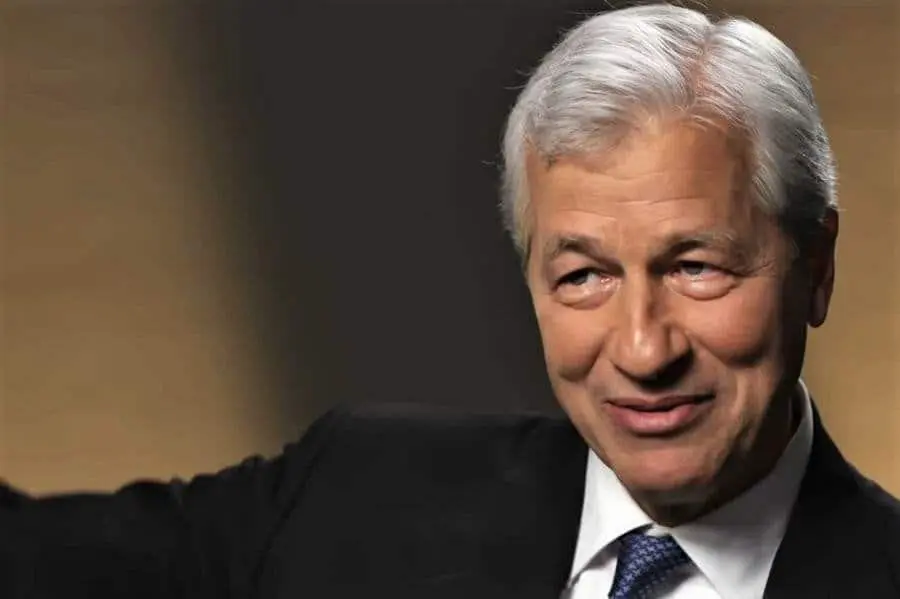 Source: a video screenshotDuring a Senate Banking Committee hearing on Capitol Hill, JPMorgan Chase CEO Jamie Dimon expressed his strong opposition to cryptocurrencies, specifically Bitcoin (BTC)
Dimon’s remarks came in response to questioning from Senator Elizabeth Warren, where he claimed that the only true use case for cryptocurrencies is for criminals involved in activities such as drug trafficking, money laundering, and tax avoidance
He went on to suggest that if he were in government, he would shut down cryptocurrencies altogether.
Dimon’s comments are not entirely surprising, as he has been a vocal critic of bitcoin and other digital currencies in the past
He has previously referred to Bitcoin as a “hyped-up fraud” and even compared it to a “pet rock.”
Despite his negative stance on cryptocurrencies, JPMorgan has actively engaged with blockchain technology, the underlying technology behind cryptocurrencies, and has been involved in ious blockchain projects.
Dimon also found common ground with Senator Warren during the hearing when discussing the need for crypto companies to adhere to the same anti-money laundering regulations as traditional financial institutions
Warren, known for her critical stance on the banking industry, emphasized the importance of national security and preventing terrorists, drug traffickers, and rogue nations from utilizing cryptocurrencies for illicit purposes
She called on Congress to take action in this regard
Crypto Accounts for Less Than 1% of Illicit Finance
The issue of illicit financial activities within the cryptocurrency space has been a topic of contention
Critics often raise concerns about the potential misuse of cryptocurrencies, citing their use in illegal activities
However, recent analysis and statements from industry experts offer a different perspective
Andrzej Gwizdalski, a lecturer at the University of Western Australia, has shed light on the scale of illicit activities compared to traditional fiat currencies.
Gwizdalski compiled data from reputable sources such as the United Nations, World Economic Forum, and blockchain analytics firm Chainalysis to compare illicit activities in cryptocurrencies and traditional fiat currencies
His findings revealed that the volume of illicit activities in cryptocurrencies is significantly lower than in the traditional financial
The United Nations Office of Drugs and Crime estimates that global money laundering amounts to 2-5% of global GDP, equating to $800 billion to $2 trillion, primarily occurring in fiat currencies
Furthermore, the World Economic Forum reports that corruption costs developing countries approximately $1.26 trillion annually, highlighting the prence of illegal activities within the traditional financial .
These insights from industry experts underscore the importance of perspective when discussing illicit financial activities
While cryptocurrencies have been associated with illegal use, the scale of such activities pales in comparison to the traditional fiat
It is essential to consider the broader context and address the challenges within both s to ensure effective regulation and prevent illicit activities.