

Trade
Basic
Futures
Futures
Hundreds of contracts settled in USDT or BTC
Options
HOT
Trade European-style vanilla options
Unified Account
Maximize your capital efficiency
Demo Trading
Futures Kickoff
Get prepared for your futures trading
Futures Events
Participate in events to win generous rewards
Demo Trading
Use virtual funds to experience risk-free trading
Earn
Launch
CandyDrop
Collect candies to earn airdrops
Launchpool
Quick staking, earn potential new tokens
HODLer Airdrop
Hold GT and get massive airdrops for free
Launchpad
Be early to the next big token project
Alpha Points
NEW
Trade on-chain assets and enjoy airdrop rewards!
Futures Points
NEW
Earn futures points and claim airdrop rewards
Investment
Simple Earn
Earn interests with idle tokens
Auto-Invest
Auto-invest on a regular basis
Dual Investment
Buy low and sell high to take profits from price fluctuations
Soft Staking
Earn rewards with flexible staking
Crypto Loan
0 Fees
Pledge one crypto to borrow another
Lending Center
One-stop lending hub
VIP Wealth Hub
Customized wealth management empowers your assets growth
Private Wealth Management
Customized asset management to grow your digital assets
Quant Fund
Top asset management team helps you profit without hassle
Staking
Stake cryptos to earn in PoS products
Smart Leverage
NEW
No forced liquidation before maturity, worry-free leveraged gains
GUSD Minting
Use USDT/USDC to mint GUSD for treasury-level yields

More


Trending Topics
View More26.82K Popularity
34.49K Popularity
26.51K Popularity
8.54K Popularity
7.51K Popularity




Pin
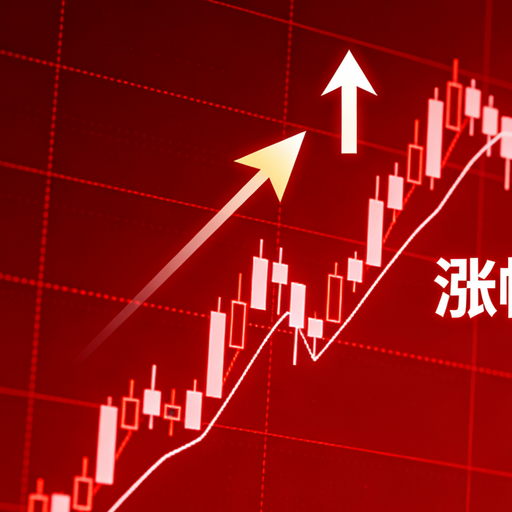
Direct Market: Why Spot Trading is Central to Modern Investors
Spot trading is an immediate form of trading where buyers and sellers exchange assets instantly. Unlike futures contracts, which are settled at future dates, settlement in spot trading typically occurs within a few business days. This immediacy makes this type of trading a cornerstone of modern financial markets.
The Cryptocurrency Market as a Growth Driver
Spot trading has become a dominant force, especially in the cryptocurrency industry. Major trading platforms record daily transaction volumes in the double-digit billion-dollar range, highlighting the massive demand for immediate transactions. Investors use these markets to quickly respond to price movements of Bitcoin, Ethereum, and a variety of altcoins – a necessity in a market known for its extreme volatility.
Core Functions in the Financial System
The foundation of spot trading rests on two pillars: liquidity provision and price discovery. Liquidity allows large positions to be bought or sold without significantly distorting the market price. This is essential for market stability. Price discovery, in turn, is a continuous process where buyers and sellers establish fair market prices through their trading activities.
In traditional markets – whether foreign exchange, commodities, or stocks – the spot market forms the backbone of price transparency. It accurately reflects the current market situation and serves as a reference point for all other trading instruments.
Risk Management Through Immediate Transactions
An often-overlooked advantage of spot trading is its role in hedging strategies. Companies and institutional investors use it to minimize price risks. A classic example: an airline hedges fuel supplies on the spot market to benefit from favorable prices and stabilize its cost structure. Energy companies, commodity importers, and exporters employ similar strategies to protect their business operations from price fluctuations.
Technology Revolutionizes Spot Trading
Digital transformation has fundamentally reshaped spot trading. High-performance trading algorithms now execute transactions in milliseconds. Artificial intelligence and real-time data processing enable market participants to predict price movements and dynamically adjust their strategies.
This technological evolution has also lowered entry barriers: retail investors now have access to the same market information and trading speeds that were once reserved for institutional players.
Attractiveness for Retail Investors
Compared to complex derivatives products, spot trading stands out for its simplicity. There are no hidden contracts, no forced liquidations, and no long-term commitments. This straightforwardness makes it ideal for investors who want to flexibly adapt their portfolios to changing market conditions.
The transparency of spot markets – with real-time prices and clear transaction terms – provides a solid foundation for rational investment decisions.
Outlook
Spot trading remains the backbone of global financial markets. Its importance is growing as markets become more volatile and dynamic – especially in the crypto sector, where digital assets are traded around the clock. Through the combination of immediate settlement, technological innovations, and democratized market access, spot trading contributes to a more robust and efficient financial landscape. From commodity markets to stock trading and the cryptocurrency sphere: its role will continue to strengthen.