

Trade
Basic
Futures
Futures
Hundreds of contracts settled in USDT or BTC
Options
HOT
Trade European-style vanilla options
Unified Account
Maximize your capital efficiency
Demo Trading
Futures Kickoff
Get prepared for your futures trading
Futures Events
Participate in events to win generous rewards
Demo Trading
Use virtual funds to experience risk-free trading
Earn
Launch
CandyDrop
Collect candies to earn airdrops
Launchpool
Quick staking, earn potential new tokens
HODLer Airdrop
Hold GT and get massive airdrops for free
Launchpad
Be early to the next big token project
Alpha Points
NEW
Trade on-chain assets and enjoy airdrop rewards!
Futures Points
NEW
Earn futures points and claim airdrop rewards
Investment
Simple Earn
Earn interests with idle tokens
Auto-Invest
Auto-invest on a regular basis
Dual Investment
Buy low and sell high to take profits from price fluctuations
Soft Staking
Earn rewards with flexible staking
Crypto Loan
0 Fees
Pledge one crypto to borrow another
Lending Center
One-stop lending hub
VIP Wealth Hub
Customized wealth management empowers your assets growth
Private Wealth Management
Customized asset management to grow your digital assets
Quant Fund
Top asset management team helps you profit without hassle
Staking
Stake cryptos to earn in PoS products
Smart Leverage
NEW
No forced liquidation before maturity, worry-free leveraged gains
GUSD Minting
Use USDT/USDC to mint GUSD for treasury-level yields

More




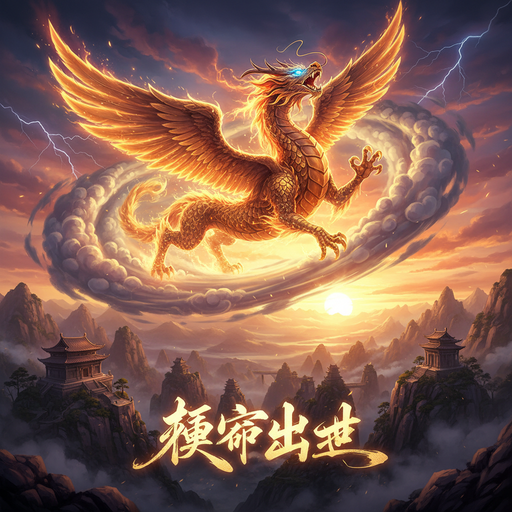
Let's review the development trajectory of the BSC chain over the past few years. With each wave, the market landscape has changed dramatically.
The first phase was the craziest. Projects like TST and TUT saw their tokens skyrocket on Alpha, and the hype allowed many to make huge profits. This wave of market activity completely changed market perceptions and sparked discussions within the entire ecosystem.
The second wave brought a reversal. Projects like Mubarak and Mubarakah took over, but this time, tokens on Alpha plummeted instead of soaring. The success stories from the previous wave proved completely ineffective here, prompting the market to reflect on what kinds of projects can truly survive.
The third phase entered a period of large-scale淘沙 (refining the good from the bad). Projects like 4, Gigg, and Binance Life emerged one after another, giving rise to a genuine Chinese meme culture. Interestingly, Binance Life didn't benefit from any perfect timing or favorable conditions but still managed to go live with spot trading. Since then, although the performance of newly listed projects has fluctuated, overall stability has significantly improved.
The fourth market cycle has seen even more pronounced segmentation. Dark horse projects suddenly surged, while established projects like Laozi experienced sharp declines. This fragmented state has persisted until now. However, an interesting phenomenon remains—no matter how the market changes, Chinese tokens continue to be the focus. The leading projects haven't been fully decided, but a consensus has already formed: Chinese tokens remain the main narrative in this market.