

Trade
Basic
Futures
Futures
Hundreds of contracts settled in USDT or BTC
Options
HOT
Trade European-style vanilla options
Unified Account
Maximize your capital efficiency
Demo Trading
Futures Kickoff
Get prepared for your futures trading
Futures Events
Participate in events to win generous rewards
Demo Trading
Use virtual funds to experience risk-free trading
Earn
Launch
CandyDrop
Collect candies to earn airdrops
Launchpool
Quick staking, earn potential new tokens
HODLer Airdrop
Hold GT and get massive airdrops for free
Launchpad
Be early to the next big token project
Alpha Points
NEW
Trade on-chain assets and enjoy airdrop rewards!
Futures Points
NEW
Earn futures points and claim airdrop rewards
Investment
Simple Earn
Earn interests with idle tokens
Auto-Invest
Auto-invest on a regular basis
Dual Investment
Buy low and sell high to take profits from price fluctuations
Soft Staking
Earn rewards with flexible staking
Crypto Loan
0 Fees
Pledge one crypto to borrow another
Lending Center
One-stop lending hub
VIP Wealth Hub
Customized wealth management empowers your assets growth
Private Wealth Management
Customized asset management to grow your digital assets
Quant Fund
Top asset management team helps you profit without hassle
Staking
Stake cryptos to earn in PoS products
Smart Leverage
NEW
No forced liquidation before maturity, worry-free leveraged gains
GUSD Minting
Use USDT/USDC to mint GUSD for treasury-level yields

More


Trending Topics
View More1.01K Popularity
30.75K Popularity
9.94K Popularity
146 Popularity
103 Popularity




Pin
The US Dollar Index falls to 98.89: How the central bank independence storm triggers a collective rebound of non-US currencies
The US Dollar Index fell sharply by 20 points to 98.89 in the short term, while the euro and pound both rose, the yen appreciated, and non-US currencies collectively strengthened. This is not merely a technical adjustment but a market pricing in a political storm. Powell faces criminal investigations, the independence of the central bank is questioned, and expectations for rate cuts are reignited. Multiple factors have combined to trigger risk aversion, with gold reaching a new all-time high above $4,600, and the US dollar’s credibility suffering a substantial blow.
Why the US dollar crashed in the short term
Central bank independence storm as the trigger
On January 12, a piece of news directly ignited the market. The U.S. Department of Justice launched a criminal investigation into Federal Reserve Chair Powell, ostensibly over a headquarters renovation project, but Powell strongly countered, claiming this was a “political excuse” by the Trump administration to pressure for rate cuts. This event marked an escalation in the confrontation between the White House and the Federal Reserve.
The market’s reaction was immediate. Following the news, the US Dollar Index dropped sharply from above 99 down to 98.89. Wall Street institutions quickly issued statements calling this “deeply concerning,” severely threatening the independence of the central bank. When doubts arise about the political neutrality of monetary policymakers, the credibility foundation of the currency begins to shake.
Expectations of rate cuts strengthen and push down US Treasury yields
The release of the December non-farm payroll data further reinforced expectations for rate cuts. Job gains were only 50,000, well below expectations, and although the unemployment rate fell to 4.4%, this more reflects a tightening labor supply rather than a robust economy. This contradictory data prompted the market to reassess the Federal Reserve’s policy space.
According to the latest news, the market believes there is a 95.6% probability that the Fed will keep interest rates unchanged at the January meeting, but expectations for subsequent rate cuts are rising. US Treasury yields fell accordingly, significantly reducing the opportunity cost of holding dollars, and funds naturally flowed into higher-yielding or safer assets.
Specific manifestations of non-US currencies strengthening
The collective strength of non-US currencies reflects two levels of market sentiment changes:
First, a re-pricing of the dollar’s credibility. The questioning of central bank independence directly impacts the foundation of the dollar as an international reserve currency. When the market doubts that Fed decisions are free from political pressure, the dollar’s stability promise is compromised.
Second, a rise in safe-haven demand. The yen, as a traditional safe-haven currency, appreciates; gold hits a record high; silver surges over 5%. All these signals point to the same message: the market is seeking assets to hedge against political risks and monetary policy uncertainties.
The cumulative effect of multiple factors
The dollar’s decline is not driven by a single cause but by resonance among several factors:
Market implications and future observations
The short-term decline of the dollar reflects a reassessment of the stability of the global financial system. In the short term, expectations that the Fed will “hold steady” may suppress risk asset rallies, but in the medium to long term, damage to the dollar’s credibility due to compromised independence and potential political interference could weaken the dollar further, prompting more funds to seek non-sovereign alternative assets.
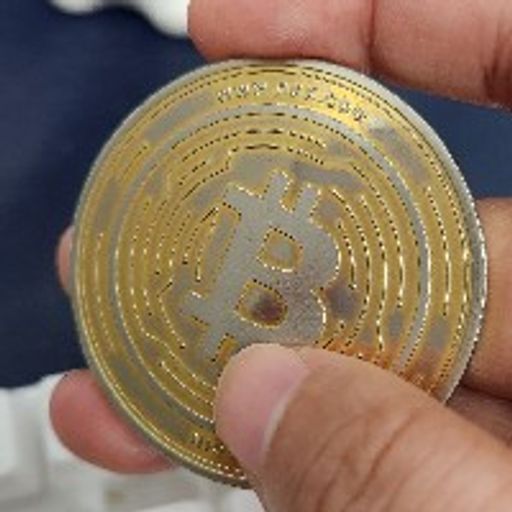
For the cryptocurrency market, this event reinforces the narrative of Bitcoin as a hedge against fiat currency policy risks. In this context, Bitcoin rebounded briefly above $92,000, reflecting renewed market recognition of its safe-haven properties as a “non-sovereign asset.”
Summary
The decline of the US Dollar Index to 98.89 appears to be a technical adjustment in the forex market, but in reality, it is the market pricing in a series of deep risks. The central bank independence storm is the immediate trigger, but underlying factors include reinforced rate cut expectations, rising geopolitical tensions, and ongoing de-dollarization by global central banks. The collective strengthening of non-US currencies, gold reaching a record high, and the surge in safe-haven assets all convey the same message: market confidence in the US dollar and the US financial system is waning. Short-term volatility may continue, but in the long run, the fate of the dollar’s credibility and the Federal Reserve’s independence will be key to future market directions.