
OpenClaw founder Peter Steinberger recently publicly criticized on the X platform that Tencent’s newly launched AI skills platform SkillHub systematically scraped all skill data from ClawHub and directly integrated it into their platform, without ever providing any support to the original project. Steinberger pointed out that this high-frequency scraping has caused server costs to soar into five figures in USD.
Event Timeline: The Scale and Origin of SkillHub’s Scraping of ClawHub
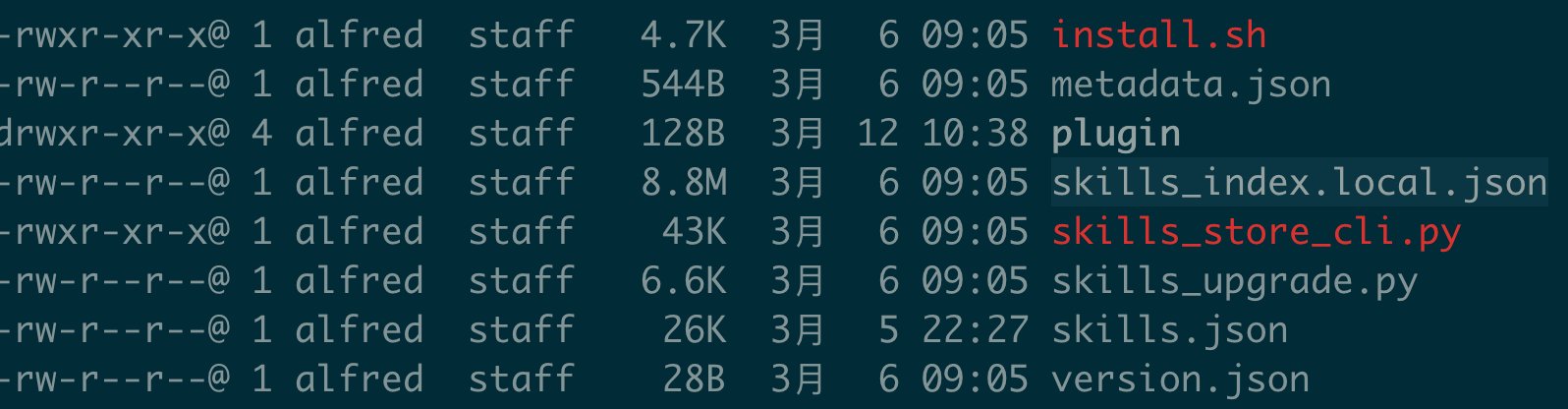
(Source: SnowShadow)
The controversy began when X user SnowShadow publicly revealed that Tencent’s new SkillHub platform had scraped and integrated all ClawHub skill data into their own platform. ClawHub is the official skill marketplace of the OpenClaw community, featuring a large collection of OpenClaw skills contributed by developers.
Steinberger responded to community feedback by revealing a key detail: he received complaints about rate limiting “affecting scraping speed,” implying that the scraper was dissatisfied with the rate limits set by OpenClaw and wanted it to be faster. This detail indicates a planned, large-scale systematic scraping rather than an accidental crawler.
Steinberger’s Core Demands and Public Stance
Steinberger’s public stance on this incident can be summarized as follows:
- Qualify as plagiarism and copying: He used terms like “copying/porting” to describe Tencent’s behavior, implying it constitutes unfair competition.
- Cost shifting issue: The high-frequency scraping caused ClawHub server costs to skyrocket into five figures USD, entirely borne by the OpenClaw project.
- Unequal utilization relationship: While Tencent benefits from ClawHub content, it has never provided any feedback or support to the original project.
- Direct appeal for help: He publicly called on Tencent’s official account on X to respond: “Don’t let my server costs rise into five figures!”
China Security Regulations and Tencent Cost Disputes
Meanwhile, OpenClaw is also facing regulatory pressure in the Chinese market. According to informed sources, recent internal notices have been sent to government agencies and state-owned enterprises, including large banks, prohibiting the installation of OpenClaw software on office devices for security reasons; some organizations even require employees to report any installed related applications for security review.
On the other hand, Tencent Cloud responded to the cost-related controversy. A widely circulated screenshot on social media shows a user facing a charge of up to 200 RMB after participating in Tencent’s charity installation event. Tencent Cloud clarified that OpenClaw itself is free to install, but when calling large language models (LLMs), token fees are incurred based on usage, which is the common practice for almost all AI agent tools today.
Frequently Asked Questions
Q: What are ClawHub and SkillHub?
ClawHub is the official skill marketplace of the OpenClaw community, hosting various skills contributed by developers; SkillHub is Tencent’s newly launched AI skill platform. The core of this controversy is that SkillHub is accused of systematically scraping all ClawHub skills and integrating them into its platform without providing any support to the original project.
Q: How did the server cost issue that Steinberger accused happen?
Steinberger pointed out that Tencent’s high-frequency bulk scraping caused enormous request pressure on ClawHub servers, leading to costs soaring into five figures USD, entirely borne by the OpenClaw project, not shared by Tencent. This is the main reason he publicly demanded Tencent to respond.
Q: Why are Chinese government agencies prohibiting the use of OpenClaw on office computers?
According to informed sources, internal notices issued to Chinese government agencies and state-owned enterprises cite “security considerations” as the reason for banning OpenClaw installation. Some organizations even require employees to report and possibly remove installed applications. Security concerns include OpenClaw’s extensive system permissions, potential vulnerabilities in default security configurations, and the risk of data potentially flowing overseas.
Disclaimer: The information on this page may come from third parties and does not represent the views or opinions of Gate. The content displayed on this page is for reference only and does not constitute any financial, investment, or legal advice. Gate does not guarantee the accuracy or completeness of the information and shall not be liable for any losses arising from the use of this information. Virtual asset investments carry high risks and are subject to significant price volatility. You may lose all of your invested principal. Please fully understand the relevant risks and make prudent decisions based on your own financial situation and risk tolerance. For details, please refer to
Disclaimer.


