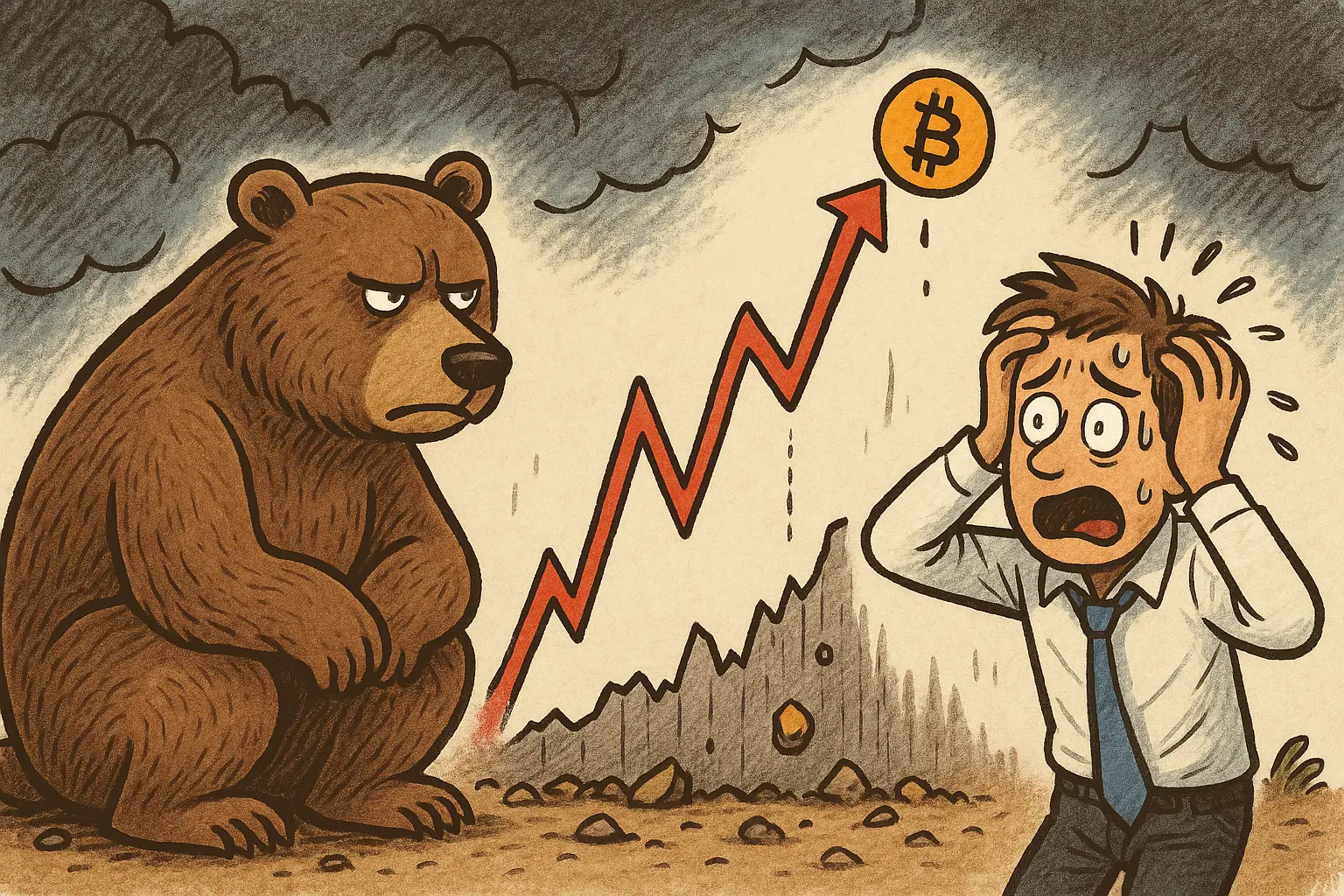
On-chain analysis firm CryptoQuant reported on Thursday that although Bitcoin briefly broke above $74,000, reaching a nearly one-month high and touching the 50-day Exponential Moving Average (EMA), its overall health indicator, the “Bull Market Score,” remains only at 10 out of 100. CryptoQuant clearly states that the current movement is more likely a false breakout rather than the start of a new bull market.
CryptoQuant Bull Market Score Analysis: What Does a Score of 10 Mean?
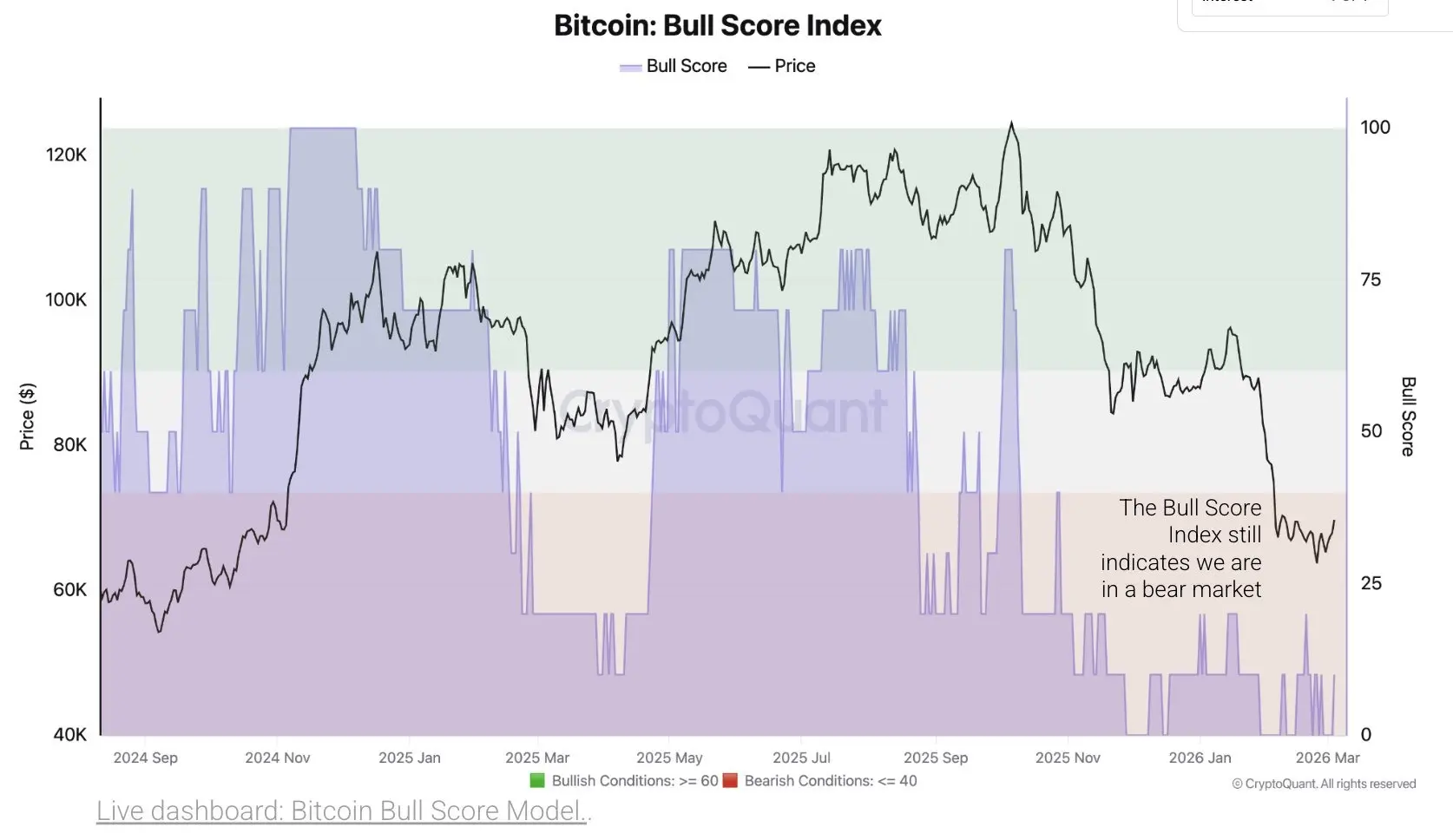 (Source: CryptoQuant)
CryptoQuant’s “Bull Market Score” is a comprehensive indicator that combines Bitcoin’s fundamental data (such as on-chain demand, holding structure, exchange fund flows) with technical indicators to assess the overall market health on a scale from 0 to 100. A score of 10 not only indicates a “deep bear market” but also suggests that most key indicators are pointing downward.
CryptoQuant emphasizes in its report: “Even after the recent price rebound, fundamental and technical indicators still point to a bearish environment.” This clearly implies that the current price increase is occurring on an unhealthy market foundation, lacking the structural momentum needed to sustain a rally.
Multiple Pressures Coexist: Why Is the Rebound Difficult to Sustain?
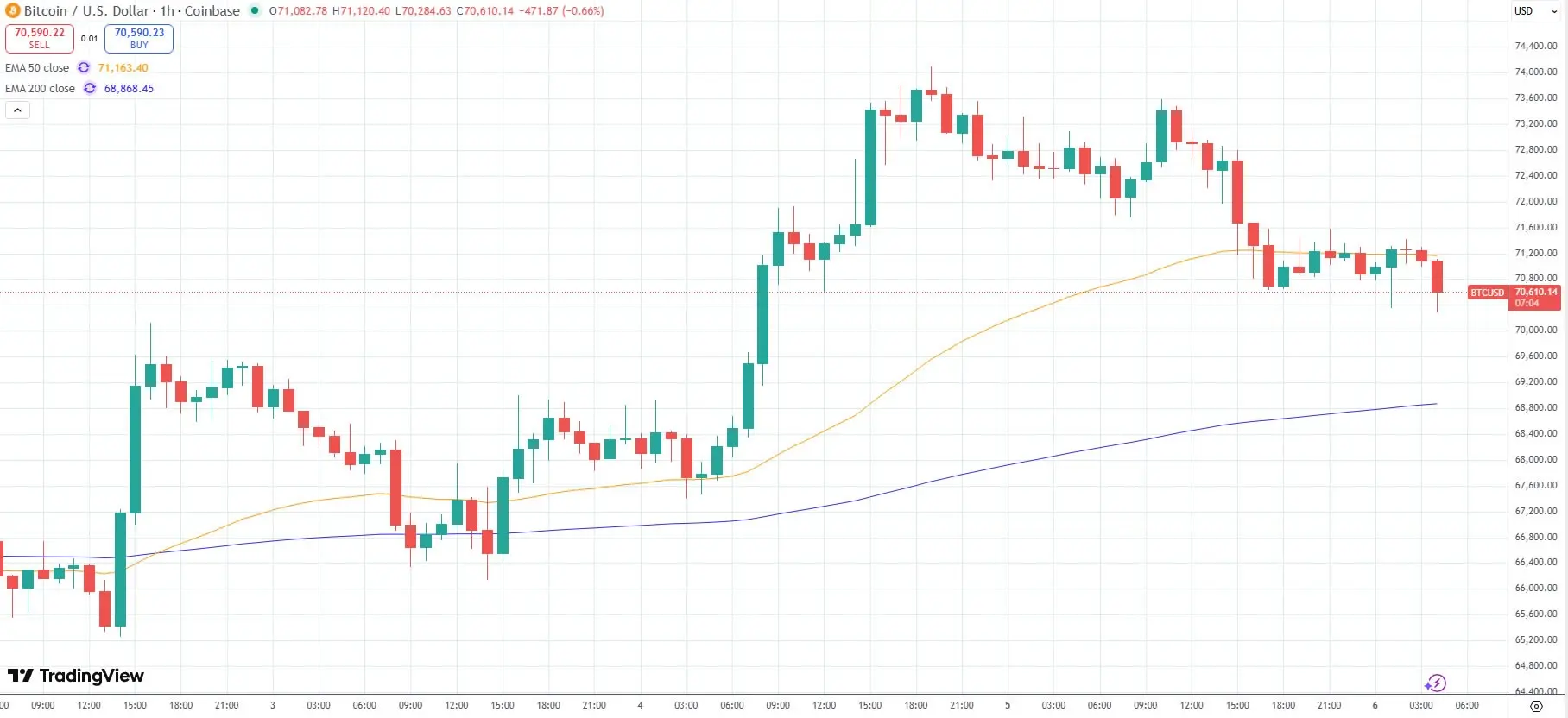 (Source: Trading View)
Nick Ruck, head of LVRG Research, told Cointelegraph that the recent Bitcoin rebound was driven by “risk appetite returning and ETF capital inflows,” but warned that this upward momentum “will soon face resistance, with prices falling back toward $71,000.” The main reasons include:
Persistent macro uncertainty: The global macro environment has not clearly shifted, and investors remain cautious, making it difficult to build confidence in holdings.
Weak employment data expectations: February non-farm payrolls are expected to slow, which is seen as a macro signal that could weaken market sentiment.
Diminishing momentum: The rapid decline from the $74,000 high indicates that current buying interest lacks sufficient support.
Bearish dynamics suppress sentiment: CryptoQuant points out that on-chain data’s fundamental signals have not yet shown signs of trend reversal.
Ruck summarized that although the short-term rally provides a breather, “the ongoing bearish dynamics intensify caution, making cryptocurrencies vulnerable to a new downward wave.”
Positive Signals: Coinbase Premium and Potential Turning Points in Momentum
Despite the dominant bearish outlook, the report also highlights some noteworthy reversal signals. The Coinbase Bitcoin premium has shifted from the “severe negative zone” in early February to the highest positive level since October 2025, indicating a turnaround in demand from US investors for spot Bitcoin, moving from contraction to growth.
CryptoQuant notes that, due to unrealized losses reaching their highest level since July 2022, selling pressure from traders and long-term holders has eased, suggesting some downside momentum is being absorbed. SwissBlock analysts also observed on Friday that “market momentum is showing a critical shift,” and pointed out that “we are emerging from a negative momentum peak, which historically often signals a change in trend.”
However, analysts generally agree that these signals are not yet sufficient to confirm a trend reversal, and the final confirmation of a bull market ending still depends on a substantial rebound in the CryptoQuant Bull Market Score.
Frequently Asked Questions
What does a CryptoQuant Bull Market Score of 10 mean for Bitcoin investors?
A score of 10 indicates that most on-chain fundamental and technical indicators for Bitcoin are pointing downward, and the overall market structure remains in a deep bear market. For investors, this means that before the score shows a clear rebound, any upward movement should be approached cautiously, avoiding interpreting short-term price increases as confirmation of a trend reversal.
What is the significance of Coinbase Bitcoin premium turning positive for the market?
A positive Coinbase premium (the difference between Coinbase’s Bitcoin price and prices on other exchanges) suggests increased buying interest from US institutional and retail investors. This shift is often seen as an early sign that US investors are actively accumulating Bitcoin, which could have leading implications for future price movements, but should be confirmed with other indicators.
What are the main criteria for concluding that Bitcoin’s bear market has ended?
According to CryptoQuant’s framework, ending a bear market requires multiple dimensions to improve simultaneously: a sustained rebound in the Bull Market Score (usually above 50), clear positive shifts in on-chain demand data, stable increases in institutional capital inflows, and a significant reduction in macroeconomic uncertainty. Currently, with a score of only 10, there is still considerable distance before a trend reversal can be confirmed.
Disclaimer: The information on this page may come from third parties and does not represent the views or opinions of Gate. The content displayed on this page is for reference only and does not constitute any financial, investment, or legal advice. Gate does not guarantee the accuracy or completeness of the information and shall not be liable for any losses arising from the use of this information. Virtual asset investments carry high risks and are subject to significant price volatility. You may lose all of your invested principal. Please fully understand the relevant risks and make prudent decisions based on your own financial situation and risk tolerance. For details, please refer to
Disclaimer.


