


multichain
What Is Multichain?
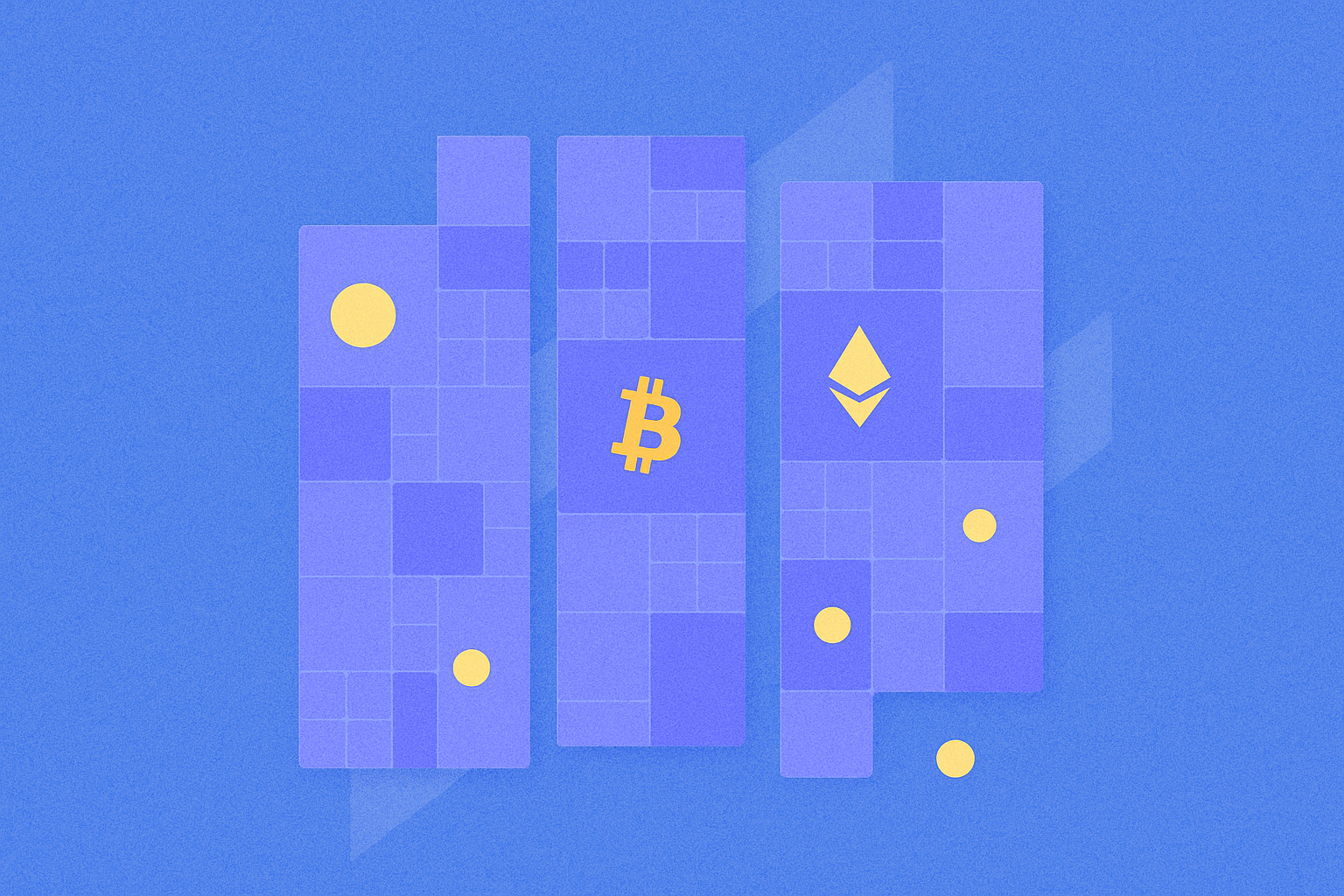
Multichain refers to an environment in the crypto space where multiple blockchains operate simultaneously. Assets and applications are distributed across different networks, and tools exist to facilitate movement between these chains. You can think of each blockchain as an independent city, each with its own rules and transaction fees.
In a multichain ecosystem, tokens like USDT may exist on Ethereum, TRON, Arbitrum, and other chains, each with separate contract addresses. When transferring or depositing tokens, users must confirm the correct destination chain—sending assets to the wrong chain is like delivering a package to the wrong city, which may result in failed receipt or require extra steps to recover.
Why Does Multichain Matter?
Multichain ecosystems are important because they determine which chain offers the most efficient and cost-effective use of assets, and influence whether applications can access broader user bases and liquidity. Choosing the right blockchain can directly reduce transaction fees and enhance user experience.
For users, multichain means the flexibility to conduct frequent transactions on low-fee chains while holding assets long-term on more secure chains. For applications, deploying on multiple chains expands reach but introduces additional maintenance costs and liquidity fragmentation. For the industry as a whole, multichain drives the development of interoperability technologies, gradually connecting separate blockchain ecosystems.
How Does Multichain Work?
Multichain operations rely on two main interoperability mechanisms: cross-chain bridges and cross-chain messaging channels. Cross-chain bridges act like freight routes between cities, moving assets from City A to City B. Cross-chain messaging channels function like courier services that deliver proof that a transaction has been completed on City A for verification in City B.
A typical cross-chain bridge approach is lock-and-mint: assets are locked on the source chain, while corresponding wrapped assets are minted on the destination chain. When assets are moved back, tokens on the destination chain are burned and those on the source chain are unlocked—ensuring supply consistency. Cross-chain messaging channels generate verifiable proofs on one chain, which are validated by contracts or services on another chain—much like verifying stamped documents between banks to confirm that an event truly occurred.
Different solutions make trade-offs between security, speed, and cost. Rollups that bundle transactions onto Layer 2 before submitting them to Ethereum usually rely on official bridges for secure cross-layer interoperability, although confirmation times can be longer. EVM-compatible chains that support Ethereum contracts often have third-party bridges for faster transfers, but their security models should be carefully evaluated.
What Is the Difference Between Multichain and Cross-Chain?
Multichain describes an ecosystem where “many blockchains exist in parallel”; cross-chain refers to the actions and technologies enabling movement or communication between those chains. While related, they are not the same.
For example, moving assets between Ethereum and Arbitrum is a cross-chain operation; deploying an application on Ethereum, BNB Chain, and Polygon simultaneously makes it a multichain application. Understanding this distinction helps users make informed decisions when selecting bridges or target networks.
How Is Multichain Used in DeFi?
In DeFi, the most direct use of multichain is to find the most cost-effective network for transactions and then bridge the results back to your preferred chain. Transaction fees and network congestion vary across chains, so choosing the right route can save substantial costs.
Practically speaking, you might swap tokens on a low-fee chain, then use an official or trusted bridge to transfer assets back to your primary chain for storage. For example, many users transfer USDT on TRON due to low fees, then move funds to Ethereum or Arbitrum for access to a wider range of applications.
On Gate’s deposit and withdrawal pages, you can select different networks for the same asset—the system displays each network’s fees and confirmation requirements. A common practice is to deposit funds to Gate using your chosen network, complete swaps within the platform, and withdraw to your target chain’s address—avoiding the risks and complexity of unfamiliar third-party bridges.
What Does Multichain Mean for Developers?
For developers, multichain deployment means broader user reach but increased operational complexity. Deploying across multiple chains allows access to different blockchain communities but requires managing multiple smart contracts, event logs, and monitoring systems.
Best practices include building a unified interface layer so frontends and backends can automatically switch RPC endpoints and contract addresses based on user-selected chains; using SDKs and tools that support multiple chains; maintaining an “authoritative state” on a core chain while syncing other chains periodically or assigning them specific functions to reduce consistency challenges. Developers must also consider liquidity fragmentation, potentially designing cross-chain settlement mechanisms or using official bridges to consolidate key assets on the main chain.
What Are Common Risks of Multichain?
Key risks associated with multichain usage include selecting the wrong deposit network, insecure bridges, fake token contract addresses, risks related to token approval and signing permissions, as well as operational errors due to differences in fees and confirmation times across chains.
Industry data shows that cross-chain security remains a major source of incidents, with most attacks targeting bridge validation logic or key management. On the user side, common losses result from sending assets to unsupported networks, inputting incorrect contract addresses, or granting high-level permissions on untrusted websites. Always verify official contract addresses, bridge URLs, and target network compatibility before using multichain solutions.
How Can Users Navigate Multichain Safely?
Follow these steps for safer multichain operations:
Step 1: Confirm your destination network. When choosing assets in your wallet or exchange interface, specify the receiving chain and record its address.
Step 2: Test with a small transfer. Send a small amount first to verify receipt and correct contract address before proceeding with larger transactions.
Step 3: Prioritize official bridges or trusted sources. For Ethereum and its Layer 2 assets, use official bridges; for third-party bridges, access links only from project websites and check recent security updates.
Step 4: Review supported networks and fees on Gate. Before depositing or withdrawing, select the network in Gate’s asset interface to check fees and confirmation times—adjust your route accordingly to reduce costs and wait times.
Step 5: Manage approvals and signatures. Regularly revoke unnecessary permissions in your wallet; always read prompts before signing to avoid granting high-level access to unknown sites.
What Are the Future Trends of Multichain?
The trend is shifting from isolated chains towards standardized interoperability. Increasingly, cross-chain messaging standards and services are being introduced so that blockchains can communicate as reliably as modular systems—making backend complexity invisible to users.
By the second half of 2024, the industry will continue advancing in areas like safer cross-chain validation, unified account experiences, and liquidity aggregation. Account abstraction and smarter wallets may soon make “chain selection” an automated background process—applications will route transactions along optimal paths based on intent. Shared security models and official bridges will further strengthen Layer 2–mainnet connections; cross-ecosystem messaging channels will make “multichain deployment” feel more like calling modules within a single network.
How to Summarize Multichain?
Multichain is now a norm in crypto: multiple blockchains operate concurrently with assets and applications distributed among them, interconnected by bridges and messaging channels. For users, learning to verify networks, test with small transfers, and choose trusted bridges can help minimize costs and risks. For developers, well-designed multichain architecture balances coverage with maintainability. As interoperability technology matures, multichain will increasingly resemble an interconnected system rather than isolated silos.
FAQ
How can I conveniently manage assets spread across multiple chains?
You can use a multichain wallet or trading platform (such as Gate) for unified asset management. These platforms let you view and operate assets across different blockchains from a single interface—reducing the need for frequent network switching. It’s best to start with small test transactions until you’re comfortable with cross-chain workflows.
Why are some tokens only available on specific chains?
Project teams choose which blockchains to deploy on based on market demand and strategic goals. Projects are more likely to launch on chains with larger user bases and active ecosystems; less popular or technically complex chains may not be prioritized. Typically, mainstream blockchains are favored due to lower cross-chain deployment costs.
Are multichain wallets as safe as single-chain wallets?
Security depends on the wallet’s technical implementation—not how many blockchains it supports. Well-known multichain wallets (like MetaMask or Gate Wallet) undergo audits and serve large user bases, often making them more secure. The key is to use reputable products, safeguard your private keys, and avoid unofficial wallet versions.
What should I pay attention to when transferring assets between chains?
First, ensure the receiving address supports your chosen blockchain—otherwise your assets may be lost. Next, understand cross-chain bridge fees and timing—these can vary widely between solutions. Finally, verify bridge contract security; prioritize official or audited options. Small test transfers can help you avoid major risks.
Which blockchain is best for beginners to experience the multichain ecosystem?
Ethereum or Polygon are recommended starting points—their ecosystems are mature, with abundant applications and comprehensive documentation. Once you’re familiar with basic operations and risks, try exploring other blockchains. Platforms like Gate make it easy to switch between different chains for hands-on experience.
Related Articles

The Future of Cross-Chain Bridges: Full-Chain Interoperability Becomes Inevitable, Liquidity Bridges Will Decline

Solana Need L2s And Appchains?
