Within the blockchain space, meme projects are increasingly driven by internet culture and trending content rather than pure technology. When a narrative gains momentum and achieves community consensus, it can be transformed into an on-chain asset, entering active trading and circulation.
This transformation involves three main stages: the creation of a narrative, its spread within the community, and assetization. Together, these elements define how meme projects evolve from simple content to tradable assets.
What Is Lobster?
Lobster is a meme asset—a BEP-20 token issued on-chain. Its fundamental value lies not in technical functionality but in the community’s shared narrative.
Technically, Lobster uses smart contracts to manage ownership and enable transfers and trades on BNB Chain. Unlike utility tokens, its structure is simple and avoids complex logic.
From an architectural perspective, Lobster operates at the application layer, depending on underlying networks and trading infrastructure, yet its value is primarily driven by off-chain content and community engagement. This makes it more a vessel for cultural expression than a piece of technical infrastructure.
This asset type is significant because it illustrates how blockchain merges with internet culture, turning abstract stories into tradable digital objects.
The Origins of the “Raising Lobster” Narrative: OpenClaw and AI Content
The “raising lobster” narrative emerged from advances in AI-generated content, where automated creation and social media sharing gave rise to ongoing discussion. OpenClaw and similar platforms amplified this narrative, transforming it from a single idea into a collective movement.
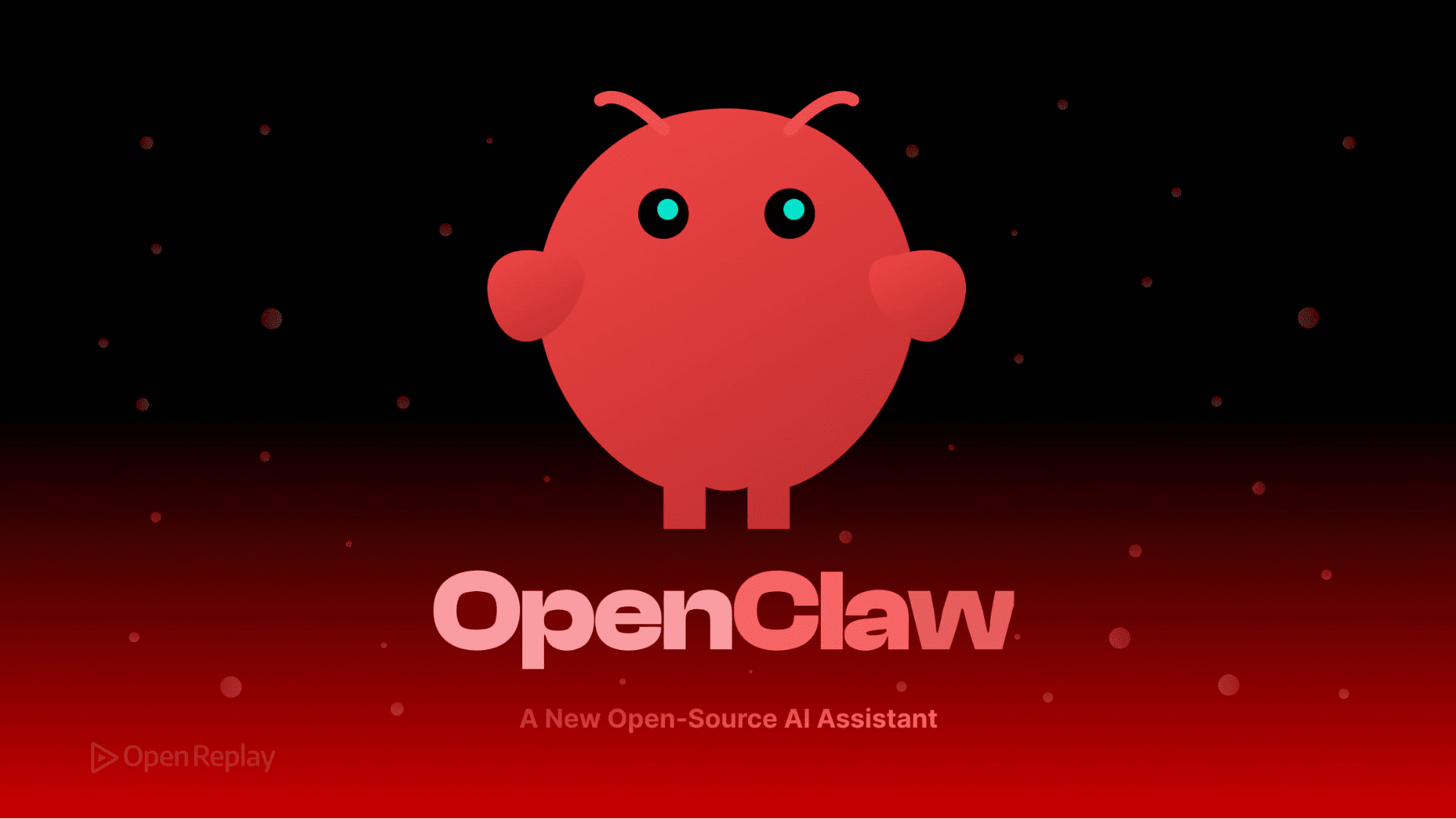
AI tools continuously generate relevant content, reducing distribution costs and increasing information density. This high-frequency output ensures persistent exposure for the narrative.
Narrative formation is decentralized—built collaboratively by many participants, not driven by a single entity. This structure allows memes to spread rapidly through the community.
AI is not just a tool; it’s the core engine behind narrative generation, allowing meme projects to capture attention much faster.
The path from trending topic to digital asset includes content propagation, consensus formation, and tokenization. As soon as "raising lobster" takes hold, the community seeks to map it onto the blockchain, expressing its value as a tradable asset.
This is realized by deploying a token contract that turns a once-abstract idea into a unit that can be held and traded.
Tokenizing the narrative doesn’t alter its essence, but provides a new medium for market entry. This mapping is a defining feature of meme projects.
Ultimately, this transition gives internet culture the attributes of an asset, fundamentally changing its modes of distribution and participation.
Lobster’s Place in the BNB Chain Meme Ecosystem
On BNB Chain, meme projects thrive thanks to low trading fees and a highly engaged user base. Lobster is a community-driven example within this ecosystem.
BSC enables fast, low-cost transactions, allowing meme assets to change hands frequently and encouraging active participation.
Lobster, alongside other meme tokens, comprises the application layer, connecting users through both trading and viral spread.
This position means that project growth depends more on community engagement than technical innovation.
How Community Spread Fuels Interest and Adoption of Lobster
Community-driven communication is key to Lobster’s influence. Social media, discussions, and interactive engagement continually reinforce the narrative.
Dissemination relies on network effects—the more participants, the quicker the information spreads. This dynamic lets meme projects gain rapid visibility.
The process is interactive, not one-way; community engagement is central to value creation.
As a result, meme projects’ core strengths are speed and efficiency of spread, not technical complexity.
How to Use Lobster: The Path from Holding to Trading
Lobster is designed for holding and trading. Users store tokens in their wallets and swap them on decentralized exchanges.
Trades usually occur via liquidity pools, with market supply and demand determining price. Each user’s actions directly impact asset liquidity.
This user flow is straightforward and doesn’t require complex interactions, making Lobster ideal for trading purposes.
This structure empowers users to participate directly in market activity and asset circulation.
How Lobster Differs from Other Meme Projects
Lobster sets itself apart through its origin and method of dissemination. The table below highlights the key differences:
| Dimension |
Lobster |
Common Meme Projects |
| Narrative Source |
AI content-driven |
Community culture-driven |
| Dissemination |
AI + Community |
Primarily community |
| Asset Generation |
Narrative mapping |
Project-based |
| Participation |
Content + Trading |
Predominantly trading |
| Spread Speed |
Faster |
Community growth-dependent |
This comparison shows that Lobster’s growth is fueled by AI-generated content, while traditional meme tokens rely more on organic community spread. These differences affect both their development pace and modes of participation.
Understanding Lobster’s Features and Common Misconceptions
Lobster stands out for its strong narrative focus, clear dissemination path, and low entry barrier, which enable rapid user adoption.
Its limitations are equally clear—namely, a lack of functional utility and limited application scenarios.
Common misconceptions include viewing Lobster as a technical project or assuming its value comes from underlying mechanisms. In truth, narrative and consensus are the real value drivers.
Recognizing these qualities helps clarify the nature of meme assets and distinguish them from other projects.
Summary
Lobster is a meme asset driven by AI-generated content. Its journey from narrative to on-chain tokenization represents a new frontier in the fusion of digital culture and blockchain technology.
FAQ
Is Lobster a utility token? No. Its value comes from narrative and community engagement.
What is AI’s role in Lobster? AI is used to generate content and drive dissemination.
How does Lobster become an on-chain asset? By deploying a token contract that maps the narrative into a tradable asset.
Where does Lobster’s value come from? Community consensus and dissemination activities.
Are all meme projects like Lobster? No—different projects have distinct narrative sources and dissemination strategies.