🚨 𝐁𝐀𝐍𝐊𝐒 𝐕𝐒 𝐂𝐑𝐘𝐏𝐓𝐎 — 𝐒𝐓𝐀𝐁𝐋𝐄𝐂𝐎𝐈𝐍 𝐖𝐀𝐑 𝐈𝐍𝐓𝐄𝐍𝐒𝐈𝐅𝐈𝐄𝐒
The latest pushback from U.S. banking groups shows one thing clearly:
👉 The battle over stablecoin yield is far from over.
Let’s break this down like an analyst 👇
🔶 𝐖𝐇𝐀𝐓 𝐉𝐔𝐒𝐓 𝐂𝐇𝐀𝐍𝐆𝐄𝐃?
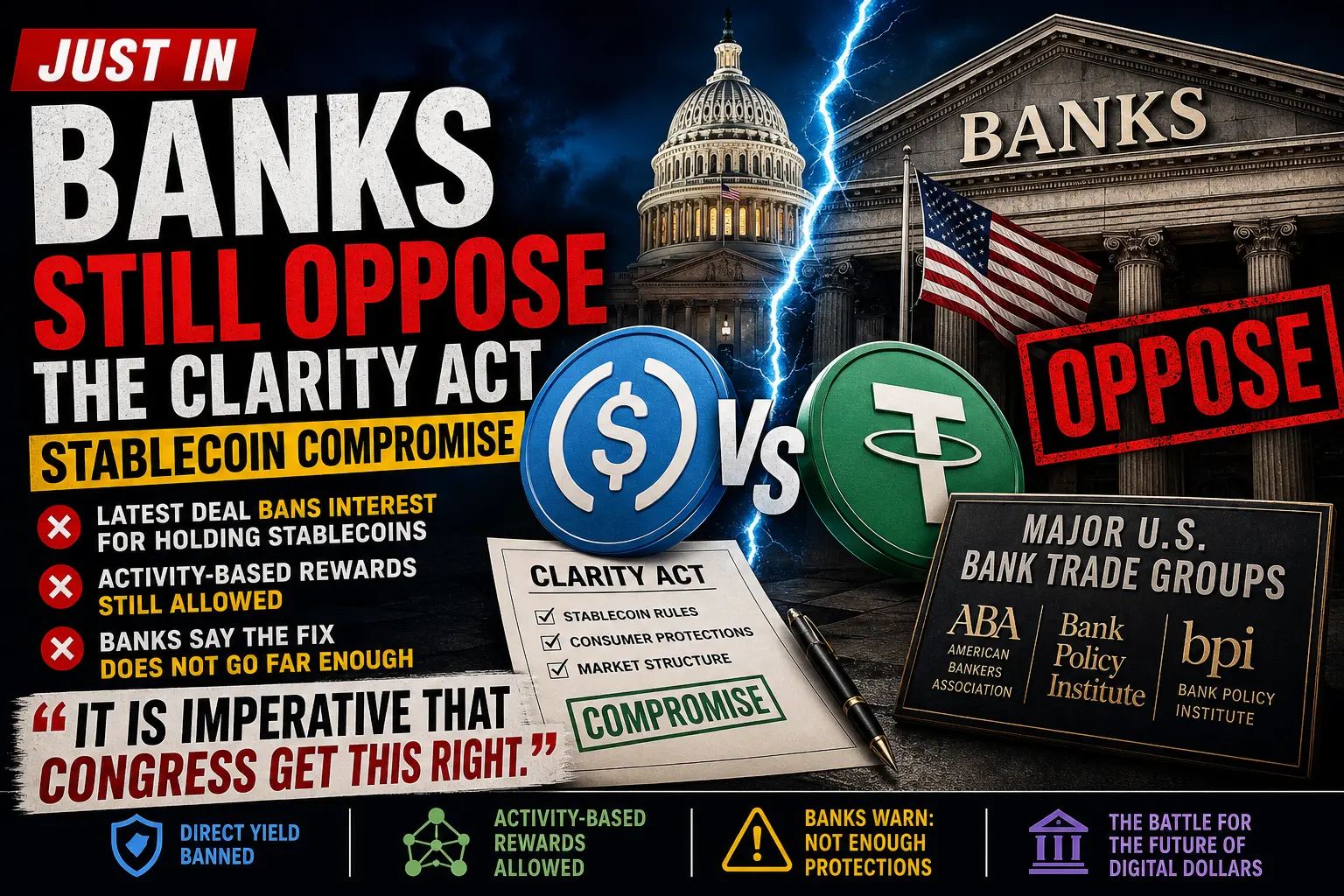
Under the proposed compromise in the Digital Asset Market Clarity Act:
🔶 Direct yield (interest for simply holding stablecoins) → BANNED
🔶 Activity-based rewards (DeFi usage, transactions, staking-like behavior) → ALLOWED
👉 This is a middle-ground model — not a full win for crypto, not full control for banks.
🔶 𝐖𝐇𝐘 𝐁𝐀𝐍𝐊𝐒 𝐀𝐑𝐄 𝐒𝐓𝐈𝐋𝐋 𝐔𝐍𝐇𝐀𝐏𝐏𝐘
Major U.S. banking groups are signaling that even this compromise is not enough:
🔶 They want stricter limits on stablecoin incentives
🔶 Fear that “activity-based rewards” = backdoor yield
🔶 Concern over deposit flight from traditional banks
🔶 Regulatory imbalance between banks vs crypto firms
👉 Translation:
Banks see this as crypto slowly replicating the banking model — without banking rules
🔶 𝐖𝐇𝐀𝐓 𝐓𝐇𝐄 𝐏𝐎𝐋𝐈𝐂𝐘𝐌𝐀𝐊𝐄𝐑𝐒 𝐀𝐑𝐄 𝐃𝐎𝐈𝐍𝐆
Earlier, Thom Tillis and Angela Alsobrooks signaled:
🔶 The compromise is likely FINAL
🔶 Banking criticism is acknowledged — but not decisive
🔶 Lawmakers are prioritizing innovation + control balance
👉 Their stance:
“We respectfully agree to disagree.”
🔶 𝐖𝐇𝐀𝐓 “𝐀𝐂𝐓𝐈𝐕𝐈𝐓𝐘-𝐁𝐀𝐒𝐄𝐃 𝐑𝐄𝐖𝐀𝐑𝐃𝐒” 𝐑𝐄𝐀𝐋𝐋𝐘 𝐌𝐄𝐀𝐍
This is the key loophole (or innovation, depending on perspective):
🔶 Rewards for using stablecoins in protocols
🔶 Incentives for liquidity provision
🔶 Cashback-like or transaction-based benefits
🔶 DeFi integrations that mimic yield indirectly
👉 Important:
This keeps DeFi alive, even with a direct yield ban.
🔶 𝐌𝐀𝐑𝐊𝐄𝐓 𝐈𝐌𝐏𝐋𝐈𝐂𝐀𝐓𝐈𝐎𝐍𝐒
This compromise creates a new financial structure:
🔶 Stablecoins remain competitive vs bank deposits
🔶 DeFi protocols gain importance
🔶 Centralized “interest accounts” may decline
🔶 Regulatory clarity improves institutional confidence
👉 But also:
🔶 Ongoing lobbying pressure from banks
🔶 Risk of future tightening or amendments
🔶 Uncertainty in how regulators interpret “activity-based rewards”
🔶 𝐓𝐑𝐀𝐃𝐈𝐍𝐆 𝐇𝐄𝐈𝐆𝐇𝐓𝐒™ 𝐕𝐄𝐑𝐃𝐈𝐂𝐓
This is not a victory for one side — it’s a strategic compromise shaping the next phase of crypto finance.
🔶 Direct yield ban = short-term limitation
🔶 Activity rewards = long-term innovation gateway
🔶 Banks resisting = validation of real disruption
👉 Key insight:
The system is evolving toward “regulated DeFi” instead of banned DeFi
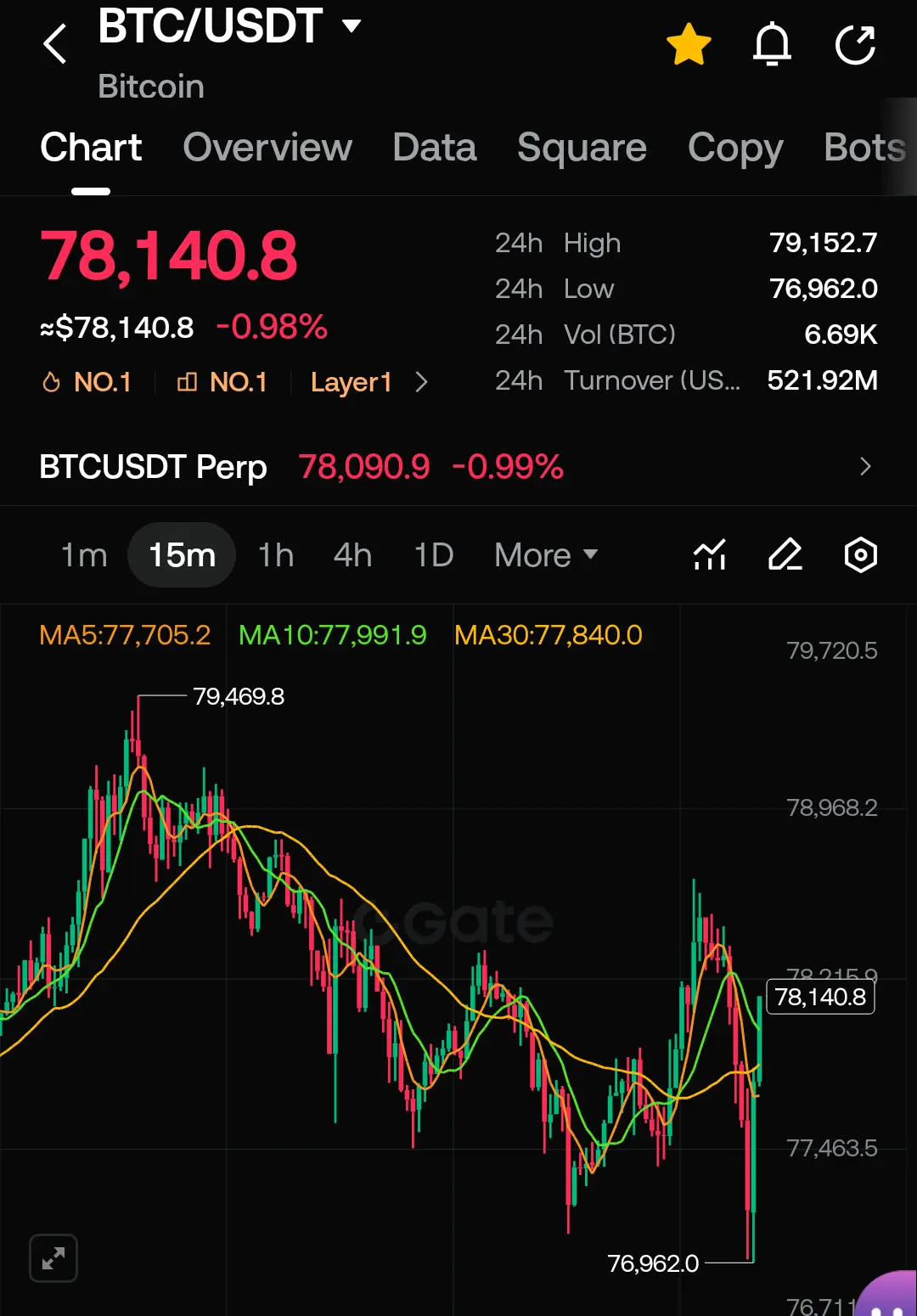
$BTC
The latest pushback from U.S. banking groups shows one thing clearly:
👉 The battle over stablecoin yield is far from over.
Let’s break this down like an analyst 👇
🔶 𝐖𝐇𝐀𝐓 𝐉𝐔𝐒𝐓 𝐂𝐇𝐀𝐍𝐆𝐄𝐃?
Under the proposed compromise in the Digital Asset Market Clarity Act:
🔶 Direct yield (interest for simply holding stablecoins) → BANNED
🔶 Activity-based rewards (DeFi usage, transactions, staking-like behavior) → ALLOWED
👉 This is a middle-ground model — not a full win for crypto, not full control for banks.
🔶 𝐖𝐇𝐘 𝐁𝐀𝐍𝐊𝐒 𝐀𝐑𝐄 𝐒𝐓𝐈𝐋𝐋 𝐔𝐍𝐇𝐀𝐏𝐏𝐘
Major U.S. banking groups are signaling that even this compromise is not enough:
🔶 They want stricter limits on stablecoin incentives
🔶 Fear that “activity-based rewards” = backdoor yield
🔶 Concern over deposit flight from traditional banks
🔶 Regulatory imbalance between banks vs crypto firms
👉 Translation:
Banks see this as crypto slowly replicating the banking model — without banking rules
🔶 𝐖𝐇𝐀𝐓 𝐓𝐇𝐄 𝐏𝐎𝐋𝐈𝐂𝐘𝐌𝐀𝐊𝐄𝐑𝐒 𝐀𝐑𝐄 𝐃𝐎𝐈𝐍𝐆
Earlier, Thom Tillis and Angela Alsobrooks signaled:
🔶 The compromise is likely FINAL
🔶 Banking criticism is acknowledged — but not decisive
🔶 Lawmakers are prioritizing innovation + control balance
👉 Their stance:
“We respectfully agree to disagree.”
🔶 𝐖𝐇𝐀𝐓 “𝐀𝐂𝐓𝐈𝐕𝐈𝐓𝐘-𝐁𝐀𝐒𝐄𝐃 𝐑𝐄𝐖𝐀𝐑𝐃𝐒” 𝐑𝐄𝐀𝐋𝐋𝐘 𝐌𝐄𝐀𝐍
This is the key loophole (or innovation, depending on perspective):
🔶 Rewards for using stablecoins in protocols
🔶 Incentives for liquidity provision
🔶 Cashback-like or transaction-based benefits
🔶 DeFi integrations that mimic yield indirectly
👉 Important:
This keeps DeFi alive, even with a direct yield ban.
🔶 𝐌𝐀𝐑𝐊𝐄𝐓 𝐈𝐌𝐏𝐋𝐈𝐂𝐀𝐓𝐈𝐎𝐍𝐒
This compromise creates a new financial structure:
🔶 Stablecoins remain competitive vs bank deposits
🔶 DeFi protocols gain importance
🔶 Centralized “interest accounts” may decline
🔶 Regulatory clarity improves institutional confidence
👉 But also:
🔶 Ongoing lobbying pressure from banks
🔶 Risk of future tightening or amendments
🔶 Uncertainty in how regulators interpret “activity-based rewards”
🔶 𝐓𝐑𝐀𝐃𝐈𝐍𝐆 𝐇𝐄𝐈𝐆𝐇𝐓𝐒™ 𝐕𝐄𝐑𝐃𝐈𝐂𝐓
This is not a victory for one side — it’s a strategic compromise shaping the next phase of crypto finance.
🔶 Direct yield ban = short-term limitation
🔶 Activity rewards = long-term innovation gateway
🔶 Banks resisting = validation of real disruption
👉 Key insight:
The system is evolving toward “regulated DeFi” instead of banned DeFi
$BTC