

Trade
Basic
Futures
Futures
Hundreds of contracts settled in USDT or BTC
TradFi
Gold
Trade global traditional assets with USDT in one place
Options
Hot
Trade European-style vanilla options
Unified Account
Maximize your capital efficiency
Demo Trading
Futures Kickoff
Get prepared for your futures trading
Futures Events
Participate in events to win generous rewards
Demo Trading
Use virtual funds to experience risk-free trading
Earn
Launch
CandyDrop
Collect candies to earn airdrops
Launchpool
Quick staking, earn potential new tokens
HODLer Airdrop
Hold GT and get massive airdrops for free
Launchpad
Be early to the next big token project
Alpha Points
Trade on-chain assets and enjoy airdrop rewards!
Futures Points
Earn futures points and claim airdrop rewards
Investment
Simple Earn
Earn interests with idle tokens
Auto-Invest
Auto-invest on a regular basis
Dual Investment
Buy low and sell high to take profits from price fluctuations
Soft Staking
Earn rewards with flexible staking
Crypto Loan
0 Fees
Pledge one crypto to borrow another
Lending Center
One-stop lending hub
VIP Wealth Hub
Customized wealth management empowers your assets growth
Private Wealth Management
Customized asset management to grow your digital assets
Quant Fund
Top asset management team helps you profit without hassle
Staking
Stake cryptos to earn in PoS products
Smart Leverage
New
No forced liquidation before maturity, worry-free leveraged gains
GUSD Minting
Use USDT/USDC to mint GUSD for treasury-level yields

More



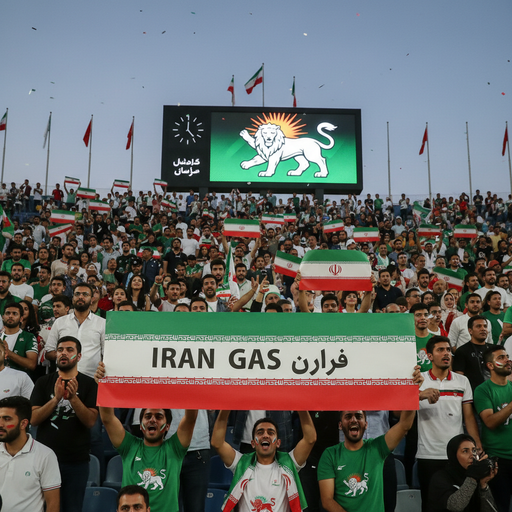

US strikes on Iran: What it means for Africa and Nigeria’s economy
On February 28, 2026, the US launched what it termed Operation Epic Fury, an attack in the Republic of Iran.
While the effect of the escalation is still unfolding, it is important to examine what this action means for the global economy, with special reference to Africa and Nigeria.
The US strikes on Iran are important because Iran is a major exporter of crude oil and also because it has operational control over the Straits of Hormuz, a body of water that connects the Persian Gulf with the Gulf of Oman and the Arabian Sea.
MoreStories
Nigeria’s Business Confidence Index hits record 117.2 points in February 2026
March 4, 2026
FG bans cash tax collection, outlaws roadblocks under new tax rules
March 4, 2026
This body of water controls approximately 20% of the world’s maritime shipment of petroleum liquids. Following the attacks in Iran, the straits have officially been closed.
**Immediate impact **
The immediate implication is that the price of transporting crude oil from the Middle East will increase, leading to a spike in energy prices.
**Impacts on Africa and Nigeria **
So how will a hike in prices in China and oil markets affect the economies of Africa and Nigeria?
It is important to understand that most major economies in Africa, namely South Africa, Kenya, and Ethiopia, are net importers of energy. Nigeria also imports crude oil for the Dangote refinery as well as PMS for domestic usage.
Foreign direct investment does not respond well to uncertainty, so we could see a pullback or delay in committed investment from the West as markets assess the full impact of the war. Nations like Kenya and South Africa, which have been attracting significant FDI interest, could see this risk play out.
**The positives **
There will, however, be some positives. Angola, for one, will see its role as one of China’s most reliable oil suppliers grow in prominence. The same applies to Libya.
Since 2018, the NNPC has executed multiple crude sale agreements totalling $21.56 billion in 11 deals, including Project Leopard and Project Gazelle II. While these projects brought instant liquidity to Nigeria, they committed future production to be supplied to lenders.
This means Dangote and other importers of PMS will have to import higher-cost crude oil and PMS for local use. With no PMS subsidy in place, this may not directly affect the budget deficit, but it will be inflationary. A higher cost of energy will also dampen consumption.
Add Nairametrics on Google News
Follow us for Breaking News and Market Intelligence.