

Trade
Basic
Futures
Futures
Hundreds of contracts settled in USDT or BTC
TradFi
Gold
Trade global traditional assets with USDT in one place
Options
Hot
Trade European-style vanilla options
Unified Account
Maximize your capital efficiency
Demo Trading
Futures Kickoff
Get prepared for your futures trading
Futures Events
Participate in events to win generous rewards
Demo Trading
Use virtual funds to experience risk-free trading
Earn
Launch
CandyDrop
Collect candies to earn airdrops
Launchpool
Quick staking, earn potential new tokens
HODLer Airdrop
Hold GT and get massive airdrops for free
Launchpad
Be early to the next big token project
Alpha Points
New
Trade on-chain assets and enjoy airdrop rewards!
Futures Points
New
Earn futures points and claim airdrop rewards
Investment
Simple Earn
Earn interests with idle tokens
Auto-Invest
Auto-invest on a regular basis
Dual Investment
Buy low and sell high to take profits from price fluctuations
Soft Staking
Earn rewards with flexible staking
Crypto Loan
0 Fees
Pledge one crypto to borrow another
Lending Center
One-stop lending hub
VIP Wealth Hub
Customized wealth management empowers your assets growth
Private Wealth Management
Customized asset management to grow your digital assets
Quant Fund
Top asset management team helps you profit without hassle
Staking
Stake cryptos to earn in PoS products
Smart Leverage
New
No forced liquidation before maturity, worry-free leveraged gains
GUSD Minting
Use USDT/USDC to mint GUSD for treasury-level yields

More


Trending Topics
View More33.6K Popularity
44.3K Popularity
360.6K Popularity
37.37K Popularity
55.53K Popularity


Pin
#MiddleEastTensionsEscalate #MiddleEastTensionsEscalate
The Middle East is once again stepping into a defining moment and this time, the ripple effects are expected to stretch far beyond regional borders. As geopolitical tensions continue to rise, the world is watching closely, knowing that every development carries consequences for global markets, energy prices, trade routes, and investor sentiment. What we are witnessing isn’t just another short-term conflict headline — it’s part of a larger reshaping of international power dynamics.
Looking ahead, analysts believe the coming months could mark a critical turning point. Diplomatic efforts may intensify, but so will strategic positioning by major global players. Oil-producing nations could adjust supply policies, shipping corridors may face new security challenges, and emerging markets could experience increased volatility. Historically, periods like these have triggered sharp movements across commodities, currencies, and risk assets — and this time is no different.
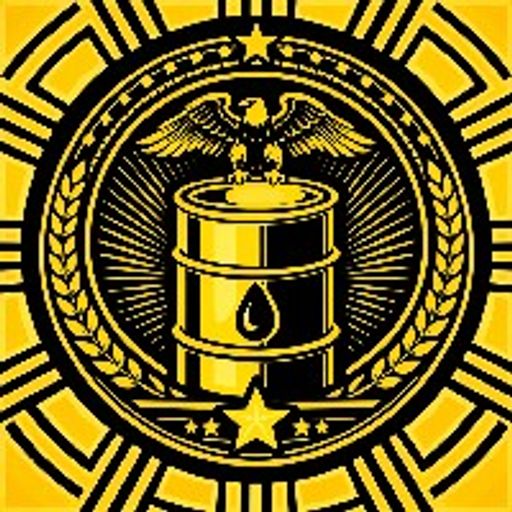
Energy markets are expected to feel the pressure first. Any disruption in key supply routes could push crude prices higher, which in turn would fuel inflation across multiple economies. Higher fuel costs mean rising transportation expenses, increased manufacturing costs, and ultimately higher prices for everyday consumers. Central banks may be forced to maintain tighter monetary policies longer than anticipated, slowing global growth while attempting to contain inflation.
Financial markets are also preparing for turbulence. Investors typically rotate toward safe-haven assets during geopolitical uncertainty — gold, the US dollar, and government bonds often see increased demand. At the same time, risk assets like equities and crypto can experience sharp swings as traders react to breaking news. However, seasoned investors understand that volatility also creates opportunity. Smart money often accumulates quality assets during fear-driven pullbacks, positioning for long-term gains once stability returns.
For the crypto sector, this period could become another major stress test. Decentralized assets were built for moments of uncertainty, offering an alternative to traditional financial systems. If regional instability expands, we may see renewed interest in blockchain-based solutions, cross-border payments, and digital stores of value. History shows that global crises often accelerate technological adoption — and crypto could once again find itself at the center of that shift.
Beyond markets, the human impact remains the most important factor. Rising tensions bring humanitarian concerns, displacement risks, and social instability. International organizations and neighboring countries will likely face increasing pressure to provide aid and support, while diplomatic channels work overtime to prevent further escalation.
Looking into the future, one thing is clear: the Middle East situation will influence global narratives throughout the year. Governments, corporations, and investors must stay adaptive, informed, and strategic. This is not a moment for emotional decisions it’s a time for patience, risk management, and forward planning.
The world is entering a phase where geopolitics and economics are deeply intertwined. Those who understand this connection and prepare accordingly will be better positioned to navigate whatever comes next.
Stay alert. Stay educated. The future is being shaped in real time.