Что такое Sandwich-атака?
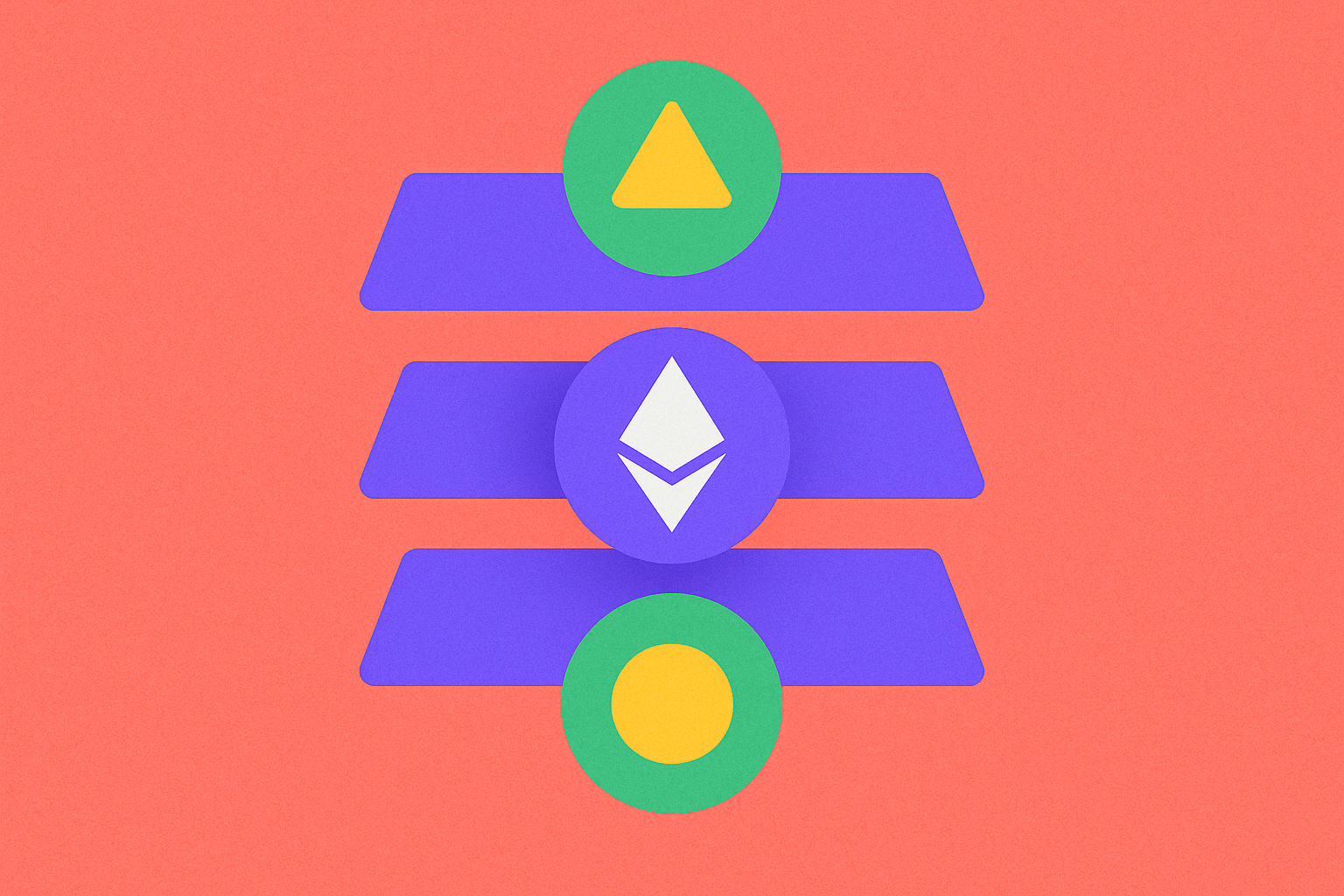
Sandwich-атака — это стратегия, при которой боты извлекают прибыль из вашей сделки, размещая собственные транзакции до и после вашей, чтобы заработать на проскальзывании.
Этот тип атаки относится к Maximal Extractable Value (MEV): валидаторы или поисковики получают дополнительную прибыль, изменяя порядок транзакций в блоке. Sandwich-атаки чаще всего встречаются в пулах автоматических маркет-мейкеров (AMM), например Uniswap, где цены токенов рассчитываются алгоритмом и обновляются в реальном времени после каждой сделки.
Когда бот обнаруживает вашу ожидающую транзакцию, он сначала отправляет сделку front-running, чтобы изменить цену против вас — ваш обмен проходит по менее выгодному курсу. После исполнения вашей заявки бот сразу совершает back-running, возвращая цену к прежнему уровню и фиксируя прибыль. Главный источник дохода атакующего — ваше допустимое проскальзывание, то есть диапазон отклонения цены, который вы готовы принять.
Зачем знать о Sandwich-атаках?
Sandwich-атаки могут существенно повысить ваши торговые издержки и привести к менее выгодным результатам, чем ожидалось.
Для обычных пользователей основной признак — обычный обмен исполняется по гораздо менее выгодной цене, чем ожидалось, а в истории транзакций вашу операцию окружают две крупные сделки. Чем меньше сумма сделки или шире допустимое проскальзывание, тем выше вероятность стать целью атаки.
Для маркет-мейкеров и команд проектов Sandwich-атаки вызывают резкие ценовые скачки во время запусков токенов или маркетинговых событий, размывают реальные заявки на покупку и влияют на цены и пользовательский опыт.
Понимание механизма Sandwich-атак позволяет выбирать оптимальные способы и время для сделок, снижая потери. Это также помогает командам разрабатывать более устойчивые к MEV маршруты и параметры.
Как работает Sandwich-атака?
Sandwich-атака приносит прибыль за счет последовательности "купить-продать" или "продать-купить" вокруг вашей транзакции.
Шаг 1. Поисковик замечает вашу ожидающую сделку в mempool. Допустим, вы меняете 1 000 USDC на токен X с проскальзыванием 1%.
Шаг 2. Поисковик отправляет front-run — покупает токен X, чтобы поднять цену в пуле. Так как AMM рассчитывает цены по формулам, ваша ожидаемая цена исполнения ухудшается после этой сделки.
Шаг 3. Ваша сделка исполняется по менее выгодной цене. Если установленное проскальзывание 1% не превышено, система обрабатывает заявку, и вы получаете меньше токенов X по более высокой цене.
Шаг 4. Поисковик сразу совершает back-run — продаёт ранее купленные токены X обратно в пул, возвращая цену к исходному уровню. Прибыль формируется за счет разницы, созданной вашим окном проскальзывания. Основные риски для атакующего — резкие движения рынка и неудачные транзакции (расходы на gas).
Sandwich-атаки чаще и выгоднее происходят при высоком проскальзывании, использовании публичных RPC-эндпоинтов или торговле волатильными токенами в периоды пиков активности. Лимитные заявки, приватные транзакции или защищённые маршруты затрудняют поисковикам обнаружение и изменение порядка вашей сделки.
Как проявляются Sandwich-атаки в криптоиндустрии?
Sandwich-атаки распространены в основной сети Ethereum и L2-пулах AMM, особенно в периоды высокой волатильности и событий.
В популярных AMM-пулах, таких как Uniswap, характерный признак — две крупные сделки подряд вокруг вашего обмена, особенно при листинге новых токенов, активности инфлюенсеров или важных on-chain новостях и ожидании airdrop. В блокчейн-эксплорерах часто видно, что ваша сделка "зажата" между двумя крупными транзакциями.
При использовании Web3-кошелька Gate для агрегированных обменов через публичные RPC с высоким проскальзыванием по волатильным токенам вы также подвержены риску Sandwich-атаки. Наоборот, на централизованной бирже Gate (CEX) сделки по спотовой книге заявок исполняются по приоритету времени и цены и не видны в публичных mempool — Sandwich-атаки практически невозможны, хотя другие издержки и проскальзывание (например, рыночное воздействие) сохраняются.
На L2 (Arbitrum, Optimism) и других EVM-сетях (BSC, Polygon) низкие комиссии позволяют поисковикам совершать больше Sandwich-атак в масштабе, но прибыль с одной сделки ниже и зависит от высокой частоты и оптимизации маршрутов.
Как снизить риск Sandwich-атак?
Для снижения риска Sandwich-атак важно управлять видимостью, проскальзыванием и временем исполнения.
Шаг 1. Понизьте проскальзывание. Устанавливайте его для обменов только настолько, насколько необходимо — в периоды высокой активности используйте узкие лимиты или лимитные заявки.
Шаг 2. Используйте защищённые RPC-эндпоинты или приватные транзакции. Такие сделки проходят через MEV-устойчивые ретрансляторы или приватные пулы, снижая вероятность попадания в mempool. Многие кошельки и маршрутизаторы поддерживают подобные опции.
Шаг 3. Используйте лимитные или фрагментированные исполнения. Лимитные заявки или TWAP (средневзвешенная цена по времени) снижают разовое рыночное воздействие и минимизируют окно для Sandwich-атак.
Шаг 4. Избегайте пиковых периодов. В первые минуты после запуска токенов или крупных анонсов наблюдается пик активности Sandwich-атак. Для торговли выбирайте пулы с глубокой ликвидностью и стабильные периоды.
Шаг 5. Симулируйте сделки заранее. Используйте инструменты симуляции или функцию "ожидаемая цена исполнения" маршрутизатора для сравнения маршрутов и выявления аномального ценового воздействия или прогнозируемого проскальзывания.
При использовании агрегатора Web3 Gate включайте защиту от MEV, если она доступна, и используйте лимитные или разделённые заявки для волатильных токенов. На CEX Gate используйте лимитные или айсберг-заявки для контроля цены исполнения и риска.
Актуальные тренды и данные по Sandwich-атакам
Активность Sandwich-атак и защитные механизмы развивались параллельно в течение последнего года.
По данным публичных дашбордов и исследовательских команд за 2025 год, доходы от MEV остаются высокими; Sandwich-атаки — один из ключевых источников. Хотя данные различаются, типичный дневной доход от MEV составляет от нескольких миллионов до нескольких миллионов долларов США; во время крупных событий число и доля sandwich-транзакций резко увеличиваются (по данным дашбордов за III–IV кварталы 2025 года).
В 2025 году, с ростом объёмов торговли на L2 и снижением комиссий, Sandwich-атаки заняли большую долю в MEV-активности L2, но прибыль с одной сделки снизилась, и акцент сместился на частоту и оптимизацию маршрутов. За последние шесть месяцев всё больше маршрутизаторов и кошельков внедряют защищённые RPC, приватные транзакции и матчинг на основе намерений. Некоторые DEX сообщили о снижении доли Sandwich-атак в крупных пулах (по обновлениям протоколов и дашбордам за второе полугодие 2025 года).
Для обычных пользователей заметное изменение конца 2025 года — защищённые маршруты используются по умолчанию чаще, рекомендуемые настройки проскальзывания стали более консервативными, а предупреждения о ценовом воздействии для популярных токенов стали более прозрачными. В 2026 году ожидается, что эти меры станут стандартом по умолчанию для большинства кошельков и агрегаторов.
В чем разница между Sandwich-атаками и frontrunning?
Sandwich-атака включает как frontrunning, так и back-running; frontrunning — только первый этап.
Frontrunning — это размещение сделки непосредственно перед вашей, чтобы изменить цену против вас; Sandwich-атака "зажимает" вашу заявку двумя сделками — до и после, возвращая цену к прежнему уровню и фиксируя прибыль. Обе стратегии зависят от порядка транзакций и видимости в mempool, но Sandwich-атаки более чувствительны к проскальзыванию и глубине пула из-за своей полной структуры.
Чтобы различить их: если перед вашей сделкой сразу проходит только одна крупная в том же направлении, это, вероятно, frontrunning; если вашу операцию окружают крупная предварительная и противоположная последующая сделки, скорее всего, это Sandwich-атака. Знание этой разницы помогает выбрать более эффективные стратегии защиты.
Ключевые термины
- MEV (Maximal Extractable Value): дополнительная прибыль, которую получают майнеры или валидаторы за счет изменения порядка транзакций — тесно связана с Sandwich-атаками.
- Sandwich-атака: злоумышленник вставляет свои сделки до и после целевой транзакции, чтобы заработать на вызванном изменении цены.
- Mempool: временное хранилище ожидающих подтверждения транзакций в блокчейне — основная зона для Sandwich-атак.
- Порядок транзакций: процесс определения последовательности транзакций в блоке; напрямую влияет на цену исполнения и уязвимость к Sandwich-атакам.
- Защита от проскальзывания: механизмы контроля допустимого отклонения цены, которые помогают избежать избыточных потерь при Sandwich-атаках.
- Приватный пул: торговые каналы, скрывающие детали транзакций от публичного просмотра — снижают риск Sandwich-атак.
FAQ
Какие убытки могут нанести Sandwich-атаки вашим сделкам?
Sandwich-атаки приводят к исполнению сделки по менее выгодной цене — возникает дополнительный убыток от проскальзывания. Злоумышленники манипулируют ценой, вставляя свои транзакции до и после вашей, чтобы вы покупали дороже или продавали дешевле. Обычно это выражается в обесценивании токенов или снижении прибыли, особенно при крупных сделках.
Как понять, что ваша транзакция подверглась Sandwich-атаке?
Обратите внимание на резкие ценовые скачки сразу после отправки сделки. Ключевые признаки: мгновенная волатильность при отправке, цена исполнения значительно хуже ожидаемой, неизвестные адреса кошельков активно торгуют непосредственно до и после вашей операции в блок-эксплорерах. Использование лимитных заявок вместо рыночных на платформах, таких как Gate, также помогает выявить аномальную активность.
Уязвимы ли небольшие сделки к Sandwich-атакам?
Небольшие сделки менее привлекательны для атакующих — расходы на gas могут превышать потенциальную прибыль. Однако в парах с низкой ликвидностью или при необычных рыночных условиях даже небольшие транзакции могут быть под угрозой. Рекомендуется выбирать высоколиквидные пары на крупных платформах, таких как Gate, и торговать в периоды высокой активности для снижения риска.
Гарантирует ли использование приватных пулов полную защиту от Sandwich-атак?
Приватные пулы транзакций (например, Flashbots) значительно снижают риск Sandwich-атак, поскольку ваша заявка скрыта от публичных mempool. Однако это не абсолютная защита — сами операторы могут представлять риск, а некоторые кросс-чейн или DeFi-интеракции могут раскрывать ваши намерения. Оптимальная защита достигается сочетанием платформенных мер управления рисками (как на Gate) и использованием приватных пулов.
Почему Sandwich-атаки опаснее на DEX, чем на централизованных биржах?
Торговля на DEX полностью прозрачна — все операции видны в публичных mempool, что облегчает отслеживание и опережение сделок для атакующих. На централизованных биржах, таких как Gate, книги заявок приватны, а движки исполнения быстрые — злоумышленники не могут легко нацелиться на конкретные сделки. Кроме того, подтверждение блоков на DEX занимает больше времени, давая атакующим дополнительное время для действий. Для крупных сделок централизованные биржи обеспечивают большую безопасность.
Источники и дополнительная литература