Unlike traditional consumer electronics cycles, the AI-driven semiconductor expansion places a greater emphasis on high-performance computing and extreme energy efficiency, directly driving the evolution of advanced process nodes from 7nm to 3nm, 2nm, and even smaller nodes. In this process, chip performance is no longer determined solely by design but is highly dependent on manufacturing processes and equipment capabilities. The technological boundaries of equipment manufacturers are continuously shifting upward.
From an industrial structure perspective, the semiconductor industry is entering a new phase where "equipment defines the process node, and the process node defines the hashrate." Wafer fab capital expenditures are increasingly concentrated on advanced nodes, while advanced packaging and heterogeneous computing are developing rapidly, transforming the entire industrial chain from a linear structure into a highly collaborative technology network. Within this system, Applied Materials is deeply embedded in core manufacturing processes through its materials engineering capabilities, becoming an indispensable part of the AI chip industrial chain.
What Is Semiconductor Equipment
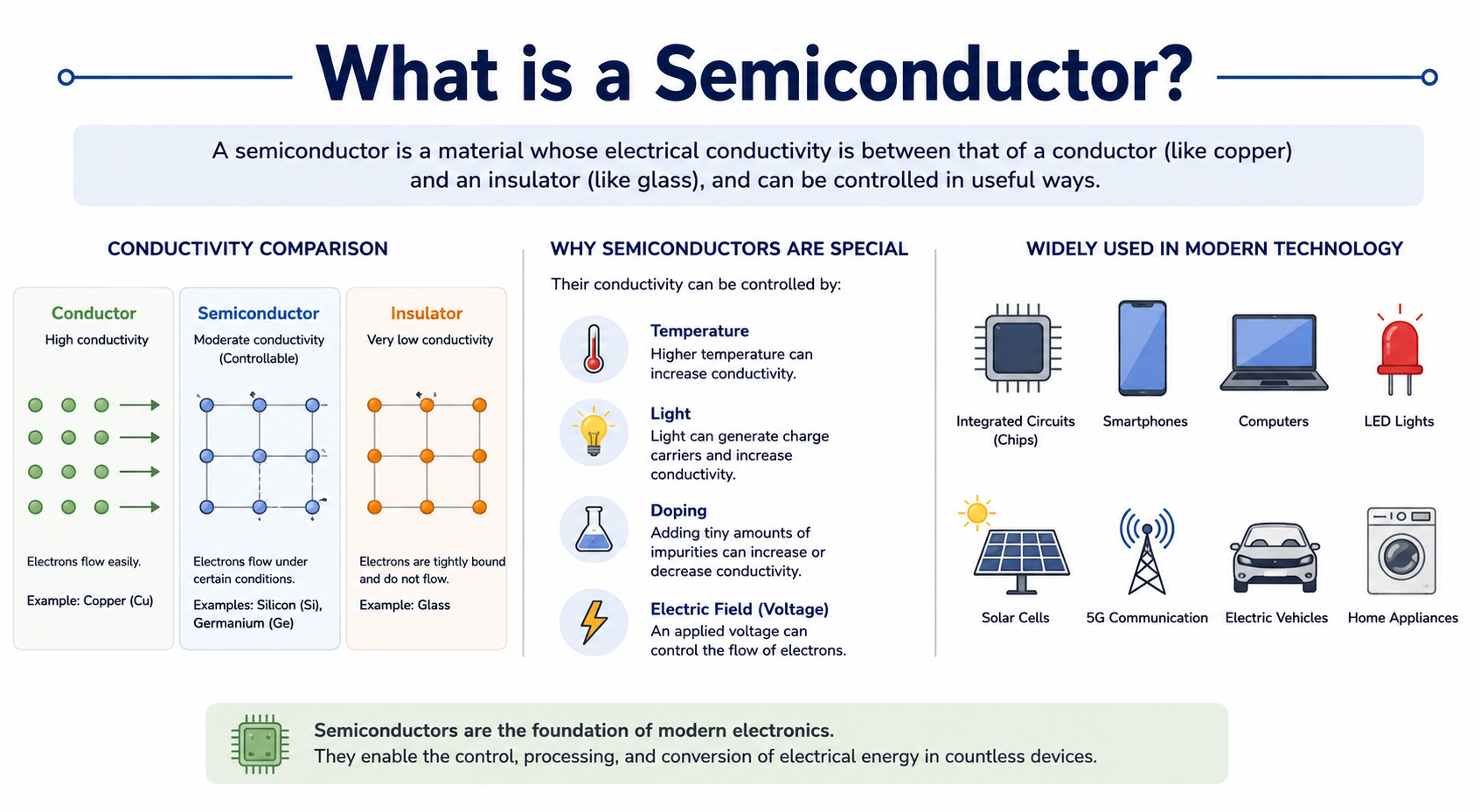
Semiconductor equipment refers to the industrial systems used for various physical and chemical processes during chip manufacturing. It serves as the core bridge connecting chip design to actual products. Its scope covers key stages such as wafer cleaning, lithography assistance, thin film deposition, etching, inspection, and packaging.
In modern chip manufacturing, equipment precision directly determines yield and performance limits. As transistor dimensions approach the atomic level, the manufacturing process has entered the era of nanometer or even sub-nanometer control, with each step requiring extremely high stability and consistency.
The semiconductor equipment industry is often referred to as the "pick-and-shovel" sector because, regardless of changes in chip demand, equipment remains a prerequisite for production. In the AI era, this characteristic has been further reinforced. Equipment manufacturers have gradually evolved from behind-the-scenes suppliers into one of the leading forces driving technological advancement.
Why AI Is Driving Continuous Wafer Fab Capacity Expansion
The large-scale development of AI models has led to exponential growth in demand for hashrate. From large language models to multimodal systems and edge AI inference, all rely on high-performance chip support. This demand structure directly drives the rapid growth of GPUs, AI ASICs, and high-bandwidth memory (HBM).
The increase in hashrate requirements means that wafer manufacturing must continuously expand capacity to meet the supply gap for high-end chips. Particularly at advanced process nodes, capacity itself has become a scarce resource. Global wafer fabs are continuously increasing capital expenditures to build 3nm and future 2nm production lines.
At the same time, the construction of AI data centers is creating a long-term investment cycle. Cloud vendors are consistently purchasing high-performance chips, providing wafer fabs with more sustained and predictable orders. This structural demand is gradually transitioning the semiconductor industry from cyclical to growth-oriented.
How Applied Materials Participates in Advanced Process Manufacturing
In the advanced process system, Applied Materials is primarily responsible for the materials engineering aspects of transistor structure construction. Its equipment is widely used in key steps such as deposition and etching.
In logic chip manufacturing, its equipment is used to form multilayer transistor structures, including gates, interconnect layers, and insulating layers. The thickness and uniformity of each material layer directly affect chip performance and power consumption.
In the memory chip field, the company's technology is used to increase the stacking density of NAND and DRAM, allowing storage capacity to continue growing within limited space. This is particularly critical for the large-scale data throughput required for AI training.
Furthermore, with the adoption of Chiplet and 3D stacking architectures, Applied Materials' equipment is gradually extending from traditional wafer manufacturing to advanced packaging, further expanding its industrial coverage.
Key Roles of Deposition, Etching, and Materials Engineering
Deposition technology is one of the foundational steps in chip manufacturing. Its function is to form extremely thin and uniform material layers on the wafer surface. This process determines the basic stability of transistor structures.
Etching technology is used to precisely remove excess material, thereby forming complex circuit structures. Higher etching precision results in higher circuit density and stronger performance. Materials engineering runs throughout the entire manufacturing flow, with the core goal of optimizing material properties such as electrical conductivity, thermal stability, and mechanical strength, ensuring reliable operation even under extreme miniaturization.
Together, these three form the "physical foundation logic" of chip manufacturing. An improvement in precision at any one stage can lead to a leap in overall performance.
How Applied Materials Benefits from AI Chip Demand Growth
The growth in AI chip demand directly increases investment intensity in advanced process nodes, and equipment spending typically accounts for a significant portion of wafer fab capital expenditures.
As 3nm and 2nm process nodes gradually enter volume production, the number of process steps required per wafer increases substantially, driving simultaneous growth in demand for deposition and etching equipment. As a multi-process platform provider, Applied Materials can benefit across multiple stages.
In addition, the combination of high-bandwidth memory (HBM) and AI accelerators significantly increases the complexity of memory chips, further expanding equipment demand.
The rise of advanced packaging also provides the company with a new growth curve. Chiplet architectures require more complex material connections and packaging processes, continuously expanding the application scenarios for its equipment.
How Applied Materials Differs from Other Semiconductor Equipment Manufacturers
In the global semiconductor equipment industry chain, each company has a clear and highly specialized division of labor:
ASML focuses on extreme ultraviolet (EUV) lithography equipment, a critical control point at the front end of the process; Lam Research specializes primarily in etching and some thin film deposition equipment; KLA Corporation is mainly responsible for inspection, metrology, and process control.
In contrast, Applied Materials' advantage lies in its "platform-based materials engineering capability," which not only covers multiple process stages but also provides cross-process integration solutions, giving it higher systemic value in the wafer manufacturing flow.
This multi-process integration capability positions it closer to a "manufacturing platform provider" rather than just a single-equipment supplier.
What Challenges Does the AI Semiconductor Equipment Market Face?
Despite a clear long-term growth logic, the industry still faces multiple challenges.
The semiconductor industry itself has a strong cyclical nature. Fluctuations in capital expenditures can affect equipment order rhythms and revenue stability.
The increasing complexity of advanced process R&D extends equipment development cycles and raises R&D costs, placing higher demands on companies' technical capabilities.
Global supply chain uncertainties and geopolitical factors may affect equipment export structures and regional market layouts.
As technology nodes approach physical limits, further miniaturization becomes significantly more difficult, and the industry faces the problem of "increasing marginal costs for performance gains."
Future Development Trends in the Semiconductor Equipment Industry
The future development of the semiconductor equipment industry will follow several clear directions.
- AI-driven evolution of advanced process nodes will push equipment precision toward the atomic level while increasing requirements for material control capabilities.
- Advanced packaging will become a core growth point. Chiplet and 3D integration architectures will drive equipment expansion from wafer manufacturing to system-level manufacturing.
- Materials science and equipment engineering will further integrate, continuously increasing the influence of equipment manufacturers in defining chip performance.
- The globalization of wafer fab layouts will accelerate, driving diversified equipment demand growth across different regional markets.
Under this long-term trend, Applied Materials' materials engineering and platform capabilities will continue to strengthen its industry position.
Summary
The development of AI chips is profoundly reshaping the semiconductor industry structure, and semiconductor equipment has become an irreplaceable foundational layer in this system. Applied Materials, through its deposition, etching, and materials engineering technologies, is deeply involved in the evolution of advanced process nodes and continues to benefit from the AI-driven capital expenditure cycle. As process complexity and system integration continue to increase, its strategic position in the global chip industry chain is being further reinforced, making it a key hub connecting AI hashrate demands with physical manufacturing capabilities.