Durante mucho tiempo, la infraestructura global de internet ha estado dominada por grandes ISP (proveedores de servicios de internet) y empresas de telecomunicaciones. Este modelo impulsó la adopción de internet, pero también generó problemas como monopolios de red, cobertura regional desigual y censura en las comunicaciones. A medida que Web3 se expande hacia la infraestructura real, cada vez más proyectos aprovechan el modelo DePIN para transformar las redes de comunicación. Spacecoin destaca como un ejemplo clave en el internet satelital.
A diferencia de los sistemas de internet tradicionales, Spacecoin prioriza la apertura de la red, la coordinación en cadena y la accesibilidad global. No se trata solo de un proyecto de comunicación satelital, sino de un experimento de infraestructura de internet descentralizada.
¿Por qué está centralizado el internet tradicional?
Aunque el internet es una red global, su infraestructura subyacente depende en gran medida de una operación centralizada.
La mayor parte del tráfico de internet circula a través de grandes operadores de telecomunicaciones, centros de datos e ISP regionales. Esto implica que el acceso a la red, la asignación de ancho de banda y el despliegue de infraestructura están controlados por un puñado de empresas.
En zonas remotas, el alto coste de desplegar fibra óptica y torres de comunicación provoca una cobertura deficiente. En algunos casos, las redes centralizadas también pueden sufrir restricciones impuestas por el ser humano, cortes de servicio o censura.
Por ello, la industria blockchain explora cada vez más un «internet descentralizado» para reducir el riesgo de puntos de control únicos mediante infraestructura abierta.
¿Por qué Spacecoin elige el internet satelital?
Una estrategia clave para que Spacecoin logre un internet descentralizado consiste en establecer cobertura global de comunicación mediante satélites de órbita terrestre baja (LEO).
El internet tradicional depende en gran medida de infraestructura terrestre como fibra, cables y torres. El internet satelital puede sortear algunas de estas limitaciones y ofrecer un acceso más amplio a la red.
Esto resulta especialmente valioso en regiones remotas, áreas oceánicas o mercados emergentes con infraestructura deficiente, donde la comunicación satelital reduce significativamente las barreras de despliegue.
Spacecoin opta por satélites LEO en lugar de los tradicionales de órbita alta porque las redes LEO ofrecen menor latencia y mayor eficiencia, algo crucial para el uso moderno de internet.
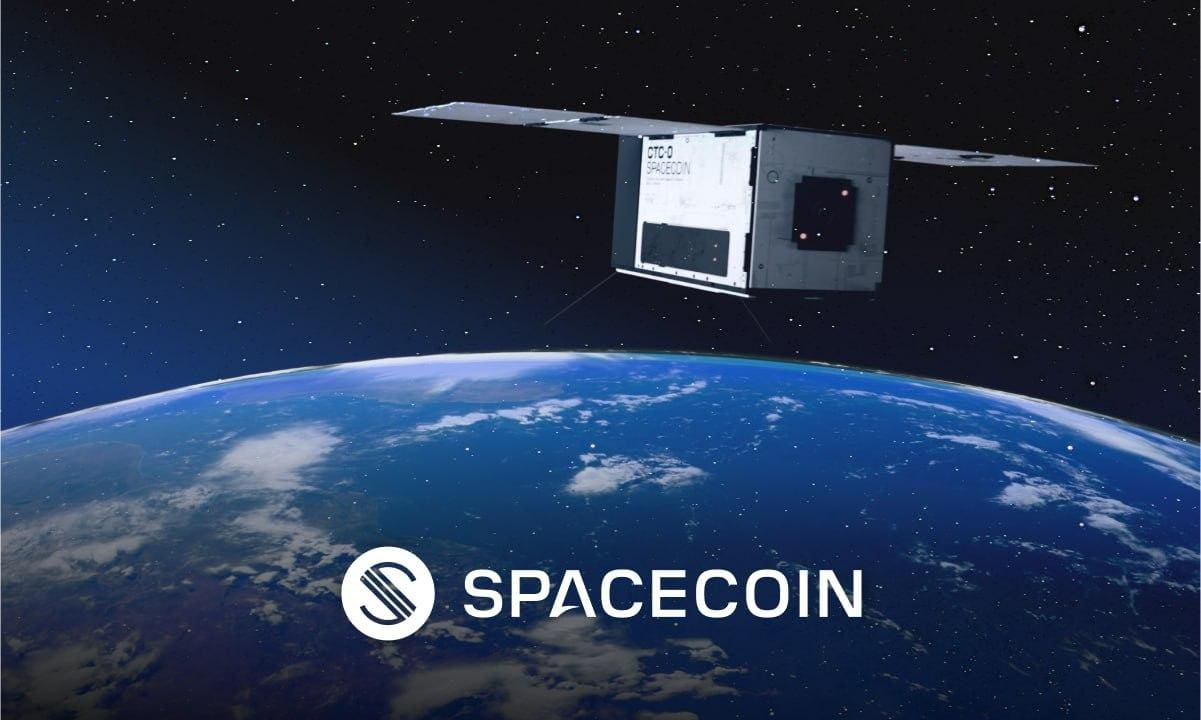
La red de Spacecoin consta de cuatro componentes clave:
| Componente de red |
Función |
| Red de satélites LEO |
Proporciona cobertura global de internet |
| Dispositivos terminales terrestres |
Permite el acceso de los usuarios a internet |
| Sistema blockchain |
Gestiona pagos, liquidaciones y gobernanza |
| Red de nodos DePIN |
Coordina la red y mantiene los recursos |
Los satélites gestionan la transmisión de comunicaciones, mientras que la blockchain coordina los sistemas económicos y la distribución de recursos. La red de nodos asume funciones de verificación, enrutamiento y gobernanza.
Esta estructura implica que los servicios de internet ya no dependen completamente de una sola empresa, sino que son operados de forma colectiva por participantes distribuidos.
DePIN (Redes de Infraestructura Física Descentralizada) es una tendencia importante en la infraestructura Web3. Su idea central es usar la blockchain para coordinar recursos de infraestructura del mundo real.
Dentro de la red de Spacecoin, los participantes nodo obtienen recompensas en tokens SPACE al proporcionar recursos de red, mantener infraestructura o respaldar servicios de comunicación.
La diferencia clave con los ISP tradicionales:
El internet tradicional lo construyen y operan empresas de forma centralizada. En cambio, una red DePIN utiliza la economía de tokens para atraer participantes globales que expanden la red colectivamente.
Por tanto, Spacecoin no es solo un protocolo de comunicación, sino un modelo económico de internet impulsado en cadena.
¿Cómo respalda el sistema de pagos en cadena de Spacecoin un internet descentralizado?
Los servicios de internet suelen requerir mecanismos de pago. Los ISP tradicionales dependen de sistemas bancarios y suscripciones fiat.
Spacecoin traslada los pagos y la liquidación de recursos a la blockchain. Los usuarios pagan por ancho de banda, servicios de datos y otros recursos de red usando tokens SPACE.
La importancia de los pagos en cadena:
Primero, reducen las barreras para los pagos transfronterizos y el acceso financiero. Segundo, permiten la asignación y liquidación automática de recursos de internet mediante contratos inteligentes. Tercero, se integran con billeteras Web3, identidades digitales y sistemas financieros en cadena.
Este modelo es especialmente adecuado para mercados emergentes con infraestructura financiera tradicional limitada.
¿Cómo reduce Spacecoin el riesgo de control centralizado?
Un riesgo importante del internet centralizado es la dependencia excesiva de unas pocas empresas para los servicios y la infraestructura.
Spacecoin aborda esto con varios enfoques:
Primero, la red satelital reduce la dependencia de instalaciones de comunicación de una sola región. Segundo, los pagos en cadena disminuyen las restricciones de los sistemas financieros tradicionales. Tercero, el modelo DePIN permite que más participantes compartan el mantenimiento de la red, en lugar de un único operador.
Aunque Spacecoin aún necesita cierta infraestructura real, su arquitectura general enfatiza la apertura y la coordinación distribuida mucho más que los modelos de internet tradicionales.
¿Cuáles son las diferencias entre Spacecoin y los ISP tradicionales?
Ambos proporcionan acceso a internet, pero sus principios subyacentes son fundamentalmente distintos.
| Dimensión de comparación |
Spacecoin |
ISP tradicional |
| Modelo de red |
Red satelital descentralizada |
Operación centralizada |
| Infraestructura |
Satélites LEO + nodos |
Fibra óptica y estaciones base |
| Método de pago |
Pago en cadena |
Suscripción fiat |
| Gobernanza de red |
Comunidad y mecanismos en cadena |
Control corporativo |
| Lógica de cobertura |
Cobertura satelital global |
Cobertura regional |
Estas diferencias hacen que Spacecoin sea más adecuado para un internet abierto y la comunicación global, mientras que los ISP tradicionales dependen de infraestructura localizada.
¿Qué desafíos enfrenta Spacecoin?
A pesar del rápido crecimiento del concepto de internet descentralizado, Spacecoin enfrenta obstáculos reales.
Primero, el despliegue de satélites requiere un capital intensivo, con recursos significativos para hardware, lanzamiento y mantenimiento a largo plazo. Segundo, la comunicación satelital global implica regulaciones complejas y licencias de espectro.
Además, equilibrar la apertura con la estabilidad en una red descentralizada es un desafío a largo plazo para todo el sector DePIN.
Por lo tanto, Spacecoin es más un experimento de infraestructura a largo plazo que un reemplazo a corto plazo del internet tradicional.
Resumen
Spacecoin busca construir un internet más abierto y descentralizado mediante satélites LEO, pagos blockchain y arquitectura DePIN.
En comparación con los ISP tradicionales, Spacecoin enfatiza la cobertura global, la coordinación en cadena y la participación abierta en infraestructura. Su importancia central no es solo ofrecer internet satelital, sino explorar la transición de estructuras de red centralizadas a abiertas.
Preguntas frecuentes
¿Qué es un internet descentralizado?
Un internet descentralizado es una estructura de red que ninguna empresa u operador controla por completo, y donde la infraestructura y los recursos los mantienen múltiples participantes.
¿Por qué Spacecoin usa internet satelital?
El internet satelital reduce la dependencia de la infraestructura de comunicación terrestre y mejora la cobertura en áreas remotas y a nivel global.
¿Cómo logra Spacecoin la descentralización?
Spacecoin logra una infraestructura de internet abierta mediante comunicación satelital, un sistema de pagos en cadena y la colaboración de nodos DePIN.
¿Cuál es el rol del token SPACE?
SPACE se usa para pagar servicios de internet, incentivar la participación de nodos y respaldar la futura gobernanza de la red.