À medida que os setores Ordinals, Runas, RGB e BTCFi evoluem, o ecossistema Bitcoin está gradualmente a transformar-se de uma mera reserva de valor numa rede financeira on-chain. Um número crescente de programadores está a introduzir Stablecoins, exchanges descentralizadas, protocolos de empréstimos e emissão de ativos no ecossistema Bitcoin. No entanto, a cadeia principal do Bitcoin nunca foi concebida para aplicações financeiras complexas, o que torna a tecnologia Layer 2 um caminho essencial para desbloquear a liquidez e o potencial de aplicação do Bitcoin.
Numa perspetiva de tendência da infraestrutura blockchain, a Bitlight está a explorar mais do que apenas o escalonamento de transações — está a construir uma infraestrutura financeira nativa do Bitcoin. Ao combinar as capacidades do protocolo de ativos da RGB, a funcionalidade de pagamento instantâneo da Lightning e a segurança de liquidação final do Bitcoin, a Bitlight visa criar uma rede fundamental que equilibre segurança, escalabilidade e programabilidade de ativos para apoiar o futuro ecossistema BTCFi.
Análise da arquitetura técnica principal da Bitlight
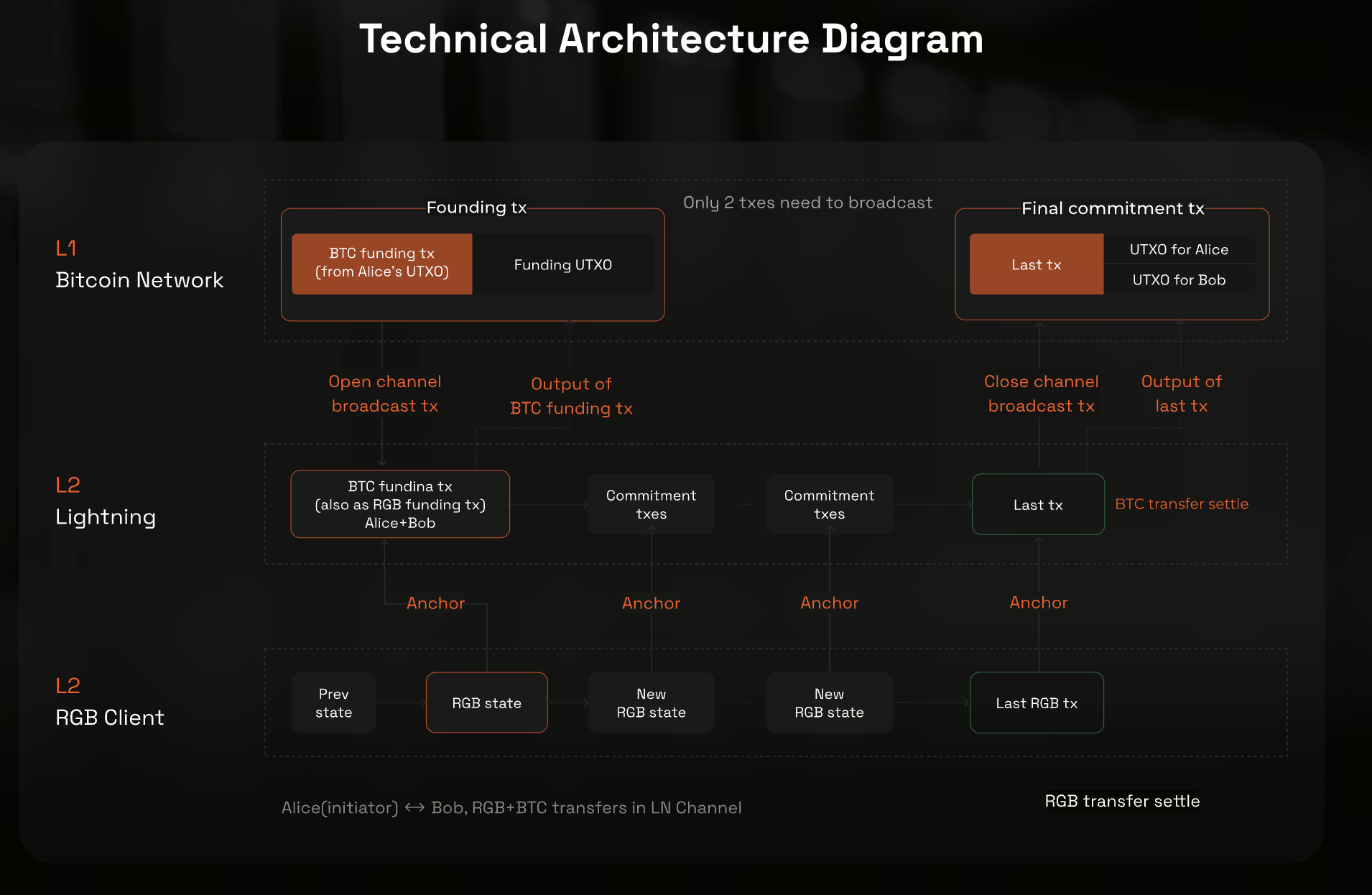
A arquitetura geral da Bitlight é um sistema multicamadas que compreende uma camada de liquidação do Bitcoin, uma camada de protocolo de ativos RGB, uma camada de execução Lightning e uma camada de aplicação. Cada camada desempenha uma função distinta e trabalham em conjunto para cobrir todo o espetro, desde a emissão de ativos até às aplicações financeiras on-chain. Na base encontra-se a cadeia principal do Bitcoin. A Bitlight não introduz um novo mecanismo de consenso; em vez disso, utiliza diretamente a rede Bitcoin como camada de liquidação final. Todos os estados críticos de ativos podem ser confirmados na rede Bitcoin, herdando assim a sua segurança e descentralização. Este design evita a necessidade de reconstruir um modelo de segurança de raiz, como exigiriam cadeias laterais independentes.
Acima do Bitcoin, a Bitlight integra o Protocolo RGB como estrutura de gestão de ativos e contratos inteligentes. A RGB utiliza validação do lado do cliente: a maior parte dos dados e estados não são armazenados diretamente na blockchain. Em vez disso, os participantes validam localmente, registando apenas as informações de compromisso necessárias na rede Bitcoin. Esta abordagem reduz significativamente a carga on-chain e melhora a escalabilidade.
A Lightning Network trata de transações de alta frequência e pagamentos instantâneos. Os utilizadores podem transferir ativos em transações quotidianas sem esperar por confirmações de blocos do Bitcoin. A camada superior aloja várias aplicações — carteiras, DEX, sistemas de Stablecoin, ferramentas de pagamento e futuros protocolos BTCFi — formando um ecossistema Bitlight completo.
Como a Bitlight melhora a escalabilidade da rede Bitcoin
A escalabilidade sempre foi um grande desafio para a rede Bitcoin. Como a cadeia principal segue uma filosofia de design que prioriza a segurança, a sua capacidade de processamento de transações é limitada, tornando-a inadequada para aplicações financeiras de grande escala.
A solução da Bitlight não modifica diretamente os parâmetros da rede Bitcoin. Em vez disso, descarrega a computação e a gestão de estado através de processamento off-chain e validação do lado do cliente. Isto preserva a segurança do Bitcoin ao mesmo tempo que atinge uma maior eficiência de transações.
A validação do lado do cliente da RGB é uma tecnologia chave de escalabilidade. As blockchains tradicionais exigem que todos os nodos validem cada transação de forma síncrona, mas a RGB delega essa validação aos participantes da transação. Como toda a rede não precisa de repetir a mesma computação, o consumo de recursos é drasticamente reduzido.
Entretanto, a Lightning Network oferece capacidades de pagamento instantâneo. Através de canais de pagamento, os utilizadores podem realizar inúmeras transações off-chain, interagindo com a cadeia principal do Bitcoin apenas para liquidação final. Este modelo não só aumenta o débito como também reduz os custos de transação, proporcionando ao ecossistema Bitcoin as condições fundamentais necessárias para suportar redes de pagamento e aplicações financeiras.
Como funciona a emissão de ativos e a liquidação on-chain
A emissão de ativos é um componente central da arquitetura da Bitlight. Ao contrário das redes de Token tradicionais, a Bitlight enfatiza a criação e gestão de ativos nativos do Bitcoin.
Os programadores podem utilizar o protocolo RGB para emitir uma vasta gama de ativos digitais sobre a rede Bitcoin — incluindo Stablecoins, ativos RWA, ativos de jogos, sistemas de pontos e credenciais digitais empresariais. Todos os ativos são geridos através do protocolo RGB e permanecem associados ao modelo UTXO do Bitcoin.
A principal característica de design da RGB é que os estados dos ativos não precisam de ser registados completamente on-chain. Cada transferência de ativos gera uma nova prova de estado, que os participantes envolvidos validam. Isto garante a verificabilidade dos ativos ao mesmo tempo que evita o inchaço de dados on-chain.
Para a liquidação, a Bitlight combina a execução off-chain com a liquidação na cadeia principal. As transferências de ativos e os pagamentos podem ser concluídos rapidamente através da Lightning Network, enquanto o estado final permanece ancorado à rede Bitcoin para confirmação. Este design equilibra desempenho e segurança, permitindo que a Bitlight suporte cenários financeiros mais complexos.
Como a Bitlight possibilita o DeFi nativo do Bitcoin
O Bitcoin tem estado muito atrás do Ethereum em DeFi, principalmente devido à falta de um ambiente de contratos inteligentes maduro e de um sistema de protocolo de ativos abrangente. O surgimento da Bitlight oferece um novo caminho técnico para o ecossistema BTCFi. Ao combinar a RGB e a Lightning Network, a rede Bitcoin passou a dispor das capacidades básicas para suportar aplicações financeiras.
Em cenários de negociação, os ativos RGB podem ser rapidamente transferidos e trocados, fornecendo suporte subjacente para exchanges descentralizadas. No futuro, os programadores podem construir DEX nativas na Bitlight, permitindo que os utilizadores negociem ativos sem sair do ecossistema Bitcoin. As Stablecoins são outra direção importante. Nos últimos anos, o mercado BTCFi reconheceu amplamente as Stablecoins como infraestrutura essencial que conecta pagamentos e aplicações financeiras. A Bitlight está a construir ativamente o ecossistema RGB Stablecoin, com o objetivo de fornecer um meio de valor mais adequado para pagamentos quotidianos e atividades financeiras na rede Bitcoin.
Além disso, protocolos de empréstimos, agregadores de rendimento, gestão de ativos e derivados on-chain têm espaço para crescer. Se o mercado BTCFi continuar a expandir-se, a infraestrutura que a Bitlight fornece poderá tornar-se um motor chave da financeirização do Bitcoin.
Interoperabilidade entre cadeias e conexões do ecossistema
À medida que a indústria blockchain entra numa era multi-cadeia, a interoperabilidade tornou-se uma métrica competitiva crítica para a infraestrutura. Qualquer rede Layer 2 que dependa apenas de um único ecossistema terá dificuldade em manter uma vantagem a longo prazo.
Embora a abordagem técnica da Bitlight se concentre em ativos nativos do Bitcoin, não está isolada de outros ecossistemas. Pelo contrário, o seu desenvolvimento futuro depende fortemente de sinergias com carteiras, redes de pagamento, plataformas de negociação e outras infraestruturas.
Dentro do ecossistema Bitcoin, a Bitlight pode integrar-se profundamente com a Lightning Network, aproveitando o encaminhamento de pagamentos existente para expandir a cobertura da rede. Ao mesmo tempo, os ativos RGB podem circular por diferentes aplicações, melhorando a liquidez geral do ecossistema.
Para o mercado blockchain mais amplo, futuras pontes entre cadeias, redes de Stablecoin e camadas de liquidez unificadas podem tornar-se formas chave para a Bitlight se conectar com outros ecossistemas. À medida que o BTCFi cresce, a procura por movimentação de ativos entre ecossistemas continuará a aumentar.
Bitlight vs. outros projetos BTC Layer 2
O panorama atual do Bitcoin Layer 2 apresenta múltiplas abordagens técnicas.
Bitlight
Principais características:
- Protocolo RGB
- Lightning Network
- Emissão nativa de ativos
- Infraestrutura BTCFi
Lightning Network
Concentra-se principalmente no escalonamento de pagamentos. A sua força reside nas capacidades de pagamento maduras, mas as funções de emissão de ativos e contratos inteligentes são limitadas.
Stacks
Suporta contratos inteligentes através de um ambiente de execução independente, mais próximo dos ecossistemas de aplicações tradicionais da Layer 1.
Rootstock (RSK)
Adota uma abordagem técnica compatível com EVM, facilitando a migração de aplicações por parte de programadores Ethereum.
Bitlayer
Utiliza uma abordagem Rollup para escalar a rede Bitcoin, focando-se em melhorar as capacidades de contratos inteligentes.
Em comparação, a Bitlight enfatiza a integração de ativos nativos da RGB, pagamentos Lightning e casos de uso BTCFi.
Desafios que o setor de escalonamento do Bitcoin enfrenta
Embora o Bitcoin Layer 2 tenha recebido atenção significativa nos últimos dois anos, todo o setor ainda se encontra numa fase inicial.
-
Maturidade técnica. Quer se trate de RGB, Rollups ou outras soluções de escalonamento, muitas tecnologias principais ainda estão a ser refinadas. As aplicações comerciais de grande escala ainda precisam de tempo para serem validadas.
-
Ecossistema de programadores. Comparado com a vasta comunidade de programadores do Ethereum, o ecossistema de desenvolvimento do Bitcoin ainda é carente. A escassez de programadores pode limitar o ritmo da inovação de aplicações.
-
Fragmentação da liquidez. Múltiplas redes Bitcoin Layer 2 coexistem atualmente sem uma camada de liquidez unificada entre diferentes protocolos, o que prejudica a experiência do utilizador e a eficiência do capital.
Além disso, a incerteza regulatória, os custos de educação do utilizador e a concorrência do mercado podem todos abrandar o desenvolvimento do setor. Os projetos que conseguirem construir verdadeiros efeitos de rede e formar ciclos de aplicação terão a melhor hipótese de se destacar.
Direções de desenvolvimento futuro para a Bitlight
Com base nas tendências atuais da indústria, o foco futuro da Bitlight permanecerá em três áreas principais: RGB, Lightning e BTCFi.
-
Infraestrutura: O projeto continuará a melhorar as ferramentas do protocolo RGB e os ambientes de desenvolvimento, reduzindo a barreira para novas equipas entrarem no ecossistema Bitcoin Layer 2. Mais programadores determinarão diretamente a riqueza das futuras aplicações.
-
Pagamentos: A Bitlight está a construir de forma constante uma rede de pagamentos com Stablecoin. Ao combinar as RGB Stablecoins com a Lightning Network, o projeto visa criar soluções ideais para pagamentos comerciais e liquidações transfronteiriças.
-
Aplicações financeiras: Espera-se que os empréstimos, as DEX, os protocolos de rendimento e os produtos de gestão de ativos se tornem áreas-chave de foco. À medida que a liquidez no ecossistema Bitcoin continua a ser desbloqueada, o mercado BTCFi pode entrar num novo ciclo de crescimento.
A longo prazo, o potencial da Bitlight depende inteiramente do ritmo da financeirização do Bitcoin. Se mais ativos e atividades financeiras migrarem para o ecossistema Bitcoin, as redes Layer 2 equipadas com pagamentos, emissão de ativos e infraestrutura DeFi atrairão significativamente mais atenção do mercado.
Conclusão
A Bitlight é uma infraestrutura Layer 2 construída sobre o Bitcoin, o Protocolo RGB e a Lightning Network. O seu objetivo central é fornecer ao ecossistema Bitcoin capacidades de emissão de ativos, liquidação de pagamentos, expansão de contratos inteligentes e BTCFi, preservando a segurança do Bitcoin. Através de uma arquitetura técnica que combina validação do lado do cliente, execução off-chain e liquidação na cadeia principal, a Bitlight confere maior escalabilidade e programabilidade à rede Bitcoin.
À medida que os Ordinals, Runas, Stablecoins e o mercado BTCFi continuam a desenvolver-se, o ecossistema Bitcoin está a transformar-se de uma rede de armazenamento de valor numa plataforma de infraestrutura financeira. Neste processo, a Layer 2 tornar-se-á a base crítica para a inovação de aplicações. O sucesso do caminho escolhido pela Bitlight dependerá, em última análise, do crescimento do ecossistema de programadores, da velocidade de implementação de aplicações no mundo real e da escala geral do ecossistema financeiro do Bitcoin. No entanto, a direção nativa de Layer 2 do Bitcoin que representa já se tornou uma das tendências mais promissoras no espaço BTCFi.