# IranAttacksIsrael

2.62M

On June 7, Iran launched ballistic missiles at Israel's Ramat David Airbase in northern Israel, marking the first direct Iranian strike on Israeli territory since the April ceasefire. The attack followed an Israeli airstrike on Beirut's southern suburbs earlier that day. The IDF said all missiles were intercepted, but vowed a "strong response," closing border crossings and schools nationwide. Iran warned that any Israeli retaliation would be met with an even larger strike. President Trump urged Israel to show restraint.

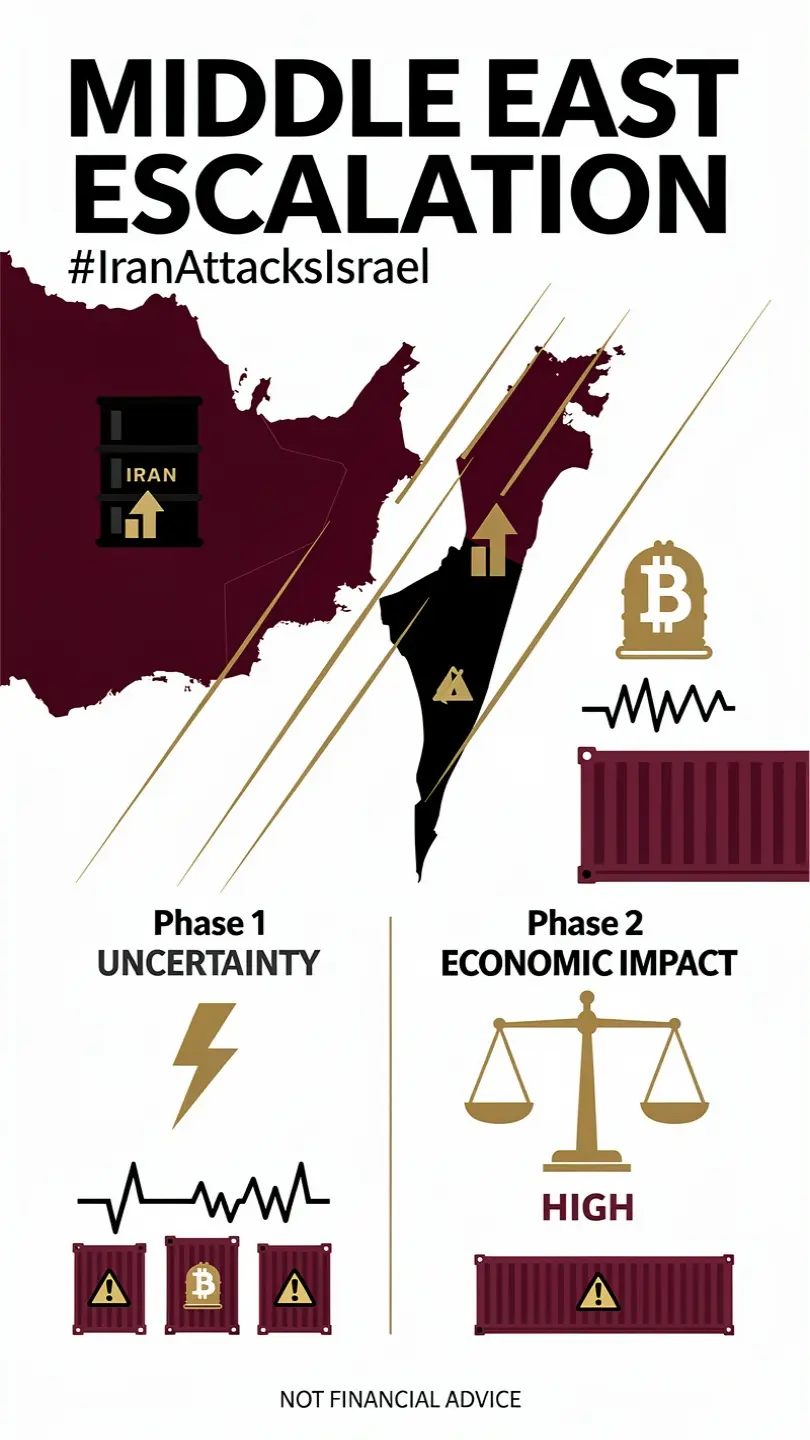
#IranAttacksIsrael 🚨 Geopolitical Shockwaves Hit Global Markets
Global markets are once again facing a period of heightened uncertainty as tensions between Iran and Israel escalate, sending investors into risk-management mode. Historically, whenever geopolitical conflicts intensify in the Middle East, the immediate impact is felt across energy markets, equities, commodities, and increasingly, the cryptocurrency sector.
The first reaction from financial markets is usually a flight to safety. Investors tend to move capital away from high-risk assets and toward traditional safe havens such as go
BTC-3.09%
post-image
  • Reward
  • 20
  • Repost
  • Share
HighAmbition:
Steadfast HODL💎
View More
#IranAttacksIsrael
Iran Attacks Israel: Geopolitical Tensions Shake Global Markets
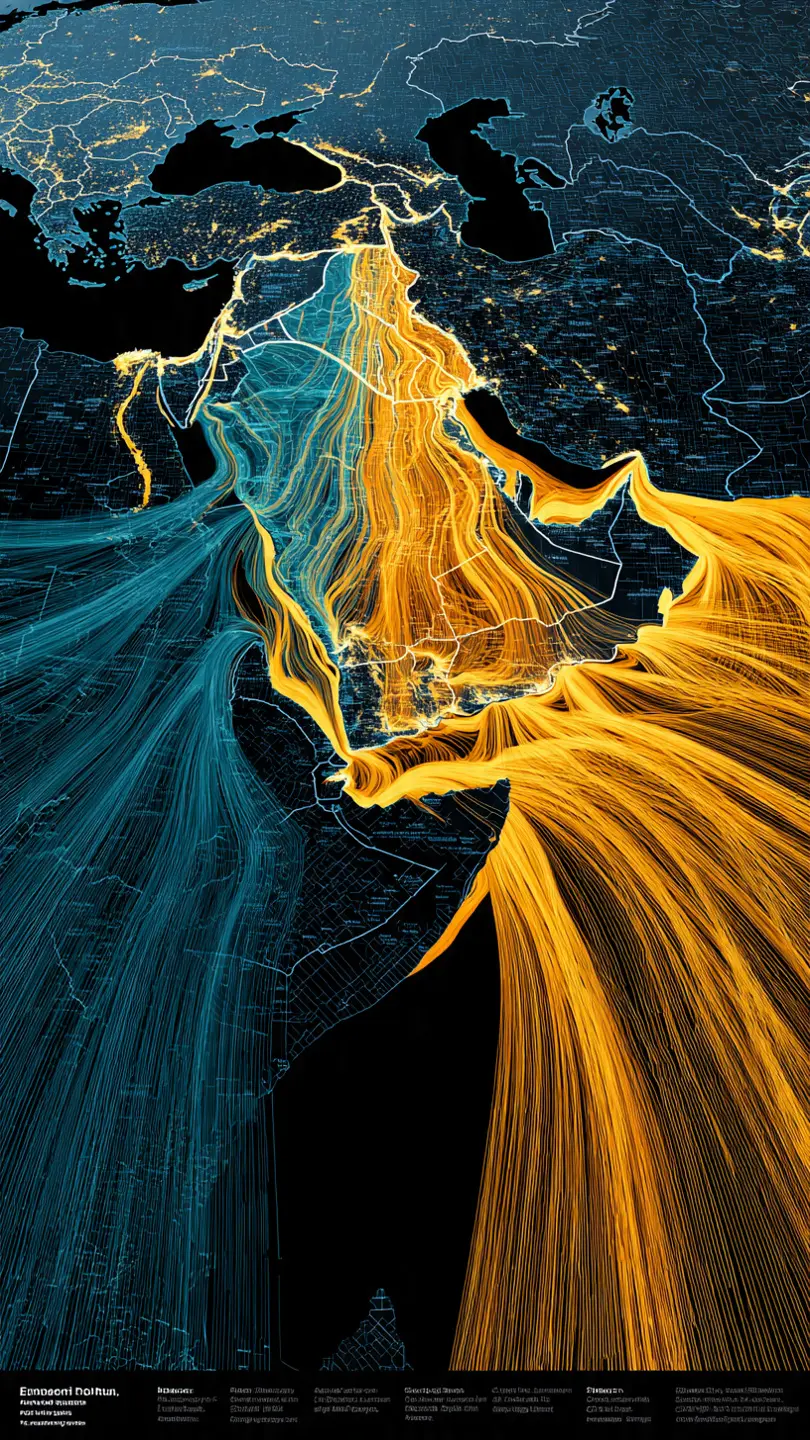
Geopolitical shocks often move faster than financial markets can fully process. The latest exchange of direct attacks between Iran and Israel has once again placed the Middle East at the center of global attention, triggering volatility across energy markets, traditional assets, and cryptocurrencies.
Over the weekend, Iran launched missile attacks against Israel following Israeli military operations in the region, marking one of the most significant direct confrontations between the two countries in recent mo
post-image
post-image
post-image
  • Reward
  • 23
  • Repost
  • Share
sercio_me:
Ape In 🚀
View More
#IranAttacksIsrael
The Middle East is back in focus after a significant exchange of fire between Iran and Israel, marking the most serious direct confrontation since the April ceasefire.
🔹 What Happened?
Iran launched multiple missiles toward Israel following Israeli strikes linked to Hezbollah targets in Beirut. Israel responded with airstrikes on military sites inside Iran, including missile infrastructure and defense-related targets.
🔹 Ceasefire Under Pressure
Both sides signaled a temporary halt to further attacks after international diplomatic pressure increased. However, each side w
BTC-3.18%
post-image
User_any
#IranAttacksIsrael
The Middle East is back in focus after a significant exchange of fire between Iran and Israel, marking the most serious direct confrontation since the April ceasefire.
🔹 What Happened?
Iran launched multiple missiles toward Israel following Israeli strikes linked to Hezbollah targets in Beirut. Israel responded with airstrikes on military sites inside Iran, including missile infrastructure and defense-related targets.
🔹 Ceasefire Under Pressure
Both sides signaled a temporary halt to further attacks after international diplomatic pressure increased. However, each side warned that new military action could follow if additional provocations occur.
🔹 Markets Reacted Immediately
The escalation briefly pushed oil prices higher as traders assessed risks to Middle East energy supplies and regional stability. Risk assets, including crypto and equities, also faced increased volatility as investors moved into defensive positions.
🔹 What Investors Are Watching
🟠 Further Iran-Israel military developments
🟠 Security around the Strait of Hormuz
🟠 Oil price volatility
🟠 U.S. diplomatic efforts
🟠 Impact on global risk sentiment
🔹 Why It Matters For Crypto
Geopolitical shocks often create short-term volatility across Bitcoin and altcoins as traders reduce leverage and manage risk.
At the same time, uncertainty can increase interest in alternative stores of value when market stress rises.
The next headlines from the region could have a major impact on oil, stocks, and crypto throughout the week.
Stay alert. Markets are reacting to every development.
Please always DYOR.
⚠️ Not financial advice.
Friends, do you think geopolitical tensions will have a bigger impact on oil markets or crypto markets in the coming days?
  • Reward
  • 6
  • Repost
  • Share
BeautifulDay:
To The Moon 🌕
View More
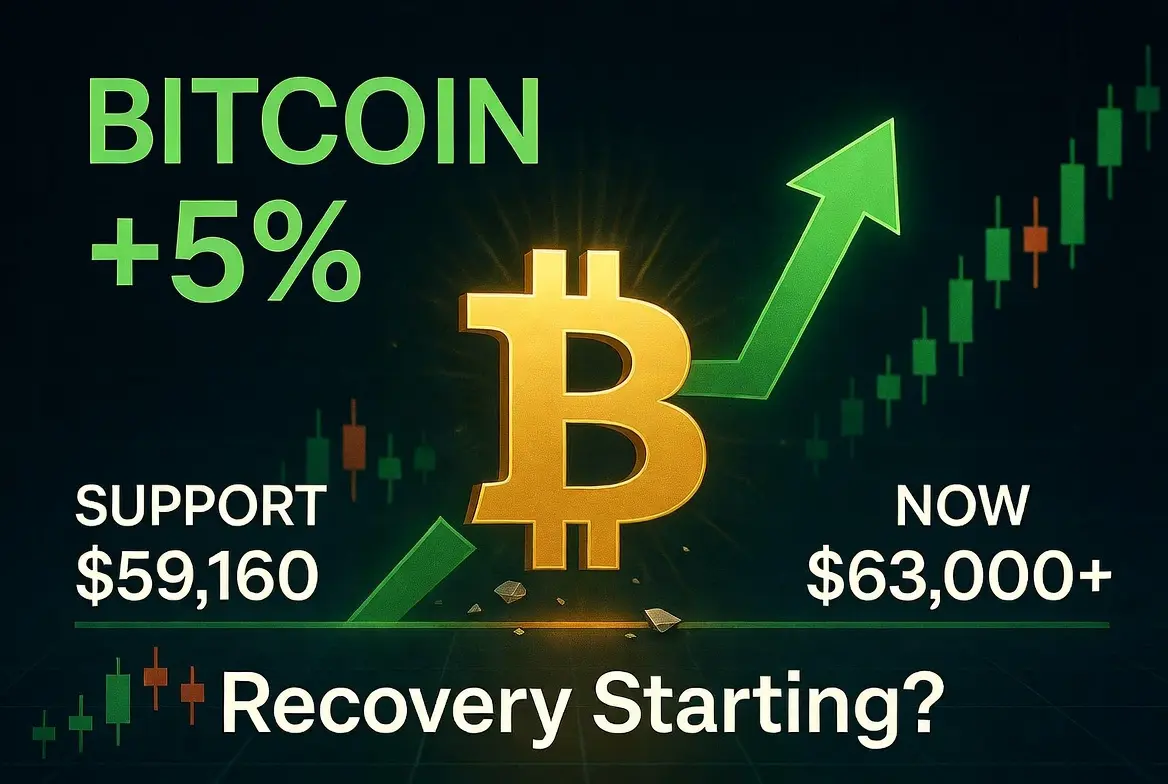
#IranAttacksIsrael #BitcoinRalliesOver5Percent 📈 Market Update: Bitcoin Reclaims $63,000—Is the Bottom In?
Bitcoin has staged an impressive, high-momentum comeback. After testing a multi-month low near $59,160, intense buying pressure triggered a sharp reversal, pushing BTC back above the critical $63,000 psychological threshold.
This rapid 5%+ bounce has injected fresh optimism into a market recently battered by macroeconomic tightening fears and geopolitical risks. Here is an institutional-grade breakdown of the mechanics driving this rally, the key technical levels to watch, and strategic
BTC-3.09%
post-image
post-image
  • Reward
  • 9
  • Repost
  • Share
Yusfirah:
2026 GOGOGO 👊
View More
#IranAttacksIsrael
⚠️ IRAN STRIKES ISRAEL
The Middle East Is Back on Edge as Missiles Fly and Markets Brace for Impact
The fragile calm that followed the April ceasefire may be over.
In a dramatic escalation that has once again placed the Middle East at the center of global attention, Iran launched multiple ballistic missiles toward Israel, prompting immediate Israeli retaliation against military targets inside Iran. The exchange marks the most serious direct confrontation between the two countries since the ceasefire was established earlier this year.
🚨 What Happened?
According to m
NG0.89%
BTC-3.09%
discovery
#IranAttacksIsrael
⚠️ IRAN STRIKES ISRAEL
The Middle East Is Back on Edge as Missiles Fly and Markets Brace for Impact
The fragile calm that followed the April ceasefire may be over.
In a dramatic escalation that has once again placed the Middle East at the center of global attention, Iran launched multiple ballistic missiles toward Israel, prompting immediate Israeli retaliation against military targets inside Iran. The exchange marks the most serious direct confrontation between the two countries since the ceasefire was established earlier this year.
🚨 What Happened?
According to military and government reports, Iran fired 11 ballistic missiles toward Israel in several waves. Israeli defense systems intercepted most or all of the incoming projectiles, limiting casualties and damage.
Israel responded within hours.
Israeli aircraft reportedly struck missile-related military infrastructure and launch sites in multiple Iranian locations, including areas around Tehran, Isfahan, Tabriz, Karaj, and Kermanshah. The operation represents Israel's first direct strike on Iranian territory since the April ceasefire.
🌍 Why The World Is Paying Attention
This is no longer a proxy conflict.
For years, tensions between Iran and Israel were largely fought indirectly through regional allies and affiliated groups. This latest exchange involved direct missile launches and direct retaliatory strikes between the two nations themselves.
That distinction matters.
When two major regional powers engage each other directly, investors immediately begin assessing the risk of a broader conflict involving additional countries, energy infrastructure, shipping routes, and international military forces.
---
🛢️ Oil Markets React First
Whenever tensions rise in the Middle East, energy markets respond quickly.
Reports indicate that crude oil prices moved sharply higher as traders priced in the possibility of further escalation. Concerns are growing about potential disruptions involving critical energy infrastructure and regional transportation corridors.
For global markets, higher energy prices can create a chain reaction:
✔ Rising transportation costs
✔ Higher inflation pressures
✔ Increased production expenses
✔ Greater uncertainty for central banks
✔ Higher volatility across risk assets
📉 What Does This Mean For Investors?
Professional investors typically focus on three questions during geopolitical crises:
1. Will the conflict expand?
If additional countries become involved, markets could face prolonged uncertainty.
2. Will energy supplies be affected?
Oil and natural gas remain critical to the global economy.
3. Will inflation rise again?
Higher energy prices can quickly impact inflation expectations worldwide.
The answers to these questions will likely determine market direction over the coming weeks.
₿ Bitcoin's Position
Bitcoin is currently trading near the $63,000 region on Gate's BTC/USDT market, showing resilience despite the geopolitical shock.
Historically, digital assets often experience short-term volatility during major geopolitical events. Some investors reduce risk exposure, while others view Bitcoin as an alternative asset during periods of uncertainty.
This creates a battle between fear-driven selling and strategic accumulation.
For now, Bitcoin has remained relatively stable compared with the scale of the geopolitical headlines.
🎯 What Traders Are Watching Next
The next 48 hours could be critical.
Market participants are closely monitoring:
🔹 Additional Iranian missile launches
🔹 Further Israeli military responses
🔹 Statements from Washington
🔹 Energy market reactions
🔹 Regional airspace restrictions
🔹 Activity around key shipping routes
Any sign of escalation could trigger another wave of volatility across global markets.
💡 Market Insight
Financial markets dislike uncertainty more than bad news.
What concerns investors most is not what has already happened—but what could happen next.
The latest missile exchange has reminded the world that geopolitical risk remains one of the most powerful forces influencing commodities, equities, currencies, and digital assets.
For now, the situation remains fluid.
But one thing is certain:
The Middle East has once again become the focal point of global market attention.
repost-content-media
  • Reward
  • 9
  • Repost
  • Share
SoominStar:
LFG 🔥
View More
#IranAttacksIsrael
#ShareYourUSStocksWinNvidia
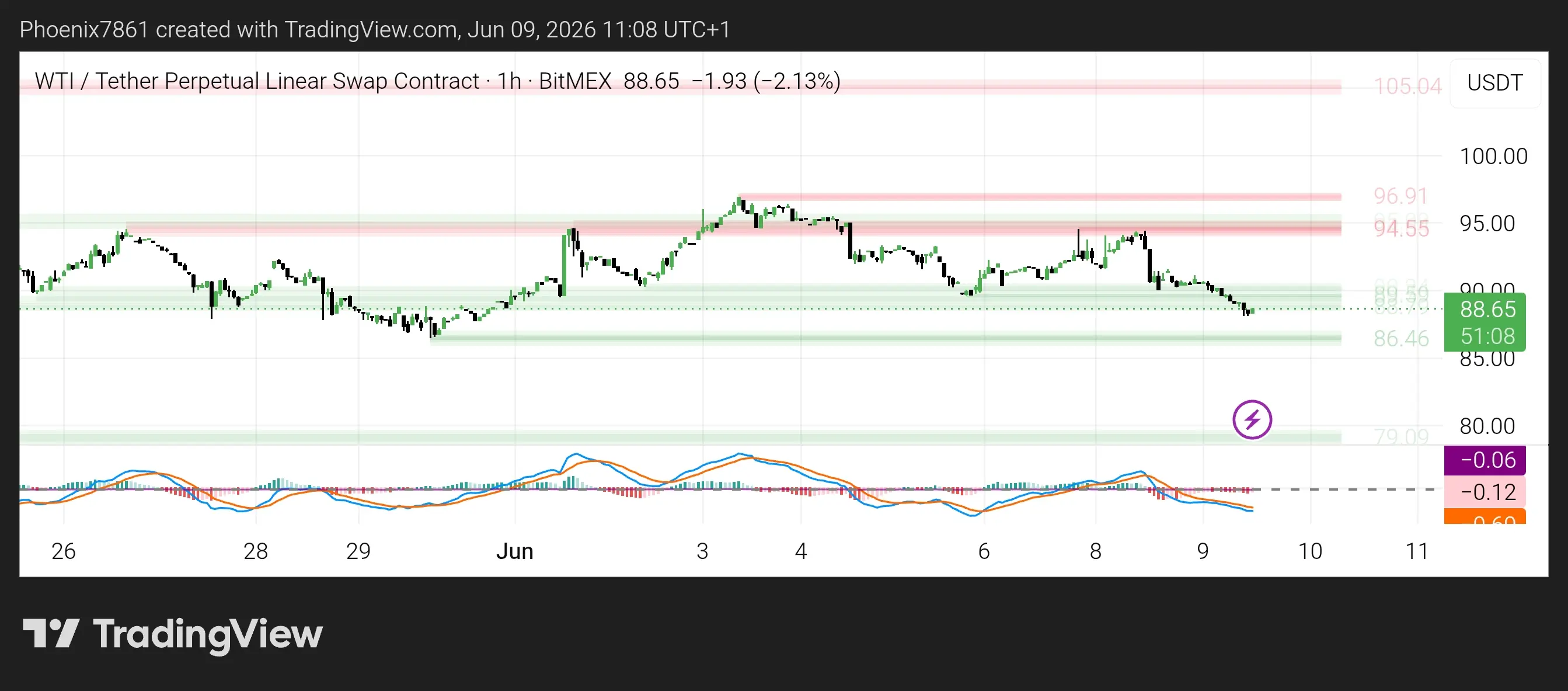
WTIUSDT Slides as Middle East Tensions Ease, Bears Target Key Support
West Texas Intermediate (WTI) futures continue to retreat on Tuesday, falling nearly 1.8% to around $88.10 and extending losses of more than 6% from Monday's peak near $93.50. The sharp decline follows easing geopolitical concerns after Iran reportedly agreed to halt attacks on Israeli territory, reducing fears of a broader regional conflict.
Crude oil initially surged at the start of the week as renewed exchanges between Israel and Iran raised concerns about disruptions to th
XTIUSD-4.36%
post-image
  • Reward
  • 3
  • Repost
  • Share
ybaser:
2026 GOGOGO 👊
View More
#IranAttacksIsrael
The Middle East is back in focus after a significant exchange of fire between Iran and Israel, marking the most serious direct confrontation since the April ceasefire.
🔹 What Happened?
Iran launched multiple missiles toward Israel following Israeli strikes linked to Hezbollah targets in Beirut. Israel responded with airstrikes on military sites inside Iran, including missile infrastructure and defense-related targets.
🔹 Ceasefire Under Pressure
Both sides signaled a temporary halt to further attacks after international diplomatic pressure increased. However, each side w
BTC-3.09%
  • Reward
  • 6
  • Repost
  • Share
Yusfirah:
To The Moon 🌕
View More
#IranAttacksIsrael
The latest escalation between Iran and Israel has once again reminded global markets that geopolitical risk remains one of the most powerful drivers of investor sentiment
. Following Iranian missile attacks and Israeli retaliatory strikes, the region has entered another period of heightened uncertainty, raising concerns about energy security, global trade routes, and broader financial market stability
. Reports indicate that both sides exchanged direct attacks before signaling a temporary halt, but the situation remains fragile and subject to rapid change.
From a technical
post-image
post-image
  • Reward
  • 5
  • Repost
  • Share
2In1:
To The Moon 🌕
View More
⚠️ Markets often react to uncertainty faster than they react to facts. In geopolitical events, managing exposure and controlling risk matters more than trying to predict every headline. Smart traders focus on discipline while volatility does the rest. 📊 #IranAttacksIsrael
DragonFlyOfficial
#IranAttacksIsrael
🚨 Middle East Tensions Escalate — Iran–Israel Direct Exchange Raises Risk Premium 📊
The situation on June 7 marks a dangerous escalation in regional conflict dynamics.
Reports indicate that Iran launched ballistic missiles toward Israel’s Ramat David Airbase in northern Israel — the first confirmed direct strike on Israeli territory since the April ceasefire framework. The move reportedly followed an Israeli airstrike on southern Beirut earlier the same day, signaling a rapid retaliation cycle between multiple fronts.
Israel’s defense systems reportedly intercepted the incoming missiles, according to IDF statements, but the political and military response was immediate:
“Strong response” vowed by Israeli leadership
Border crossings temporarily closed
Schools suspended nationwide as precaution
Heightened military readiness across multiple sectors
Iran, in turn, issued warnings that any Israeli retaliation would be met with a larger strike, further increasing escalation risk.
🧠 What This Really Means (Beyond Headlines)
This is not a single isolated incident — it reflects a multi-layer escalation loop:
Israel → Lebanon strike escalation
Iran → direct missile response
Mutual deterrence shifting toward active engagement
The key risk now is miscalculation, not intent.
When both sides publicly commit to retaliation, the probability of controlled de-escalation drops sharply.
📉 Market & Global Risk Impact
Historically, events like this trigger:
Oil price volatility (supply risk premium increases)
Gold demand spikes (safe-haven rotation)
Crypto short-term liquidation waves (risk-off correlation)
Equity pressure in global markets, especially tech-heavy indices
USD strengthening due to flight-to-safety flows
Even without confirmed damage, headline risk alone drives positioning shifts.
⚠️ Critical Risk Layer
The most dangerous phase is not the initial strike — it’s what comes next:
“Measured response” claims often turn into escalation cycles
Communication breakdown increases accidental targeting risk
Proxy networks may expand the conflict beyond direct actors
Markets begin pricing in worst-case scenarios, not base case
At this stage, verbal deterrence is no longer stabilizing behavior — it is part of escalation signaling.
🧠 Strategic Insight
What traders and analysts often miss:
This is not just geopolitics — it’s liquidity shock fuel.
Risk events like this compress decision time
Algorithmic trading reacts faster than human sentiment
Stop-loss cascades amplify volatility even if fundamentals don’t change
Early positioning matters more than directional accuracy
Dragon Fly Official insight: In geopolitical shocks, timing of exposure exit matters more than prediction of outcome.
🔮 Outlook Scenarios
1. Controlled de-escalation (low probability short-term)
Diplomatic pressure reduces immediate retaliation cycles.
2. Tit-for-tat continuation (base case risk)
Limited strikes continue without full-scale war but maintain volatility.
3. Regional escalation (tail risk)
Proxy involvement expands conflict footprint across multiple fronts.
💬 Final Question:
At what point does “contained retaliation” stop being containment and start becoming a new conflict cycle?
repost-content-media
  • Reward
  • 1
  • Repost
  • Share
HighAmbition:
Just charge forward 👊
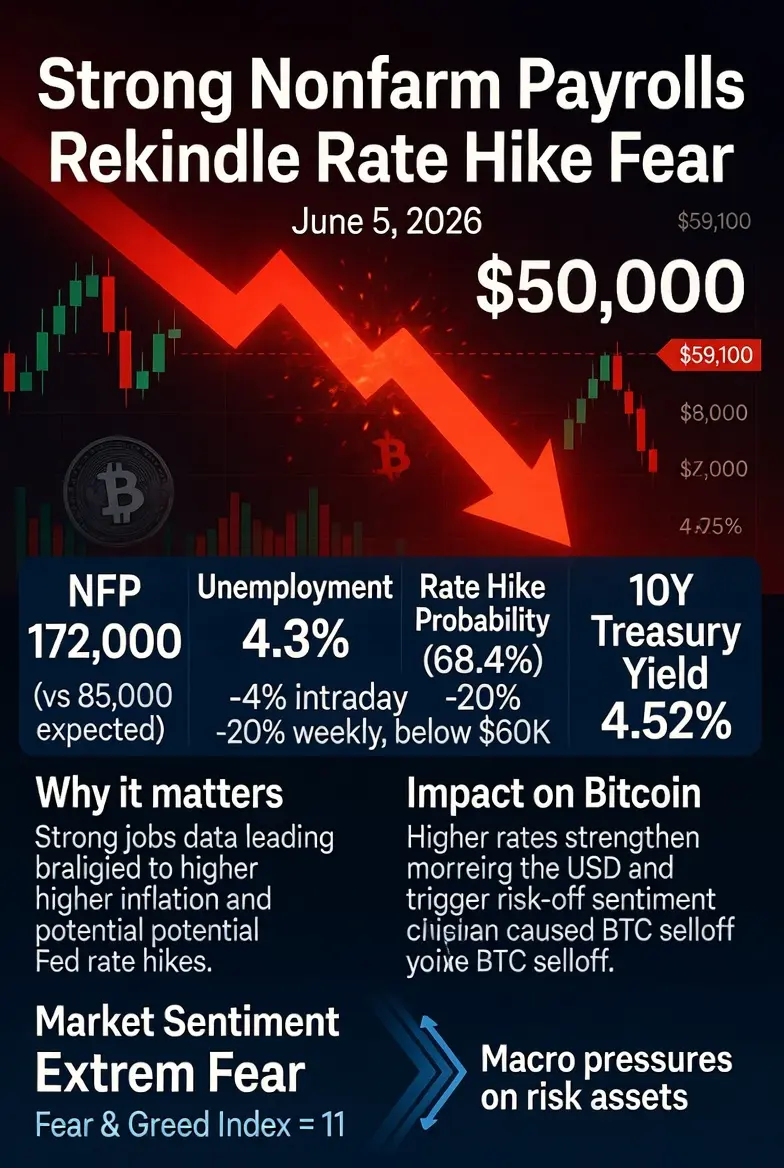
#StrongNonfarmPayrollsRekindleRateHikeFear
On June 5, 2026, the United States Bureau of Labor Statistics released the May Nonfarm Payrolls report, and the numbers shocked the market. The US economy added 172,000 jobs in May, which was roughly double what economists had predicted. The consensus forecast was only 85,000 jobs, with some estimates clustering between 80,000 and 88,000. The unemployment rate held steady at 4.3 percent, right in line with expectations. This was not just a small beat; it was a blowout. The previous month of April had already been revised upward to 179,000 jobs, so th
HighAmbition
#StrongNonfarmPayrollsRekindleRateHikeFear
On June 5, 2026, the United States Bureau of Labor Statistics released the May Nonfarm Payrolls report, and the numbers shocked the market. The US economy added 172,000 jobs in May, which was roughly double what economists had predicted. The consensus forecast was only 85,000 jobs, with some estimates clustering between 80,000 and 88,000. The unemployment rate held steady at 4.3 percent, right in line with expectations. This was not just a small beat; it was a blowout. The previous month of April had already been revised upward to 179,000 jobs, so the labor market was showing no signs of slowing down whatsoever. The three-month average of job gains remained solid, painting a picture of an economy that was still humming along at a steady pace, with companies continuing to hire, consumers continuing to spend, and wages continuing to rise.
The key term in the headline is "Rekindle." This word means to reignite or bring back something that had previously faded. In this context, it means that the fear of interest rate hikes, which had somewhat diminished in earlier months as the market hoped for rate cuts, has now come roaring back to life. Before this NFP report, many investors and market participants had been building their strategies around the expectation that the Federal Reserve would eventually cut interest rates. The narrative was that the labor market was stagnating, layoffs were increasing, and the economy was slowing down, all of which would push the Fed toward easing monetary policy. Wall Street was pricing in a gradual path of rate reductions. But the 172,000 jobs number shattered that narrative completely.
Here is why strong employment data rekindles rate hike fear, step by step. First, when job growth is robust, it signals that the economy is still strong and businesses are confident enough to hire more workers. Second, a strong economy with more people earning wages means more consumer spending, which drives demand for goods and services. Third, when demand outpaces supply, businesses can raise prices, which fuels inflation. Fourth, the Federal Reserve's primary mandate is to keep inflation under control, ideally around 2 percent. When inflation is running above target, as it was at 3.8 percent year-over-year in April 2026, the Fed cannot afford to lower interest rates because that would make borrowing even cheaper and further stimulate spending and inflation. Fifth, instead of cutting rates, the Fed may need to either keep rates elevated for longer or actually raise them further to cool down the economy and bring inflation back toward its target.
The reaction in the interest rate futures market was immediate and dramatic. According to CME's FedWatch tool, the probability of a Federal Reserve rate hike by the December 2026 policy meeting jumped to 68.4 percent, up from just 52 percent the day before the NFP report. For the June meeting, the market still expected the Fed to hold rates steady in the 3.50 to 3.75 percent range, but the December outlook shifted sharply toward tightening. The 10-year Treasury yield surged to 4.52 percent, and the 2-year yield jumped 7 basis points to 4.12 percent. Cleveland Fed President Beth Hammack, considered the most hawkish voting member on the Federal Open Market Committee, stated after the jobs report that it may soon be appropriate to raise rates, given that the labor market appears to be in balance and inflationary pressures remain elevated. Even JPMorgan's chief global strategist David Kelly acknowledged the situation, though he cautioned that it would be dangerous for the Fed to hike rates given the broader context.
The phrase "rekindle" is particularly important because the fear of rate hikes had existed before. In 2023 and early 2024, the Fed had already undertaken a series of rate hikes to combat rising inflation. By 2026, rates had come down from their peak to the 3.50 to 3.75 percent range, and many investors had started to believe the tightening cycle was over. The market had begun to look forward to rate cuts, which would make borrowing cheaper, encourage investment in risk assets like crypto and stocks, and generally create a more favorable environment for growth-oriented investments. But the strong NFP report reminded everyone that the Fed's battle against inflation is not yet won, and that the central bank might need to return to a more aggressive posture.
Now let us discuss what this all means for Bitcoin and the crypto market, step by step, in detail. When the NFP report was released on June 5, Bitcoin was already under pressure from multiple headwinds. The crypto had been declining for about 10 days, losing roughly 19,000 dollars from recent highs. But the NFP data accelerated the sell-off dramatically. Bitcoin dropped approximately 4 percent in the hours immediately following the report. It fell below the critical 60,000 dollar support level, reaching an intraday low of around 59,100 dollars before stabilizing near 59,400 dollars. This marked the weakest price for Bitcoin since October 2024. Over the past week alone, Bitcoin had fallen nearly 20 percent, and from its October peak above 126,000 dollars, it had lost more than 52 percent of its value.
The mechanism through which strong NFP data hits Bitcoin operates through several interconnected channels. The first channel is the interest rate channel. When rate hike expectations increase, borrowing costs rise across the economy. Higher interest rates make it more expensive to finance investments, and they reduce the attractiveness of risk assets like Bitcoin, which do not generate interest or dividends. Investors can earn a safer, guaranteed return by holding Treasury bonds or keeping money in savings accounts, so the relative appeal of risky speculative assets diminishes. The second channel is the dollar strength channel. Strong NFP data typically boosts confidence in the US economy, which strengthens the US dollar. A stronger dollar makes Bitcoin, which is priced in dollars, relatively more expensive for international buyers, reducing global demand. The third channel is the risk appetite channel. When investors fear that monetary policy will tighten, they tend to reduce their exposure to risk assets across the board. This means they pull capital not just from Bitcoin but from stocks, especially high-growth tech stocks, and from other speculative investments. The fourth channel is the liquidity channel. Higher interest rates drain liquidity from the financial system. Less liquidity means less money flowing into markets, which reduces buying pressure and can amplify selling pressure. The fifth channel is the sentiment channel. The psychological impact of rate hike fears creates a negative feedback loop. As prices fall, more investors panic and sell, driving prices even lower, which scares even more investors, and the cycle continues.
The broader crypto market also suffered. Crypto-linked stocks fell sharply after US markets opened on Friday, and the Fear and Greed Index had been sitting at 11, firmly in "Extreme Fear" territory. This reading is significant because it indicates that the market is psychologically positioned at a very pessimistic level, meaning most participants are too fearful to buy. However, historically, such extreme fear readings have sometimes preceded reversals, because once the selling exhausts itself, even a small positive catalyst can spark a rebound.
It is also worth noting that the NFP shock was not the only headwind facing Bitcoin at this time. Multiple negative factors converged simultaneously. Michael Saylor's Strategy, which had been Bitcoin's largest single buyer, had turned seller, removing a major source of demand. Bitcoin ETF investors were heading for the exits, with significant outflows reported. The prospect of interest rate hikes was adding macroeconomic pressure. And speculative capital was increasingly focused on the AI trade rather than crypto, drawing money away from digital assets. The combination of all these factors created what market analysts described as a "good news is bad news" scenario, where strong economic data was actually detrimental to risk assets because it implied tighter monetary policy ahead.
The geopolitical context also matters. The US-Iran conflict had disrupted Strait of Hormuz shipping lanes and pushed oil prices above 100 dollars per barrel at its peak, contributing to CPI inflation running at 3.8 percent year-over-year. This elevated inflation, combined with a resilient labor market, created a difficult situation for the Fed. The central bank was essentially trapped: inflation was above target and being fueled by both domestic demand and geopolitical energy shocks, while the job market showed no signs of weakening that would naturally slow down the economy. This dual pressure meant the Fed had little room to ease policy, which was precisely why rate hike fears were rekindled so strongly.
In summary, the headline "Strong Nonfarm Payrolls Rekindle Rate Hike Fear" captures a critical dynamic. The robust May jobs number of 172,000, double the expected 85,000, forced investors to completely reassess their assumptions about Federal Reserve policy. Where the market had been pricing in gradual rate cuts, it now had to confront the possibility of rate hikes. This shift rippled through every asset class. The dollar strengthened, Treasury yields spiked, gold fell 3.27 percent on the day, equities dropped, and Bitcoin broke below 60,000 dollars to its weakest level since October 2024. The crypto market entered extreme fear territory as multiple headwinds converged. The essential lesson is that in the current macro environment, strong economic data is bad news for risk assets because it implies the Fed will maintain or even increase its restrictive monetary policy stance, keeping the cost of capital high and reducing the attractiveness of speculative investments like Bitcoin.@Gate_Square #ShareYourUSStocksWinNvidia #IranAttacksIsrael #TradeCFDWinGold #Web3SecurityGuide
repost-content-media
  • Reward
  • 13
  • Repost
  • Share
discovery:
To The Moon 🌕
View More
Load More