

#BitcoinHoldsFirm
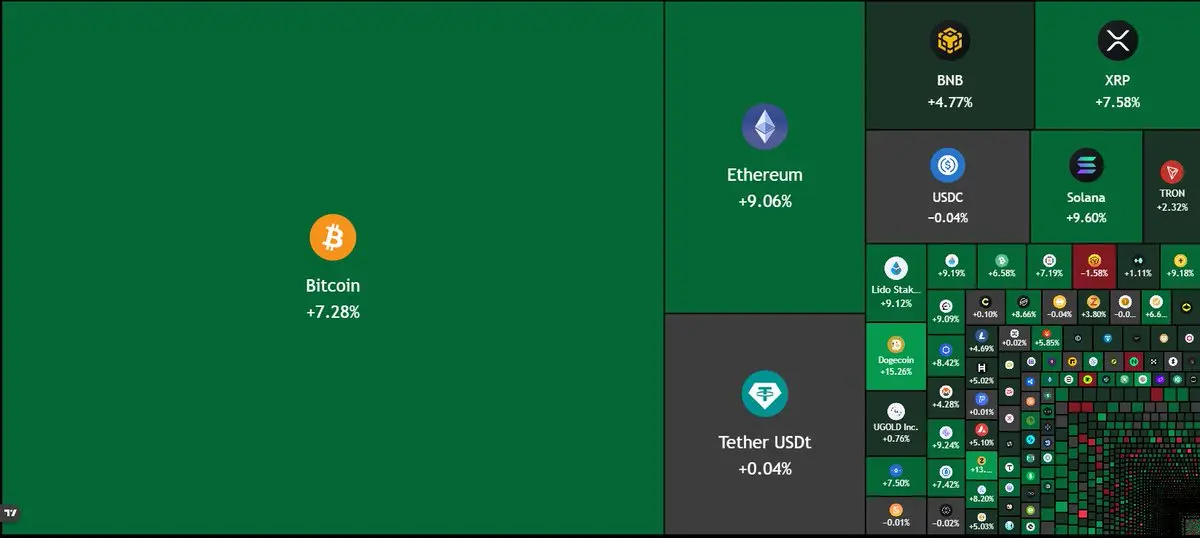
In a market environment dominated by uncertainty, volatility, and rapidly shifting macro narratives, one theme continues to stand out: Bitcoin holds firm. Despite geopolitical tensions, fluctuating oil prices, tightening liquidity conditions, and ongoing debates about monetary policy, Bitcoin continues to demonstrate resilience that reinforces its growing reputation as a maturing global asset.
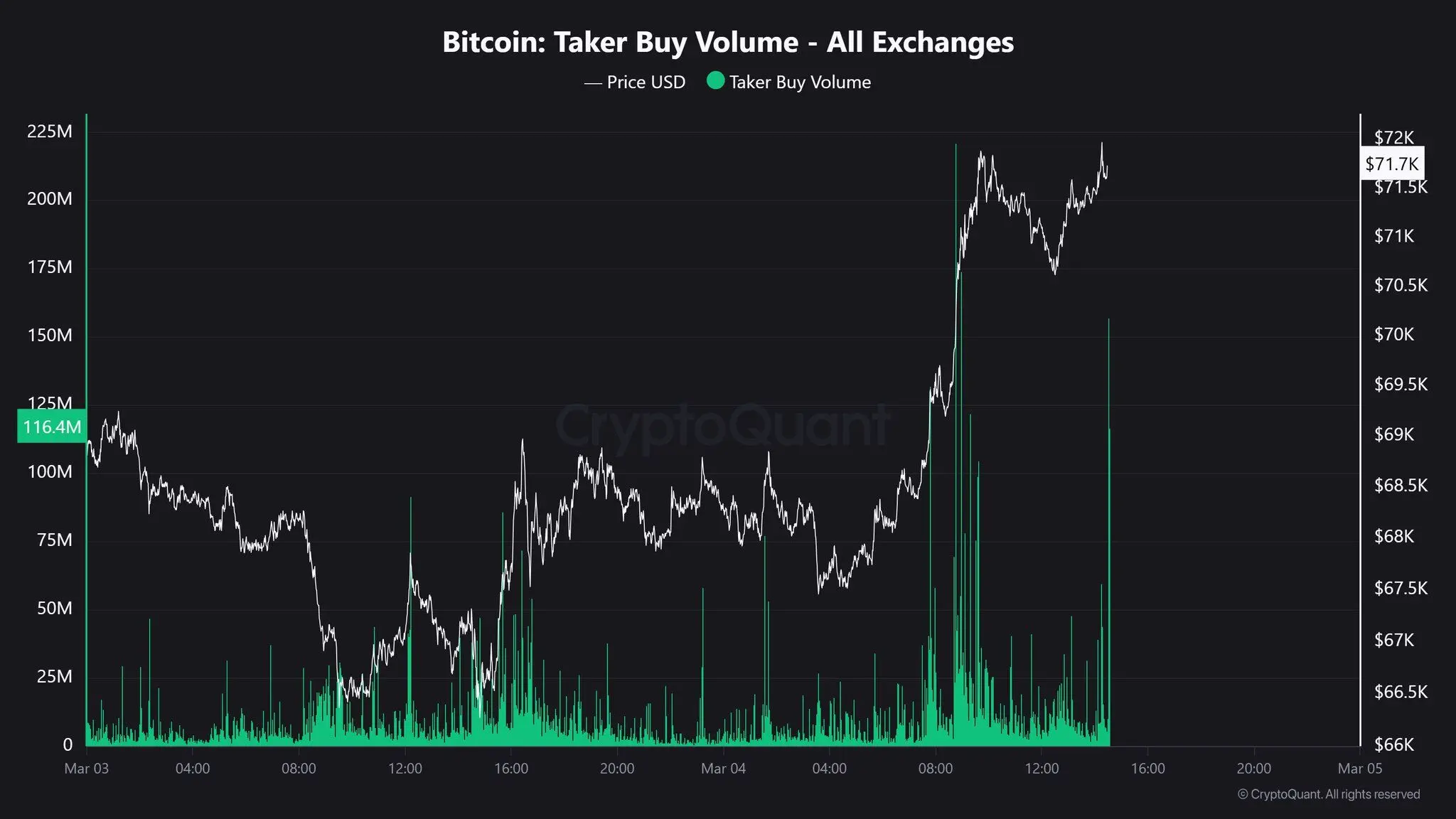
Over the past few sessions, Bitcoin has faced intense pressure from multiple directions. Rising bond yields, cautious central bank commentary, and unpredictable global risk events would typically send speculative assets sharply lower. Yet Bitcoin has managed to absorb selling pressure, defend key support zones, and maintain structural strength on higher timeframes. This kind of price behavior is not random it signals strong underlying demand.
One major factor behind Bitcoin’s stability is institutional participation. Unlike previous cycles driven primarily by retail speculation, today’s market structure includes hedge funds, asset managers, and publicly listed companies allocating portions of their balance sheets to BTC. Spot ETF inflows continue to shape liquidity dynamics, reducing available circulating supply and strengthening long-term holder conviction. When dips are bought aggressively, it shows confidence from larger players positioning for multi-year horizons.
Another reason Bitcoin holds firm is its evolving narrative as “digital gold.” During periods of geopolitical tension or currency debasement fears, investors often seek assets perceived as scarce and independent from traditional systems. Bitcoin’s fixed supply of 21 million coins makes it fundamentally resistant to inflationary manipulation. In times when fiat liquidity expands or trust in monetary authorities weakens, this scarcity becomes increasingly attractive.
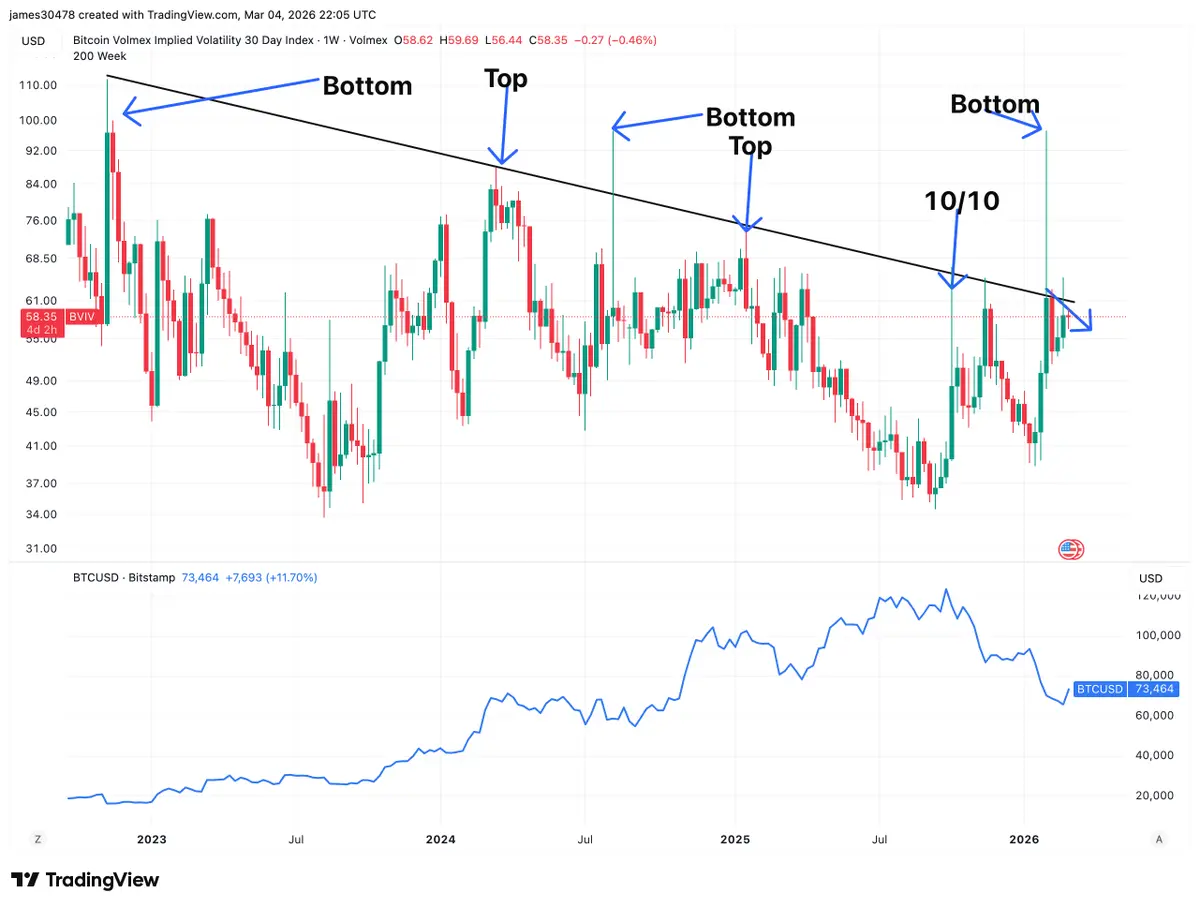
On-chain data also supports the resilience thesis. Long-term holders remain largely unmoved, exchange reserves continue trending lower over the broader cycle, and realized volatility while present — is becoming structurally more controlled compared to earlier bull markets. These metrics reflect a maturing market where panic selling is gradually replaced by strategic positioning.
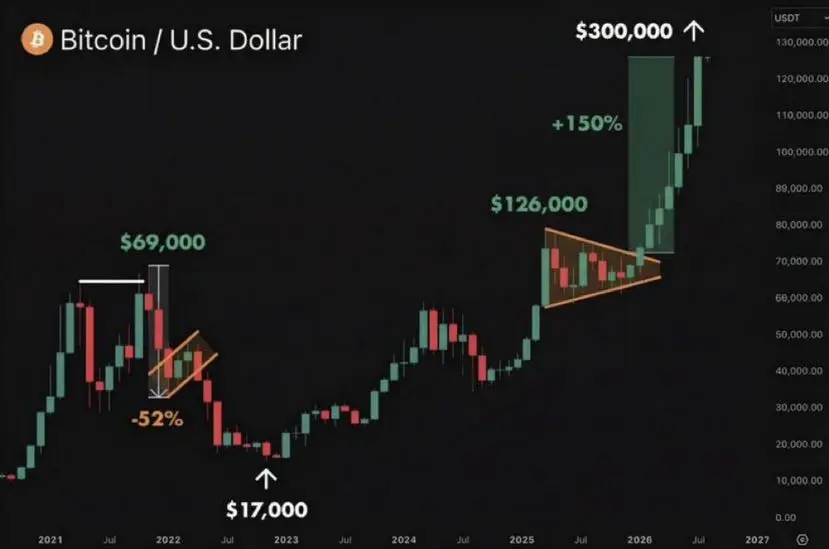
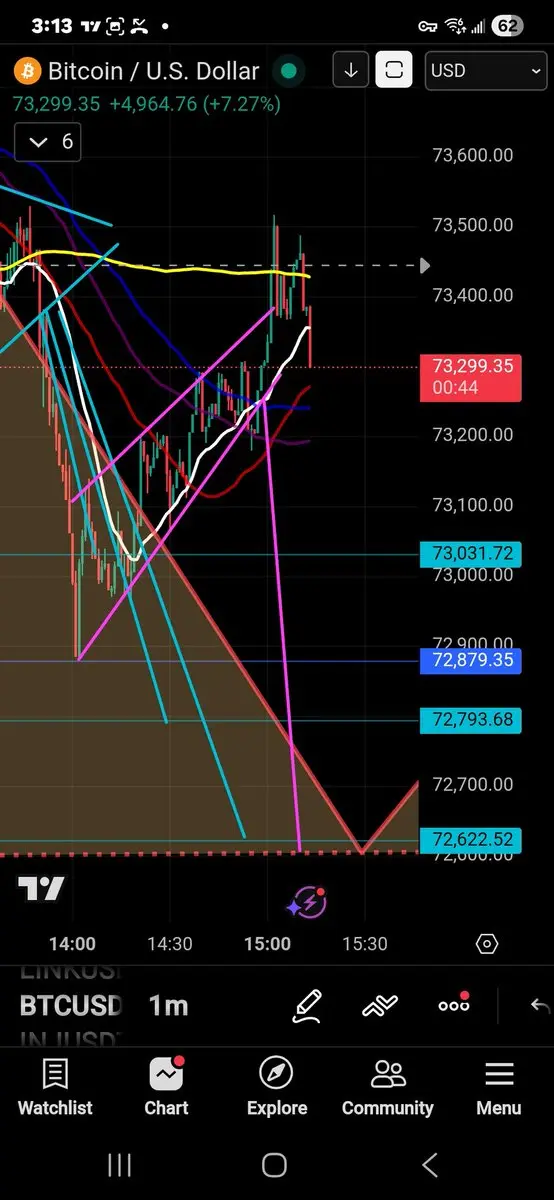
Technically, Bitcoin maintaining higher lows is one of the most constructive signals bulls can ask for. Even when intraday wicks shake out leverage, the broader trend structure remains intact. As long as critical support zones hold, the probability favors continuation over breakdown. Traders are watching resistance levels closely, but the real story is the strength of support not the fear of rejection.
Macro alignment is another interesting piece of the puzzle. If global liquidity conditions begin to ease later in the year, risk assets could benefit. Bitcoin, often acting as a high-beta liquidity proxy, may be one of the first to react. At the same time, if uncertainty deepens, its safe-haven narrative may gain traction. This dual positioning both growth asset and hedge gives Bitcoin a unique strategic advantage.
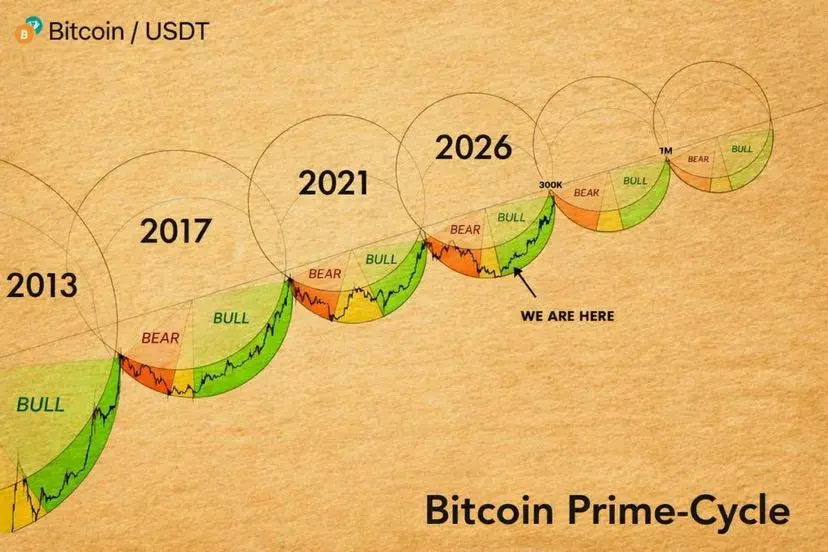
Of course, volatility is part of the journey. Corrections are natural, leverage resets are healthy, and shakeouts are necessary to sustain long-term trends. But the key takeaway remains clear: Bitcoin is no longer reacting like a fragile speculative instrument. It is behaving like an asset that understands its place in global capital markets.
#BitcoinHoldsFirm is more than just a hashtag it reflects a structural shift. Whether you are a trader navigating short-term moves or an investor building long-term exposure, the message is the same: resilience during uncertainty often precedes expansion.
The market is watching closely. And so far, Bitcoin is standing strong.
In a market environment dominated by uncertainty, volatility, and rapidly shifting macro narratives, one theme continues to stand out: Bitcoin holds firm. Despite geopolitical tensions, fluctuating oil prices, tightening liquidity conditions, and ongoing debates about monetary policy, Bitcoin continues to demonstrate resilience that reinforces its growing reputation as a maturing global asset.
Over the past few sessions, Bitcoin has faced intense pressure from multiple directions. Rising bond yields, cautious central bank commentary, and unpredictable global risk events would typically send speculative assets sharply lower. Yet Bitcoin has managed to absorb selling pressure, defend key support zones, and maintain structural strength on higher timeframes. This kind of price behavior is not random it signals strong underlying demand.
One major factor behind Bitcoin’s stability is institutional participation. Unlike previous cycles driven primarily by retail speculation, today’s market structure includes hedge funds, asset managers, and publicly listed companies allocating portions of their balance sheets to BTC. Spot ETF inflows continue to shape liquidity dynamics, reducing available circulating supply and strengthening long-term holder conviction. When dips are bought aggressively, it shows confidence from larger players positioning for multi-year horizons.
Another reason Bitcoin holds firm is its evolving narrative as “digital gold.” During periods of geopolitical tension or currency debasement fears, investors often seek assets perceived as scarce and independent from traditional systems. Bitcoin’s fixed supply of 21 million coins makes it fundamentally resistant to inflationary manipulation. In times when fiat liquidity expands or trust in monetary authorities weakens, this scarcity becomes increasingly attractive.
On-chain data also supports the resilience thesis. Long-term holders remain largely unmoved, exchange reserves continue trending lower over the broader cycle, and realized volatility while present — is becoming structurally more controlled compared to earlier bull markets. These metrics reflect a maturing market where panic selling is gradually replaced by strategic positioning.
Technically, Bitcoin maintaining higher lows is one of the most constructive signals bulls can ask for. Even when intraday wicks shake out leverage, the broader trend structure remains intact. As long as critical support zones hold, the probability favors continuation over breakdown. Traders are watching resistance levels closely, but the real story is the strength of support not the fear of rejection.
Macro alignment is another interesting piece of the puzzle. If global liquidity conditions begin to ease later in the year, risk assets could benefit. Bitcoin, often acting as a high-beta liquidity proxy, may be one of the first to react. At the same time, if uncertainty deepens, its safe-haven narrative may gain traction. This dual positioning both growth asset and hedge gives Bitcoin a unique strategic advantage.
Of course, volatility is part of the journey. Corrections are natural, leverage resets are healthy, and shakeouts are necessary to sustain long-term trends. But the key takeaway remains clear: Bitcoin is no longer reacting like a fragile speculative instrument. It is behaving like an asset that understands its place in global capital markets.
#BitcoinHoldsFirm is more than just a hashtag it reflects a structural shift. Whether you are a trader navigating short-term moves or an investor building long-term exposure, the message is the same: resilience during uncertainty often precedes expansion.
The market is watching closely. And so far, Bitcoin is standing strong.






 :
: