

Trade
Basic
Futures
Futures
Hundreds of contracts settled in USDT or BTC
TradFi
Gold
Trade global traditional assets with USDT in one place
Options
Hot
Trade European-style vanilla options
Unified Account
Maximize your capital efficiency
Demo Trading
Futures Kickoff
Get prepared for your futures trading
Futures Events
Participate in events to win generous rewards
Demo Trading
Use virtual funds to experience risk-free trading
Earn
Launch
CandyDrop
Collect candies to earn airdrops
Launchpool
Quick staking, earn potential new tokens
HODLer Airdrop
Hold GT and get massive airdrops for free
Launchpad
Be early to the next big token project
Alpha Points
Trade on-chain assets and enjoy airdrop rewards!
Futures Points
Earn futures points and claim airdrop rewards
Investment
Simple Earn
Earn interests with idle tokens
Auto-Invest
Auto-invest on a regular basis
Dual Investment
Buy low and sell high to take profits from price fluctuations
Soft Staking
Earn rewards with flexible staking
Crypto Loan
0 Fees
Pledge one crypto to borrow another
Lending Center
One-stop lending hub
VIP Wealth Hub
Customized wealth management empowers your assets growth
Private Wealth Management
Customized asset management to grow your digital assets
Quant Fund
Top asset management team helps you profit without hassle
Staking
Stake cryptos to earn in PoS products
Smart Leverage
New
No forced liquidation before maturity, worry-free leveraged gains
GUSD Minting
Use USDT/USDC to mint GUSD for treasury-level yields

More


Trending Topics
View More42.47M Popularity
153.43K Popularity
105.77K Popularity
1.67M Popularity
503.75K Popularity


Pin
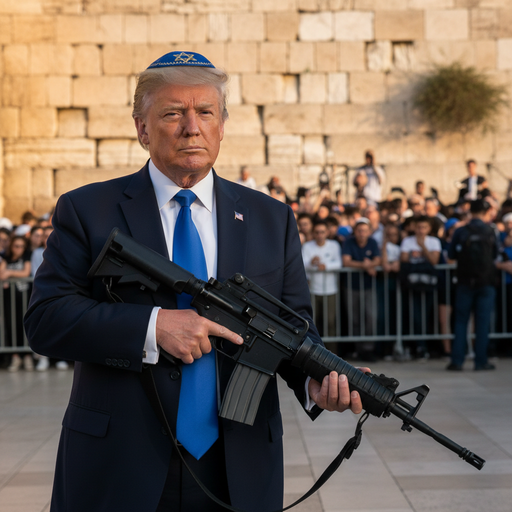
The US dollar withstands pressures after Supreme Court ruling on tariffs
The US dollar maintained a defensive stance this Monday in international markets, remaining relatively stable amid the uncertainty caused by the judicial decision that limited executive powers to impose reciprocal tariffs. Bloomberg reported President Donald Trump’s reaction to the ruling that invalidated his emergency trade strategy, a move that has introduced new risk variables into the global currency system. Traders are closely monitoring every regulatory signal, aware that changes in tariff policy could significantly alter the US economic outlook.
Scope of the Judicial Decision in Currency Markets
The Supreme Court closed an important door to the regulatory flexibility sought by the executive branch, which generated some caution among market participants. The US dollar did not experience sharp fluctuations but reflected this caution through restrained trading. The ruling has profound implications for the country’s trade architecture, as it limits the mechanisms available to adjust tariff policies without Congress. Analysts note that this judicial restriction adds complexity to the formulation of international trade strategies.
Financial Sector Behavior Amid Potential Volatility
The relative stability of the US dollar contrasts with the underlying volatility perceived by institutional traders. Major investment funds are recalibrating their positions amid increased regulatory and political uncertainty. Caution prevails among hedge funds, which await further developments before making significant decisions. This defensive sentiment suggests that investors are not fully discounting the implications of the ruling but prefer to stay observant as the administration’s next steps on tariffs are defined.
Medium-Term Outlook for the US Economy
Current regulatory challenges could limit the trade policy flexibility anticipated by the market. The stability of the US dollar in this context reflects a fragile balance between conflicting expectations: on one hand, the relative strength of the US economy, and on the other, uncertainty about foreign policy tools. Economists warn that future decisions on tariffs will directly impact the purchasing power of the US currency and its international competitiveness. The upcoming period will be crucial in determining whether judicial restrictions facilitate or hinder policy adaptation in the face of global trade pressures.