

Trade
Basic
Futures
Futures
Hundreds of contracts settled in USDT or BTC
TradFi
Gold
Trade global traditional assets with USDT in one place
Options
Hot
Trade European-style vanilla options
Unified Account
Maximize your capital efficiency
Demo Trading
Futures Kickoff
Get prepared for your futures trading
Futures Events
Participate in events to win generous rewards
Demo Trading
Use virtual funds to experience risk-free trading
Earn
Launch
CandyDrop
Collect candies to earn airdrops
Launchpool
Quick staking, earn potential new tokens
HODLer Airdrop
Hold GT and get massive airdrops for free
Launchpad
Be early to the next big token project
Alpha Points
Trade on-chain assets and enjoy airdrop rewards!
Futures Points
Earn futures points and claim airdrop rewards
Investment
Simple Earn
Earn interests with idle tokens
Auto-Invest
Auto-invest on a regular basis
Dual Investment
Buy low and sell high to take profits from price fluctuations
Soft Staking
Earn rewards with flexible staking
Crypto Loan
0 Fees
Pledge one crypto to borrow another
Lending Center
One-stop lending hub
VIP Wealth Hub
Customized wealth management empowers your assets growth
Private Wealth Management
Customized asset management to grow your digital assets
Quant Fund
Top asset management team helps you profit without hassle
Staking
Stake cryptos to earn in PoS products
Smart Leverage
New
No forced liquidation before maturity, worry-free leveraged gains
GUSD Minting
Use USDT/USDC to mint GUSD for treasury-level yields

More


Trending Topics
View More42.47M Popularity
154.18K Popularity
109.85K Popularity
1.67M Popularity
506.56K Popularity




Pin
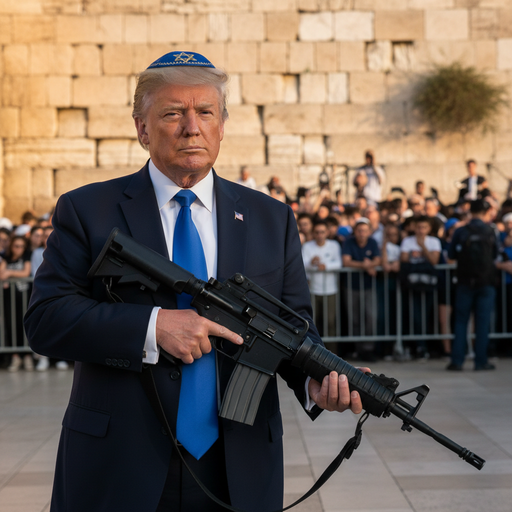
Supreme Court Rules Against Trump's Liberation Day Tariffs, Bitcoin Market Faces Uncertainty
In a significant legal setback, the U.S. Supreme Court has invalidated President Trump’s controversial Liberation Day tariffs, determining that they exceeded presidential authority under the International Emergency Economic Powers Act. This ruling marks a pivotal moment in the ongoing tension between executive power and legislative constraints, with far-reaching implications for both domestic policy and the cryptocurrency market.
The Legal Blow to Liberation Day Initiative
The Supreme Court’s decision centers on constitutional limits of emergency economic powers. The court found that the Liberation Day tariff measures, while announced as emergency measures, lacked sufficient legal grounding under the statute cited by the administration. This invalidation represents a judicial check on executive overreach and reaffirms congressional authority over trade policy. Legal experts note that the ruling could set precedent for how future economic emergency declarations are evaluated.
Crypto Market’s Immediate Response and Volatility
According to market observers at NS3.AI, Bitcoin initially experienced a brief pullback following the announcement, suggesting cautious positioning by traders. However, the market response remained relatively subdued compared to historical precedent for major policy shifts. The initial recovery was followed by broader selling pressure as investors grappled with ongoing political and economic uncertainty. The mixed signals surrounding tariff policy continue to weigh on digital asset sentiment, with market participants uncertain about the regulatory environment ahead.
What’s Next: New Tariff Policy and Legislative Uncertainty
President Trump has indicated plans to pursue a new tariff framework based on an alternative legal authority, circumventing the constitutional issues identified by the Court. This development suggests prolonged uncertainty in trade policy, with potential spillover effects on cryptocurrency regulation and broader financial markets. As lawmakers debate the appropriate balance between emergency powers and congressional oversight, the crypto community faces continued policy ambiguity that could influence future digital asset legislation and market dynamics.